Scary Things to Do in New Orleans for History Lovers and Horror Fans Alike

A solitary figure walking along a quiet street at night, illuminated by soft streetlight glow.

New Orleans holds a deep past shaped by faith, fear, loss, and survival. The city carries old stories in every street, and its shadows often feel close. Many people arrive looking for spooky moments, but they also want truth. Some visitors look for sites where real events, real people, and real mysteries took place. Groups like Hottest Hell Tours help keep this history honest, and their work shows why the city feels so intense.

Explore the French Quarter After Dark

New Orleans changes after dark. The streets grow quieter, and the air feels heavy. Many visitors wander through the French Quarter at night, where centuries of history are etched into the buildings. Streets like Royal Street, Chartres Street, and Dauphine Street hide stories of past fires, duels, and old tragedies. Some corners feel calm, but others make visitors pause without knowing why. These streets remind us that history leaves a lasting impression.

Hidden Stories Behind Silent Windows

Some buildings, such as those on St. Ann Street and Pirates Alley, appear empty, yet seem to watch the street. Their walls have endured storms, fires, and the weight of forgotten events. You can pass lively bars and still find blocks where the past feels very present. Quiet alleys reflect the presence of past generations.

Why Night Walks Feel So Strange

Night walks feel different because your senses are heightened. On streets like Bienville Street or Bourbon Street’s quieter sections, footsteps sound louder. Small movements catch your eye. Shadows play tricks on the mind, and the city itself seems to amplify unease. The combination of architecture, narrow alleys, and history creates a natural sense of tension.

Visit Historic Cemeteries with Heavy Atmosphere

New Orleans’ cemeteries carry centuries of memory, culture, and loss. Streets like North Claiborne Avenue lead to tombs that tell real stories. Cemeteries such as St. Louis Cemetery No. 1, St. Louis Cemetery No. 2, St. Patrick Cemetery No. 1, 2 and 3, and St. Roch Cemetery No 1, among others, show how people honor their dead above ground. In a city where the ground floods easily, raised tombs are necessary. Walking here during the day feels calm, but dusk creates long shadows and a heavier air.

Above-Ground Tombs Create a Strange City of Stone

The tombs resemble small stone houses. Families often share one tomb for generations, building layers of history inside. Practical design choices, like elevated vaults along Carondelet Street or St. Philip Street, unintentionally created an eerie landscape. Walking among these tombs feels like stepping into a city frozen in time.

  • Tombs gleam white, yet the stone carries a cold, solemn presence.

  • Narrow paths between tombs, especially at St. Roch Cemetery, create twisting, confined walkways.

  • Sunlight or streetlamp shadows shift quickly across St. Louis Cemetery No. 2, heightening the haunting feeling.

Respect the Sites and Their Meaning

These cemeteries remain sacred spaces connected to real families and traditions. Visitors should observe respectfully. Chills or unease often come naturally from history itself, not from fabricated scares, and it’s okay to have these feelings. Understanding the context behind the tombs deepens the experience, letting the stories linger long after the walk ends.

Stand at Places Marked by Old Epidemics

New Orleans faced deadly outbreaks during the 19th century, including yellow fever epidemics in 1833, 1853, and 1878. Some neighborhoods still carry quiet reminders of these tragedies. Walking along Rampart Street, Toulouse Street, or near Felicity Street you might feel a stillness heavier than usual. These streets were once full of fear, as entire communities struggled to survive disease and loss.

Streets with Deep Medical History

Areas like Royal Street, Chartres Street, and Basin Street once held makeshift hospitals, quarantine stations, and emergency shelters. Buildings such as the former Charity  Hospital on Tulane Avenue treated countless patients during outbreaks. Though these structures look ordinary today, the events that occurred inside shaped entire neighborhoods. Small alleyways near Dumaine Street were used for temporary aid stations, leaving subtle traces of the past that remain visible to attentive visitors.

Why These Spots Feel Unsettling

Disease leaves emotional marks long after outbreaks end. Visitors sense the weight of grief while learning about lives lost on St. Louis Street or Esplanade Avenue. Narrow streets and old brick facades amplify the feeling of confinement that once gripped residents. The unease comes from real human suffering, not from myths or legends. Understanding the history of these epidemics gives these streets a haunting authenticity.

Explore Old Colonial Sites with Violent Pasts

New Orleans grew during times of conflict, trade, and strict control. Streets like Chartres Street, Royal Street, and Bourbon Street once held government offices, early jails, and colonial courts. Buildings along Decatur Street were sites of punishment and rebellion. Walking here, you feel the pressure that shaped law, order, and everyday life.

Historic Blocks Filled with Old Tension

Many early laws controlled movement, labor, and speech. Neighborhoods such as Faubourg Marigny and the Tremé saw revolts, protests, and public punishments. The brick-lined streets, narrow alleys, and wrought-iron balconies carry the weight of these events. Passing Exchange Alley or Dumaine Street, visitors sense the tension that once gripped residents.

Why History Lovers Find These Areas Intense

These areas are rich with documented stories of revolt, control, and survival. The old City Hall on Royal Street and former jails near Chartres Street show how fear was a tool of governance. Unlike fictional ghost tales, these streets offer authentic tension that lingers in the urban landscape.

Visit Water Edges with Their Own Dark Legends

New Orleans’ rivers and bayous shaped both trade and danger. Streets like Basin Street, Poydras Street, and the Moonwalk along the Mississippi River reveal a history tied to water. Some riverbanks feel peaceful, but areas near Esplanade Avenue docks carry unsettling energy. Currents, fog, and shadows create natural tension.

Riverbanks with Old Rumors

Stories speak of strange lights above the water near Crescent City docks and the French Market waterfront. Sudden chills or whispering sounds often follow visitors along Tchoupitoulas Street piers. These accounts blend history with natural mystery, leaving a sense of unease without relying on legends.

Why Water Adds to the Mood

Water shifts sound and temperature, especially along the Riverwalk and the Moonwalk. Moving shadows make it hard to judge distance. The combination of fog, currents, and nighttime darkness makes these edges feel eerily alive.

Walk Old Neighborhoods with Layers of Cultural Memory

Some neighborhoods, like the Tremé, Faubourg Marigny, and Bywater, reflect generations of hardship and cultural survival. The streets reveal stories of joy, sorrow, and resilience. Walking here, every corner carries traces of past lives and local traditions.

Homes That Carry Memory

Houses on Saint Philip Street, Royal Street, and Elysian Fields Avenue tell stories of families who survived storms, fires, and social change. Even modest homes hold powerful memories, giving each step emotional weight.

Street Corners with Unusual Energy

Corners along Esplanade Avenue, Dumaine Street, and Rampart Street can feel strangely cold or silent. These sensations often come from the architecture, airflow, and shadows. Visitors often find these spots quietly spooky. The combination of shaded sidewalks, aged buildings, and sudden temperature drops can create an atmosphere that feels tense or still. Because of this, visitors sometimes describe these areas as quietly spooky, even when the supernatural may not be involved. The environment itself does most of the work, shaping how people experience the space.

Experience the History Behind New Orleans’ Haunted Spots
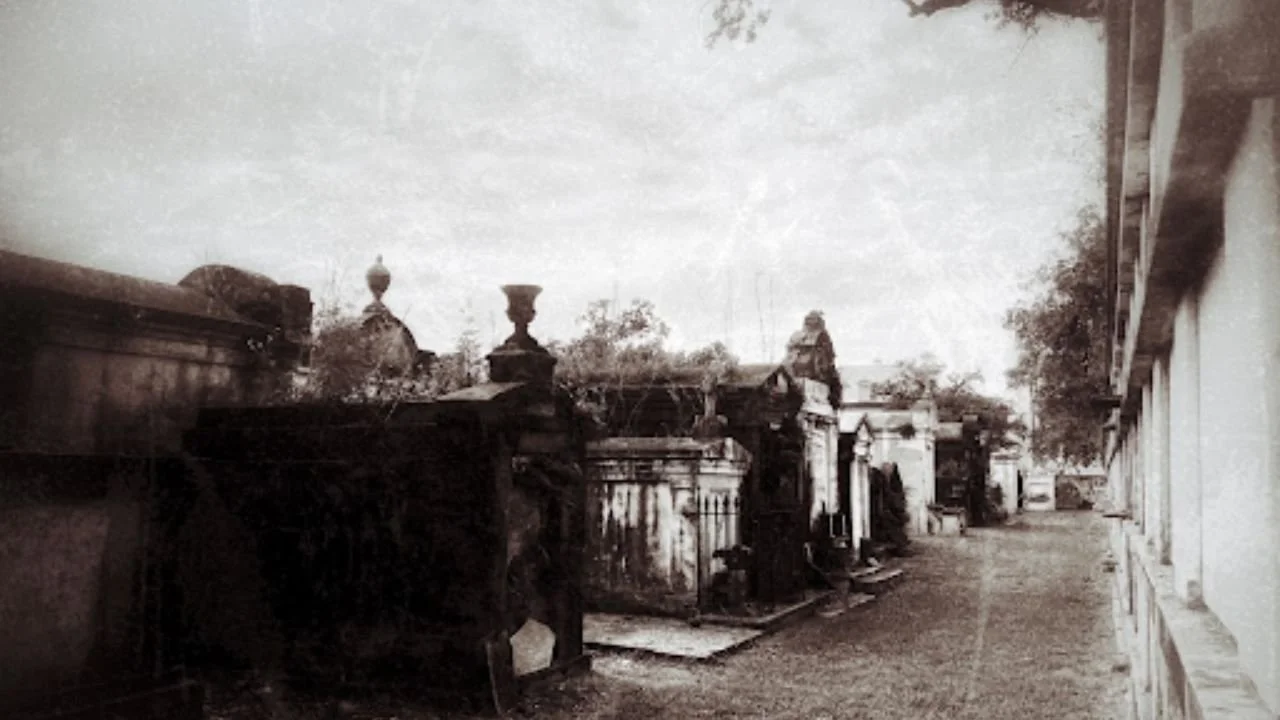
A sepia-toned photograph of a serene cemetery, featuring weathered gravestones and scattered autumn leaves.  

Many guests want scary things to do in New Orleans, but they also want honesty. One option offers spooky moments grounded in real history. Hottest Hell Tours gives deep insight into fear, belief, and cultural memory. They avoid myths and stick to stories shaped by real people.

Walking the Devil’s Empire

This walk explores how power and fear shaped New Orleans. The tour examines crime, control, and legends rooted in fact. You learn how fear served as a social tool for centuries.

The Dim Corner

This night tour uncovers lesser-known true-crime sites and haunted corners of the French Quarter. Stops include Gallatin Street, the Old Ursuline Convent, and hidden alleys full of historical intrigue.

The Gates of Guinee

This walk explores the African diaspora traditions that shaped local beliefs. It connects myth to culture without exaggeration.

Visit Historic Hospitals and Care Sites

New Orleans’ old hospitals hold deep, often unsettling stories. Places like the former Charity Hospital on Tulane Avenue and Touro Infirmary on Arabella Street treated thousands during epidemics and disasters. Many patients passed through these doors, leaving behind memories of hope, fear, and loss. Walking near these sites, visitors often feel the weight of human suffering lingering in the air.

Why Old Medical Sites Feel Disturbing

Hospitals witnessed both survival and tragedy. Along Tulane Avenue the walls carry echoes of past crises. Narrow corridors, abandoned rooms, and historic facades create a strong emotional reaction. The fear felt here is rooted in history, not legend, giving these locations a haunting authenticity.

Walk the Edges of Old Battle Sites

Certain areas of the city once witnessed conflict that shaped local and national history. Jackson Square, Barracks Street, and the land near Fort Saint John hold subtle reminders of military events. Today, these areas may seem ordinary, but the ground carries the memory of clashes, strategy, and sacrifice.

Quiet Fields Hold Deep History

Grass grows where soldiers once marched or fought near City Park or the old Camp Parapet. Wind moves across these spaces, carrying echoes of footsteps long gone. These quiet fields leave visitors with a strange, reflective unease, as history feels tangible beneath each step.

See Historic Markets with Long Past Lives

New Orleans’ public markets reveal layers of community life, commerce, and tension. French Market on Decatur Street, Rouses Market in the French Quarter, and areas along Royal Street held celebrations but also witnessed fires, protests, and conflict. Exploring these markets, visitors sense centuries of change beneath the surface.

Why Markets Can Feel Spooky

Years of events leave energy that persists. Passing stalls on Decatur Street or walking through the open courtyards of French Market, you might notice an unusual stillness or shift in atmosphere. Once the history is known, these spaces feel charged with memory, blending daily life with the past’s intensity.

Walk Steps Touched by Generations of Rituals

Certain spaces in New Orleans carry centuries of cultural and spiritual significance. Areas around Esplanade Avenue, Royal Street courtyards, and Bayou St. John have been  sites of rituals, offerings, and songs for generations. Visitors often feel an unusual mood, even without understanding the specifics.

Cultural Sites with Long Traditions

People have  left prayers, small offerings, and artistic symbols in these locations for hundreds of years. Over time, the atmosphere becomes layered with both reverence and unease. Walking here, you can feel the presence of past practices woven into everyday city life.

Explore Narrow Alleys with Old Shadows

The French Quarter contains alleys that feel almost frozen in time. Pirates Alley, Pere Antoine  Alley, and the tight paths near Chartres Street offer narrow spaces where footsteps echo rapidly. Light barely reaches the ground, creating long, shifting shadows.

Why People Feel Fear in Alleys

Alleys limit visibility and amplify sound. Airflow shifts quickly along Dumaine Street and St. Philip Street, creating odd temperature changes. These physical effects, combined with history and architectural layout, naturally make visitors feel tense and on edge.

Final Thoughts

New Orleans holds fear, beauty, and truth woven into every block. You can explore cemeteries, rivers, colonial sites, and older neighborhoods to feel the weight of its past. One of the scary things to do in New Orleans includes a walk with Hottest Hell Tours, which uses careful research to show why the city feels so haunted. Their approach reminds visitors that real stories often feel more chilling than fiction. When you learn this history with respect, the city’s shadows grow deeper, and its truth becomes even more powerful.
Best Time to Take a Ghost Tour in New Orleans

The best time for a ghost tour in New Orleans is at night. Of course, the specific time depends on your personal preferences. Most tours are held after dark for the full effect, but we offer multiple start times to suit your schedule. If you want a less intense experience, take a 5 p.m. tour. Halloween tours are one of the most popular ones. Hottest Hell often sells out weeks in advance during October. So, book them well in advance, regardless of the season. 

Hottest Hell Tours present New Orleans’ haunted history through guided walks and storytelling. Visitors explore streets, courtyards, and learn about historic buildings while also learning about local legends and strange events.

Quick Seasonal Overview

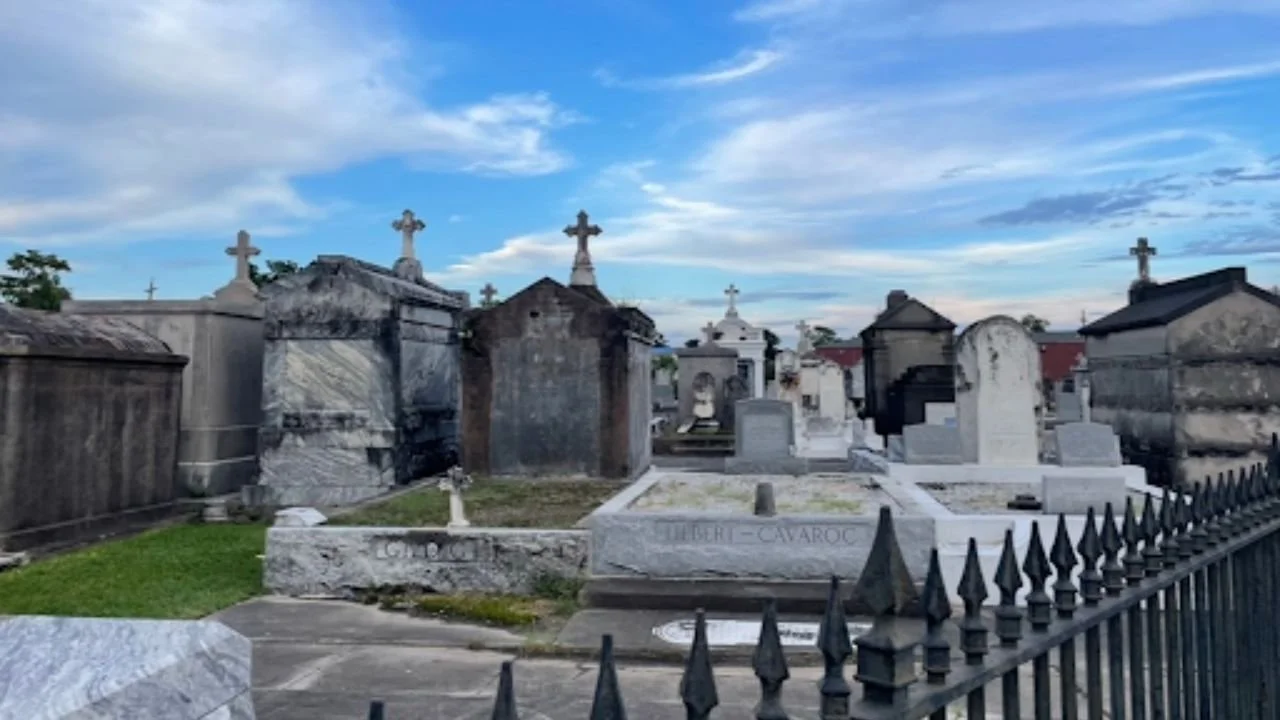
A cemetery featuring numerous tombs surrounded by a wrought iron  fence under a clear sky. 

Spring (Mar–May)

  • Weather: Warm, pleasant nights

  • Crowds: Heavy

  • Tour Highlights: Blooming courtyards, start of mosquitoes

  • Recommended Duration: 90–120 minutes

Summer (Jun–Aug)

  • Weather: Hot, humid evenings

  • Crowds: High during festivals; very slow throughout August and other off-season weeks

  • Tour Highlights: Night tours offer cooler experiences

  • Recommended Duration: 90–120 minutes

Fall (Sep–Nov)

  • Weather: Mild, breezy evenings

  • Crowds: Start of tourist season

  • Tour Highlights: Halloween and Voodoo celebrations

  • Recommended Duration: 90–120 minutes

Winter (Dec–Feb)

  • Weather: Cold at times, some rainy nights

  • Crowds: Heavy

  • Tour Highlights:
    Crowds surge between Christmas and New Year’s and again during Carnival and Mardi Gras, creating a peak season close to October and March.

  • Recommended Duration: 90–120 minutes

Spring: Blooming Streets and Gentle Nights

Spring is a suitable time to take a ghost tour in New Orleans. While the season is busy, the weather is pleasant. The temperature ranges from the low 50s to the 90s, sometimes hitting 100 by May. This makes it easy for visitors to walk 90-120-minute-long tours. NOLA at this time is filled with flowers. It further enhances the charm of the tour. 

Summer: Hot Nights and Less Crowds

The summer season in New Orleans is hot and humid. Still, if you don’t mind the heat but do mind the crowds, then summer is your season. Evening tours bring a bit of relief from the daytime heat. Light rain is common, which can make the air feel heavier, but it also cools the streets and adds an atmospheric touch. Summer guests enjoy smaller groups, quieter corners, and a more personal ghost-tour experience.

Fall: Spooky Vibes and Haunted Celebrations

Fall is an excellent time to take a ghost tour in NOLA. The temperature ranges from the upper 80s in September to the mid-60s by November. Walking in the fall weather is pure joy. The atmosphere in the city is bustling at this time. Tour duration spans from 90 to 105 minutes.

Winter: Quiet Streets and Intimate Experiences

Winter evenings are cooler and can be cold to locals but, allow for relaxed walking tours. Tours remain 90 to 120 minutes, offering compact but immersive experiences. Guests can enjoy quieter streets and more interaction with guides. Indoor stops, such as historic bars or Voodoo shops, add warmth and context. Fewer crowds make winter tours ideal for detailed storytelling. Nighttime shadows create heightened suspense along haunted streets.

Local Expert Advice

Guides recommend starting tours after sunset for maximum atmosphere. Shadows from street lamps enhance the ghostly environment. Small groups allow more interaction and personalized experiences. Visitors often prefer spring or fall for a balance of comfort and storytelling. Large groups or hot summer nights require careful planning. Nighttime tours maximize suspense and provide full immersion into haunted areas.

Comparison by Tour Type

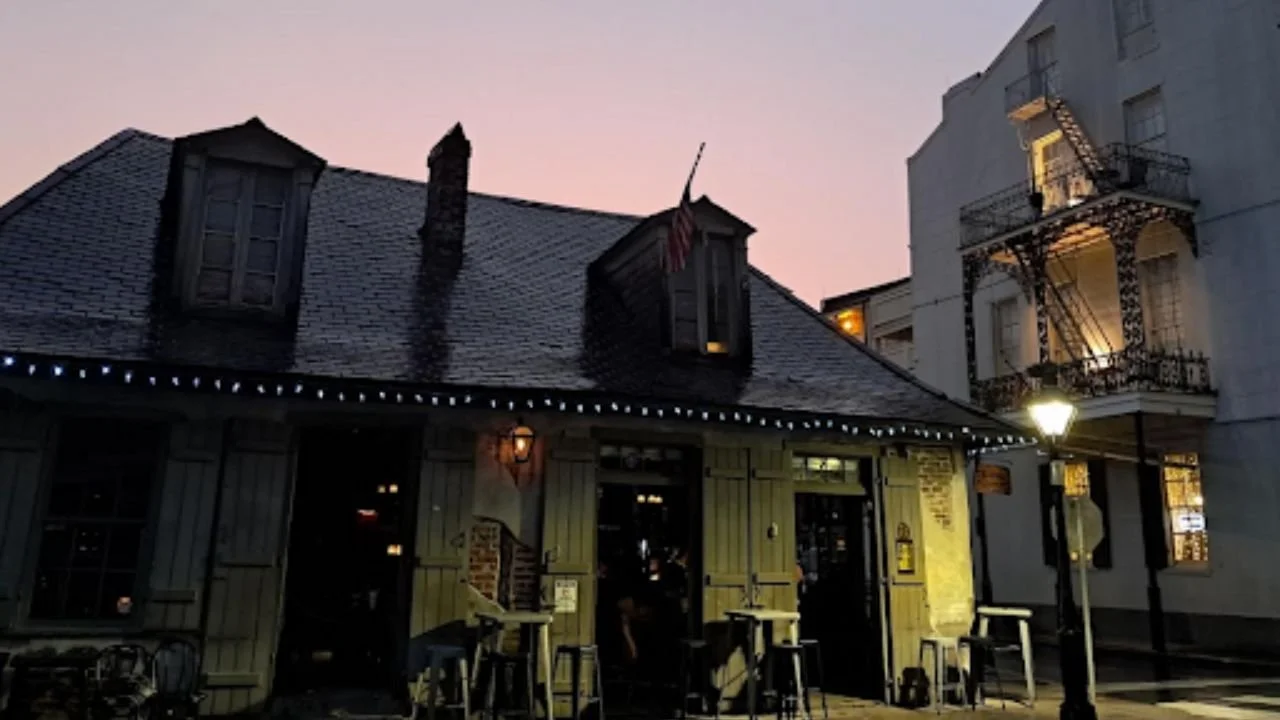
a street view of Jean Lafitte's Blacksmith Shop Bar featuring street lamps and outdoor seating. 

Walking Tours

  • Best Season: Year round

  • Duration Range: 90–120 minutes

  • Unique Features: Historic streets, immersive legends

Carriage Tours

  • Best Season: Summer, Winter

  • Duration Range: 60–90 minutes

  • Unique Features: Narrated ride

Pub Crawls

  • Best Season: Summer

  • Duration Range: 120–150 minutes

  • Unique Features: Haunted bars, interactive stops

Cemetery Tours

  • Best Season: Fall, Winter

  • Duration Range: 120–180 minutes

  • Unique Features: Crypts, mausoleums, exclusive access

Specialty Tours

  • Best Season: All seasons

  • Duration Range: 105–120 minutes

  • Unique Features: HELLVISION™, immersive storytelling

Tips for Choosing the Best Time Ghost Tour

Match Tours to Weather Preferences

Spring and fall offer comfortable evenings for walking. Summer requires hydration and lighter clothing. Winter provides calm streets and intimate settings. Weather considerations impact both comfort and enjoyment.

Factor in Crowd Levels

Crowds affect pacing and engagement. Springtime attracts festival-goers. Winter has fewer visitors for quieter tours. Summer offers moderate crowd sizes, allowing better interaction with guides.

Align with Seasonal Events

Festivals enhance ghost tour experiences. Halloween, Voodoo events, and Mardi Gras parades provide added context. Guides often adapt routes to include seasonal celebrations and decorations.

Consider Tour Length

Longer tours offer deeper immersion. Specialty tours like Hottest Hell’s “Walking the Devil’s Empire™” runs for 1 hour 45 minutes. Short tours suit casual visitors or beginners. Duration depends on stamina and curiosity.

Plan for Darkness

Night tours provide maximum ambiance. Sunset times change by season. Later evening tours are offered in summer, as early evenings can be dangerously hot and often lead to 5pm tour closures. Early evening tours return starting in November when the weather cools.

FAQs About Ghost Tour Timing

Q1: How long are ghost tours in New Orleans?
Most ghost tours in New Orleans have a timespan of two hours. This remains the same for various types of tours.

Q2: Do tour experiences vary by season?
Yes. Summer tours may move slower due to heat. 

Q3: How long do specialty tours last?
Specialty tours run for 1 hour 45 minutes with HELLVISION™ visuals and in-depth storytelling.

Q4: Are winter ghost tours worthwhile?
Winter tours offer quiet streets and intimate storytelling for a full historical and paranormal context.

Q5: Can children join ghost tours?
Some tour companies, such as Hottest Hell, are adults-only. There are family-friendly options available elsewhere.

Q6: What should I bring on a ghost tour?

Bring comfortable shoes, a flashlight, a smartphone, and a camera. Absolutely bring water. You can also pack electrolytes, bug spray, and any weather-ready gear like a light raincoat, depending on your location. Gratuities for the bar break and for your tour guide.

Q7: What is the highest rated ghost tour in New Orleans?

‘The Dim Corner™’ Tour offers a deeper exploration of New Orleans’ lesser-known past. The route differs from standard 5 and 8 PM tours. Visitors get to know about true crime and other dark history stories.

Final Thoughts

New Orleans has a mysterious energy. It draws everyone in with its rich history and a sense of magic around every corner. NOLA has been regarded as the elusive home of witches, vampires, and Voodoo queens. That’s why it offers some of the very best locations for haunting and historic ghost tours.

Ghost tours are held year-round so you can comfortably take one in your favorite time of the year. Hottest Hell Tours offers curated stories, historical insight, and carefully designed routes. The tours highlight both famous and lesser-known haunted locations, giving detailed narratives that connect past events with the city’s present character.

How Long Do New Orleans Ghost Tours Last?

A standard New Orleans ghost tour duration is approximately 90 to 120 minutes. Night tours usually start after sunset to enhance the eerie atmosphere. Some walking tours combine historic neighborhoods with haunted bars or landmarks, slightly extending the tour length that NOLA visitors experience. Specialized tours, such as Voodoo-focused or crime-history tours, may run longer, often two to three hours.

Factors That Influence Tour Length

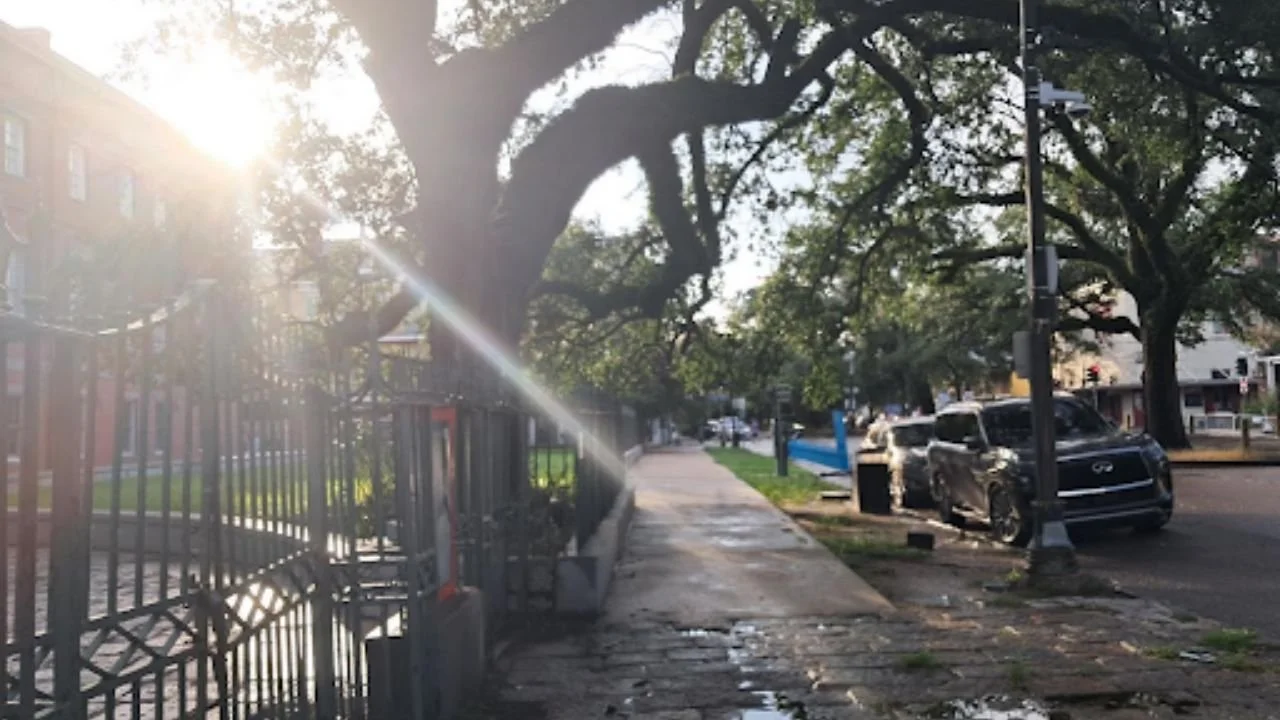
Sunlight filters through historic live oak trees lining a cobblestoned street, creating dappled light patterns on the pavement below.

Tour Type 

Walking Tours

Walking tours guide guests through the French Quarter’s historic streets at a steady pace and with clear stories. Each guide shares legends tied to old buildings and hidden corners of the neighborhood.

Carriage Tours

Carriage tours offer a slower and calmer way to explore haunted streets. Guests are able to enjoy rides past historic sites while hearing ghost stories connected to the city’s past.

Pub Crawls

Pub crawls blend chilling stories with lively bar stops along famous routes. Each stop highlights haunted history inside specific taverns with suggestive histories of strange events.

Cemetery Tours

Cemetery tours focus on haunted burial grounds filled with crypts and ancient tombs. Some tours even provide exclusive access to areas not open to regular visitors.

Why Hottest Hell Does Not Offer These Tours

Hottest Hell avoids certain tour types for clear and intentional reasons. We choose not to offer carriage rides because we support the ethical treatment of animals, and we do not feel comfortable using mules for repeated night work. Our team also avoids pub crawls because we value the history, our guests aren’t looking to stand near drunk groups or compete with loud bars. We focus on historically accurate stories, safe movement, and steady pacing that support a deeper experience.

Tour Route

LaLaurie Mansion

LaLaurie Mansion appears on many ghost tours because of its shadowed history. Visitors hear stories that explain why this home remains unnerving to the city populace.

Lafitte’s Blacksmith Shop

Lafitte’s Blacksmith Shop is another well-known stop linked to strange events and old legends. Guides share stories about unusual sightings linked to this historic bar.

French Quarter Streets

Many tours wind through the French Quarter and highlight buildings filled with layered history. Guides point out landmarks and share stories tied to each corner and alleyway.

The distance of tour routes like the ones above from your current destination influences its length.

Guide Style and Storytelling Depth

Experienced guides can impact how long ghost tours feel. Some guides provide fast-paced explanations, fitting the experience into 90 minutes. Others linger at haunted sites, offering detailed narratives that extend tour duration. Guests who enjoy rich storytelling benefit from tours that prioritize depth over speed. Tour companies often describe these experiences as “full-immersion” or “extended walking” tours. Hottest Hell falls in the middle of this with an hour and 45 minute to 2 hour tour along with an additional 30 minutes for check in and group formation.

Group Size and Interaction

Smaller groups may move faster, slightly reducing tour duration in NOLA. Large groups, however, require more time for questions and interaction. Some tours include interactive elements, such as examining potentially haunted objects. These activities can extend the standard 1.5 to 2-hour time frame. New Orleans law limits guests to 28 people per tour guide. Hottest Hell limits our groups to 20.

Weather and Seasonal Conditions

New Orleans’ weather can influence how long ghost tours last. Tours may include indoor stops to ensure guest comfort, affecting tour length in NOLA. Nighttime tours do not change with seasonal sunset times. Our schedule stays consistent year-round, and tours run at the same set times.

Popular Types of Ghost Tours in New Orleans

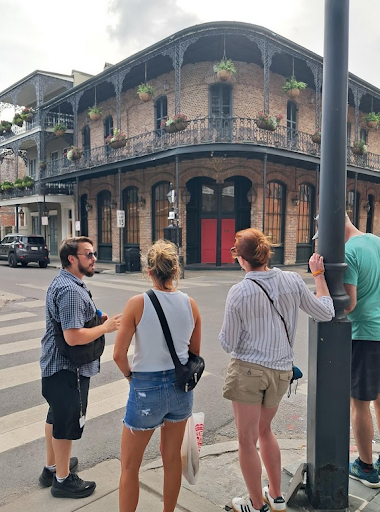
A Hottest Hell tour guide informing guests of the history associated with a large building.

French Quarter Walking Tours

Explore the world of spirits with this famous tour. Experience the French Quarter after dark. This tour is rooted in history. Every tale has a factual foundation. It ends with a spooky narrative. The tour explores NOLA’s legendary hauntings. These are:

  • Sicilian Lynchings

  • Congo Square

  • St Peter Cemetery

  • Marie Laveau

  • Jean Lafitte

  • Compte Jacque St. Germaine

  • Axeman

‘Walking the Devil’s Empire’ Tour

This adults-only tour explores New Orleans’ darkest streets, filled with ageless vampires, star-crossed lovers, and ghostly characters. Guests experience a parade of haunted figures and wicked legends along the city’s historic paths. The tour offers HELLVISION™ as a VIP upgrade. It displays historic photos, documents, and eerie visuals for deeper immersion. Participants descend into the most chilling areas of America’s haunted city.

‘The Dim Corner’ Tour

Designed for those seeking a deeper dive, this tour takes a unique route different from standard 5 and 8 PM tours. Guides narrate a distinct set of true crime and paranormal stories. The experience explores a “dim corner” of the United States described by Aleister Crowley, a place even death has overlooked. Guests walk through black and blood-red history while uncovering unseen legends of New Orleans.

The ‘Gates of Guinee’ Voodoo History Tour

The ‘Gates of Guinee’ Tour clears away common myths and shows the true history of Voodoo in New Orleans. Guests meet their guide on Basin Street near Marie Laveau’s famous tomb, then learn the differences between Haitian Voodoo, New Orleans Voodoo, Santeria, and Hoodoo. The walk continues to Congo Square, a sacred site for music, ritual, and cultural memory. The group then visits Laveau’s former home and moves toward Dauphine Street to uncover the truth about Voodoo dolls and Afro-Caribbean medicine. Guests learn about Sanite Dede, the woman who helped shape early Voodoo in the city. The tour ends with stories of miracles, hidden relationships, racial crimes, and the early fight for freedom, told through the lens of a misunderstood faith rooted in America’s most haunted city.

Specialty and Themed Tours

Some companies provide extended tours blending crime history, haunted architecture, and cultural hauntings. These tours can last from 90 minutes up to three hours, offering a comprehensive experience. Guests enjoy immersive storytelling and unique night photography opportunities.

Tips to Prepare for Your New Orleans Ghost Tour

Bring Essential Supplies

Carry a small backpack with essentials. Consider the following:

  • Water

  • Sunscreen

  • Electrolytes

  • Bug Spray

  • Snacks

  • A flashlight 

  • Additional batteries. 

  • Camera or smartphone

  • Wet wipes or hand sanitizer for convenience

  • Gratuity for the guide

  • A poncho for rain

Stay Open-Minded

Keep an open view. It lets you draw yourself completely into the experience. Embrace the possibility of seeing the paranormal. Be receptive to any atypical sensations or sightings.

Listen to the Guide

Listen attentively to everything that your guide tells. They will provide valuable insights into the haunted locations. Communicate with the guide and ask questions to broaden your understanding. Trust your guide as the professionals they are. 

Be Respectful

Haunted sites are often places that have seen much tragedy. They are also historically significant. So, be respectful of them. Don’t engage in disruptive behavior. Follow the rules that your tour guide tells you.

Maintain Group Etiquette

Stay with your group throughout the tour. Don’t talk loudly. Avoid interrupting the guide when they are talking. Step away if you have to smoke or take a phone call.  If you have any personal experiences, share them later with the group. 

FAQs 

  1. Why are there so many ghost tours in New Orleans?

In New Orleans, multiple places have the label of being haunted. The city’s hotels share numerous spooky tales. They even hire ghost hunters to validate the rumors linked to paranormal occurrences. One theory is that New Orleans is built on water; water is conduit for energy; ghosts thrive in areas that allow energy to move freely.

  1. What is the number one ghost tour in New Orleans?

Walking the Devil’s Empire Tour is one of the best ghost tours in New Orleans. Organized by Hottest Hell, it reveals the hidden yet true history behind ghosts, vampires, Voodoo, and true crime. From the biggest mass lynching in U.S history to the unsolved case of serial murder, the tour offers a thrilling experience.

  1. What is the most haunted area in New Orleans?

People regard the French Quarter as the most haunted place in New Orleans. This is due to the high number of historically haunted locations in it. Within it, the LaLaurie Mansion is commonly cited as the most haunted place. Other haunted places include Muriel's Jackson Square and Marie Laveau's House.

  1. Are ghost tours worth it in New Orleans?

Ghost tours are totally worth it in a city like New Orleans. To make the experience even better, go with the right expectations. We recommend focusing on the stories and history over theatrical appearances. These tours blend chilling stories with historical context. So, they are a great introduction to NOLA's unique atmosphere.

Final Thoughts on New Orleans Ghost Tour Duration

Exploring haunted tours is a great way to experience the unique and vibrant history of NOLA. Whether you’re inclined towards ghost stories or historical mysteries, haunted tours offer unforgettable adventures. Join a tour and discover why New Orleans is considered one of the spookiest cities in America! Visitors seeking deep, immersive experiences should consider extended options like Hottest Hell Tours. Understanding the New Orleans ghost tour duration ensures a fulfilling and memorable journey through the city’s haunted streets and legendary sites.

How Different Cultures Explain the Unexplained

Many people around the world try to understand strange events. We all face moments that feel mysterious. These moments shape stories and shape beliefs. When we explore how different cultures see the unseen, we begin to see a shared human path. We find fear, hope, and wonder in every story. We also see how global ghost beliefs guide daily life for many people. These stories help people explain confusion, loss, and strange events. They also show how deeply communities connect with the spirit world.

In New Orleans, Hottest Hell brings these stories to life through immersive walking tours. Guests follow paths lined with history, legend, and chilling tales. Their tours capture the essence of haunted spaces while connecting modern visitors with the unseen world that cultures worldwide have long respected.

Why Cultures Tell Stories About the Unseen

People use stories to make meaning. Many cultures teach that invisible forces shape our lives. These ideas help explain things the mind cannot solve and often guide behavior. They offer comfort in dark moments and create connections between the living and the dead. Folk tales form rules, warnings, and lessons that shape conduct. In addition, they pass down wisdom from one generation to the next.

Asian Views of Spirits and Shadow Worlds

Asian cultures hold some of the oldest spirit stories. These traditions shape how people understand strange events. These beliefs also influence how families honor their ancestors.

Japan and Its Beliefs of Restless Spirits

Japan has a long history of cultural hauntings. Many stories describe spirits that wander when peace is broken. These spirits often guard their old homes or places of loss. People share stories of women in red waiting near rivers. They also speak of shadows that follow lonely roads. These stories warn people to respect the past. They show how actions carry lasting energy.

China and the Rules of the Spirit World

China teaches that spirits move between two realms. These ideas shape many daily choices. Families leave food or incense for ancestors who guide them. Ghost Month is a time when spirits return to visit. People avoid risky acts during this time. These supernatural customs help people stay safe and respectful. They also built a bridge between the living and those who came before.
African Spirit Traditions and Ancestral Voices

Different countries and native groups in Africa hold many powerful spirit traditions. These beliefs shape healing and shape community values. They also play a major role in guiding leaders and families.

West African Ancestors and Living Memory

West African communities believe ancestors walk beside the living. They speak through dreams and signs. They protect children and warn families of danger. People follow rituals to honor them with food, songs, or quiet moments. These customs strengthen trust between generations. They also remind people to respect their roots.

East African Guardians and Nature Spirits

Some East African cultures speak of spirits that guard nature. These spirits live in forests, mountains, and water. People show respect before entering these places. They ask permission through simple blessings. These ideas remind people to treat nature with care. They also teach that every place holds hidden life.

European Tales of Haunted Grounds and Quiet Shadows

Europe provides many stories of wandering spirits. These stories spread from castles to farms and old villages.

Northern Europe and Spirits of Cold Lands

Northern Europe shares stories of shadows seen during long winters. Many people believe spirits appear when nights grow long. These stories warn travelers to stay alert in dark places. They also reflect the quiet tension of long winter nights. People light candles to honor lost souls and guide them home.

Southern Europe and Stories of Restless Figures

Southern Europe has stories tied to stone roads and old ruins. These tales describe figures that walk near ancient walls. Families share these stories during nights filled with warm air. These tales help explain strange sounds and sudden chills. They show respect for history and its silent reminders.

Middle Eastern Beliefs in Invisible Beings

Middle Eastern cultures have deep stories about unseen beings. These stories shape behavior and shape local traditions.

Stories of Hidden Spirits That Watch and Wander

Many families believe spirits move through daily life unseen. These stories teach people to stay humble and kind. They also warn people to avoid harming others. People use gentle rituals to ask for protection. These traditions build a sense of comfort and balance.

Lessons From Ancient Desert Tales

Groups across deserts share stories of glowing shapes that follow travelers. These tales help explain strange lights seen at night. They offer lessons about fear, hope, and survival. These stories help travelers stay cautious when crossing open lands.

North American Beliefs in Spirits of Land and Sky

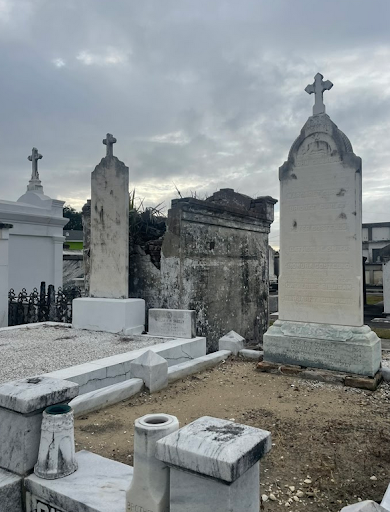
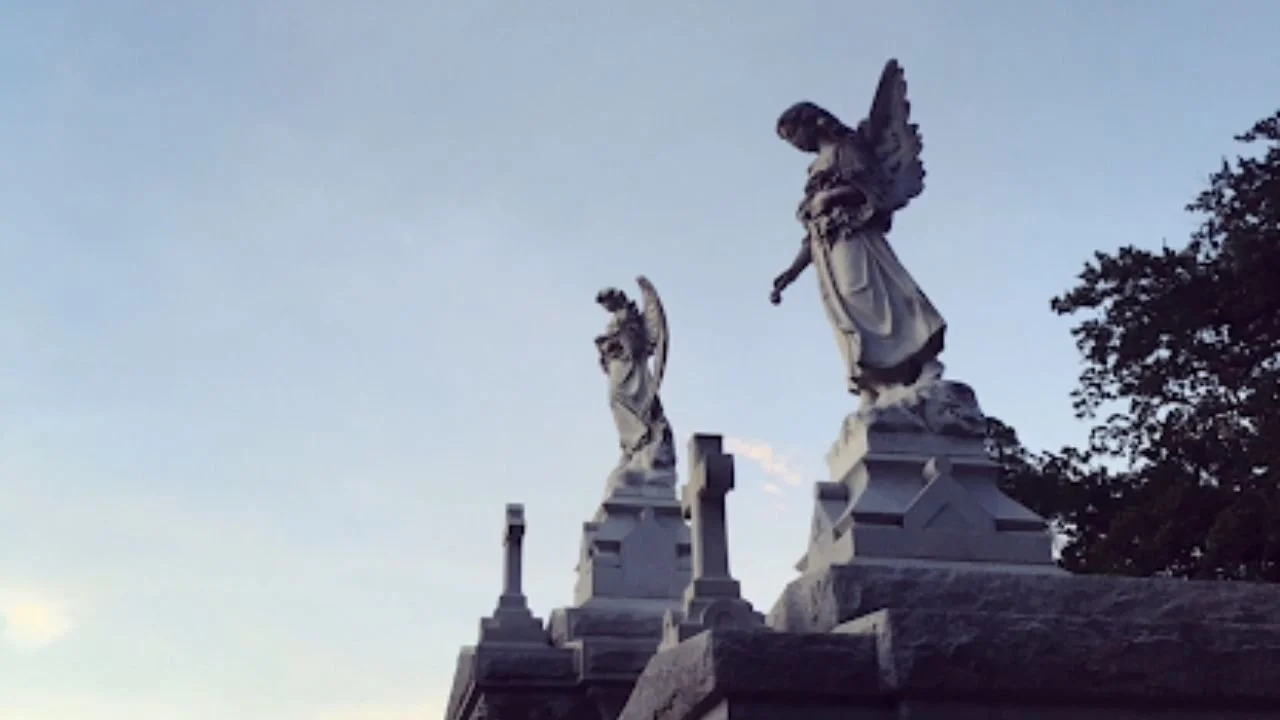
Tombs containing families situated side by side in a serene cemetery setting.

North America carries many deep stories about spirits that guard daily life. Many communities see the land as a living guide filled with hidden forces. These ideas help people stay aware of signs that appear in quiet moments. They show how mysteries shape  daily routines and choices across many regions.

Indigenous Spirits That Walk Beside the Living

Indigenous nations teach that spirits live in rocks, rivers, and wide skies. These spirits guide families and warn them during troubled times. People offer songs and small gifts to honor these unseen forces. These simple acts build trust between the living and the spirit world. They help people respect the land that holds ancient memories. These stories act as a medium, guiding young people and connecting them with their elders.

Stories of Travelers Seen on Old Frontier Roads

Many North American communities share stories of wandering figures seen on lonely roads. These tales describe travelers who appear near bridges, forests, or quiet fields. People say these spirits carry memories from forgotten times. These stories help explain sudden chills or strange lights that appear at night. They also remind people to stay alert when roads grow dark and silent. These tales give shape to fear and comfort in equal measure.

Homes That Hold Echoes of Past Lives

Across North America, families speak of homes with lingering energy. They hear footsteps in quiet halls or voices that fade before dawn arrives. The tales reflect a long history filled with movement, change, and loss. Today, many travelers seek places where history and mystery meet. They visit cities known for strange stories or old legends. Hottest Hell shares this same spirit of dark storytelling with tours that explore places shaped by old tales and haunting history, guiding visitors through streets filled with legends that echo across time. 

South American Beliefs in Spirits of Land and Water

South America holds strong ideas about spirits tied to nature. Many communities see ghosts as part of daily life. They believe spirits guard family homes and sacred areas.

The Amazon and Spirits That Blend With Nature

Communities in the Amazon believe spirits live in trees, rivers, and storms. They tell stories of figures who protect the forests. These beliefs teach respect for the land. They offer a reason for sudden changes in weather or sound. 

Andean Tales of Spirits That Guard Mountains

The Andes are home to stories of mountain guardians. These spirits protect sacred spaces. People give small gifts to earn their blessing. These supernatural customs help families stay safe. They also teach that mountains hold deep wisdom.

Pacific Islander Traditions and Sacred Spirit Realms

Pacific Island cultures connect deeply with the spirit world. Many stories speak of spirits that move with the wind and sea.

Ghosts That Travel With the Waves

Island communities believe spirits travel across the ocean. They visit family during storms or quiet nights. These stories guide sailors and teach safety. They honor ancestors who once crossed these waters. These tales build a strong bond with the past.

Sacred Ceremonies That Honor the Unseen

Ceremonies help people speak with ancestors. These rituals use songs, dances, and shared meals. People believe these acts keep harmony strong. They also invite wisdom and peace from the spirit world.

North American Traditions and Stories From Many Nations

North America holds diverse ideas about spirits. Many groups share stories tied to land, memory, and family.

Indigenous Beliefs in Spirits of Every Path

Indigenous groups teach that spirits live everywhere. These stories explain events that feel strange or sudden. They guide choices and keep families aware. People honor spirits through quiet acts of respect. These ideas help protect community spaces and traditions.

Modern Beliefs That Blend Past and Present

Many modern families still believe in unseen forces. These ideas come from old stories shared for centuries. People link these tales with new experiences. They use them to explain chills, whispers, or sudden signs. These stories show how the past continues to shape the present.

How These Global Beliefs Shape Everyday Life

Beliefs about spirits guide how people act. They shape how families honor the dead and guide behavior during travel or daily tasks. When people follow these traditions, they feel protected. They also feel closer to their history. These beliefs offer comfort when life feels unclear. They show that every culture seeks meaning in mystery. These ideas link us across borders and across time.

Why Global Ghost Stories Still Matter Today

People still want answers for things they cannot explain. Stories from the past provide guidance and reflect a shared curiosity across cultures. Families stay connected through these tales, passing wisdom and traditions from one generation to another. They remind us to listen to signs and stay aware. Such traditions reveal how deeply people trust the unseen. Often, they help people believe that death is not truly the end.

What We Learn From Global Spirit Traditions

We learn that mystery links every culture. We see that fear and hope shape belief. We also learn that stories carry power. They teach lessons and hold memories. They guide choices and protect families. These global ghost beliefs show a shared desire to understand life. They remind us that every culture seeks answers to strange events. They also show that the unseen world still shapes the human journey.

A World Connected Through Mystery

Every country offers a new way to explain the unexplained. Some use tales of shadows. Others use stories of lights, whispers, or shapes. These ideas show how people make sense of strange moments. They help keep the world full of wonder. They also show how deeply cultures value their past. 

Hottest Hell carries this same spirit of curiosity and wonder. Visitors walk through streets where stories still cling to the walls. Old legends breathe through modern streets, creating a sense of awe. Each tour invites people to connect with history and the unseen. Mystery lives everywhere, not only in distant lands, and every culture holds stories waiting to be heard and felt.

France, Haiti, and the Ghosts of Empire (1699–1803)

The story of France, Haiti, and early Louisiana feels heavy and strange. It carries voices that still echo through modern streets. Some of these echoes appear in legal papers, old letters, and forgotten maps. These records show how strong choices shaped the world. Hottest Hell Tours explores this hidden past and helps people see the deep shadows of the empire.

The Beginning of a Colonial World

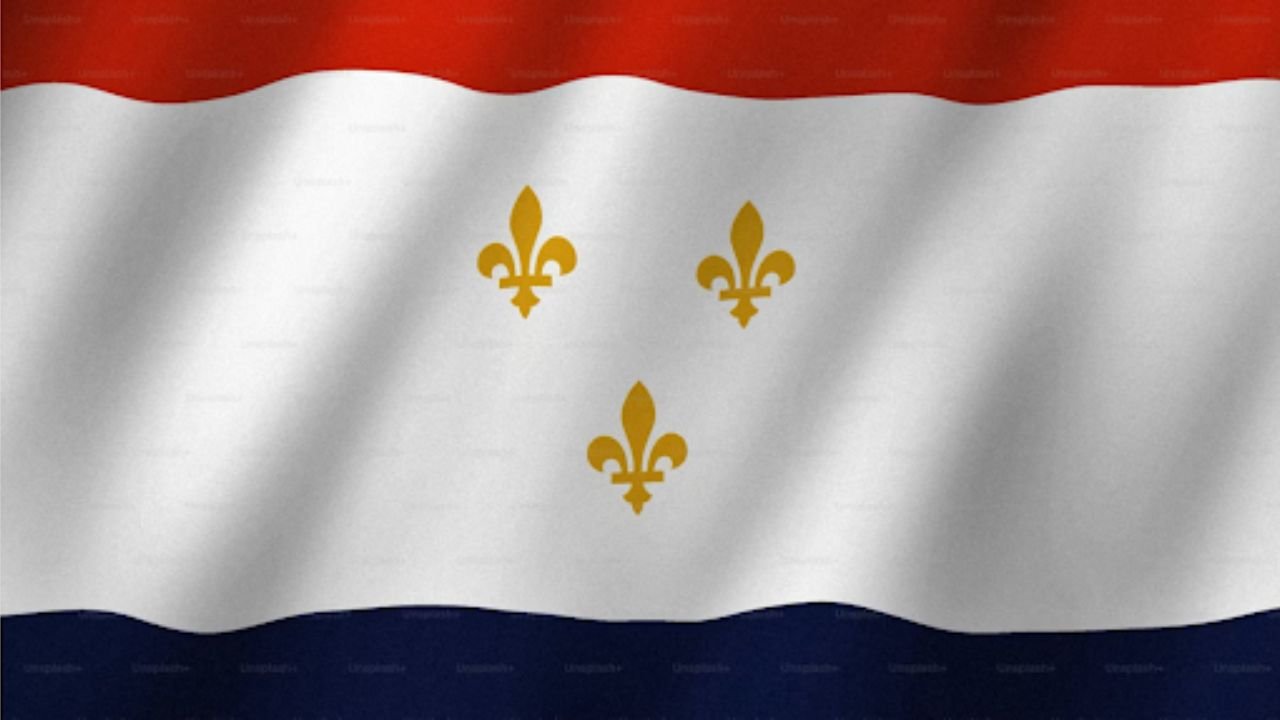
Colonial Louisiana flag

The year 1699 marked a sharp turn in the colonial history of Louisiana. French explorers set their claims along the lower Mississippi River. These men worked under royal orders and followed strict laws. They sketched each land point and river, trying to make a map. But the neat lines hide a harsher truth. Many of these men treated Indigenous peoples brutally and ignored their own laws. But not Bienville. As a French Canadian who spoke several Indigenous languages, he helped build early relationships that shaped the first years of New Orleans. His presence showed how diplomacy and communication could coexist with a broader system driven by fear, ambition, and a deep hunger for territory.

The French crown wanted control and wealth in North America. The empire also wanted a strong line of forts. This plan pulled many people into harsh lives. Native tribes felt the pressure first. Their lands changed fast as French forces built posts and fields. Their stories appear in trade letters and peace talks preserved in court sets. These papers describe tense meetings full of warnings.

A Colony Built on Forced Labor

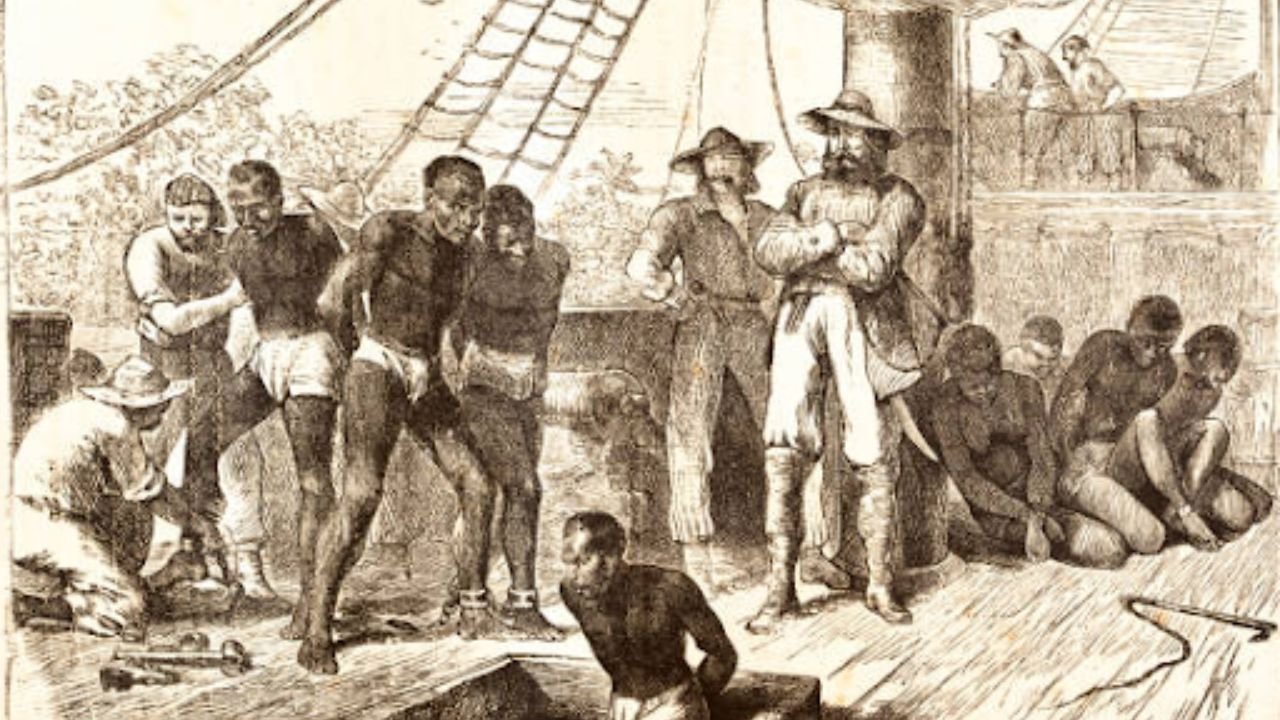
Enslaved people being brought to a ship

France soon needed more workers. This need pushed France into the violent trade that shaped France’s Haitian slavery systems. Ships crossed the Atlantic with chained men, women, and children. Forced labor soon became the base of early farms in Louisiana. Owners tracked each person through bills of sale. These records appear in parish books and policy rulings. Each entry shows cruel control over human lives.

The people brought from West Africa carried their beliefs, songs, and pain. They created new cultural traditions in the midst of overwhelming hardship. Many fought the system in quiet ways. They ran, resisted, or passed coded messages. Court cases in New Orleans detail their acts. Judges often sided with owners, yet the stories still show strong spirit.

The Influence of Haiti on the Gulf World

Haiti changed the world in bold ways. The island held the richest French colony. It used a harsh form of forced labor that pushed people beyond limits. This deep injustice fueled resistance. The Haitian Revolution rose from this fire. People forced into labor pushed for freedom. Letters from the time show clear fear among French leaders.

The revolt shook France and reshaped Haitian enslavement due to the French control in the region. Many enslaved people too fled Haiti and moved to Louisiana. They brought money, laws, and their harsh labor systems. Refugees filled New Orleans with new ideas and new tensions. Their stories appear in ship logs and city rolls. They brought strict rules that shaped the colony’s social lines.

Changing Power and the American Push West

By the early 1800s, France struggled with war and debt. Haiti’s fight for independence cost France a lot. Loss of sugar profit struck hard. France now saw Louisiana as a burden. Napoleon shifted plans and looked toward Europe. These pressures shaped later deals.

The United States watched these changes with sharp interest. Leaders wanted control of the Mississippi River and its main port. They sought land for a growing nation. Their letters to diplomats show clear goals. They tracked every French move and waited for the right time.

A Deal That Changed History

In 1803, the world changed again. The Louisiana Purchase ended French claims in North America. Many legal papers show the steps of this deal. These include treaty notes, land lists, and sale orders. The papers show a large land shift shaped by loss and need. This transfer started new forces that pushed the country westward.

Many people still search for signs of those years. Some people talk about the Louisiana purchase ghosts that seem to follow old roads. These ghosts feel symbolic, not supernatural. They remind people of the lives changed by this land transfer. The voices of Native tribes, enslaved people, and settlers live in old stories. These tales move through court records and family letters.

Life Under New Rule

American rule brought new laws and new questions. Early American courts in Louisiana had to blend several systems. French laws mixed with Spanish orders and new American rules. This mix shaped court fights over land, inheritance, and personal rights. Many cases involved people once held in forced labor. Some fought for freedom based on old French laws. Their cases appear in legal books still held in state archives.

These cases show strong courage. People pushed for rights in a complex new world. They knew the value of written law. They asked courts to honor past records. Judges worked through many documents to decide each claim. These stories show the blend of cultures in Louisiana courts.

The Human Cost of Empire

The empire feels large in terms of wealth. Yet its cost sat on personal lives. The colonial history of Louisiana carries heavy losses. Native groups lost land and safety. People forced into labor lost freedom and family. Some people built new lives from broken pieces. Their stories shaped the region’s deep culture.

Many public archives hold their voices. These include church books, land sales, and personal letters. Each record shows daily life under shifting rule. Many stories reveal fear, hope, and strength. These voices help modern readers understand past choices.

Hands That Worked the Soil

The land shaped lives. Warm air, wide rivers, and rich soil drew many settlers. People planted rice, cotton, and sugar. These crops needed long days and many workers. France and later Spain and the United States all used forced labor. Individuals lived under strict rules that tied them to fields. Their names appear in farm logs and owner lists.

Yet they shaped the land in lasting ways. They passed knowledge of growing, healing, and cooking. These skills filled daily life with meaning. Many traditions in Louisiana food and music trace back to these people. The culture reflects pain and deep strength.

The Haitian Spirit in Louisiana

Haiti influenced Louisiana far beyond the early years. Haitian refugees added new styles and new sounds. They brought stories of freedom and resistance. These ideas moved across the city and shaped debate. Their push for independence inspired others who lived under limits.

Letters from city leaders show both fear and respect. They saw strong pride in Haitian families. Many refugees built businesses and shaped city streets. Their impact still shows in local culture. Their role also shaped views on rights and freedom in the region.

Old Conflicts That Still Whisper

The past leaves marks on land and memory. Some people speak of the Louisiana Purchase ghosts that drift through history. These ghosts represent the stories buried under later growth. They remind readers that many people lived and died under hard choices. Some people say the Louisiana Purchase ghosts appear when old stories feel forgotten. They claim these ghosts rise from places where families once faced hard choices. The ghosts are said to whisper reminders about lives changed by sudden land deals. Some stories describe the ghosts as guides who point toward hidden records and maps.Other tales say the spirits watch over sites where history was pushed out of view.

Modern tours often show these heavy paths. Hottest Hell Tours brings visitors through places shaped by empire, loss, and survival. Their work helps people understand how each story connects to the present.

Maps, Borders, and Broken Promises

Maps from the time show shifting lines. France drew borders that ignored Native rights. Spain changed rules for trade. The United States claimed more land after the purchase. These choices broke many promises made in early contracts. Native groups pushed back but faced strong force.

Court fights over land continued for decades. Many cases involved unclear borders drawn by past empires. Old maps became evidence in many hearings. These cases shaped later laws on land rights in the region.

The End of a French Dream

By 1803, the French dream in North America faded. War drained the empire. Haiti gained its freedom. Louisiana was passed to a young nation ready to grow. Yet the ghosts of empire stayed in stories, songs, and legal files. These ghosts reveal the full cost of power and control.

Conclusion

The story of France, Haiti, and early Louisiana remains a deep part of American history. The records show hope, fear, loss, and great change. Each voice shapes the larger story of the empire and its fall. Many still feel the weight of that long chain of choices. Hottest Hell Tours helps people find these hidden stories and understand how they live within the city today. Take one of our tours to connect with our powerful past. 

Why Ethical Ghost Stories Matter

Ghost stories help people understand the past through mystery, memory, and atmosphere. Many tales reveal deeper truths about fear, loss, and culture. Ethical ghost storytelling protects those truths while respecting the people connected to them. This approach creates a clearer view of haunted spaces and the histories tied to them. It also helps audiences explore the supernatural without distorting events or harming public memory.

At Hottest Hell Tours, we offer tours that dive deep into the most complex and dark stories of New Orleans. Founded by historians, every tour is built on respect for the past. Rather than giving you cheap thrills like a ghost popping up from nowhere, our tours are deeply researched, helping you understand the past with greater clarity and care.

The Importance of Responsible Ghost Narratives

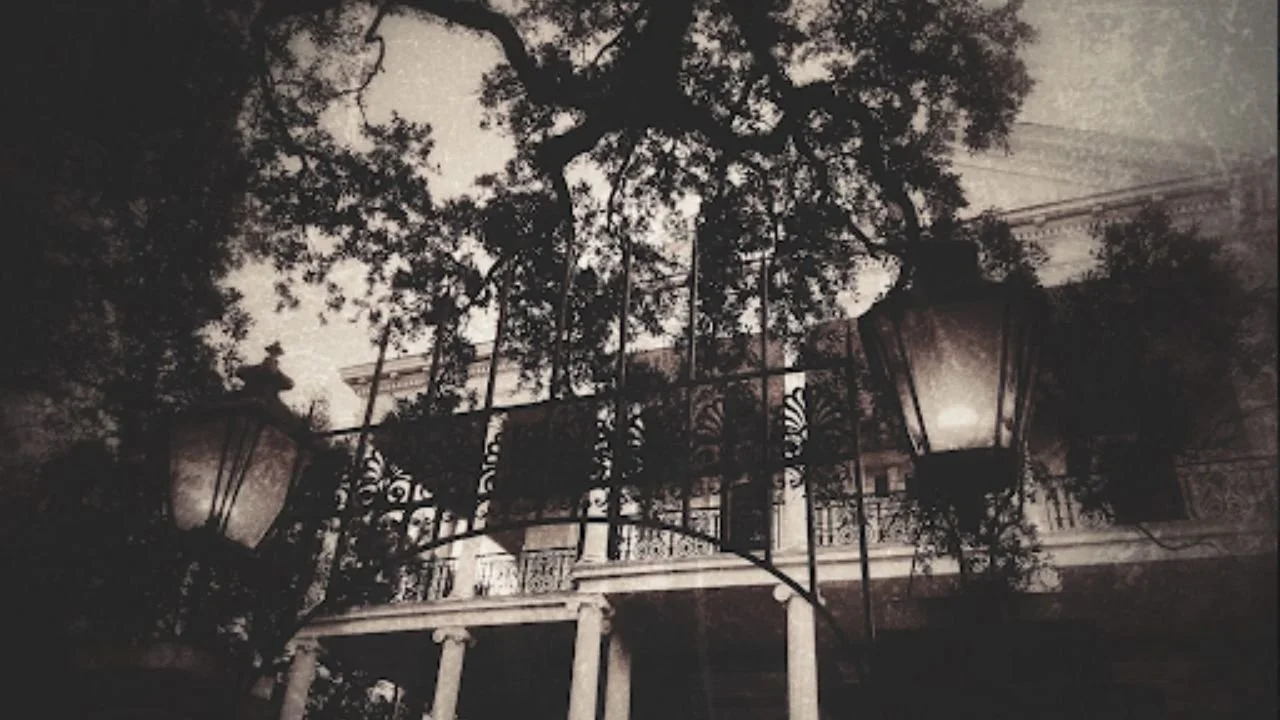
A spooky building in New Orleans

Responsible ghost narratives matter because many stories come from real lives. Real people suffered during wars, disasters, epidemics, and accidents. Their experiences deserve respect. Ethical ghost storytelling protects those experiences by avoiding myths that cause harm. It blocks false claims that distort cultures, events, or communities. It also prevents stories that support stereotypes or erase injustice.

Responsible storytelling also protects living families who still feel these losses. Haunted stories carry emotional weight, and careless versions may trigger real pain. Ethical narratives treat that emotional weight with care. They honor the people involved instead of turning them into entertainment.

How Truth Strengthens Haunted Storytelling

Truth adds power to haunted stories. Real history often feels more chilling than invented scenes. Authentic details deepen the atmosphere and raise stronger emotions. When people hear the truth, they sense its depth. They recognize that the fear came from actual events, not sensational fiction.

This is why truth in ghost tours creates lasting impact. Factual details build trust. They also help listeners understand how communities changed through hardship and growth. True stories reveal complex emotions tied to specific places. They carry shadows that fiction cannot replace. The mystery grows stronger because it remains tied to reality.

Principles Behind Ethical Ghost Storytelling

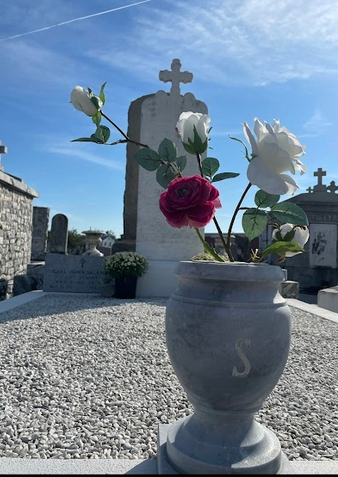
A marble vase with white and red roses placed on a grave, with tombstones and crosses in the background under a clear blue sky

Ethical storytelling follows clear, careful principles. Narratives must be based on documented sources. Legends must be reviewed for accuracy. Sensitive events must be presented with dignity. Harmful stereotypes must be removed. Cultural traditions must be handled with respect. Ethical ghost storytelling avoids dramatic twists that distort truth. It also avoids stories that erase cruelty or support harmful myths.

Some past events remain painful for families. Ethical practice avoids these stories when they risk causing distress. This respect protects living communities while honoring those no longer alive. Responsible storytellers study history, culture, and memory. They treat supernatural claims with neutrality and care.

Why Ethical Storytelling Creates Deeper Engagement

Audiences seek connection when hearing ghost stories. They want to understand how places carry their past. They want a clear history with a strong atmosphere. When stories stay truthful, listeners trust the narrative. They sense authenticity. They recognize that history shaped real lives. Ethical ghost storytelling meets this desire by blending mystery with meaningful knowledge.

This deeper engagement encourages learning. It helps listeners understand the emotional landscape behind haunted locations. Ethical stories turn ghost tales into pathways for insight rather than shock.

The Role of Respect in Haunted History

Sensitivity guides every part of respectful haunted history. Haunted stories come from moments of suffering, confusion, or fear. These moments require careful treatment. Respect means avoiding jokes about tragedy. It means avoiding claims that mock victims. It means recognizing some personal biases we may have.

Respectful storytelling also protects historical truth. It prevents myths that erase injustice. It stops narratives that praise harmful systems. This protects the dignity of the people connected to haunted sites. Respectful haunted history teaches that darkness can be presented without cruelty. The atmosphere remains intense, but humanity comes first.

How Ethical Narratives Shape Public Memory

Public memory grows through the stories communities tell. Myths can reshape history in harmful ways. False stories can blame victims or praise harmful practices. Invented tales may overshadow real events. Ethical ghost storytelling protects public memory by blocking these distortions. It keeps the past clear and honest.

Accurate narratives also teach listeners how society changed over time. They reveal patterns of struggle, survival, and cultural growth. Ethical stories encourage thoughtful reflection rather than fantasy-based fear.

Why Audiences Seek Truth in Haunted Stories

Many people choose ghost stories because they want to feel real emotion. They want to explore something unknown without losing their grounding. They want stories that feel honest and meaningful. Truth brings structure to that search. When audiences hear truthful haunted stories, they feel a deeper connection to the location. They see ghosts as symbols of memory rather than props.

Truthful stories also help audiences understand how communities cope with loss. They show how families honor their dead. They highlight how cities preserve memories through legend and architecture.

Cultural Traditions Around Hauntings and Spirits

Different cultures respond to hauntings in unique ways. Some cultures honor spirits through offerings. Others tell legends meant to warn children or teach moral lessons. Some cultures focus on healing from the spirit world during times of unrest. Ethical ghost storytelling shares these traditions with fairness and respect.

These stories help audiences understand how people process fear and grief. They reveal the shared human need to explain strange events. They show how cultures give meaning to what cannot be explained.

Cultural stories also reflect local beliefs about the afterlife. They remind listeners that ghost stories exist in many forms across the world. Ethical storytelling presents these traditions as cultural knowledge, not exotic curiosities.

How Ethical Practices Prevent Harmful Narratives

Ghost stories sometimes repeat harmful ideas. They may support racist ideologies. They may distort events tied to violence. They may create false claims that praise harmful systems. Ethical ghost storytelling blocks these narratives. It avoids tales that erase suffering. It removes elements that romanticize oppression. It also avoids stories that present cruelty as entertainment.

Ethical practice builds protection around history. It keeps stories balanced and thoughtful. It recognizes the power stories hold within public memory. Ethical storytelling prevents misuse of that power.

The Power of Real Fear in Ethical Stories

Some assume ethical stories lose their fear. They believe accuracy removes excitement. Real events show the opposite effect. Historical details often create stronger emotion than fantasy. True events hold natural tension, unanswered questions, and quiet horror. Real fear grows from knowing someone experienced that moment.

Ethical ghost storytelling uses that natural tension. It avoids fake twists because the truth holds enough weight. Atmospheric details remain strong. Mystery remains present. Ethical methods respect the emotional core of haunted locations while keeping fear grounded in reality.

Why Trust Matters in Haunted Storytelling

Audiences want to trust the stories they hear. They want to know the information was researched. They want to know the narrative respects local communities. Ethical storytelling builds that trust. It signals that the story protects dignity and accuracy. It assures listeners that no details were added for shock.

Trust also helps audiences relax. It allows them to explore haunted places with curiosity rather than doubt. It encourages people to ask thoughtful questions and reflect on complex events. Ethical storytelling creates an open, secure learning space.

How Ethical Stories Promote Understanding of the Past

Ghost stories often reveal how communities faced hardship. Ethical stories present these moments as history rather than fantasy. They show the emotional impact of trauma. They reveal how people coped with fear, illness, disaster, and violence. They offer insight into cultural grieving practices.

These stories help listeners understand the broader human experience. They show how societies carry pain forward. They reveal how memories stay tied to physical spaces. Ethical ghost storytelling enriches understanding of cultural identity and collective memory.

Long-Term Impact of Ethical Ghost Storytelling

Ethical ghost storytelling leaves lasting impressions. Audiences carry the stories long after hearing them. They remember honesty. They remember the emotional weight behind the history. They develop a deeper respect for haunted locations. Ethical storytelling encourages people to approach other historical sites with the same thoughtfulness.

This approach preserves the past without blurring the truth. It also strengthens cultural knowledge and promotes responsible engagement with dark history. Ethical stories remain powerful because they feel authentic and meaningful.

Conclusion

Ethical ghost storytelling ensures that haunted stories honor real lives and real history. It keeps narratives grounded in truth and protects public memory from distortion. It treats cultures with fairness and respects both the living and the dead. Ethical methods show that ghost stories can be atmospheric, mysterious, and deeply moving without harming memory or inventing false claims. This approach strengthens understanding, protects the past, and creates meaningful encounters with the supernatural world. Hottest Hell Tours explores unsettling events and ponders over the core issue of what ghosts mean to us. Our guests finish their journeys with compelling insights and a deeper appreciation of the history of New Orleans.

The Hidden Fires: Remembering the Upstairs Lounge Tragedy

June 24, 1973, will forever be remembered as a fateful day in the history of New Orleans. Upstairs Lounge, a gay bar, was torn apart by a flash fire. In just 15 minutes, it took the lives of 32 innocent people. Survivors were critically injured. The fire didn’t even spare those who escaped. They were forever traumatized with visions of people getting burned while they were unable to do anything.  

Neither the politicians nor the Catholic Archbishop had any words of sympathy for the dead and the injured. In fact, many families did not claim their family members’ bodies. The truth still raises questions that continue to guide research and memory today.

Hottest Hell Tours often explores the city’s hidden stories, the ones shaped by loss, courage, and cultural change. Our tours highlight historical accuracy and ethical storytelling, so you can reflect on the meaning behind the occurrences. 

A Safe Place in a Dangerous Time

The early 1970s were an arduous time for LGBTQ people in New Orleans. They remained hidden from the public. Expressing their opinions on sexuality was not something that they could engage in. This section of the population was tucked away ‘in the closet.’ The only place they could mingle with others was bars that served the gay community. 

Visitors often joined gatherings that mixed humor, compassion, and shared hope. Survivors described the space as warm and welcoming. The community inside felt connected through deep trust built across many difficult years. That sense of belonging made the events of that night even more heartbreaking.

Fire Begins and Panic Spreads

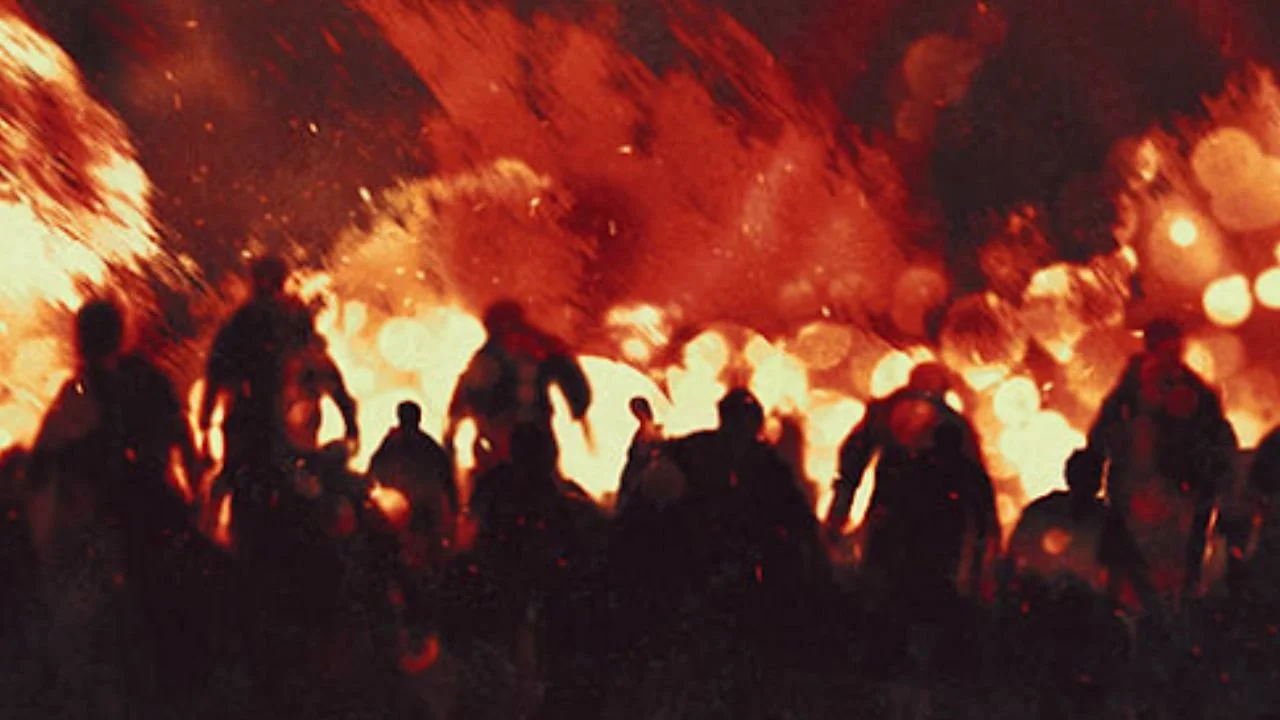
A group of people stands together in front of a large fire

After the Sunday service on June 24, people started smelling gasoline. Unfortunately, they didn’t think it would have escalated into a big tragedy. A little before 8 p.m., there was a ring on the door. On any other day, it indicated the arrival of a taxi. But this was not the case today. The taxi was never called for by anyone. When the door was opened, a fireball burst into the room. Within a few minutes, it spread like wildfire. 

The next thing one could see was ceiling tiles, wallpaper, and everything else catching fire. Historical accounts describe desperate attempts to break windows and push through locked gates. Bill Larson ran the Sunday service. He met a tragic end, burning in full view of people who couldn't do anything to help.

“It was very difficult to see. I had blood on my shirt from helping somebody. It was terrible. It was the worst thing I ever experienced in my life.”

- Ronnie Rosenthal, UpStairs Lounge fire survivor

The Investigations and Controversies

Legal files show that the official investigation faced many limits. The final report listed the cause as “undetermined,” despite strong suspicion of arson. Several statements suggested a possible suspect, yet no arrest occurred. Many families believed the case deserved a deeper review, but the process stalled without resolution.

Newspaper records reveal that many reporters used biased language when describing the victims. Public officials offered brief statements with little empathy for grieving families. Public funerals for the victims received minimal coverage, and many relatives struggled to arrange respectful services.

The event showed how prejudice shaped responses to tragedy. The silence and neglect added more pain to the survivors who already suffered deep loss.

The Long Shadow on the LGBTQ Community

: An image of a memorial flame

The Upstairs Lounge fire highlighted the vulnerability of LGBTQ people during that era. Many survivors feared discrimination if they spoke publicly. Some avoided the media to protect their jobs or families. The tragedy pushed activists to demand change and recognition. It also inspired stronger support networks across the city.

The fire became a symbol of resilience for many groups. Community leaders later organized memorials, scholarships, and historical projects. These efforts helped preserve stories that might have been forgotten. 

The Human Stories Behind the Headlines

Many people inside the bar that night belonged to the Metropolitan Community Church, a group supporting LGBTQ Christians. Their Sunday gatherings often brought comfort to people facing exclusion from other religious spaces. Several choir members were present that night, singing and celebrating friendship shortly before the fire began.

Some visitors attempted to help others reach safety, showing bravery during overwhelming fear. Survivors shared stories of individuals guiding friends toward broken windows, shielding others from flames, or pushing open jammed doors. Their actions created powerful examples of solidarity during extreme danger.

Only a small number of families spoke about their loved ones in the years that followed. For many, it took a long time to share anything at all, as some families felt uncomfortable acknowledging their queer relatives.

A Site Marked by Memory and Loss

The building where the fire occurred still stands in the French Quarter, and a plaque now marks the site to honor  the victims. The original plaque was stolen not long ago, but it has since been replaced. Visitors often pause here to reflect on the tragedy, though ghost stories sometimes overshadow the real human loss. Ethical historians caution against using tragic events for entertainment without respect for survivors.

Some storytellers highlight the emotional weight of the location by focusing on the community’s courage. Many preservation efforts strive to prevent sensationalism and protect the dignity of those who suffered. The site represents both trauma and strength, reminding travelers of a painful chapter in the city’s past.

Modern Recognition and Reconciliation

In recent years, city officials and faith leaders have offered public apologies for the silence that followed the tragedy. Memorial services now draw visitors from many backgrounds, including local officials, historians, and LGBTQ advocates. Supporters gather to reflect on the lessons of the fire and to honor those who lost their lives.

The city of New Orleans has worked to preserve the memory through plaques, murals, and educational events. Public schools and museums often use the story to teach about discrimination, resilience, and civic responsibility. These efforts promote respectful remembrance and deeper understanding.

The Upstairs Lounge Fire in Today’s Culture

Many books, plays, and documentaries now explore the Upstairs Lounge fire. Filmmakers and authors rely on archival materials, court files, and interviews to present accurate accounts. The tragedy has inspired thoughtful works that respect the victims and avoid sensational details.

Researchers continue exploring unanswered questions surrounding the event. Historians analyze how prejudice shaped both the investigation and public response. Their work encourages more open conversations about safety, acceptance, and civil rights.

Significance of the Fateful Day

The LGBTQ flag

The Upstairs Lounge fire did not involve any supernatural elements. Yet, the lives it took give it a fitting place in the haunted history of New Orleans. This is especially true for the survivors and the escapers. They continue to be haunted by the things they saw. 

On the positive side, the fire heralded a change in the LGBTQ history of New Orleans. It forced people to think about the safe spaces for these individuals. The fire also signified activism and unity. The event is remembered with various plays and memorials. In this regard, something worth mentioning is Upstairs Inferno, a documentary movie. It digs deep into the day’s event and its consequences. The movie captures real survivor accounts. Thus, it makes the event a pivotal tenet of LGBTQ history.

A Legacy That Continues to Shape New Orleans

The tragic fire changed the city's relationship with the LGBTQ community in lasting ways. It revealed painful truths about bias within social institutions, including law enforcement, government, and religious groups. The tragedy forced the city to rethink attitudes that once allowed silence to overshadow justice.

Today, the event stands as a powerful reminder of how communities evolve through loss and reflection. The story brings people together to remember, learn, and protect future generations from similar harm.

Final Reflection

The Upstairs Lounge tragedy shaped the city’s identity and continues guiding its path toward dignity and equality for all people. At Hottest Hell Tours, we help preserve stories like these with historically accurate tours. Founded by local historians, our vision is to keep New Orleans’s most important memories alive for the present and future generations. Take one of our tours and feel the stories that will always be a part of the city’s soul. 

FAQs

1. What was the Upstairs Lounge fire?
The Upstairs Lounge Fire was an unresolved arson fire at a gay bar in New Orleans. It happened on June 24, 1973, and left 32 dead. 

2. Why is the Upstairs Lounge fire important today?
This fire was a brutal onslaught on the LGBTQ+ individuals. It's a reminder of how hate can brainwash people into acting like monsters. This fire birthed the local gay rights movement, which has achieved much progress since then.

3. Was anyone ever charged or convicted for the fire?
No one received any charges for this deadly attack. It’s shocking that something that took so many innocent lives still does not have a named perpetrator.

4. How does New Orleans remember the victims now?
New Orleans remembers its victims through annual parades and ceremonies and memorial sites. The second line parade is a New Orleans-style jazz funeral to honor those who lost their lives.  

Haunted Traditions: How Different Cultures Honor the Dead

Every culture has its ghosts. Some whisper from the corners of old houses; others are welcomed back with flowers, music, and light. Across the world, honoring the dead is an act of respect. It’s a way to keep love and memory alive. It's about connection, not fear, that people reflect on remembrance through ritual, song, and flame.

At Hottest Hell Tours, we believe the past is never truly gone; it lingers in stories, footsteps, and echoes that still shape the living. In many places, the boundary between worlds isn’t meant to frighten. It's meant to be lifted with respect and wonder.

By exploring who celebrates Day of the Dead, these haunted traditions remind us that remembrance is not just about honoring the past, it’s about defying the silence of forgetting.

México: Día de los Muertos: A Homecoming Through Time

People often ask who celebrates the Day of the Dead, and the truth is, its roots run deep in Indigenous tradition. Every year in November, homes and cemeteries bloom with marigolds, candles, and sugar skulls. Ofrenda altars overflow with food and photographs of the departed.

Long before Catholic missionaries arrived, the Aztecs and other Nahua peoples held month-long festivals honoring Mictecacihuatl, the Lady of the Dead. The Spanish folded these rituals into All Saints’ Day and All Souls’ Day, but the Indigenous essence remained: death is not an ending; it's a homecoming.

The locals still believe that their loved ones return each year with the sense of love and to share in food, music, and memory. Every candlelit graveyard pulsates with the celebration, a beautiful rebellion against fear itself.

New Orleans: Where Memory Never Sleeps

No city understands coexistence with the departed quite like New Orleans. Here, cemeteries rise above ground, jazz funerals play through the streets, and remembrance is a public art. 

There isn’t a single day set aside to honor the dead, yet the spirit of remembrance lives on in second lines, candlelight vigils, All Saints’ processions, and quiet visits to family tombs. 

In this city, the living walk hand in hand with memory; every brass note along with dance steps becomes both a tribute and a celebration of life. 

It’s a rhythm that Hottest Hell Tours follows with reverence, inviting visitors not just to see the city’s haunted side but to understand the deep love and respect that keep its stories alive.

Japan: Obon: When Ancestors Come Home

During the month of August, Japanese families hang glowing chochin lanterns to guide ancestral spirits back to the realm of the living. During Obon, the air hums with quiet reverence rather than mourning.

Family members perform the centuries-old Bon Odori, a dance meant to welcome souls home, as altars are cleaned and incense curls upward like whispered prayers.

It’s not about haunting in the Western sense; it's about maintaining a connection. In Japan, spirits are never “gone.” They coexist within a delicate balance of respect, gratitude, and seasonal ritual.

Haiti: Fèt Gede, The Festival of the Dead

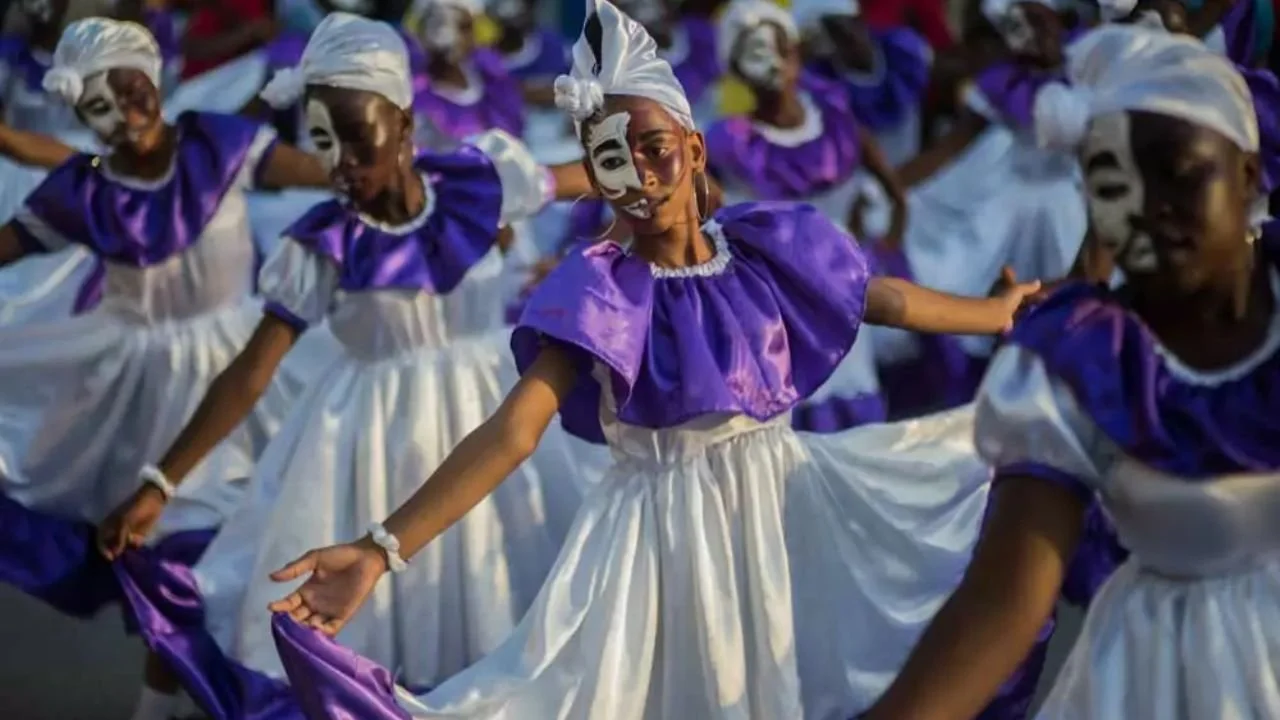
In November, the first day in Haiti belongs to the Gede, spirits who govern death and fertility in  Vodou tradition. It’s loud, raw, and alive, a mix of drumming, rum, purple scarves, and prayers.

During the time at the cemeteries, you’ll find that offerings of coffee laced with pepper or cigarettes are left for Baron Samedi and Maman Brigitte, guardians of the graveyard gates.

Fèt Gede doesn’t mourn the dead; it celebrates their endurance. In a nation forged through revolution and survival, the Gede represent laughter in the face of mortality, proof that even death must dance.

France and Spain: La Toussaint and El Día de Todos los Santos

Across France and Spain, November 1st is solemn rather than spooky. The families often visit cemeteries carrying chrysanthemums, flowers of memory and endurance. Graves and the surroundings are scrubbed, candles lit, and prayers whispered during the period of time.

Though quieter than Latin America’s Day of the Dead, these observances share a similar intent: remembrance as duty. The living tend the dead not because they fear them, but because love, once forged, must be maintained.

The Philippines: Undás - A Night in the Cemetery

In the Philippines, Undás transforms graveyards into glowing villages of remembrance. Families light candles, lanterns, and even strings of colored bulbs to illuminate the resting places of their loved ones. 

You’ll see families gathering with food, guitars, and candles–remembering their loved ones and spending the night beside the tombs of ancestors.

It’s both reunion and ritual laughter mingling with prayer, children playing near gravestones, and the smell of grilled food blending with melted wax.

Colonial Catholicism once framed this practice as All Souls’ Day, but Filipino culture made it something more intimate: an assertion that the dead are not to be hidden from but welcomed home.

West Africa: Egungun and the Masked Ancestors

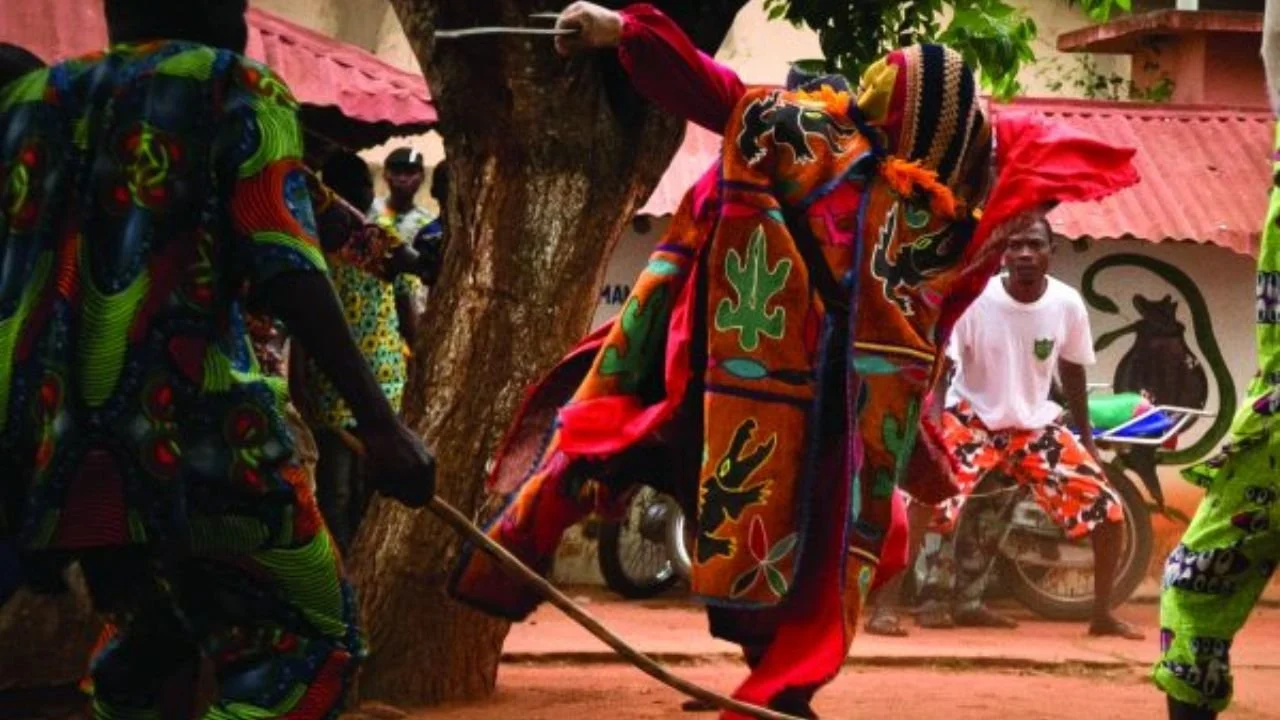
Among the Yoruba people of Nigeria and Benin, ancestral reverence takes on an embodied form during the Egungun festivals. Dancers wearing elaborate masks and layered cloths become temporary vessels for the spirits of the dead.

Drums pound, crowds cheer, and the air thickens with reverence and awe. The Egungun are not ghosts to be feared; Egungun are ancestral spirits who return to the living world during special masquerade festivals. It is believed that they represent the collective spirit of ancestors, rather than individual ghosts haunting people. 

They are honored presences ensuring the moral health of the living. To see them dance is to witness history taking flesh.

Why We Keep Calling the Dead Back

Whether it’s Mexico’s marigolds, Japan’s lanterns, Haiti’s drums, or Yoruba’s dancers, each tradition carries the same truth: to honor the dead is to reaffirm life.

The dead do not vanish; they transform. We keep something sacred alive, a thread between centuries, between sorrow and joy, between what was and what refuses to be forgotten.

Because haunting, in the end, isn’t only about ghosts. It’s about memory that won’t let go and shouldn’t.

Ghosts of Yellow Fever: The Real Tragedy of 1853

In the summer of 1853, New Orleans was not just a city of jazz, joy, and river trade; it was a city filled with the plague. The enemy was the mosquito, visible, buzzing, and dangerous.: yellow fever. By the time autumn arrived, the epidemic had claimed nearly 9,000 lives, leaving a haunting legacy that would shape the city’s identity for generations.

The City of Golden Death

Back in the late 1800s, New Orleans was one of the busiest ports in America. The streets buzzed with sailors, immigrants, and traders from across the world. But along with cargo and dreams, the ships also carried mosquitoes, tiny vessels of death no one yet understood.

The fever struck fast and without mercy. At first came the chills, the pounding headache, and the rising temperature. Then the eyes turned yellow, and the body followed, its blood poisoned by the unseen hand of the Aedes aegypti mosquito. Locals called it “the Black Vomit,” a grim reference to the final, horrifying symptom before death.

By August, the bells of St. Louis Cathedral tolled almost constantly. Coffins became scarce. The air itself felt heavy with fear and decay. Every home had a story of loss, and every street echoed with mourning.

Heroes Among the Horror

Amid the chaos, there were doctors, nurses, and nuns who worked tirelessly. They took care of people at considerable personal risk. Many didn’t survive long enough to see the epidemic’s end. The Sisters of Charity tended to patients in makeshift hospitals, their white habits stained with sweat and fear.

Dr. Warren Stone, one of the city’s leading physicians, fought to understand the disease, though no one yet knew mosquitoes were the culprits. Quarantines were enforced, fumigation was tried, and even cannon fire was believed to cleanse the air. Nothing worked.

In those desperate months, courage took quiet forms: a nurse who refused to abandon her patients, a priest who gave last rites to hundreds, or a gravedigger who buried strangers when no one else would.

A City Forever Marked

By late November 1853, as the air cooled, the fever’s grip began to loosen. But New Orleans would never be the same. Nearly one in ten residents had died. Entire families were gone, leaving behind empty homes and silent streets.

Even today, the tragedy’s story inspires the city to cherish life and honor its resilience. It wasn’t just about mourning. It was about remembering the sacrifices of the people who made it out of the tragedy. From that grief grew the traditions of remembrance still alive today: candlelight vigils, jazz funerals, and the belief that death is simply another chapter of the story.

Every year, when the summer air grows thick, locals still whisper about the ghosts of 1853. Not the kind that rattle chains, but the ones carried in memory in the way the city honors its dead with music, color, and love.

Pic Info: the picture depicts how they were fleeing by foot from a yellow-fever outbreak (Bettmann / Getty)

Walking Among Shadows

For those who wish to explore the city’s past more deeply, a stroll through the French Quarter can feel like walking through history itself. The architecture, the cemeteries, and even the air seem steeped in echoes of that summer.

Pair your visit with a storytelling experience with Hottest Hell Tours, where history meets haunting truth. Guides weave tales that honor the real people lost to the fever, stories not of fear, but of endurance and remembrance. It’s a reminder that even in tragedy, New Orleans found a rhythm, a resilience, and a reason to keep dancing.

Legacy of the 1853 Epidemic

Even today, people recognize the 1853 yellow fever epidemic as one of the deadliest in U.S. history. One that led to a drastic change in perspective. It changed public health forever. The epidemic led to sanitation reforms, drainage projects, and the eventual discovery that mosquitoes were the carriers.

But beyond science, it left something more intangible: a memory woven into the city's soul. To walk through New Orleans is to walk with ghosts, but they’re not here to haunt. We need them to remind us how fragile life can be and how fiercely the human spirit fights to survive.

The Pharmacy Museum: When Medicine Met the Macabre

Tucked away in the heart of the French Quarter, the New Orleans Pharmacy Museum rests quietly along Chartres Street. Yet the moment you step inside, history awakens. 

Rows of bottles, worn labels, and jars of curious tonics murmur tales from an age when medicine was equal parts mystery and magic.

To truly feel the city’s pulse beyond these walls, pair your visit with Hottest Hell Tours, a journey that walks you through New Orleans’ haunted past, revealing a story behind every corner.

A Glimpse into 19th-Century Healing

The museum was once the real-life apothecary of Louis J. Dufilho Jr., America’s first licensed pharmacist. In 1823, his shop became a symbol of progress, a place where science finally began to replace superstition. Yet, in true New Orleans fashion, the line between the two never fully disappeared.

Shelves still hold bitters and bloodletting tools, leeches preserved in glass, and herbal mixtures meant to soothe everything from heartbreak to fever. Visitors can almost imagine a doctor in a top hat walking in, looking for something to quiet a restless spirit as much as a restless cough.

When Medicine Danced with Mystery

In the 1800s, the practice of medicine wasn’t just about health; it was about hope. People came seeking cures, not all of them medical. Love potions, Voodoo remedies, and elixirs claiming to summon positive fortune were all part of the trade. The city’s culture, rich with African, Caribbean, European, and Native American influences, shaped how people understood the body and the soul.

This mix of faith, folklore, and early science is what makes the museum so hauntingly beautiful today. Every bottle tells a story, some of healing, others of heartbreak, and a few secrets best left on the shelf.

A Walk Through the Shadows of History

Visitors don’t just learn about medicine; they step into an era when belief was stronger than proof. There are surgical tools that make you shiver and beauty treatments that seem better suited for ghost stories than human skin. Yet, it’s all real. 

The same streets outside that once echoed with jazz also carried the cries of yellow fever victims and the prayers of those desperate for a cure.

For those curious enough to look deeper, Hottest Hell Tours offers the perfect way to extend the story beyond the museum’s apothecary shelves. After exploring its collection of elixirs and oddities, step back into the Quarter to follow the city’s darker heartbeat, where history, medicine, and myth still walk side by side.

Echoes That Refuse to Fade

What makes this place unforgettable isn’t just what’s on display; it's what lingers in the air. The scent of old wood and herbs and the faint hum of history remind every visitor that New Orleans never forgets its past.

When you step back onto the street after leaving the museum, there is something that you can still feel. Maybe it’s curiosity. Maybe it’s respect for how far medicine has come. Or maybe, it’s that familiar New Orleans feeling that the past is never truly gone, just quietly waiting to be remembered.

Where Science meets Spirit

At the end of the day, the New Orleans Pharmacy Museum isn’t just a collection of old bottles and bones. It’s a love letter to a city that finds beauty in both decay and life. 

Here, the story of medicine becomes a reflection of New Orleans itself: curious, compassionate, and somewhat haunted.

Those who visit walk away with more than history; they carry a piece of the city’s eternal rhythm, one where life and death dance together, forever in step.

The Woman in White Around the World: One Ghost, Many Names

She drifts through forests, riverbanks, and lonely roads, her dress pale as moonlight and her sorrow echoing across centuries. In Mexico, the woman in white may be called La Llorona. In Japan, Onryō. In England, The Grey Lady. Each legend speaks of a grieving woman, wronged in life and restless in death.

This figure is not tied to one nation or story; she crosses borders through shared fears of loss, betrayal, and justice denied. From whispered warnings to public hauntings, her image survives because it reflects something universal; how grief itself haunts the living

Experience similar tales of restless spirits firsthand on our Walking the Devil’s Empire™ Tour, an adults-only night tour delving into New Orleans' haunted history and wicked characters.

A World Tour of the Woman in White

While the core narrative is consistent, the specific details of her story change from one country to the next. Across the globe, her presence shape shifts; each culture interpreting the same sorrow through its own stories.

The Weeping Mother of the Americas: La Llorona

In the southwestern United States, she is La Llorona, or The Weeping Woman. Her legend is a cornerstone of folklore. The most common version tells of a beautiful woman named María. After being betrayed by her lover, she drowns her children in a river in a fit of rage or despair.

The moment she realizes what she has done, she is consumed by an impossible grief. Her chilling wails are said to be an omen, a warning of misfortune or even death.

The Vengeful Spirit of Southeast Asia: The Pontianak

In Malaysian and Indonesian folklore, the Pontianak is the spirit of a woman who died in childbirth. Her story speaks of pain, injustice, and emotions left unresolved. Locals say her arrival is marked by the scent of frangipani flowers; a quiet warning that sorrow still lingers. The Pontianak embodies collective fears surrounding life, death, and the power of grief when it remains unhealed.

The Wronged Servant of Japan: Okiku

Japan has its own tragic spirit, as exemplified in the story of Banchō Sarayashiki. This tale centers on a servant named Okiku. A man, wanting to force her into a relationship, hides one of ten precious Delft plates and accuses her of losing it.

In some versions, he kills her. In others, the terror of the accusation causes her to fall into a well and die. Her ghost now haunts the well, counting plates. She counts from one to nine, and then she lets out a blood-curdling scream because she cannot find the tenth. Her eternal torment is the endless repetition of this moment of panic and injustice.

The Localized Specter of the Philippines: The White Lady

In the Philippines, the legend is simply known as the White Lady. These ghosts are often tied to specific locations, like Balete Drive in Quezon City. The stories vary. One might be a young woman who was raped and murdered, now haunting the road where she died.

Another might be a jilted lover who took her own life and now appears to lone motorists. Like her global sisters, the White Lady is a localized spirit, her personal tragedy forever imprinted on a particular place.

Why White? The Color's Significance

White carries different meanings across cultures, but certain themes repeat. In many traditions, white represents death and mourning. Ancient Romans wore white to funerals. Asian cultures use white burial clothes. The color symbolizes the boundary between life and death.

White also suggests purity, innocence, and vulnerability. Many women in white ghost stories emphasize the victim's innocence, making their tragic fate more poignant. The contrast between the pure white dress and the violent, unjust death creates powerful symbolism.

Practically speaking, white stands out in darkness. A figure in white appears clearly on moonless nights, making these ghosts more visible and frightening. The color creates an otherworldly appearance that immediately signals something supernatural.

In America, the women in whites' legend or woman in white's represents the story of a grieving mother. Her eternal punishment is to wander near bodies of water for eternity, weeping and searching for her lost children.

Ready to Meet the Woman in White Yourself?

Curious about the real stories behind the woman in white and her many faces across the world? At Hottest Hell, we bring these chilling legends to life through guided tours that uncover the deep history and haunting truths behind New Orleans’ most talked-about spirits.

Our storytellers don’t just share ghost tales; they connect you to centuries of myth, fear, and mystery woven into the city’s past. Join one of our guided experiences and learn how New Orleans’ own haunted history intertwines with these timeless global legends.

The Rougarou: Louisiana's Werewolf and the Fear That Fed It

Picture this, you're walking through the cypress swamps at dusk. The air is thick and still. Spanish moss hangs like curtains from ancient trees.

Then you hear it: something moving through the water that sounds too big, too deliberate to be an alligator. Your grandmother's warning echoes in your mind: "Stay out of the swamps after dark, or the Rougarou will get you." For generations, Louisiana children have grown up with this threat hanging over their heads. 

The Rougarou

Visually, it is often depicted as a being with the head of a wolf or a dog and the muscular body of a man. Other descriptions portray a hulking, humanlike figure covered in thick, matted hair, with eyes that glow with a predatory fire and claws sharp enough to tear through cypress bark.

The Rougarou is Louisiana’s distinctive version of the European werewolf legend. It is not a direct copy but a Rougarou story that was transformed by its new environment, adapting perfectly to the humid, shadowy, and often treacherous world of the Southern swamp. It evolved into something entirely unique to its setting.

A Myth Across the Ocean: The Origins of the Rougarou

The legend did not spring spontaneously from the swamp waters. 

French Canadian immigrants and colonists brought their stories of the loup-garou to Acadiana, the region now known as Louisiana. The word Rougarou itself is a local linguistic evolution of the French term.

When these settlers arrived, their tales collided with the powerful and intimidating atmosphere of the Southern swamps. The landscape itself seemed to feed and reshape the myth. 

The dense, lingering fog, the dissonant chorus of wildlife, and the profound isolation of the bayou created the perfect incubator for a creature of legend.

The legend was then further shaped and cemented by the rich culture of Cajun and Creole communities, becoming a cornerstone of their oral folklore.

How Someone Becomes a Rougarou

The legend suggests that becoming a Rougarou doesn’t happen by chance. In old Louisiana tales, certain actions or encounters could invite the curse. 

Some versions warn that breaking sacred traditions for several years might draw it near. Others say the curse could pass from one person to another; through a bite, a scratch, or even the sharing of a dark secret.

A few later stories mention magic or curses, though these details vary across regions. One recurring belief says that if a Rougarou attacked you, silence was your only protection. If you revealed what happened within 101 days, you’d remain trapped in that form forever.

According to folklore, the change took hold at night. The person’s human nature would fade beneath a restless hunger, returning at dawn with no memory of what had transpired.

The Rougarou's Hunting Grounds

The swamps naturally attract Rougarous! Louisiana has no shortage of dark, mysterious wetlands where something could hide. The Honey Island Swamp, located between New Orleans and Slidell, became particularly famous for Rougarou sightings.

The Rougarou’s legend is rooted in the Louisiana landscape itself. Swamps and wetlands, especially places like the Honey Island Swamp between New Orleans and Slidell, were often mentioned in early sightings. But folklore didn’t confine the creature to those murky waters.

Historically, the Rougarou was said to roam the fields, the quiet crossroads, and the edges of small settlements; places where night fell quickly, and workers or travellers shared stories to explain the strange sounds in the dark. These tales often carried lessons about caution and respect for the unknown, passed down through generations in Louisiana’s French-speaking communities.

The Rougarou preferred hunting alone. It went after people who wandered away from safety, especially children who disobeyed their parents or adults who shirked their religious duties.

How to Protect Yourself

If you lived in old Louisiana, you'd want to know how to stay safe from this creature. People developed several strategies over the years.

The simplest method was to follow Catholic practices religiously. Don't eat King Cake after Lent. Attend church. Say your prayers. If you were right with God, the Rougarou supposedly left you alone.

Physical protections existed, too. Some people said that scattering 13 objects near your door would stop a Rougarou. The creature would feel compelled to count them, but since it could only count to 12, it would get stuck in an endless loop until sunrise drove it away.

Drawing blood from the creature was another defense. If you could cut or stab a Rougarou and make it bleed, the spell would break. The creature would transform back into a human right before your eyes. Of course, this required getting close enough to a seven-foot werewolf to attack it, which took more courage than most people had.

The Rougarou Today

The legend hasn't died out. In fact, it has experienced a revival in recent years. Louisiana communities have embraced their werewolf as a point of cultural pride.

The city of Houma hosts an annual Rougarou Fest that celebrates Cajun culture and folklore. Thousands of people attend to enjoy music, food, and activities centered around the legendary creature. 

The festival shows how a creature once used to frighten children has become a beloved symbol of Louisiana heritage.

Local businesses use Rougarou imagery in their marketing. Restaurants serve "Rougarou gumbo." Breweries make "Rougarou beer." Gift shops sell stuffed Rougarou toys for tourists. The creature has been commercialized, but it remains an important part of Louisiana's identity.

Schools teach students about the Rougarou community preserved through oral tradition. Teachers explain how the legend connects to French ancestry and Catholic faith. It becomes a way to explore history, not just tell scary stories.

Ready to Hunt for the Rougarou Yourself?

Want to see where Louisiana’s most chilling legend still lurks in the shadows? Join Hottest Hell for an evening that traces the Rougarou’s roots through Louisiana’s folklore, where myth and memory intertwine in the bayou’s dark stillness.

Our storytellers don’t just talk about the legend; they take you into the heart of the bayou’s mystery, where every rustle and ripple feels alive with history. Experience the haunting history that shaped Louisiana’s most enduring legend. Book your tour today and uncover why some stories refuse to die.

The Loch Ness Monster: "Our Underwater Ally"

ness.jpg

On this day in 1934 the infamous “Loch Ness Monster” went viral-before-viral-was-thing, landing on the front page of London’s DAILY MAIL and driving thousands of monster hunters to a random lake in Scotland. But the image, despite captivating the world and seriously boosting tourism in otherwise sleepy Loch Ness, was a big ole’ fraud. It just took several decades for the dudes behind it to come clean.

Dubbed “The Physician’s Photograph” because it was submitted to the newspaper by a doctor, the famously blurry black-and-white pic was part of a scheme cooked up by the FANTASTICALLY named Maramaduke Wetherell; his sons Christopher and Ian; and their buddy Rob, who was a very respected gynecologist.

See, Maramaduke Wetherell was a famous big game hunter. (Because what else can you be with a name like Maramaduke Wetherell except a wealthy animal killer, or a cult leader living in a haunted mansion built by orphans?) Around the time of Nessie’s first sighting—reported by The Spicer Family during a leisure drive in 1933—the DAILY MAIL hired Maramaduke to hunt down whatever was hiding in Loch Ness. Described as “giant” and “prehistoric,” similar to a plesiosaur, newspaper editors assumed their bounty hunter would need experience facing big creatures. Marmaduke enthusiastically accepted the high profile gig, and returned triumphantly from his Scottish “expedition” with “foot prints” left around the edge of the lake by Nessie herself. He said the prints could only be left by “a very powerful soft-footed animal about 20 feet [6 metres] long.”

But they were not.

Natural History Museum workers examined Marmaduke’s findings, and ruled they’d been made by a dried hippo’s foot. As a famous big game hunter Maramaduke definitely had access to taxidermy animals. Plus rich people at the time used hippo feet as “umbrella stands,” which is a great example of how money is wasted on the wealthy.

It’s unclear if Duke actually made the false prints himself or simply got scammed by rich kids wielding daddy’s decor, but the paper printing the museum’s findings. Humiliated, Marmaduke retreated into the shadows and sulked. But his stepson, Christopher, had a plan to clear his pop’s name:

A sock puppet and a toy submarine.

Seriously. Chris and his bro Ian basically rigged a swan’s neck+head made out of putty onto the toy, dropped it into the water, snapped a backlit shot, and cropped the photo so the decoy looked massive. Then they had their friend Dr. Rob claim the photo was his, because his reputation was unimpeachable as a man of science. The doctored shot (SEE WHAT WE DID THERE?!) was a hit on newsstands across the country, and Marmaduke’s reputation saved.

Christopher dry snitched all of this in 1994, just before his death.

Despite the confession, folks continue to insist Nessie is real. The earliest documented sighting of “her” dates back to the 6th century, and Scottish folklore is littered with water dragons and oversized cryptids. A few years ago researchers DNA sequenced water all over Loch Ness to see if any shy dinosaurs or wayward prehistoric sharks were hiding in its depths, but all they found was evidence of fish and eels. Lots and lots of eels.

The lead researcher did say it’s “possible” some of those eels are giant, but he didn’t seem super convinced.

If you’re a fan of cryptid stories make sure you’re subscribing to our Secret Story Time over on Patreon. We’ve got a very fun piece on one of the Deep South’s mysterious and creepy creatures dropping next week at: www.Patreon.com/hottesthellpresents

Why America Is Happy Benedict Arnold, A Traitor and Dick, is Dead

BA.jpg

We’ve been talking about treason a lot in the USA lately. So what better time to say: HAPPY DEATHIVERSARY, BENEDICT ARNOLD, you dick! 

Americans despise one-time war hero Arnold because he sold us out to the British in exchange for $20K and a cushy military position. Benedickface did this by arranging for the British army to overthrow his own command post, West Point. (Yes, THAT West Point.) Once crown forces held the fort they could easily attack/defeat General George Washington, who was nearby doing military shit. 

It didn’t end up happening. There were ships and a battle, and Arnold escaped to the British side safely, but the Brits failed to take West Point. 

This isn’t a post about that battle, however. 

This is a post about how Benedict Arnold was a dick. 

Arnold lived most of his life as full-on, RAH-RAH Patriot with a capital “P.” He was the kind of gun-toting, brash military bro other men elevated as an Alpha Male, one who got into several duels because why talk it out when you can shoot someone, amiright? He was fighting as part of a militia by age 16, freaking out publicly over taxes being too high by the time he was in his 20s, and getting into fights with Congress before he turned 30. He was a straight talking, “tell it like it is” character…which meant he couldn’t execute any of the diplomatic moves or compromises necessary to rise to the highest levels of the military. 

After not getting a promotion because no one liked him, Benny decided America was actually trash. Like many men before (but mostly after) him, when the American Dream failed to make him obscenely rich, Arnold claimed it was because foreigners ruined everything. His proclamation announcing why he’d become a treasonist stated “the insidious offers of France” had corrupted the REAL America, HIS America, the America worth fighting for. (Because when you fail due to personal shortcomings obviously the problem is people from another country.) 

FWIW, no one believed Benedickfinger’s excuse for why he turncoated America. His peers in American roasted him as an insecure little bitch with daddy issues, and historians generally followed suit. A few did a solid job of documenting other times Arnold decided rules applied to other people but not him, exposing the period of time before the war when Benny was smuggling goods into the country illegally to avoid paying taxes. 

Even with a fat wad of cash and a great military gig, newly-minted “crown loyalist” Arnold couldn’t make his dreams come true. Despite his help the British never defeated Washington’s army. The traitor fled to Britain after the war ended, where he ran a few business ventures right into the ground. The Brits didn’t like him anymore than his countrymen did, and hissed at he and Mrs. Arnold when they went out to the theater. 

Benedict Arnold died in England in 1801. By that time it had been revealed the British only paid out about a quarter of the money they’d promised they would. His name was scrubbed off all monuments honoring the heroes of the Revolutionary War, and his death was celebrated with binge drinking and music. He is remembered as an entitled prat who was buried without military honors, because he had none left to be buried with. 

So remember kids: When things don’t go your way, it’s best to examine yourself and make hard internal changes. Imagine what Arnold could have accomplished if he’d just picked therapy over treason.

Fire at the Lamplighter Club, 1972 New Orleans

building.jpg

On November 29, 1972, a terrible tragedy befell a group of unsuspecting New Orleanians enjoying a quiet afternoon during the holiday season. The Lamplighter Club was a small rooftop venue at the top of the Rault Center, a 17-story building populated with offices and nice apartments. One of the few high rises in 1970s New Orleans, it boasted a skyline view from the heart of the Central Business District. The lounge attracted many affluent professionals and cocktail lovers looking for a drink with some nice scenery to the corners of Gravier and South Rampart. 

The fire started on the 16th floor, just below the Lamplighter Club. It was the middle of the day, but the bar was busy that afternoon. The Rault Center had no internal sprinkler system and the blaze quickly escalated, flames and smoke cutting off access to stairwells. As the upper floors became a literal towering inferno, some Lamplighter patrons—as well as several women in the salon on the floor beneath it—found themselves trapped. 

With daylight still shining, pedestrians and TV crews outside watching smoke rise from the building could see people pressing themselves against the large windows while calling for help. 

Firefighters arrived on the scene and were horrified to find their ladders were too short by three whole stories to reach the frantic victims. Rescuers working inside the building had no way to get to the salon or bar, where panicked professionals had been inhaling smoke and being scorched by heat for nearly 45 minutes. 

As TV cameras rolled and shocked New Orleanians watched, five bodies jumped from a blown out window. Their choice had been to burn alive, or attempt to survive the 9-story fall onto the roof of the neighboring Traveler’s building. Only one did. Natalie Vrbaskovich Smith broke both legs, her back, and pelvis, but ultimately lived to share her harrowing ordeal. The mother-of-four and wife later said thoughts of her family drove her to make the literal leap of faith. 

Jacqueline Mailho, Norris Farley, and Jannas McBeth were not so lucky, dying on impact. Wilma Williams survived the fall, but ultimately succumbed to the injuries she sustained a few weeks later. 

Meanwhile on the roof, it seemed as if 8 men were about to meet a similar fate. By this time floors 15 through 17 were completely lost to the flames, and the roof the men stood on threatened to collapse. But as they debated when and where to jump, a surprise helicopter saved the day. Piloted by John Lockwood, a former member of the British Royal Air Force now working for Offshore Helicopters in Houma, the aircraft had actually been carrying the Lamplighter’s owner, businessman Harold Masons, over the city when the fire broke out. Masons and Lockwood agreed they had to attempt to rescue the stranded men, which wasn’t exactly easy since the CBD wasn’t designed for mid-day helicopter rescues. Power lines, smoke, other buildings...it wasn't easy. 

Lockwood ended up making 3 trips total, picking up 2-3 men at a time and dropping them in front of City Hall. The roof collapsed shortly after he completed the rescue mission. 

Construction worker Charles J. Michel, who was found trapped in a stairwell, and city employee Lloyd Caldwell were rescued by firefighters but did not survive the their burns. 

The tragedy rocked the city, and tainted the property for years to come. Building lease holders streamed out, and the structure remained vacant for decades. 

The Rault Center fire, in combination with several other high profile high-rise accidents in other cities, eventually caused New Orleans to mandate automatic sprinkler systems and improve crisis response plans for tall buildings. City officials have asserted multiple times over the years that these changes have saved thousands of lives, lending a “silver lining” to the bleakness of the Rault devastation. 

The building has since been renovated and revitalized. It is currently home to The Troubadour Hotel and the Jayne Bistro, but the memory of that terrible day lingers for locals who were there in 1972. 

“It was one of the low points of my career,” one-time Fire Superintendent William McCrossen told Nola.com in 2019. “I can still kind of feel the thud when they hit the roof. It’s burned into your psyche.”

The O.G. Haunted House Story Which Inspired Hollywood

25.jpg

“The Haunting of Hill House,” “Poltergeist,” “The Amityville Horror”…living humans LOVE haunted house stories, and have ever since we moved into formal domiciles. Ghost stories are traceable back to cave drawings and Egyptian scrolls, but according to historians like Lisa Morton, the O.G. (original ghost) house story belongs to Pliny the Younger of the 1st century. 

Pliny documented in a letter the experience of his friend, philosopher Athenodorus of Athens. According to his notes, Athenodorus rented a notorious home in Athens despite warnings from locals who claimed the building was haunted. They described hearing strange sounds which were audible from the outside, including the clank of metal chains and wails of misery. Those brave enough to stand at the threshold felt a palpable foreboding, and the few skeptics who had allegedly stayed inside overnight all DIED…from never being able to fall sleep ever again. Pliny described it as “a mansion, spacious and large, but of evil repute and dangerous to health.”

But Athenodorus was like, “Good real estate be good real estate tho,” and moved his brokeass  in anyway. (“Philosopher” has never been a profession that comes with a sweet paycheck, and the price was very right.) What he encountered once inside was full-on Jacob Marley REALNESS. 

Up late writing on his very first night in the new bachelor pad, he was interrupted by the rattling of iron in another room. Gradually the sound approached him, and soon Athenodorus was having a textbook paranormal experience. Pliny was a great documentarian but not much of a showman, so allow us to translate from his underwhelming Latin into Hottest Hell verbiage: 

“So BOOM, the ghost of this old dude bursts into Athenodorus’ study looking like a meth head—rail-thin, filthy, patchy hipster beard. He’s cuffed and bound in chains like the gimp at a Dungeons and Dragons sex party. Ghost Daddy floats there moaning for a second, then starts gesturing for Athenodorus to follow him. But Athenodorus is a gangster philosopher, so tells the ghost to chill cuz he’s busy. And Ghost Daddy gets heckin’ PISSED. He starts rattling his chains right over Athenodorus’ head like a dick. Totally unable to blog under these circumstances, Athenodorus is like, ‘Fine, here’s that attention you ordered,” and agrees to go for a walk. Ghost Daddy dramatically leads his new roommate through the house, making a big show about how heavy his chainz are the whole time. When they get to the courtyard, Ghost Daddy turns to Athenodorus and just disappears like a vape cloud. Athenodorus legitimately doesn’t have time for this shit, so he marks the spot where the ghost vanished with a stick and then goes back to his Patreon post.”

The rest of the letter details how the new homeowner goes into Athens the next day, grabs the magistrates, and demands that they exhume the spot in his courtyard. And indeed, there they find a pile of human bones wrapped in chains, “putrefied and mouldered away by time and the soil.” The bones are eventually given a proper, respectful burial “at public expense”—you have to appreciate Pliny including who paid for this burial—and Athenodorus goes on to enjoy fine estate living at Motel 6 prices.

So yeah. That’s what most people agree is the very first haunted house story in recorded history. There’s accounts of ghosts that are even older than this one, but we’ll get into that on another day. 

Betty Lou Oliver: The World's Longest Free Fall in an Elevator

Betty-Lou-Oliver.jpg

Yesterday we featured legendary fighter Ruth Bader Ginsburg, today we’re celebrating a Guinness World Record holding survivor. Seriously. She won her Guinness position by not dying in spectacular fashion.

Betty Lou Oliver was working as an elevator operator in the Empire State Building on July 28, 1945, when an American B-25 smashed into the 78th floor of the famous landmark. There was a thick fog across New York that day, and the pilot hadn’t seen the structure coming. Fortunately, Oliver was not in her elevator when the plane exploded into the building, tearing a hole in the side and starting fires on multiple floors. Unfortunately, rescuers trying to get an injured Betty Lou onto a gurney and down to the ground floor put her into an elevator somewhere around the 75th floor.

The crash had sent pieces of engine like shrapnel into the building, severing the cables of the elevator Betty Lou was put in. Her weight sent the small metal box plummeting 75 stories in free fall. After a 1000ft. drop, the elevator smashed into the basement, crumpling like a tin can on impact. Betty Lou was, incredibly, still alive—though badly injured—when rescuers found her for the second time. The metal lift cables had fallen to the bottom of the elevator shaft in a coil before the elevator reached the bottom, creating a crude but effective cushion which softened the impact slightly. 

It turned out that the B-25 was a service bomber being transported from Massachusetts to LaGuardia Airport in NYC when the tragic collision occurred. The pilot, war hero Captain William Smith, had been advised by LaGuardia not to attempt a landing in such bad fog, but Smith ignored the order, got disoriented, and ended up smack in the middle of Manhattan. He, two crew members, and 11 people inside the Empire State building perished.

Betty, just 20-years-old, broke her pelvis, back, and neck. She spent months stabilizing in the hospital, but recovered fully within the year. Bizarrely, the day of the crash had been her last scheduled day on the job—she was supposed to be leaving New York City to join her husband, Oscar Lee, at Fort Smith in Arizona. That trip was, uh, obviously delayed a bit. She did eventually get there, with one a hell of a story to tell.

Betty Lou died in 1999 at the age of 74, leaving behind three children and seven grandchildren.

Ruth Bader Ginsburg and The Defective Sex’s Shared Victory

ruth-bader-ginsburg.jpg

In honor of RBG we’re spending this week featuring some of our favorite ladies who have accomplished extraordinary, often crazy, things. But before we get rolling, a very brief refresher on why folks in Louisiana should be fans of the late Supreme Court justice.

Most of y’all already know Ginsburg argued equal rights cases which benefitted widowers, fathers, working moms, and women in the military. But you may not know she helped shape how every jury in the United States is populated. And in the South that’s especially important.

Remember “Twelve Angry Men,” the drama about a dozen male jurors arguing the fate of a Puerto Rican boy who stabbed his father? It wasn’t called “Twelve Angry Jurors” because juries used to be—and this is an official legal term—total sausage parties. The idea of women on juries was so laughable before the 20th century that it was very literally a punchline in colonial Dad Jokes.

Women were legally excluded from being able to serve in the courtroom in the United States due to "propter defectum sexus,” aka their “defect of sex.” Diplomatic legal eagles said women, due to their consuming duties around the home, simply couldn’t be asked to sit in court all day. But Sir William Blackstone, the guy who made sure the “defect of sex” angle was written into law, was less artful in his explanation. Women were, he and similar lawmen argued, too emotional, dumb, or irrational to be trusted with jury duty. With their hysterical uteruses and petit cortexes, females simply couldn’t be allowed to disrupt the manly fist of justice. (Even though Lady Justice herself was, you know, a lady…with specular tricep and shoulder strength.)

But around the mid-20th century the League of Women Voters and National Woman’s Party started demanding ladies be granted access to serve in the courtroom. After all, how could a female defendant be judged by jury of her peers if HER peers were purposefully excluded? Male judges of the time even began to agree, writing that juries needed to be diversified to be “truly representative of the community.”

For the record? Sir Blackwell was wildly incorrect about women on juries. Not only were ladies obviously intellectually fit to serve, but their emotional IQ and values meant fairer verdicts. Juries which include women are less likely to sentence a violent criminal to death; more likely to solidify convictions for sexual offenders; have fewer hung juries when the defendant is female; and choose shorter sentences for non-violent drug possessors not planning on distributing those drugs. Turns out if you have to defend yourself in court, you actually want to see ladies on your jury.

1942 was the first year a verdict was struck down because an all-male jury was deemed too discriminatory to the defendant. This paved the way for Ginsburg’s 1973 case “Healy vs. Edwards” in Louisiana. At the time our state and many others had “optional jury service” for women, meaning female jurors called to service could opt-out if they felt too busy with home duties. But the rule meant juries could be, and often were, still all-male, which is bad news if you’re a female defendant or POC being judged for a violent crime. Ginsburg argued optional service laws were discriminatory and created problems for defendants entitled to a fair trial. She fought similarly in 1979’s “Duren vs. Missouri,” which ruled that opt-out policies were indeed biased and unconstitutional.

These cases and a handful of others—most notably “Taylor vs. Louisiana,” another local landmark—argued by Ginsburg and her collages delivered us to the present, where women are now a widespread and fully participating piece of the legal system in all 50 states. We’ve even had all female juries, though no one wrote any plays about it.

Check back for more seriously impressive accomplishments from the defective sex all week! 

Paul Morphy: New Orleans' Forgotten Chess Grandmaster

Paul-Morphy

It’s National Chess Day, so thought we’d mention one of the greatest—and most eccentric—chess players in history was a New Orleans boy. Paul Morphy was born into a rich family in 1837. A physically small and bright child, he displayed an uncanny memory and was described as “logical to a fault.” Morphy was just 9 years old when, as the story goes, he was watching his father and uncle play chess on the back porch. After one long stalemate the men decided to call the match a draw, and were about to clear the board when young Paul announced his uncle was the winner. They watched as the child shifted the game pieces, showing how Uncle was indeed just a few moves from checkmate. No one had taught Paul chess. He’d picked it up through osmosis in a few hours.

Dubbed a prodigy, Paul went on to decimate every family member who dared challenge him from across a chessboard. As a pre-teen he defeated Major General Winfeild Scott, a formidable strategist and player, in just 10 moves at a chess club on Royal Street, and then dispersed with well-known Hungarian competitor Johann J. Lowenthal.

Morphy took a break from chess to study at the University of Louisiana, where he earned his law degree. His uncle convinced him to spend the year between graduating and becoming old enough to practice law testing his chess chops. And so the 20-year-old found himself in New York’s First American Chess Congress in 1857.  After defeating everyone he was declared the nation’s best chessman, a victory which he parlayed into a ticket to England to challenge Europe’s chess king, Howard Staunton. But Staunton declined to play some kid from North America, not even when Morphy begged.

“Permit me to repeat,” wrote Paul to Staunton in 1858, “that I am not a professional player; that I never wished to make any skill I possess the means of pecuniary advancement, and that my earnest wish is never to play for any sake but honor.” It was still a no though.

So Morphy headed to Paris for a gauntlet of matches and a blindfolded tournament. (Seated in the Cafe de la Regence, Morphy faced eight opponents with his eyes covered...and beat them all.) By age 21 he had so endeared himself to the international chess community that he was declared “the best chess player that ever lived” and “World Chess Champion.” He returned home to New Orleans in 1859, declaring he’d won everything there was to win and would play no more matches. He was going to focus on law, like the other men in his esteemed family.

But then the Civil War broke out. Morphy—not exactly a physical specimen when it comes to literal battlefields—appears to have served the Confederacy for a period of time, but then traveled to Cuba and stayed there. When the war finally ended he again returned to New Orleans but never actually got that firm off the ground.

Instead he became a local eccentric. Morphy reportedly had a phobia about poisoning, and refused to eat food cooked by anyone but his mother or sister. He was also convinced that “neighborhood barbers” were planning his murder, and warned friends to look out for their blades. Sometimes he would become enamored of young women, but never dared speak to them,  choosing instead to watch them from a distance for several hours before returning to his home alone. He never married. He also never played another competitive chess match, despite numerous attempts by members of the community to bring him out of retirement.

Morphy died of a stroke at age 47 in his family home. He is buried in Saint Louis Cemetery in Orleans Parish. His games are still analyzed by Grand Masters today—the Morphy Defense is names for him— and it has been said that he could beat any champion today if given the opportunity to learn how the game has evolved since his passing.

A street is named in his honor in the 7th Ward, just a few blocks from the Fairgrounds.

Morgus the Magnificent: Passes on at 90 years old

Morgus

Spooky nerds across New Orleans are in mourning tonight. Dr. Morgus the Magnificent has left the lab and transitioned to the old icehouse in the sky.

Sid Noel, actor behind local celebrity Dr. Morgus, died of natural causes yesterday at the Christwood Retirement Community in Covington. He was 90 years old. Born in 1929, Sidney Noel Rideau was a Loyola grad who spent his youth performing, hosting radio shows, and serving in the US Navy Reserve. He first wielded Morgus’ signature wig and teeth in 1959 for WWL TV, creating the madcap mad scientist character as a host for a weekly horror movie broadcast. (The show’s first episode featured “Frankenstein,” so Noel took the crazed doctor theme and run with it.) Noel’s Dr. Morgus was overconfident, disheveled, lacked scientific rigor, but had a good heart...and so obviously won over New Orleanians in a BIG way. His penchant for philosophizing out loud was said to be a nod to Don Quixote.

Morgus was assisted by Chopsley, a mute lab assistant, and E.R.I.C., a talking computer, through all manner of questionable experiments. He mixed explosive potions, extracted musical talent from legends like pianist Pete Fountain, calculated the speed of dark, penned the book “Molecules I Have Known,” and generally captivated intoxicated adults and children up past bed time for years. “The Wacky World of Dr. Morgus” film even made its debut as a feature film in 1962. For a time Dr. Morgus retreated from the public eye—“sabbatical,” Noel once called it—but by the late 1980s he was back hosting late night screenings of B horror flicks, and audiences were delighted.

Morgus made his last appearance in public in the early 2000s, but his memory has lingered on through t-shirts, Cox Communications ads, Mardi Gras costumes, and COVID-19 memes ever since. Our hearts go out to Chopsley, E.R.I.C., and Noel’s children. We hope you’ll conduct an ill-advised scientific experiment this weekend in his honor.