
June 24, 1973, will forever be remembered as a fateful day in the history of New Orleans. Upstairs Lounge, a gay bar, was torn apart by a flash fire. In just 15 minutes, it took the lives of 32 innocent people. Survivors were critically injured. The fire didn’t even spare those who escaped. They were forever traumatized with visions of people getting burned while they were unable to do anything.
Neither the politicians nor the Catholic Archbishop had any words of sympathy for the dead and the injured. In fact, many families did not claim their family members’ bodies. The truth still raises questions that continue to guide research and memory today.
Hottest Hell Tours often explores the city’s hidden stories, the ones shaped by loss, courage, and cultural change. Our tours highlight historical accuracy and ethical storytelling, so you can reflect on the meaning behind the occurrences.
A Safe Place in a Dangerous Time
The early 1970s were an arduous time for LGBTQ people in New Orleans. They remained hidden from the public. Expressing their opinions on sexuality was not something that they could engage in. This section of the population was tucked away ‘in the closet.’ The only place they could mingle with others was bars that served the gay community.
Visitors often joined gatherings that mixed humor, compassion, and shared hope. Survivors described the space as warm and welcoming. The community inside felt connected through deep trust built across many difficult years. That sense of belonging made the events of that night even more heartbreaking.
Fire Begins and Panic Spreads
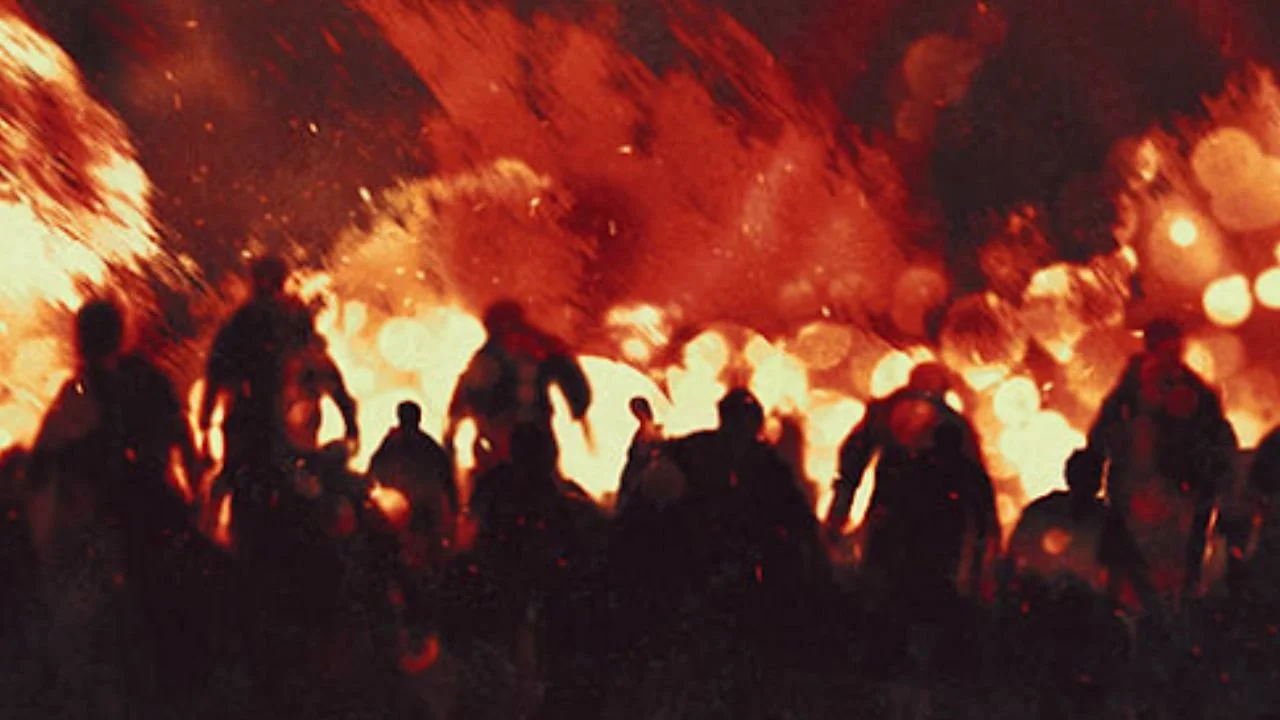
After the Sunday service on June 24, people started smelling gasoline. Unfortunately, they didn’t think it would have escalated into a big tragedy. A little before 8 p.m., there was a ring on the door. On any other day, it indicated the arrival of a taxi. But this was not the case today. The taxi was never called for by anyone. When the door was opened, a fireball burst into the room. Within a few minutes, it spread like wildfire.
The next thing one could see was ceiling tiles, wallpaper, and everything else catching fire. Historical accounts describe desperate attempts to break windows and push through locked gates. Bill Larson ran the Sunday service. He met a tragic end, burning in full view of people who couldn't do anything to help.
“It was very difficult to see. I had blood on my shirt from helping somebody. It was terrible. It was the worst thing I ever experienced in my life.”
- Ronnie Rosenthal, UpStairs Lounge fire survivor
The Investigations and Controversies
Legal files show that the official investigation faced many limits. The final report listed the cause as “undetermined,” despite strong suspicion of arson. Several statements suggested a possible suspect, yet no arrest occurred. Many families believed the case deserved a deeper review, but the process stalled without resolution.
Newspaper records reveal that many reporters used biased language when describing the victims. Public officials offered brief statements with little empathy for grieving families. Public funerals for the victims received minimal coverage, and many relatives struggled to arrange respectful services.
The event showed how prejudice shaped responses to tragedy. The silence and neglect added more pain to the survivors who already suffered deep loss.
The Long Shadow on the LGBTQ Community
The Upstairs Lounge fire highlighted the vulnerability of LGBTQ people during that era. Many survivors feared discrimination if they spoke publicly. Some avoided the media to protect their jobs or families. The tragedy pushed activists to demand change and recognition. It also inspired stronger support networks across the city.
The fire became a symbol of resilience for many groups. Community leaders later organized memorials, scholarships, and historical projects. These efforts helped preserve stories that might have been forgotten.
The Human Stories Behind the Headlines
Many people inside the bar that night belonged to the Metropolitan Community Church, a group supporting LGBTQ Christians. Their Sunday gatherings often brought comfort to people facing exclusion from other religious spaces. Several choir members were present that night, singing and celebrating friendship shortly before the fire began.
Some visitors attempted to help others reach safety, showing bravery during overwhelming fear. Survivors shared stories of individuals guiding friends toward broken windows, shielding others from flames, or pushing open jammed doors. Their actions created powerful examples of solidarity during extreme danger.
Only a small number of families spoke about their loved ones in the years that followed. For many, it took a long time to share anything at all, as some families felt uncomfortable acknowledging their queer relatives.
A Site Marked by Memory and Loss
The building where the fire occurred still stands in the French Quarter, and a plaque now marks the site to honor the victims. The original plaque was stolen not long ago, but it has since been replaced. Visitors often pause here to reflect on the tragedy, though ghost stories sometimes overshadow the real human loss. Ethical historians caution against using tragic events for entertainment without respect for survivors.
Some storytellers highlight the emotional weight of the location by focusing on the community’s courage. Many preservation efforts strive to prevent sensationalism and protect the dignity of those who suffered. The site represents both trauma and strength, reminding travelers of a painful chapter in the city’s past.
Modern Recognition and Reconciliation
In recent years, city officials and faith leaders have offered public apologies for the silence that followed the tragedy. Memorial services now draw visitors from many backgrounds, including local officials, historians, and LGBTQ advocates. Supporters gather to reflect on the lessons of the fire and to honor those who lost their lives.
The city of New Orleans has worked to preserve the memory through plaques, murals, and educational events. Public schools and museums often use the story to teach about discrimination, resilience, and civic responsibility. These efforts promote respectful remembrance and deeper understanding.
The Upstairs Lounge Fire in Today’s Culture
Many books, plays, and documentaries now explore the Upstairs Lounge fire. Filmmakers and authors rely on archival materials, court files, and interviews to present accurate accounts. The tragedy has inspired thoughtful works that respect the victims and avoid sensational details.
Researchers continue exploring unanswered questions surrounding the event. Historians analyze how prejudice shaped both the investigation and public response. Their work encourages more open conversations about safety, acceptance, and civil rights.
Significance of the Fateful Day
The Upstairs Lounge fire did not involve any supernatural elements. Yet, the lives it took give it a fitting place in the haunted history of New Orleans. This is especially true for the survivors and the escapers. They continue to be haunted by the things they saw.
On the positive side, the fire heralded a change in the LGBTQ history of New Orleans. It forced people to think about the safe spaces for these individuals. The fire also signified activism and unity. The event is remembered with various plays and memorials. In this regard, something worth mentioning is Upstairs Inferno, a documentary movie. It digs deep into the day’s event and its consequences. The movie captures real survivor accounts. Thus, it makes the event a pivotal tenet of LGBTQ history.
A Legacy That Continues to Shape New Orleans
The tragic fire changed the city's relationship with the LGBTQ community in lasting ways. It revealed painful truths about bias within social institutions, including law enforcement, government, and religious groups. The tragedy forced the city to rethink attitudes that once allowed silence to overshadow justice.
Today, the event stands as a powerful reminder of how communities evolve through loss and reflection. The story brings people together to remember, learn, and protect future generations from similar harm.
Final Reflection
The Upstairs Lounge tragedy shaped the city’s identity and continues guiding its path toward dignity and equality for all people. At Hottest Hell Tours, we help preserve stories like these with historically accurate tours. Founded by local historians, our vision is to keep New Orleans’s most important memories alive for the present and future generations. Take one of our tours and feel the stories that will always be a part of the city’s soul.
FAQs
1. What was the Upstairs Lounge fire?
The Upstairs Lounge Fire was an unresolved arson fire at a gay bar in New Orleans. It happened on June 24, 1973, and left 32 dead.
2. Why is the Upstairs Lounge fire important today?
This fire was a brutal onslaught on the LGBTQ+ individuals. It's a reminder of how hate can brainwash people into acting like monsters. This fire birthed the local gay rights movement, which has achieved much progress since then.
3. Was anyone ever charged or convicted for the fire?
No one received any charges for this deadly attack. It’s shocking that something that took so many innocent lives still does not have a named perpetrator.
4. How does New Orleans remember the victims now?
New Orleans remembers its victims through annual parades and ceremonies and memorial sites. The second line parade is a New Orleans-style jazz funeral to honor those who lost their lives.