
The story of France, Haiti, and early Louisiana feels heavy and strange. It carries voices that still echo through modern streets. Some of these echoes appear in legal papers, old letters, and forgotten maps. These records show how strong choices shaped the world. Hottest Hell Tours explores this hidden past and helps people see the deep shadows of the empire.
The Beginning of a Colonial World
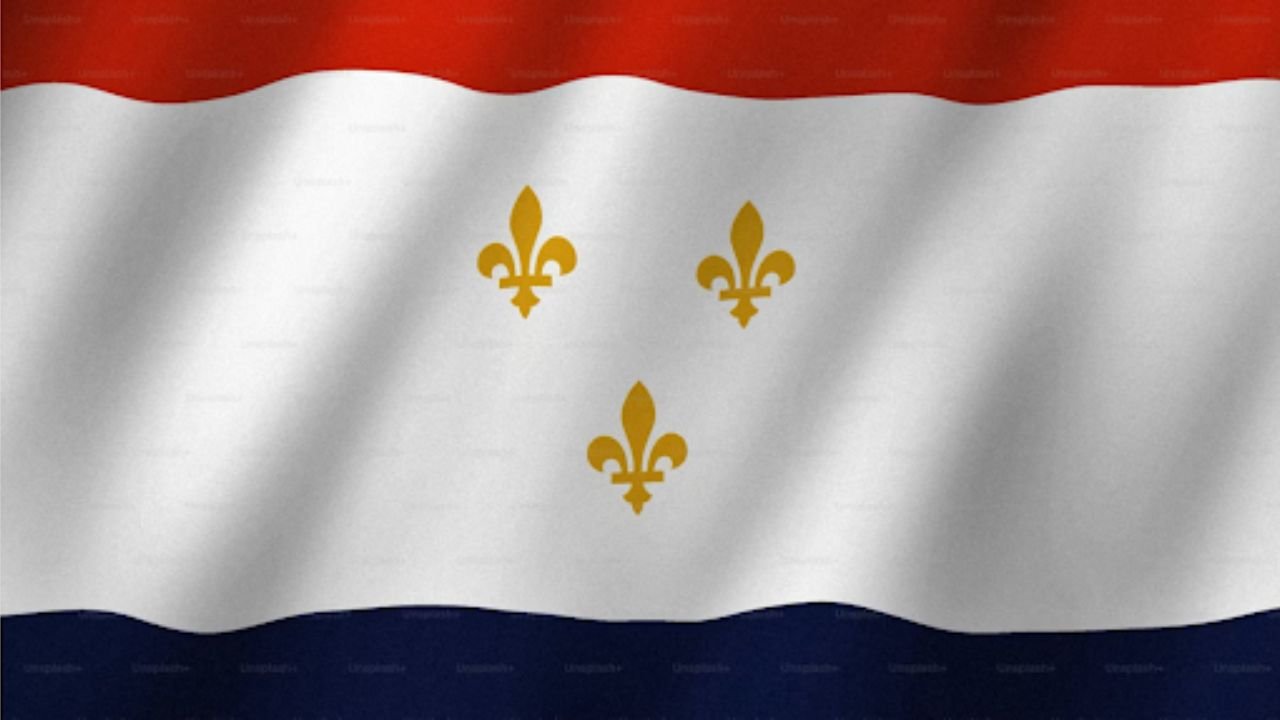
The year 1699 marked a sharp turn in the colonial history of Louisiana. French explorers set their claims along the lower Mississippi River. These men worked under royal orders and followed strict laws. They sketched each land point and river, trying to make a map. But the neat lines hide a harsher truth. Many of these men treated Indigenous peoples brutally and ignored their own laws. But not Bienville. As a French Canadian who spoke several Indigenous languages, he helped build early relationships that shaped the first years of New Orleans. His presence showed how diplomacy and communication could coexist with a broader system driven by fear, ambition, and a deep hunger for territory.
The French crown wanted control and wealth in North America. The empire also wanted a strong line of forts. This plan pulled many people into harsh lives. Native tribes felt the pressure first. Their lands changed fast as French forces built posts and fields. Their stories appear in trade letters and peace talks preserved in court sets. These papers describe tense meetings full of warnings.
A Colony Built on Forced Labor
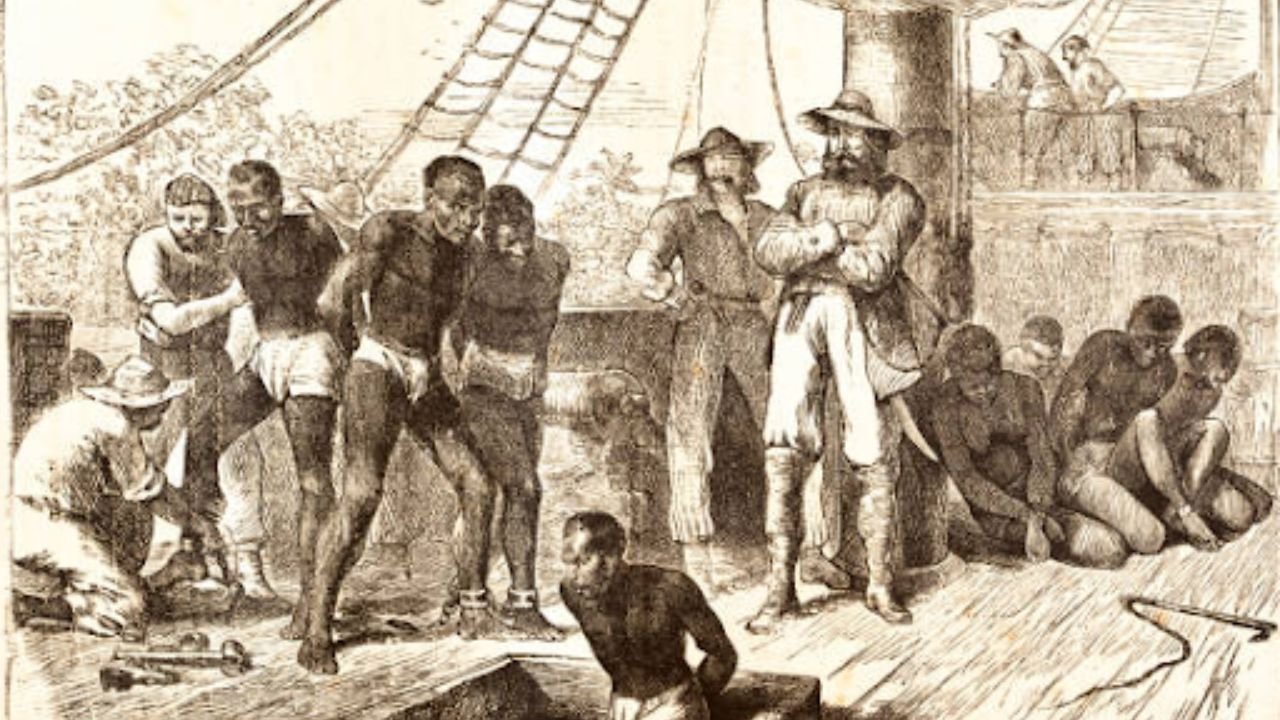
France soon needed more workers. This need pushed France into the violent trade that shaped France’s Haitian slavery systems. Ships crossed the Atlantic with chained men, women, and children. Forced labor soon became the base of early farms in Louisiana. Owners tracked each person through bills of sale. These records appear in parish books and policy rulings. Each entry shows cruel control over human lives.
The people brought from West Africa carried their beliefs, songs, and pain. They created new cultural traditions in the midst of overwhelming hardship. Many fought the system in quiet ways. They ran, resisted, or passed coded messages. Court cases in New Orleans detail their acts. Judges often sided with owners, yet the stories still show strong spirit.
The Influence of Haiti on the Gulf World
Haiti changed the world in bold ways. The island held the richest French colony. It used a harsh form of forced labor that pushed people beyond limits. This deep injustice fueled resistance. The Haitian Revolution rose from this fire. People forced into labor pushed for freedom. Letters from the time show clear fear among French leaders.
The revolt shook France and reshaped Haitian enslavement due to the French control in the region. Many enslaved people too fled Haiti and moved to Louisiana. They brought money, laws, and their harsh labor systems. Refugees filled New Orleans with new ideas and new tensions. Their stories appear in ship logs and city rolls. They brought strict rules that shaped the colony’s social lines.
Changing Power and the American Push West
By the early 1800s, France struggled with war and debt. Haiti’s fight for independence cost France a lot. Loss of sugar profit struck hard. France now saw Louisiana as a burden. Napoleon shifted plans and looked toward Europe. These pressures shaped later deals.
The United States watched these changes with sharp interest. Leaders wanted control of the Mississippi River and its main port. They sought land for a growing nation. Their letters to diplomats show clear goals. They tracked every French move and waited for the right time.
A Deal That Changed History
In 1803, the world changed again. The Louisiana Purchase ended French claims in North America. Many legal papers show the steps of this deal. These include treaty notes, land lists, and sale orders. The papers show a large land shift shaped by loss and need. This transfer started new forces that pushed the country westward.
Many people still search for signs of those years. Some people talk about the Louisiana purchase ghosts that seem to follow old roads. These ghosts feel symbolic, not supernatural. They remind people of the lives changed by this land transfer. The voices of Native tribes, enslaved people, and settlers live in old stories. These tales move through court records and family letters.
Life Under New Rule
American rule brought new laws and new questions. Early American courts in Louisiana had to blend several systems. French laws mixed with Spanish orders and new American rules. This mix shaped court fights over land, inheritance, and personal rights. Many cases involved people once held in forced labor. Some fought for freedom based on old French laws. Their cases appear in legal books still held in state archives.
These cases show strong courage. People pushed for rights in a complex new world. They knew the value of written law. They asked courts to honor past records. Judges worked through many documents to decide each claim. These stories show the blend of cultures in Louisiana courts.
The Human Cost of Empire
The empire feels large in terms of wealth. Yet its cost sat on personal lives. The colonial history of Louisiana carries heavy losses. Native groups lost land and safety. People forced into labor lost freedom and family. Some people built new lives from broken pieces. Their stories shaped the region’s deep culture.
Many public archives hold their voices. These include church books, land sales, and personal letters. Each record shows daily life under shifting rule. Many stories reveal fear, hope, and strength. These voices help modern readers understand past choices.
Hands That Worked the Soil
The land shaped lives. Warm air, wide rivers, and rich soil drew many settlers. People planted rice, cotton, and sugar. These crops needed long days and many workers. France and later Spain and the United States all used forced labor. Individuals lived under strict rules that tied them to fields. Their names appear in farm logs and owner lists.
Yet they shaped the land in lasting ways. They passed knowledge of growing, healing, and cooking. These skills filled daily life with meaning. Many traditions in Louisiana food and music trace back to these people. The culture reflects pain and deep strength.
The Haitian Spirit in Louisiana
Haiti influenced Louisiana far beyond the early years. Haitian refugees added new styles and new sounds. They brought stories of freedom and resistance. These ideas moved across the city and shaped debate. Their push for independence inspired others who lived under limits.
Letters from city leaders show both fear and respect. They saw strong pride in Haitian families. Many refugees built businesses and shaped city streets. Their impact still shows in local culture. Their role also shaped views on rights and freedom in the region.
Old Conflicts That Still Whisper
The past leaves marks on land and memory. Some people speak of the Louisiana Purchase ghosts that drift through history. These ghosts represent the stories buried under later growth. They remind readers that many people lived and died under hard choices. Some people say the Louisiana Purchase ghosts appear when old stories feel forgotten. They claim these ghosts rise from places where families once faced hard choices. The ghosts are said to whisper reminders about lives changed by sudden land deals. Some stories describe the ghosts as guides who point toward hidden records and maps.Other tales say the spirits watch over sites where history was pushed out of view.
Modern tours often show these heavy paths. Hottest Hell Tours brings visitors through places shaped by empire, loss, and survival. Their work helps people understand how each story connects to the present.
Maps, Borders, and Broken Promises
Maps from the time show shifting lines. France drew borders that ignored Native rights. Spain changed rules for trade. The United States claimed more land after the purchase. These choices broke many promises made in early contracts. Native groups pushed back but faced strong force.
Court fights over land continued for decades. Many cases involved unclear borders drawn by past empires. Old maps became evidence in many hearings. These cases shaped later laws on land rights in the region.
The End of a French Dream
By 1803, the French dream in North America faded. War drained the empire. Haiti gained its freedom. Louisiana was passed to a young nation ready to grow. Yet the ghosts of empire stayed in stories, songs, and legal files. These ghosts reveal the full cost of power and control.
Conclusion
The story of France, Haiti, and early Louisiana remains a deep part of American history. The records show hope, fear, loss, and great change. Each voice shapes the larger story of the empire and its fall. Many still feel the weight of that long chain of choices. Hottest Hell Tours helps people find these hidden stories and understand how they live within the city today. Take one of our tours to connect with our powerful past.