
Ghost stories help people understand the past through mystery, memory, and atmosphere. Many tales reveal deeper truths about fear, loss, and culture. Ethical ghost storytelling protects those truths while respecting the people connected to them. This approach creates a clearer view of haunted spaces and the histories tied to them. It also helps audiences explore the supernatural without distorting events or harming public memory.
At Hottest Hell Tours, we offer tours that dive deep into the most complex and dark stories of New Orleans. Founded by historians, every tour is built on respect for the past. Rather than giving you cheap thrills like a ghost popping up from nowhere, our tours are deeply researched, helping you understand the past with greater clarity and care.
The Importance of Responsible Ghost Narratives
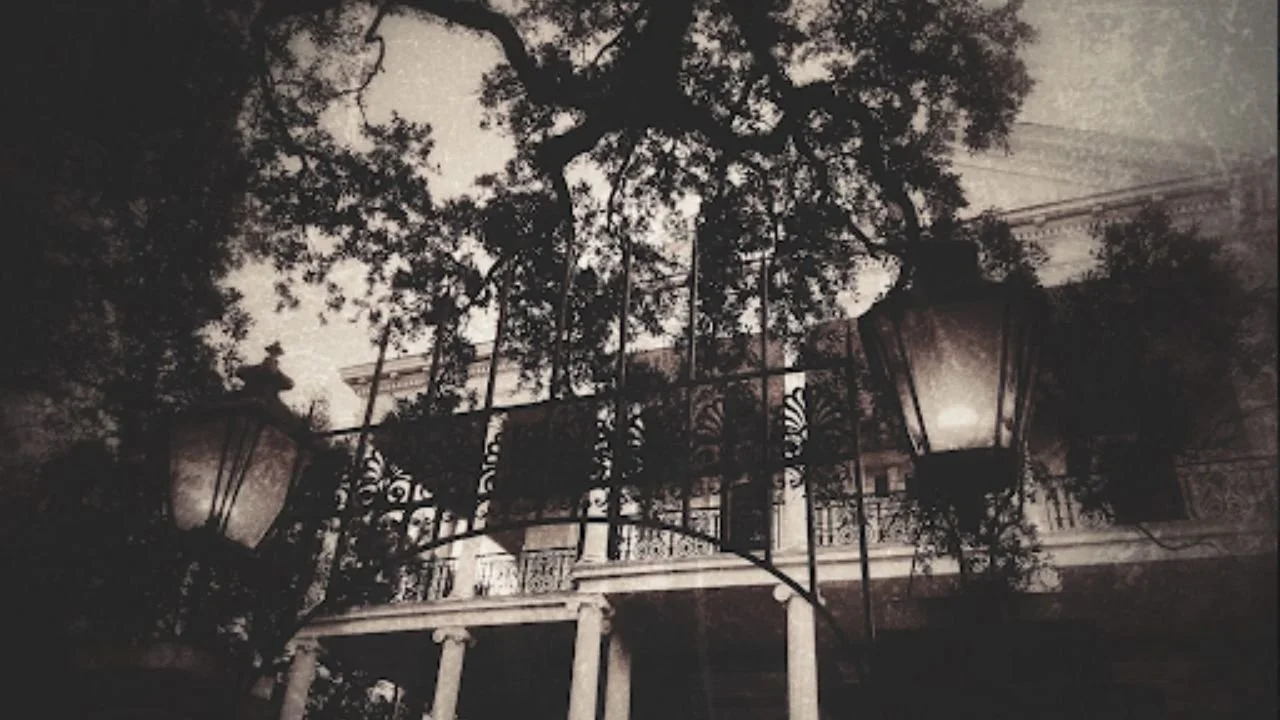
Responsible ghost narratives matter because many stories come from real lives. Real people suffered during wars, disasters, epidemics, and accidents. Their experiences deserve respect. Ethical ghost storytelling protects those experiences by avoiding myths that cause harm. It blocks false claims that distort cultures, events, or communities. It also prevents stories that support stereotypes or erase injustice.
Responsible storytelling also protects living families who still feel these losses. Haunted stories carry emotional weight, and careless versions may trigger real pain. Ethical narratives treat that emotional weight with care. They honor the people involved instead of turning them into entertainment.
How Truth Strengthens Haunted Storytelling
Truth adds power to haunted stories. Real history often feels more chilling than invented scenes. Authentic details deepen the atmosphere and raise stronger emotions. When people hear the truth, they sense its depth. They recognize that the fear came from actual events, not sensational fiction.
This is why truth in ghost tours creates lasting impact. Factual details build trust. They also help listeners understand how communities changed through hardship and growth. True stories reveal complex emotions tied to specific places. They carry shadows that fiction cannot replace. The mystery grows stronger because it remains tied to reality.
Principles Behind Ethical Ghost Storytelling
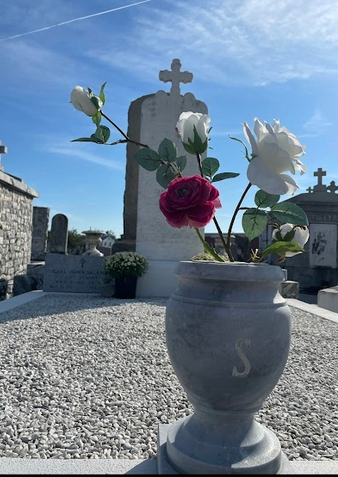
Ethical storytelling follows clear, careful principles. Narratives must be based on documented sources. Legends must be reviewed for accuracy. Sensitive events must be presented with dignity. Harmful stereotypes must be removed. Cultural traditions must be handled with respect. Ethical ghost storytelling avoids dramatic twists that distort truth. It also avoids stories that erase cruelty or support harmful myths.
Some past events remain painful for families. Ethical practice avoids these stories when they risk causing distress. This respect protects living communities while honoring those no longer alive. Responsible storytellers study history, culture, and memory. They treat supernatural claims with neutrality and care.
Why Ethical Storytelling Creates Deeper Engagement
Audiences seek connection when hearing ghost stories. They want to understand how places carry their past. They want a clear history with a strong atmosphere. When stories stay truthful, listeners trust the narrative. They sense authenticity. They recognize that history shaped real lives. Ethical ghost storytelling meets this desire by blending mystery with meaningful knowledge.
This deeper engagement encourages learning. It helps listeners understand the emotional landscape behind haunted locations. Ethical stories turn ghost tales into pathways for insight rather than shock.
The Role of Respect in Haunted History
Sensitivity guides every part of respectful haunted history. Haunted stories come from moments of suffering, confusion, or fear. These moments require careful treatment. Respect means avoiding jokes about tragedy. It means avoiding claims that mock victims. It means recognizing some personal biases we may have.
Respectful storytelling also protects historical truth. It prevents myths that erase injustice. It stops narratives that praise harmful systems. This protects the dignity of the people connected to haunted sites. Respectful haunted history teaches that darkness can be presented without cruelty. The atmosphere remains intense, but humanity comes first.
How Ethical Narratives Shape Public Memory
Public memory grows through the stories communities tell. Myths can reshape history in harmful ways. False stories can blame victims or praise harmful practices. Invented tales may overshadow real events. Ethical ghost storytelling protects public memory by blocking these distortions. It keeps the past clear and honest.
Accurate narratives also teach listeners how society changed over time. They reveal patterns of struggle, survival, and cultural growth. Ethical stories encourage thoughtful reflection rather than fantasy-based fear.
Why Audiences Seek Truth in Haunted Stories
Many people choose ghost stories because they want to feel real emotion. They want to explore something unknown without losing their grounding. They want stories that feel honest and meaningful. Truth brings structure to that search. When audiences hear truthful haunted stories, they feel a deeper connection to the location. They see ghosts as symbols of memory rather than props.
Truthful stories also help audiences understand how communities cope with loss. They show how families honor their dead. They highlight how cities preserve memories through legend and architecture.
Cultural Traditions Around Hauntings and Spirits
Different cultures respond to hauntings in unique ways. Some cultures honor spirits through offerings. Others tell legends meant to warn children or teach moral lessons. Some cultures focus on healing from the spirit world during times of unrest. Ethical ghost storytelling shares these traditions with fairness and respect.
These stories help audiences understand how people process fear and grief. They reveal the shared human need to explain strange events. They show how cultures give meaning to what cannot be explained.
Cultural stories also reflect local beliefs about the afterlife. They remind listeners that ghost stories exist in many forms across the world. Ethical storytelling presents these traditions as cultural knowledge, not exotic curiosities.
How Ethical Practices Prevent Harmful Narratives
Ghost stories sometimes repeat harmful ideas. They may support racist ideologies. They may distort events tied to violence. They may create false claims that praise harmful systems. Ethical ghost storytelling blocks these narratives. It avoids tales that erase suffering. It removes elements that romanticize oppression. It also avoids stories that present cruelty as entertainment.
Ethical practice builds protection around history. It keeps stories balanced and thoughtful. It recognizes the power stories hold within public memory. Ethical storytelling prevents misuse of that power.
The Power of Real Fear in Ethical Stories
Some assume ethical stories lose their fear. They believe accuracy removes excitement. Real events show the opposite effect. Historical details often create stronger emotion than fantasy. True events hold natural tension, unanswered questions, and quiet horror. Real fear grows from knowing someone experienced that moment.
Ethical ghost storytelling uses that natural tension. It avoids fake twists because the truth holds enough weight. Atmospheric details remain strong. Mystery remains present. Ethical methods respect the emotional core of haunted locations while keeping fear grounded in reality.
Why Trust Matters in Haunted Storytelling
Audiences want to trust the stories they hear. They want to know the information was researched. They want to know the narrative respects local communities. Ethical storytelling builds that trust. It signals that the story protects dignity and accuracy. It assures listeners that no details were added for shock.
Trust also helps audiences relax. It allows them to explore haunted places with curiosity rather than doubt. It encourages people to ask thoughtful questions and reflect on complex events. Ethical storytelling creates an open, secure learning space.
How Ethical Stories Promote Understanding of the Past
Ghost stories often reveal how communities faced hardship. Ethical stories present these moments as history rather than fantasy. They show the emotional impact of trauma. They reveal how people coped with fear, illness, disaster, and violence. They offer insight into cultural grieving practices.
These stories help listeners understand the broader human experience. They show how societies carry pain forward. They reveal how memories stay tied to physical spaces. Ethical ghost storytelling enriches understanding of cultural identity and collective memory.
Long-Term Impact of Ethical Ghost Storytelling
Ethical ghost storytelling leaves lasting impressions. Audiences carry the stories long after hearing them. They remember honesty. They remember the emotional weight behind the history. They develop a deeper respect for haunted locations. Ethical storytelling encourages people to approach other historical sites with the same thoughtfulness.
This approach preserves the past without blurring the truth. It also strengthens cultural knowledge and promotes responsible engagement with dark history. Ethical stories remain powerful because they feel authentic and meaningful.
Conclusion
Ethical ghost storytelling ensures that haunted stories honor real lives and real history. It keeps narratives grounded in truth and protects public memory from distortion. It treats cultures with fairness and respects both the living and the dead. Ethical methods show that ghost stories can be atmospheric, mysterious, and deeply moving without harming memory or inventing false claims. This approach strengthens understanding, protects the past, and creates meaningful encounters with the supernatural world. Hottest Hell Tours explores unsettling events and ponders over the core issue of what ghosts mean to us. Our guests finish their journeys with compelling insights and a deeper appreciation of the history of New Orleans.