
Many people around the world try to understand strange events. We all face moments that feel mysterious. These moments shape stories and shape beliefs. When we explore how different cultures see the unseen, we begin to see a shared human path. We find fear, hope, and wonder in every story. We also see how global ghost beliefs guide daily life for many people. These stories help people explain confusion, loss, and strange events. They also show how deeply communities connect with the spirit world.
In New Orleans, Hottest Hell brings these stories to life through immersive walking tours. Guests follow paths lined with history, legend, and chilling tales. Their tours capture the essence of haunted spaces while connecting modern visitors with the unseen world that cultures worldwide have long respected.
Why Cultures Tell Stories About the Unseen
People use stories to make meaning. Many cultures teach that invisible forces shape our lives. These ideas help explain things the mind cannot solve and often guide behavior. They offer comfort in dark moments and create connections between the living and the dead. Folk tales form rules, warnings, and lessons that shape conduct. In addition, they pass down wisdom from one generation to the next.
Asian Views of Spirits and Shadow Worlds
Asian cultures hold some of the oldest spirit stories. These traditions shape how people understand strange events. These beliefs also influence how families honor their ancestors.
Japan and Its Beliefs of Restless Spirits
Japan has a long history of cultural hauntings. Many stories describe spirits that wander when peace is broken. These spirits often guard their old homes or places of loss. People share stories of women in red waiting near rivers. They also speak of shadows that follow lonely roads. These stories warn people to respect the past. They show how actions carry lasting energy.
China and the Rules of the Spirit World
China teaches that spirits move between two realms. These ideas shape many daily choices. Families leave food or incense for ancestors who guide them. Ghost Month is a time when spirits return to visit. People avoid risky acts during this time. These supernatural customs help people stay safe and respectful. They also built a bridge between the living and those who came before.
African Spirit Traditions and Ancestral Voices
Different countries and native groups in Africa hold many powerful spirit traditions. These beliefs shape healing and shape community values. They also play a major role in guiding leaders and families.
West African Ancestors and Living Memory
West African communities believe ancestors walk beside the living. They speak through dreams and signs. They protect children and warn families of danger. People follow rituals to honor them with food, songs, or quiet moments. These customs strengthen trust between generations. They also remind people to respect their roots.
East African Guardians and Nature Spirits
Some East African cultures speak of spirits that guard nature. These spirits live in forests, mountains, and water. People show respect before entering these places. They ask permission through simple blessings. These ideas remind people to treat nature with care. They also teach that every place holds hidden life.
European Tales of Haunted Grounds and Quiet Shadows
Europe provides many stories of wandering spirits. These stories spread from castles to farms and old villages.
Northern Europe and Spirits of Cold Lands
Northern Europe shares stories of shadows seen during long winters. Many people believe spirits appear when nights grow long. These stories warn travelers to stay alert in dark places. They also reflect the quiet tension of long winter nights. People light candles to honor lost souls and guide them home.
Southern Europe and Stories of Restless Figures
Southern Europe has stories tied to stone roads and old ruins. These tales describe figures that walk near ancient walls. Families share these stories during nights filled with warm air. These tales help explain strange sounds and sudden chills. They show respect for history and its silent reminders.
Middle Eastern Beliefs in Invisible Beings
Middle Eastern cultures have deep stories about unseen beings. These stories shape behavior and shape local traditions.
Stories of Hidden Spirits That Watch and Wander
Many families believe spirits move through daily life unseen. These stories teach people to stay humble and kind. They also warn people to avoid harming others. People use gentle rituals to ask for protection. These traditions build a sense of comfort and balance.
Lessons From Ancient Desert Tales
Groups across deserts share stories of glowing shapes that follow travelers. These tales help explain strange lights seen at night. They offer lessons about fear, hope, and survival. These stories help travelers stay cautious when crossing open lands.
North American Beliefs in Spirits of Land and Sky
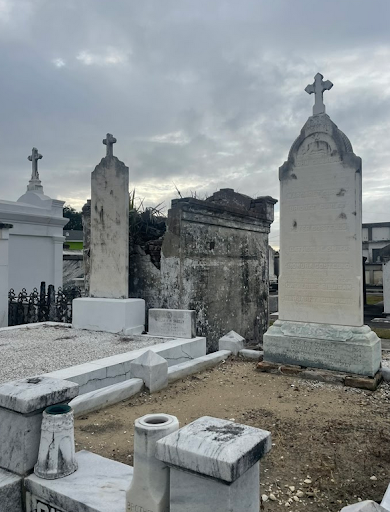
North America carries many deep stories about spirits that guard daily life. Many communities see the land as a living guide filled with hidden forces. These ideas help people stay aware of signs that appear in quiet moments. They show how mysteries shape daily routines and choices across many regions.
Indigenous Spirits That Walk Beside the Living
Indigenous nations teach that spirits live in rocks, rivers, and wide skies. These spirits guide families and warn them during troubled times. People offer songs and small gifts to honor these unseen forces. These simple acts build trust between the living and the spirit world. They help people respect the land that holds ancient memories. These stories act as a medium, guiding young people and connecting them with their elders.
Stories of Travelers Seen on Old Frontier Roads
Many North American communities share stories of wandering figures seen on lonely roads. These tales describe travelers who appear near bridges, forests, or quiet fields. People say these spirits carry memories from forgotten times. These stories help explain sudden chills or strange lights that appear at night. They also remind people to stay alert when roads grow dark and silent. These tales give shape to fear and comfort in equal measure.
Homes That Hold Echoes of Past Lives
Across North America, families speak of homes with lingering energy. They hear footsteps in quiet halls or voices that fade before dawn arrives. The tales reflect a long history filled with movement, change, and loss. Today, many travelers seek places where history and mystery meet. They visit cities known for strange stories or old legends. Hottest Hell shares this same spirit of dark storytelling with tours that explore places shaped by old tales and haunting history, guiding visitors through streets filled with legends that echo across time.
South American Beliefs in Spirits of Land and Water
South America holds strong ideas about spirits tied to nature. Many communities see ghosts as part of daily life. They believe spirits guard family homes and sacred areas.
The Amazon and Spirits That Blend With Nature
Communities in the Amazon believe spirits live in trees, rivers, and storms. They tell stories of figures who protect the forests. These beliefs teach respect for the land. They offer a reason for sudden changes in weather or sound.
Andean Tales of Spirits That Guard Mountains
The Andes are home to stories of mountain guardians. These spirits protect sacred spaces. People give small gifts to earn their blessing. These supernatural customs help families stay safe. They also teach that mountains hold deep wisdom.
Pacific Islander Traditions and Sacred Spirit Realms
Pacific Island cultures connect deeply with the spirit world. Many stories speak of spirits that move with the wind and sea.
Ghosts That Travel With the Waves
Island communities believe spirits travel across the ocean. They visit family during storms or quiet nights. These stories guide sailors and teach safety. They honor ancestors who once crossed these waters. These tales build a strong bond with the past.
Sacred Ceremonies That Honor the Unseen
Ceremonies help people speak with ancestors. These rituals use songs, dances, and shared meals. People believe these acts keep harmony strong. They also invite wisdom and peace from the spirit world.
North American Traditions and Stories From Many Nations
North America holds diverse ideas about spirits. Many groups share stories tied to land, memory, and family.
Indigenous Beliefs in Spirits of Every Path
Indigenous groups teach that spirits live everywhere. These stories explain events that feel strange or sudden. They guide choices and keep families aware. People honor spirits through quiet acts of respect. These ideas help protect community spaces and traditions.
Modern Beliefs That Blend Past and Present
Many modern families still believe in unseen forces. These ideas come from old stories shared for centuries. People link these tales with new experiences. They use them to explain chills, whispers, or sudden signs. These stories show how the past continues to shape the present.
How These Global Beliefs Shape Everyday Life
Beliefs about spirits guide how people act. They shape how families honor the dead and guide behavior during travel or daily tasks. When people follow these traditions, they feel protected. They also feel closer to their history. These beliefs offer comfort when life feels unclear. They show that every culture seeks meaning in mystery. These ideas link us across borders and across time.
Why Global Ghost Stories Still Matter Today
People still want answers for things they cannot explain. Stories from the past provide guidance and reflect a shared curiosity across cultures. Families stay connected through these tales, passing wisdom and traditions from one generation to another. They remind us to listen to signs and stay aware. Such traditions reveal how deeply people trust the unseen. Often, they help people believe that death is not truly the end.
What We Learn From Global Spirit Traditions
We learn that mystery links every culture. We see that fear and hope shape belief. We also learn that stories carry power. They teach lessons and hold memories. They guide choices and protect families. These global ghost beliefs show a shared desire to understand life. They remind us that every culture seeks answers to strange events. They also show that the unseen world still shapes the human journey.
A World Connected Through Mystery
Every country offers a new way to explain the unexplained. Some use tales of shadows. Others use stories of lights, whispers, or shapes. These ideas show how people make sense of strange moments. They help keep the world full of wonder. They also show how deeply cultures value their past.
Hottest Hell carries this same spirit of curiosity and wonder. Visitors walk through streets where stories still cling to the walls. Old legends breathe through modern streets, creating a sense of awe. Each tour invites people to connect with history and the unseen. Mystery lives everywhere, not only in distant lands, and every culture holds stories waiting to be heard and felt.
