

New Orleans holds a deep past shaped by faith, fear, loss, and survival. The city carries old stories in every street, and its shadows often feel close. Many people arrive looking for spooky moments, but they also want truth. Some visitors look for sites where real events, real people, and real mysteries took place. Groups like Hottest Hell Tours help keep this history honest, and their work shows why the city feels so intense.
Explore the French Quarter After Dark
New Orleans changes after dark. The streets grow quieter, and the air feels heavy. Many visitors wander through the French Quarter at night, where centuries of history are etched into the buildings. Streets like Royal Street, Chartres Street, and Dauphine Street hide stories of past fires, duels, and old tragedies. Some corners feel calm, but others make visitors pause without knowing why. These streets remind us that history leaves a lasting impression.
Hidden Stories Behind Silent Windows
Some buildings, such as those on St. Ann Street and Pirates Alley, appear empty, yet seem to watch the street. Their walls have endured storms, fires, and the weight of forgotten events. You can pass lively bars and still find blocks where the past feels very present. Quiet alleys reflect the presence of past generations.
Why Night Walks Feel So Strange
Night walks feel different because your senses are heightened. On streets like Bienville Street or Bourbon Street’s quieter sections, footsteps sound louder. Small movements catch your eye. Shadows play tricks on the mind, and the city itself seems to amplify unease. The combination of architecture, narrow alleys, and history creates a natural sense of tension.
Visit Historic Cemeteries with Heavy Atmosphere
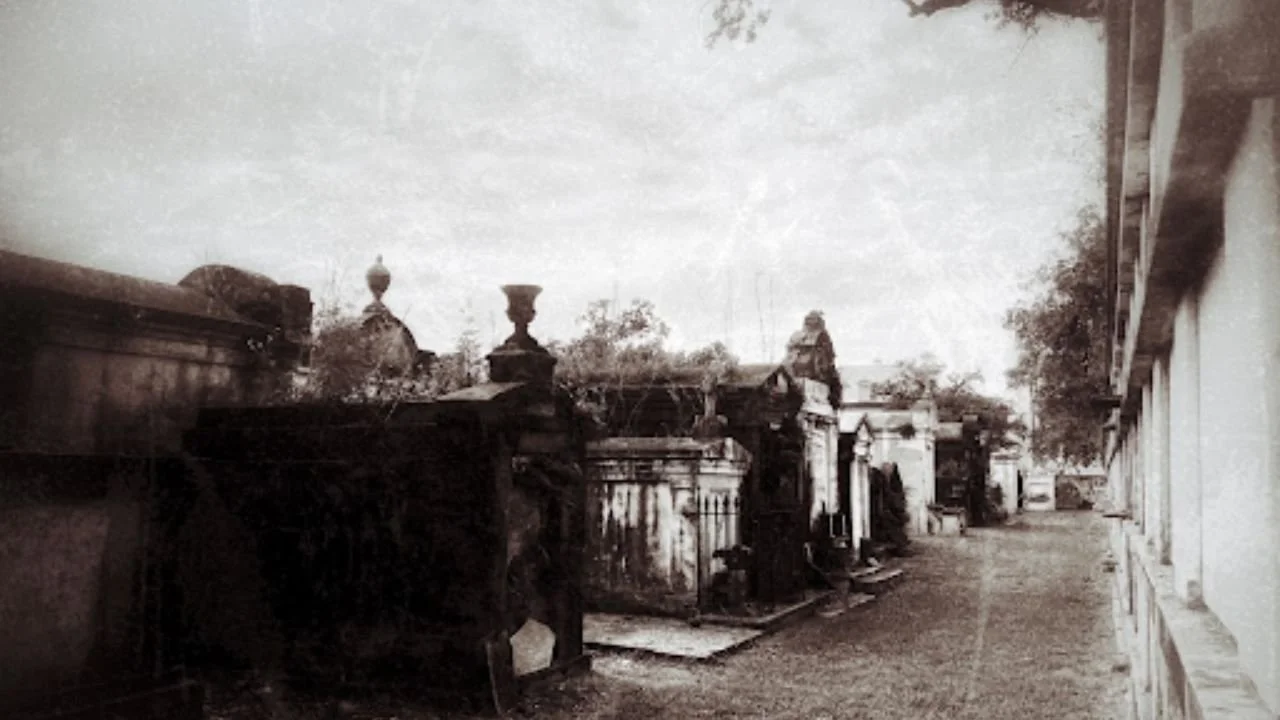
New Orleans’ cemeteries carry centuries of memory, culture, and loss. Streets like North Claiborne Avenue lead to tombs that tell real stories. Cemeteries such as St. Louis Cemetery No. 1, St. Louis Cemetery No. 2, St. Patrick Cemetery No. 1, 2 and 3, and St. Roch Cemetery No 1, among others, show how people honor their dead above ground. In a city where the ground floods easily, raised tombs are necessary. Walking here during the day feels calm, but dusk creates long shadows and a heavier air.
Above-Ground Tombs Create a Strange City of Stone
The tombs resemble small stone houses. Families often share one tomb for generations, building layers of history inside. Practical design choices, like elevated vaults along Carondelet Street or St. Philip Street, unintentionally created an eerie landscape. Walking among these tombs feels like stepping into a city frozen in time.
Tombs gleam white, yet the stone carries a cold, solemn presence.
Narrow paths between tombs, especially at St. Roch Cemetery, create twisting, confined walkways.
Sunlight or streetlamp shadows shift quickly across St. Louis Cemetery No. 2, heightening the haunting feeling.
Respect the Sites and Their Meaning
These cemeteries remain sacred spaces connected to real families and traditions. Visitors should observe respectfully. Chills or unease often come naturally from history itself, not from fabricated scares, and it’s okay to have these feelings. Understanding the context behind the tombs deepens the experience, letting the stories linger long after the walk ends.
Stand at Places Marked by Old Epidemics
New Orleans faced deadly outbreaks during the 19th century, including yellow fever epidemics in 1833, 1853, and 1878. Some neighborhoods still carry quiet reminders of these tragedies. Walking along Rampart Street, Toulouse Street, or near Felicity Street you might feel a stillness heavier than usual. These streets were once full of fear, as entire communities struggled to survive disease and loss.
Streets with Deep Medical History
Areas like Royal Street, Chartres Street, and Basin Street once held makeshift hospitals, quarantine stations, and emergency shelters. Buildings such as the former Charity Hospital on Tulane Avenue treated countless patients during outbreaks. Though these structures look ordinary today, the events that occurred inside shaped entire neighborhoods. Small alleyways near Dumaine Street were used for temporary aid stations, leaving subtle traces of the past that remain visible to attentive visitors.
Why These Spots Feel Unsettling
Disease leaves emotional marks long after outbreaks end. Visitors sense the weight of grief while learning about lives lost on St. Louis Street or Esplanade Avenue. Narrow streets and old brick facades amplify the feeling of confinement that once gripped residents. The unease comes from real human suffering, not from myths or legends. Understanding the history of these epidemics gives these streets a haunting authenticity.
Explore Old Colonial Sites with Violent Pasts
New Orleans grew during times of conflict, trade, and strict control. Streets like Chartres Street, Royal Street, and Bourbon Street once held government offices, early jails, and colonial courts. Buildings along Decatur Street were sites of punishment and rebellion. Walking here, you feel the pressure that shaped law, order, and everyday life.
Historic Blocks Filled with Old Tension
Many early laws controlled movement, labor, and speech. Neighborhoods such as Faubourg Marigny and the Tremé saw revolts, protests, and public punishments. The brick-lined streets, narrow alleys, and wrought-iron balconies carry the weight of these events. Passing Exchange Alley or Dumaine Street, visitors sense the tension that once gripped residents.
Why History Lovers Find These Areas Intense
These areas are rich with documented stories of revolt, control, and survival. The old City Hall on Royal Street and former jails near Chartres Street show how fear was a tool of governance. Unlike fictional ghost tales, these streets offer authentic tension that lingers in the urban landscape.
Visit Water Edges with Their Own Dark Legends
New Orleans’ rivers and bayous shaped both trade and danger. Streets like Basin Street, Poydras Street, and the Moonwalk along the Mississippi River reveal a history tied to water. Some riverbanks feel peaceful, but areas near Esplanade Avenue docks carry unsettling energy. Currents, fog, and shadows create natural tension.
Riverbanks with Old Rumors
Stories speak of strange lights above the water near Crescent City docks and the French Market waterfront. Sudden chills or whispering sounds often follow visitors along Tchoupitoulas Street piers. These accounts blend history with natural mystery, leaving a sense of unease without relying on legends.
Why Water Adds to the Mood
Water shifts sound and temperature, especially along the Riverwalk and the Moonwalk. Moving shadows make it hard to judge distance. The combination of fog, currents, and nighttime darkness makes these edges feel eerily alive.
Walk Old Neighborhoods with Layers of Cultural Memory
Some neighborhoods, like the Tremé, Faubourg Marigny, and Bywater, reflect generations of hardship and cultural survival. The streets reveal stories of joy, sorrow, and resilience. Walking here, every corner carries traces of past lives and local traditions.
Homes That Carry Memory
Houses on Saint Philip Street, Royal Street, and Elysian Fields Avenue tell stories of families who survived storms, fires, and social change. Even modest homes hold powerful memories, giving each step emotional weight.
Street Corners with Unusual Energy
Corners along Esplanade Avenue, Dumaine Street, and Rampart Street can feel strangely cold or silent. These sensations often come from the architecture, airflow, and shadows. Visitors often find these spots quietly spooky. The combination of shaded sidewalks, aged buildings, and sudden temperature drops can create an atmosphere that feels tense or still. Because of this, visitors sometimes describe these areas as quietly spooky, even when the supernatural may not be involved. The environment itself does most of the work, shaping how people experience the space.
Experience the History Behind New Orleans’ Haunted Spots
Many guests want scary things to do in New Orleans, but they also want honesty. One option offers spooky moments grounded in real history. Hottest Hell Tours gives deep insight into fear, belief, and cultural memory. They avoid myths and stick to stories shaped by real people.
Walking the Devil’s Empire
This walk explores how power and fear shaped New Orleans. The tour examines crime, control, and legends rooted in fact. You learn how fear served as a social tool for centuries.
The Dim Corner
This night tour uncovers lesser-known true-crime sites and haunted corners of the French Quarter. Stops include Gallatin Street, the Old Ursuline Convent, and hidden alleys full of historical intrigue.
The Gates of Guinee
This walk explores the African diaspora traditions that shaped local beliefs. It connects myth to culture without exaggeration.
Visit Historic Hospitals and Care Sites
New Orleans’ old hospitals hold deep, often unsettling stories. Places like the former Charity Hospital on Tulane Avenue and Touro Infirmary on Arabella Street treated thousands during epidemics and disasters. Many patients passed through these doors, leaving behind memories of hope, fear, and loss. Walking near these sites, visitors often feel the weight of human suffering lingering in the air.
Why Old Medical Sites Feel Disturbing
Hospitals witnessed both survival and tragedy. Along Tulane Avenue the walls carry echoes of past crises. Narrow corridors, abandoned rooms, and historic facades create a strong emotional reaction. The fear felt here is rooted in history, not legend, giving these locations a haunting authenticity.
Walk the Edges of Old Battle Sites
Certain areas of the city once witnessed conflict that shaped local and national history. Jackson Square, Barracks Street, and the land near Fort Saint John hold subtle reminders of military events. Today, these areas may seem ordinary, but the ground carries the memory of clashes, strategy, and sacrifice.
Quiet Fields Hold Deep History
Grass grows where soldiers once marched or fought near City Park or the old Camp Parapet. Wind moves across these spaces, carrying echoes of footsteps long gone. These quiet fields leave visitors with a strange, reflective unease, as history feels tangible beneath each step.
See Historic Markets with Long Past Lives
New Orleans’ public markets reveal layers of community life, commerce, and tension. French Market on Decatur Street, Rouses Market in the French Quarter, and areas along Royal Street held celebrations but also witnessed fires, protests, and conflict. Exploring these markets, visitors sense centuries of change beneath the surface.
Why Markets Can Feel Spooky
Years of events leave energy that persists. Passing stalls on Decatur Street or walking through the open courtyards of French Market, you might notice an unusual stillness or shift in atmosphere. Once the history is known, these spaces feel charged with memory, blending daily life with the past’s intensity.
Walk Steps Touched by Generations of Rituals
Certain spaces in New Orleans carry centuries of cultural and spiritual significance. Areas around Esplanade Avenue, Royal Street courtyards, and Bayou St. John have been sites of rituals, offerings, and songs for generations. Visitors often feel an unusual mood, even without understanding the specifics.
Cultural Sites with Long Traditions
People have left prayers, small offerings, and artistic symbols in these locations for hundreds of years. Over time, the atmosphere becomes layered with both reverence and unease. Walking here, you can feel the presence of past practices woven into everyday city life.
Explore Narrow Alleys with Old Shadows
The French Quarter contains alleys that feel almost frozen in time. Pirates Alley, Pere Antoine Alley, and the tight paths near Chartres Street offer narrow spaces where footsteps echo rapidly. Light barely reaches the ground, creating long, shifting shadows.
Why People Feel Fear in Alleys
Alleys limit visibility and amplify sound. Airflow shifts quickly along Dumaine Street and St. Philip Street, creating odd temperature changes. These physical effects, combined with history and architectural layout, naturally make visitors feel tense and on edge.
Final Thoughts
New Orleans holds fear, beauty, and truth woven into every block. You can explore cemeteries, rivers, colonial sites, and older neighborhoods to feel the weight of its past. One of the scary things to do in New Orleans includes a walk with Hottest Hell Tours, which uses careful research to show why the city feels so haunted. Their approach reminds visitors that real stories often feel more chilling than fiction. When you learn this history with respect, the city’s shadows grow deeper, and its truth becomes even more powerful.