
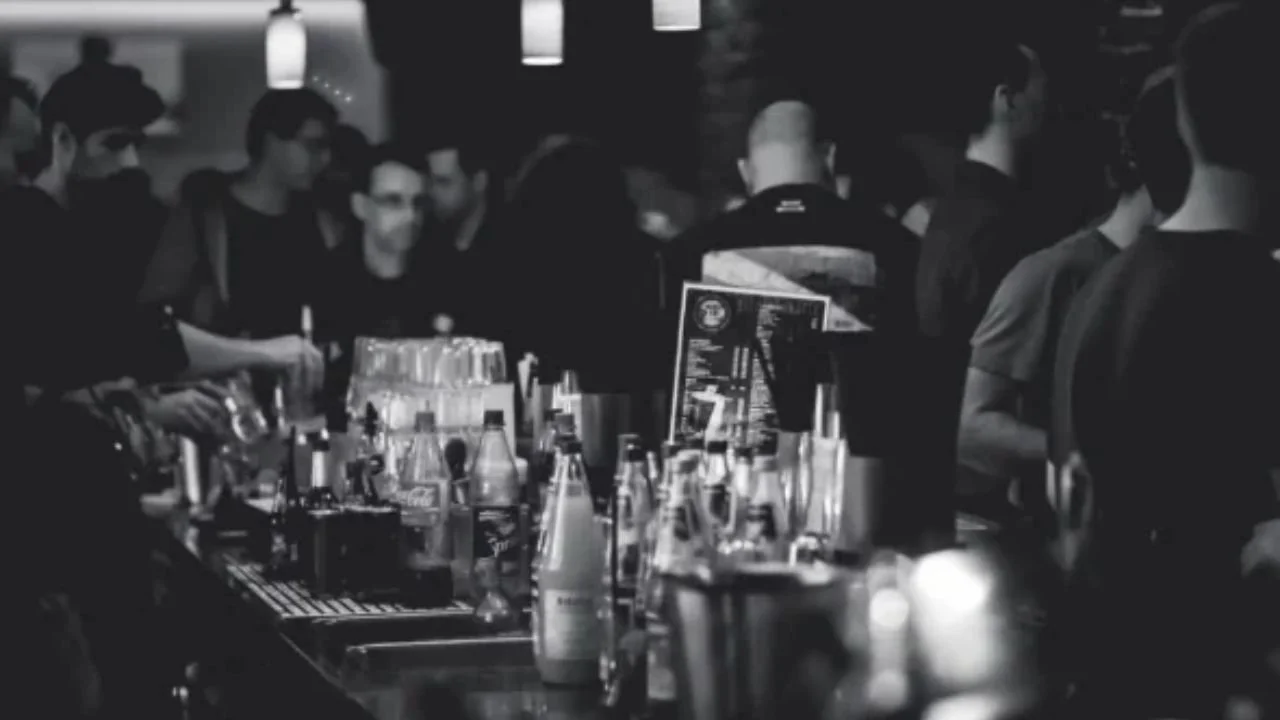
The Pitch vs. The Reality
Type in "New Orleans haunted pub crawl" on whichever search engine you use. You'll see the same promise everywhere. Ghost stories. Cold drinks. A fun night with a spooky theme.
It sounds like a good time. It probably is a good time. But there’s a fundamental problem with it. A pub crawl is built for drinking first. The ghost stories come second.
New Orleans has almost 300 years of real, documented tragedy behind it. That history deserves more than a five-minute story between rounds. It deserves a guide who actually studied it.
This is why bar-hopping is the wrong way to meet this city's past. The reason is not that drinking is bad. It’s because the format itself gets in the way of the truth.
New Orleans' Dark History Was Haunting Enough
People assume New Orleans ghost stories need exaggeration to feel scary. They don't. The real record is already brutal. Yellow fever alone reshaped the city more than any invented legend ever could.
The Summer That Nearly Emptied the City
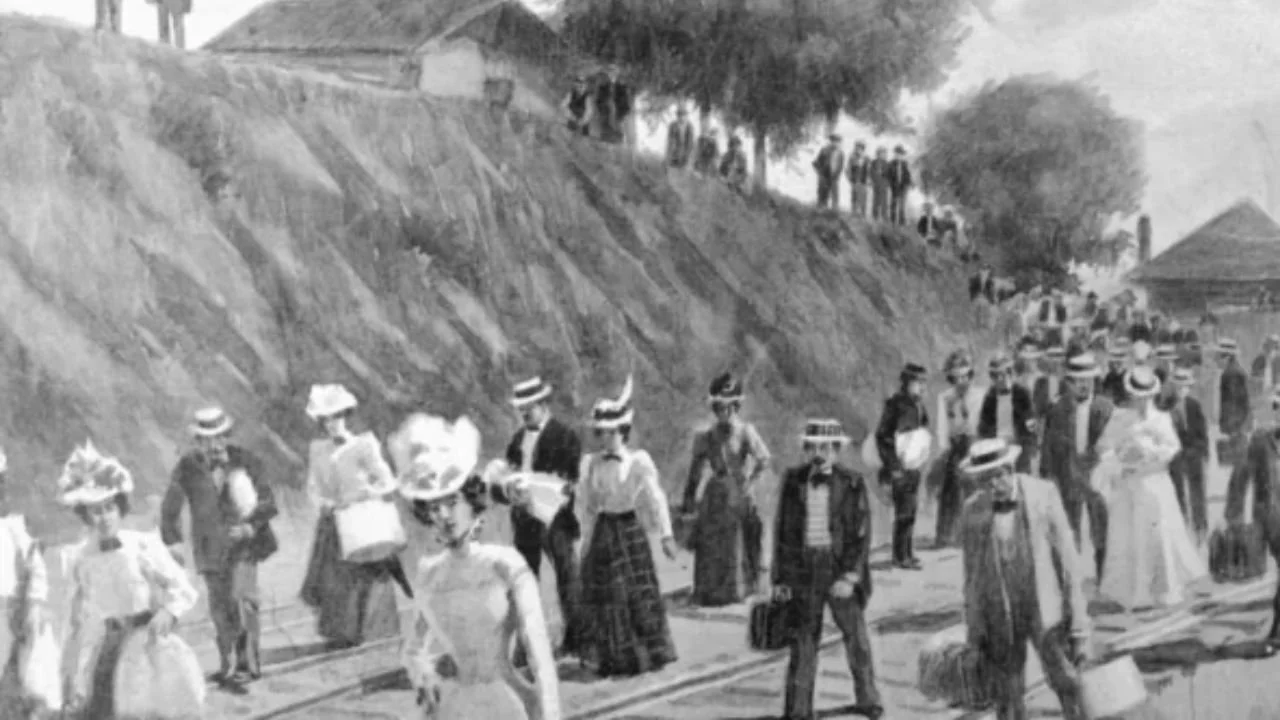
In 1853, yellow fever tore through New Orleans. The city had roughly 90,000 residents at the time. About 29,120 of them got sick. Death estimates range from 7,849 to 9,000 people in a single summer. That is close to one in ten residents. Some neighborhoods lost entire households.
Doctors didn't understand the cause yet. They blamed bad air and swamp gas. But the real carrier was a mosquito, the Aedes aegypti. It bred in standing water across the city.
We've written about this outbreak in full, including how it changed public health in New Orleans for good. By summer’s end, New Orleans had become a city haunted by memory and loss.
We've also covered how that grief shaped local traditions that still exist today, from jazz funerals to candlelight vigils. The epidemic surely ended that summer. But its shadow never truly left New Orleans.
None of that needs a haunted-bar gimmick attached to it. It's already heavy on its own.
How a Real Story Gets Flattened Into a "Haunted Bar Stop"
Most pub crawl scripts do the same thing. They take a real event and shrink it into a fun fact you hear while waiting for a drink.
A good example of this is Pierre Maspero's Exchange.
The Meeting at Pierre Maspero's Exchange
The original building on this site went up in 1788. It burned down in the 1794 fire that destroyed much of the French Quarter. The current structure was rebuilt between 1795 and 1810, on the corner of Chartres and St. Louis.
In the early 1800s, it operated as a coffee house and exchange. Merchants, planters, and privateers passed through it. Records also show it was used as a site for the sale of enslaved human beings. It’s a grim part of its history that deserves to be told honestly, not skipped.
Its most famous claim involves Andrew Jackson. Local history holds that Jackson met with Jean Lafitte at Maspero's in late 1814. He wanted to plan the defense of New Orleans ahead of the Battle of New Orleans.
That claim is disputed. The nearby Old Absinthe House has made the same claim for decades. A 1951 court case in New Orleans actually ruled on the dispute, and the judge called the story "hearsay" rather than fact.
This is the difference between real history and a bar-stop script. A crawl guide tells you "Jackson met a pirate here" in ten seconds and moves on. A historian tells you the dispute exists, shows you why it exists. Most importantly, it lets you decide what you believe.
Why the Bar-Crawl Format Itself Is the Problem
Pub crawls are not built around accuracy. They're built around pacing drinks and keeping a group moving.
Routes on these tours often "vary by night.” They depend on crowds or private events at the bars. That means the story you hear can depend on which bar happens to be free that evening. That's not history. That's convenience.
There's also a respect problem. These stories involve real deaths, real suffering, and real people who once lived in this city. Turning that into background noise for a drink order isn't harmless fun. It's a shortcut that costs the story its meaning.
We stand firmly for ethical ghost storytelling that respects the people, histories, and communities behind the stories. Our stance on this isn't new marketing. It's the reason our tours exist in the first place.
What Real Haunted History in New Orleans Looks Like
If a pub crawl trades accuracy for convenience, what's the alternative? A tour built around research first, entertainment second.
Walking the Devil's Empire
This is our flagship night tour. It covers 300 years of true crime, tragedy, and the supernatural reputation this city has earned honestly.
It's guided by people who studied this history. They are historians, not actors reading a script. Learn more here.
The Dim Corner
For people who want to go further, this tour takes a different route and covers a different set of stories. It leans into the darker, less-told side of the city's past. The tour is guided by the same standard of real research.
Both tours are adults-only. It’s because their subject matter is heavy. It deserves a room full of people who came to actually listen.
Book the Real Tour
A pub crawl can give you a fun night and a loose ghost story. But it won't give you the real weight of what happened in this city.
If you want the true history, choose a tour led by people who have actually researched the stories they tell. New Orleans already has 300 years of true stories. Come hear the real ones.
Frequently Asked Questions
Is it safe to walk the French Quarter at night?
The French Quarter is busy at night, but that does not mean you should let your guard down. Stay aware of your surroundings, stick to well-populated streets, avoid isolated areas, and use a rideshare or taxi when appropriate.
Which American Horror Story is based in New Orleans?
American Horror Story: Coven, the show's third season, is set primarily in New Orleans. It draws on local history and figures, including Delphine LaLaurie and Marie Laveau, alongside its fictional story about witches. FX officially identifies it as the third installment.
What is the scariest house in New Orleans?
The LaLaurie Mansion is often regarded as New Orleans' most infamous haunted house. Its reputation is rooted in the documented abuse of enslaved people under Delphine LaLaurie, followed by decades of ghost stories and folklore. The building is privately owned and not open for interior tours.
What is a disturbing fact about New Orleans?
During the 1853 yellow fever epidemic, 7,849 people died in New Orleans, according to city archival records. Thousands more became ill. The epidemic devastated families and neighborhoods, making 1853 one of the deadliest years in the city's history.