

December in New Orleans feels different from the rest of the year. The heat breaks. The crowds thin out. Locals come back out to their own streets.
This is also when the city's oldest traditions show up the most. Réveillon dinners return to French Quarter restaurants. Outside, the bonfires line the city. Historic hotels dress up for the season.
If you want to feel the weight of this city's history, December is the best month to notice it. Fewer festivals compete for your attention. Fewer crowds block your view of a building's ironwork or a square's old stone.
Many of the streets and buildings below carry stories that go back centuries. Some of them come alive after dark on a guided walk, if you want a deeper look once the sun goes down.
Here's where to start.
Explore the French Quarter
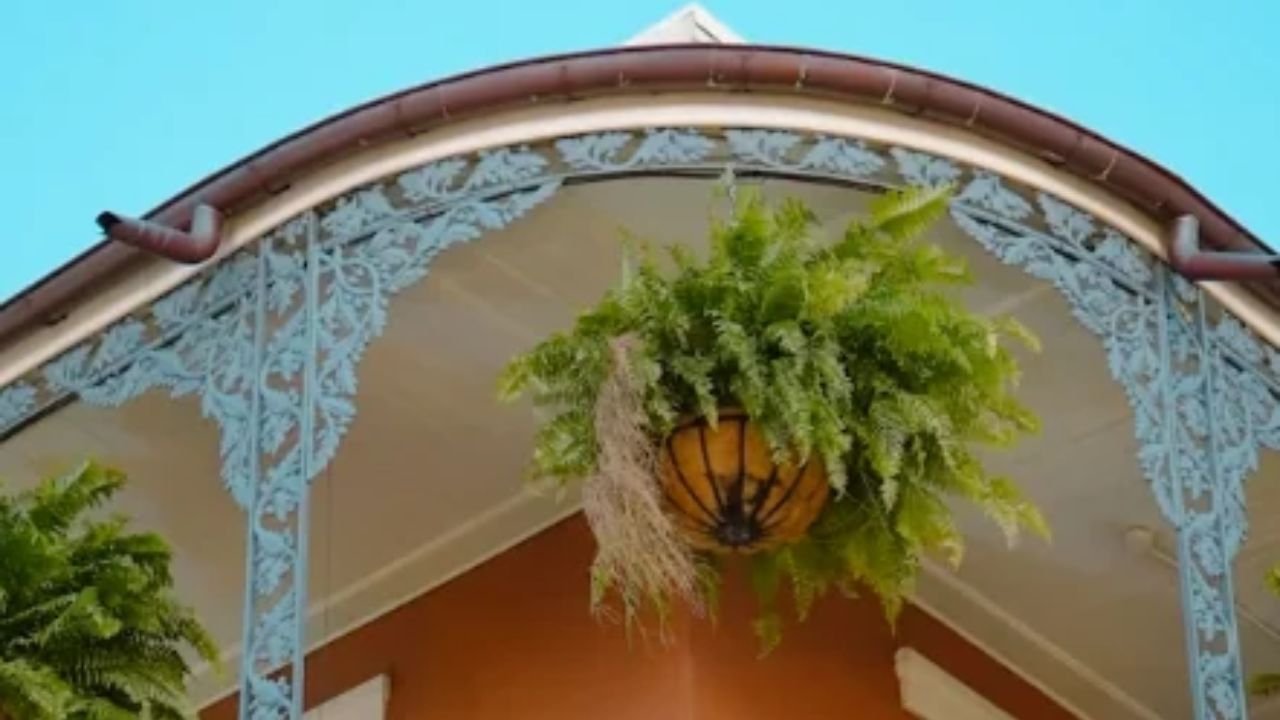
The French Quarter is the oldest part of New Orleans. Locals call it the Vieux Carré, which means "old square" in French.
The streets here were laid out in a strict grid, right along the Mississippi River. That grid has barely changed since the 1700s. Walking it today means walking the same path colonial residents did.
Cast-iron balconies hang low over narrow sidewalks. Courtyards hide behind carriageways you'd miss if you weren't looking. Hottest Hell Tours runs Dim Corner , a historic walk through this same stretch of the Quarter after dark, and is based on colonial and true crime history that survives here today.
This tour is guided by locals who researched the stories firsthand. Expect true crime and paranormal history tied directly to the streets you're walking in daylight.
December mornings in the French Quarter are cool enough to actually enjoy the walk. Summer in this part of Louisiana is hot. Winter is the season locals recommend to first-time visitors for exactly that reason.
Every block in the Quarter holds a piece of the city's past. Some buildings survived two major fires. Others were rebuilt using Spanish colonial construction rules put in place after those fires. That's part of why the architecture here looks the way it does. It is heavy on stucco, tile roofs, and thick walls.
Spend at least half a day here before moving on. Rushing through the Quarter means missing most of what makes it worth visiting at all.
Visit Jackson Square
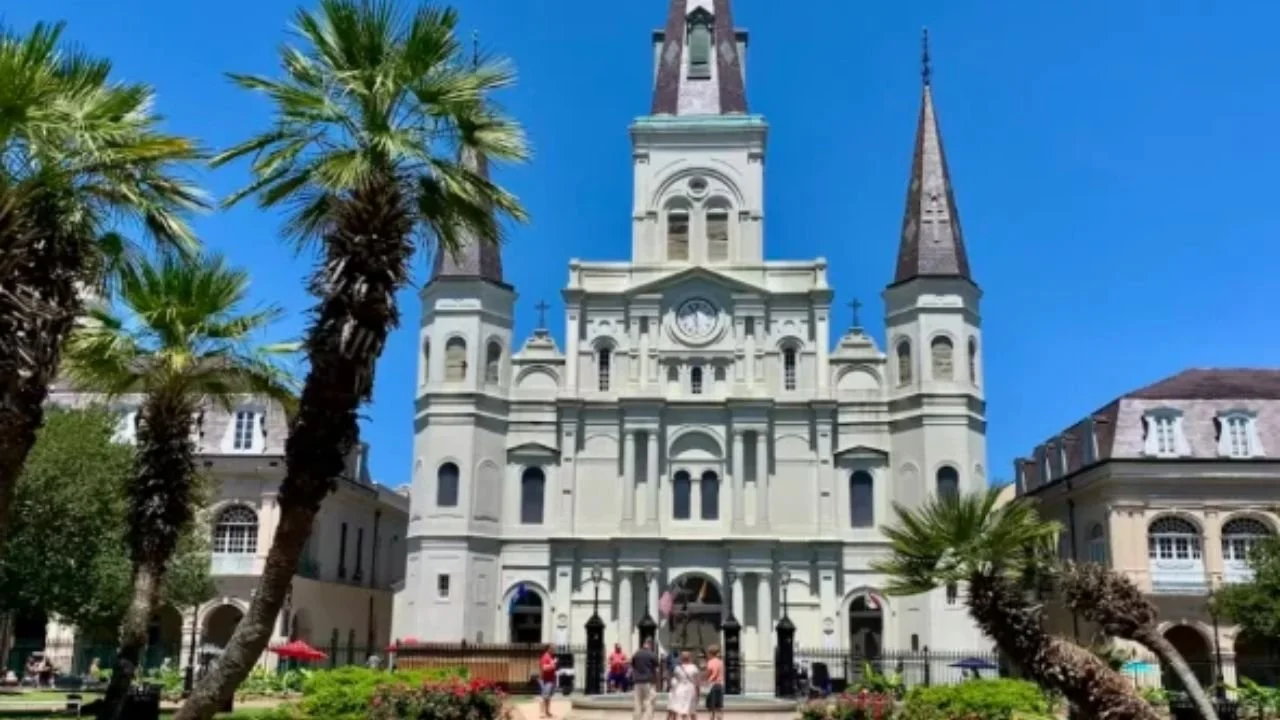
Jackson Square lies at the heart of the French Quarter. Its history is deeper than how the park looks at first glance.
The square was originally called the Place d'Armes. It served as a military parade ground and public market under both French and Spanish rule. On December 18, 1814, Andrew Jackson reviewed his troops on this exact spot. This was done ahead of the Battle of New Orleans.
Jackson died in 1845. In 1851, the square was renamed in his honor. Five years after that, in 1856, a bronze equestrian statue of Jackson was unveiled here. Clark Mills sculpted it at a cost of $30,000. Roughly 60,000 people showed up to see it revealed.
The square became a National Historic Landmark in 1960.
Around the square, you'll find three of the oldest public buildings in Louisiana. The Cabildo was built in 1795 to house the Spanish colonial government. It's also where two major ceremonies took place in late 1803. First was when Louisiana passed from Spanish rule to French rule. The second was when it passed to American hands through the Louisiana Purchase.
Next to it stands St. Louis Cathedral. It is one of the oldest active Catholic cathedrals in the country. The Presbytère completes the trio, originally built to house clergy and now a museum.
In December, Jackson Square often has caroling and holiday lighting layered on top of all this history. It's one of the few places in the city where centuries of political change and small-town Christmas cheer share the same block.
Give yourself time to walk the full perimeter. Artists work along the iron fence, while street musicians fill the air. This, along with the cathedral view adds something history books cannot fully capture.
Tour the Garden District
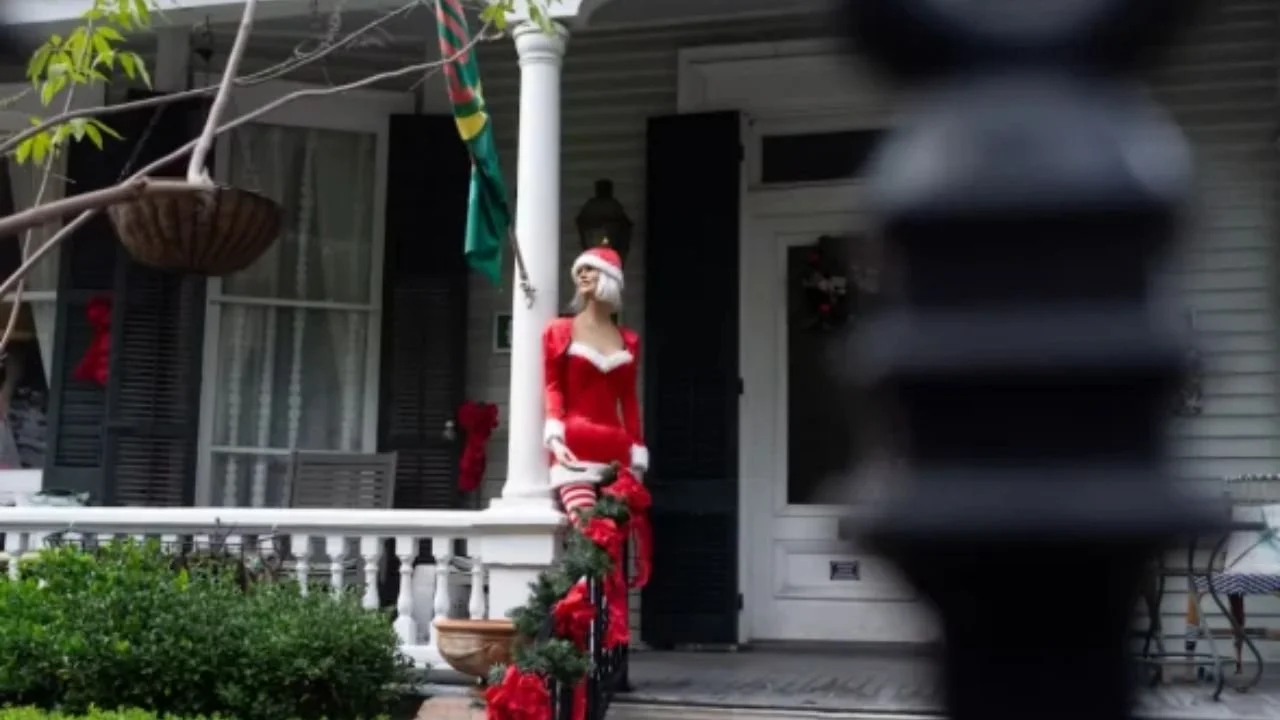
The Garden District tells a very different story from the French Quarter. December is a great time to hear that.
This neighborhood didn't exist as we know it until 1832. American businessmen who recently arrived from the northern United States, wanted distance from the French-speaking Quarter downriver. So they built their own city.
It was called Lafayette at first. It was incorporated in 1834 on land that used to be part of the old Livaudais Plantation. New Orleans annexed it in 1852. By then, travel writers had already started calling it the "Garden District.” The name stuck because of how much space these new mansions left for lawns and gardens.
Cotton money built this neighborhood. Brokers, agents, and financiers had made fortunes before the Civil War here. They used that money to build enormous homes on oversized lots. Architects like Henry Howard and James Freret designed many of these houses in the Greek Revival and Italianate styles. They are still visible today.
The Garden District was added to the National Register of Historic Places in 1971. Residents had already formed the Garden District Association back in 1939. This was done specifically to protect the neighborhood's architecture and character.
Walking these streets in December means walking under old oak trees with bare winter light. The mansions look different this time of year. They are less shaded and more visible from the sidewalk.
The Garden District Tour is a walk built around the neighborhood's architecture, literary connections, and true crime history. If you want context beyond a self-guided walk past pretty houses, a guide who researched these homes can change what you notice.
See the Bonfires on the Levee
About 45 minutes from New Orleans, in St. James Parish lies the Mississippi River levee. Here, families build bonfires every Christmas Eve. The tradition is called Bonfires on the Levee. It's one of the oldest continuously practiced holiday customs in Louisiana.
Historians trace it back to French and German settlers who arrived in the region in the early 1700s. Those early colonists brought bonfire customs from their home countries. They passed them down through generations. Over time, the practice grew into the large, organized event it is today.
Locals will tell you the fires are meant to light the way for Papa Noël. He’s the Cajun version of Santa Claus, as he makes his way along the river. Others say the original purpose was more practical. Its aim was to guide boats safely to midnight Mass along a dark river.
What's certain is that today, close to 200 bonfires get built along a 30-mile stretch of levee. You can see them in towns of Gramercy, Lutcher, and Paulina. Most are built in a pyramid shape. But some take the form of alligators, paddlewheel boats, or other local symbols.
The fires are lit around 7 p.m. on Christmas Eve. Families gather at the base of the levee to watch, often parked along Louisiana Highways 18 and 44 on both sides of the river.
If your December trip lines up with Christmas Eve, this is a must-see unusual sight in the state. Nothing about it is staged for tourists. It's a real community tradition that happens to be open for anyone to watch.
Indulge in Réveillon Dinners
French Quarter restaurants feel a little more festive in December. There's a real reason for that.
The word "réveillon" comes from the French "réveiller.” It means "to awaken." In 19th-century Creole New Orleans, Catholic families fasted through Christmas Eve. They then returned home from midnight Mass to an enormous late-night feast. Dinner might not start until 2 a.m.
Menus back then consisted of turtle soup, oysters, roast meats, rich sauces, and dessert. Each item was meant to reward a full day of fasting. This Creole custom was tied to Catholic tradition and family wealth.
By the 1920s, most home kitchens in New Orleans had shifted toward more standard American Christmas customs. The réveillon dinner mostly disappeared from private homes. Now, only a few old clubs and restaurants kept that alive.
In the early 1980s, French Quarter Festivals Inc. decided to bring it back. This time as a restaurant promotion and not a private family meal. December was historically a slow month for Quarter restaurants. So, a group of local historians suggested reviving réveillon as a draw for visitors.
It worked. The first modern réveillon season launched for the 1986 holidays. 15 restaurants offered fixed-price "Creole Christmas" menus. Today, dozens of restaurants across the city participate every December, each with their own take on the tradition.
Modern réveillon dinners run earlier in the evening than the originals did. You won't need to fast all day or eat at 2 a.m. But the spirit is the same. Rich, multi-course meals built around Creole classics like gumbo and bread pudding.
Tour Historic Hotels

Credit: https://en.wikipedia.org/wiki/Hotel_Monteleone#/media/File:Hotel_Monteleone_(55152089335).jpg

No, you needn't even stay at one. New Orleans' historic hotels are worth walking through.
The Hotel Monteleone is the oldest hotel in the French Quarter. Antonio Monteleone built it in 1886. The Sicilian immigrant started out as a cobbler on Royal Street. His family still owns and runs it today, five generations later.
The hotel's Carousel Bar, built in 1949, is the only revolving bar in the city. It turns a full rotation roughly every 15 minutes. Writers like Truman Capote and Tennessee Williams were regulars here. This helped the Monteleone earn a rare distinction. It's one of only three hotels in the country named a National Literary Landmark.
A few blocks away is The Roosevelt New Orleans. It opened in 1893 as the Grunewald Hotel. Louis Grunewald, a German immigrant, built it. The building later housed The Cave. It is one of the first hotel nightclubs in the country. The place has a jazz band and an underground, cave-themed supper club.
The hotel was renamed the Roosevelt in 1923. Louisiana governor Huey P. Long famously kept a suite on the 12th floor. He used it as something close to a second home while he ran the state. The hotel's Sazerac Bar opened in its current form in 1949. It is still one of the most recognized bars in the city today.
Both hotels decorate heavily for the holidays. Walking through their lobbies in December, past the seasonal displays, gives you a feel for how this city has celebrated the season traditionally.
Come See It for Yourself This December
From a Spanish-era square to a Creole feast revived from near extinction, every stop on this list points back to real events, real people, and real buildings still standing today. None of it needs exaggeration to feel significant.
If you want to go deeper into that history after dark, that's exactly what Hottest Hell Tours offers. You can start with Walking the Devil's Empire, or book directly through our online reservations page.
Come see why December might be the best month to actually understand this city.
Frequently Asked Questions
What is the #1 attraction in New Orleans?
Most visitors name the French Quarter as the top attraction, since it holds Jackson Square, St. Louis Cathedral, and Bourbon Street together. There's no single official ranking. But the Quarter consistently draws the most visitor attention.
Is it worth going to New Orleans in December?
Yes. Temperatures are cooler, crowds are smaller than peak season. Traditions like Réveillon dinners and Bonfires on the Levee only happen this time of year. Hotel rates also tend to drop before the holidays hit full swing.
What should you not miss in New Orleans?
Jackson Square and the surrounding Cabildo and cathedral are essentials. Add a walk through the Garden District, a Réveillon dinner in December, and a stop inside one historic hotel lobby, even if you're not staying there.