The Meeting of Jackson and Lafitte: The Pirates Who Saved New Orleans

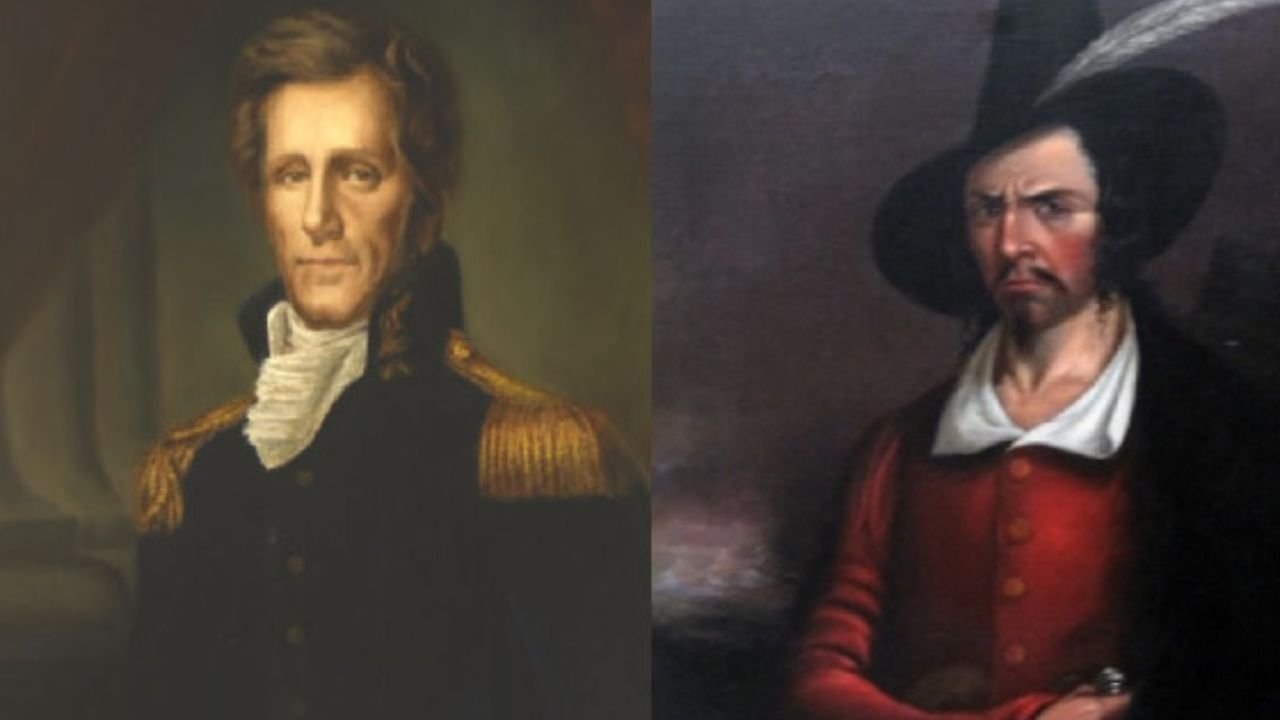
Andrew Jackson and Jean Lafitte

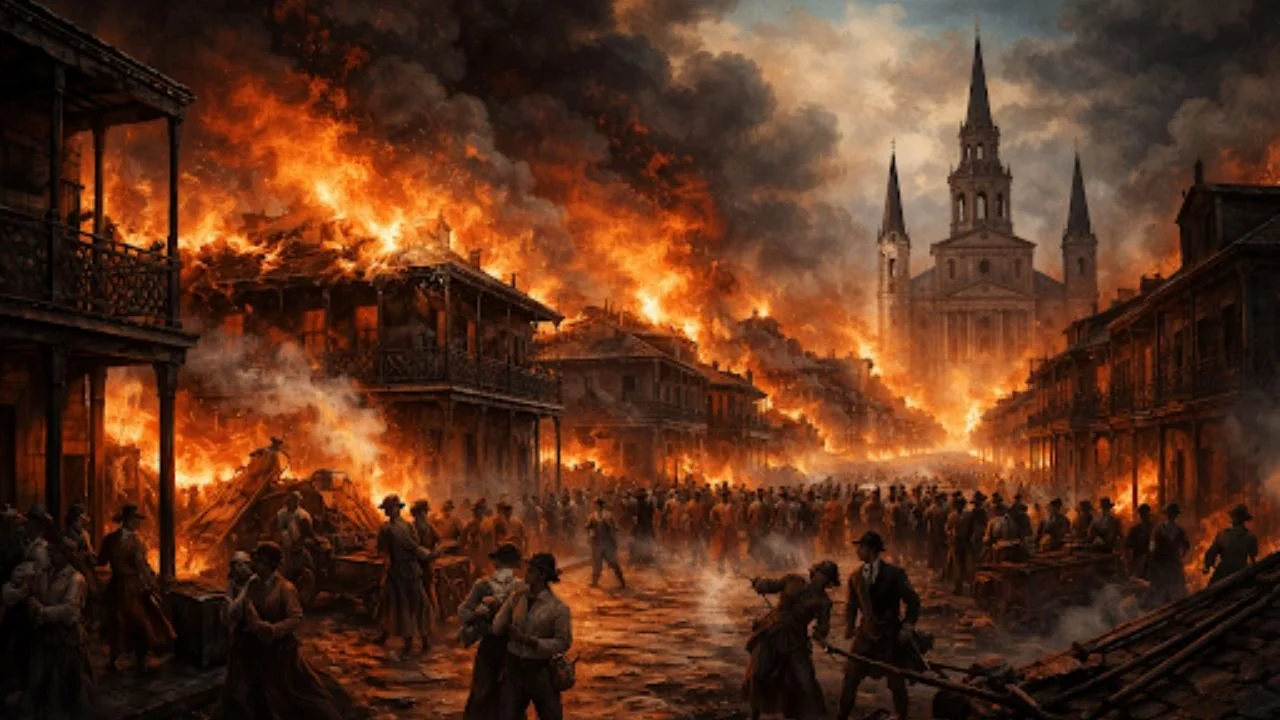
The story of  Andrew Jackson at battle of New Orleans is also the story of a pirate. That pirate was Jean Lafitte. He was a privateer who haunted the Gulf of Mexico. Their meeting in 1814 changed the fate of New Orleans forever.

Setting the Stage In New Orleans

In late 1814, the United States was still fighting the War of 1812. Great Britain wanted to capture New Orleans and control the Mississippi River. Control of that river meant control of trade and the American frontier.

General Andrew Jackson arrived in New Orleans on December 1, 1814. He found a city with weak defenses and many nervous people. The city had only about one thousand inexperienced troops for defense.

New Orleans was also surrounded by swamps, bayous, and winding waterways. Those passages made the city vulnerable but also offered defensive possibilities. Jackson quickly realized he needed local knowledge and unconventional allies.

Who Was Jean Lafitte

Jean Lafitte was born around 1780, likely in southwestern France. Some historians link his origins to the French Caribbean. His early life remains unclear and heavily debated by scholars.

He later settled along the Louisiana coast near Barataria Bay. This remote region became his operational base. The waterways allowed fast movement and easy concealment.

Lafitte’s brother Pierre Lafitte played a central leadership role. Pierre handled business operations and political contacts while Jean focused on maritime control and logistics. The brothers led a group called the Baratarians, operating as privateers and smugglers. They raided ships across the Gulf of Mexico.

Their main trade was not luxury goods or weapons, but the illegal slave trade, which became their primary business. Captured people were sold through coastal smuggling networks. This trade generated massive profits and political protection.

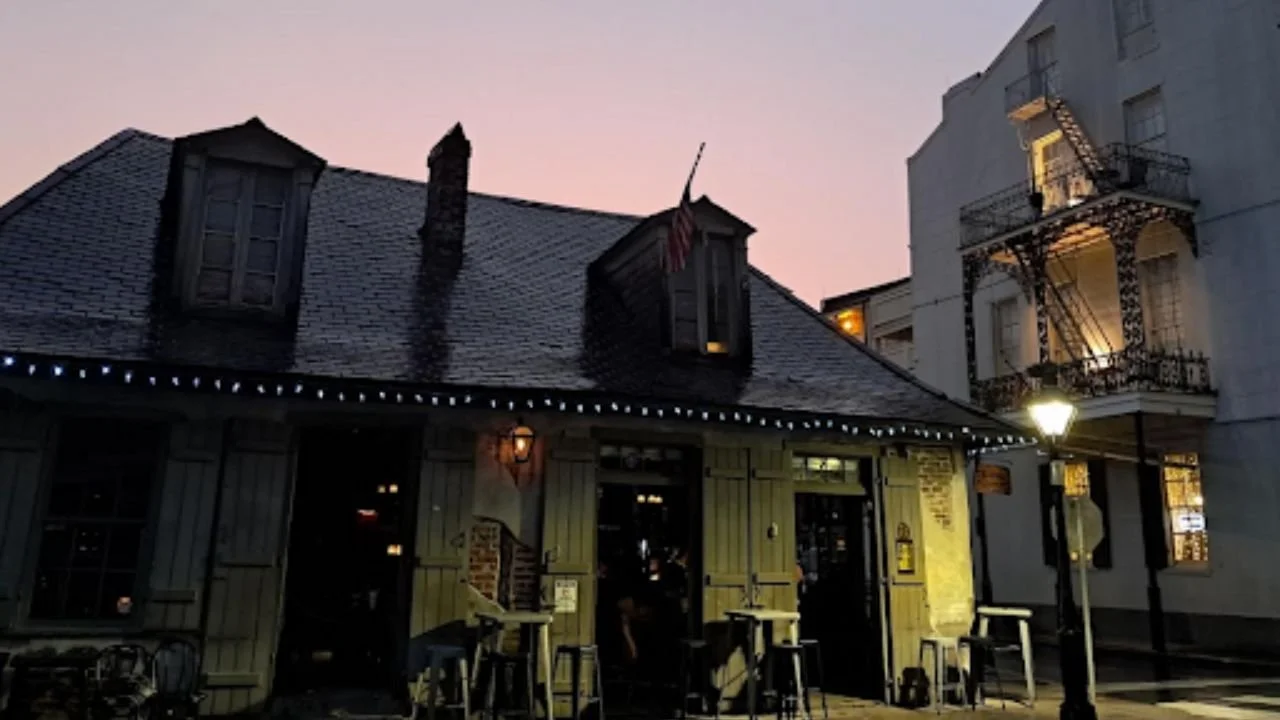
In New Orleans, Lafitte ran a public-facing business front. According to legend, the Blacksmith Shop on Bourbon Street served as cover. It looked like a normal workshop to outsiders, but behind it, smuggling deals were quietly arranged.

Local buyers moved goods through hidden supply routes. City officials often ignored the operation. The network survived for many years because of corruption. 

The American government viewed Lafitte as a criminal leader and Louisiana’s governor offered a reward for his capture. But Lafitte mocked the offer with open sarcasm. He even offered money for the governor’s kidnapping.

By 1814, federal forces attacked his base at Barataria. American officers seized ships, cannons, and cargo and many of his men were captured. Lafitte himself escaped, but his power was weakened. His influence remained, but his control declined. This collapse pushed him toward a new alliance.

The September 1814 Raid on Grand Terre

The raid on Grand Terre occurred in September 1814. This island served as Lafitte’s main base in Barataria Bay. During the raid, American forces seized major resources:

  • Eight ships were captured and removed

  • Twenty cannons were taken from the base

  • Roughly five hundred thousand dollars in goods were confiscated

Those goods included weapons, cargo, and trade materials. Many of Lafitte’s men were captured during the operation. His infrastructure suffered serious damage and his trading network was badly disrupted.

This raid happened months before cooperation began. It created deep mistrust between both sides. Later, these same American leaders accepted Lafitte’s help. Former enemies became wartime partners. Opposition turned into cooperation under pressure.

The British Offer and Lafitte’s Choice

While planning the campaign for New Orleans, the British saw Lafitte’s value. A British officer approached Lafitte with an offer of money and rank.

The British Offer to Lafitte: Specific Details

British planners saw Lafitte as a strategic asset. A British officer delivered a direct and formal offer. The offer included thirty thousand dollars in cash. The proposal also promised a captain’s commission in the Royal Navy.

This was a concrete military contract offer. It was strategic wartime negotiation. The British wanted Lafitte’s guidance because they wanted:

  • Access to hidden waterways.

  • Navigation support through bayous.

  • Intelligence about coastal defenses.

The deal would have changed the campaign completely. British troops could have moved inland more quickly. Supply routes would have become more secure. Local navigation obstacles would have disappeared.

Lafitte knew Louisiana waterways and bayous better than almost anyone. If he joined the British, their attack could become devastating. Instead, he decided to warn American authorities about the British plans.

He sent letters to Louisiana officials describing the British proposal. He also offered to help defend New Orleans in exchange for pardons. At first, many American officials still distrusted the pirate leader.

The First Contact With Andrew Jackson

Andrew Jackson initially saw Lafitte as a “hellish bandit.” He did not like pirates and thought they threatened American security. However, the looming British threat forced him to reconsider.

By mid December 1814, Jackson agreed to meet with Lafitte. This meeting took place as British forces approached the Gulf Coast. Jackson understood that local knowledge could offset his weaker numbers.

Lafitte promised to support the American side if his men were pardoned. He offered skilled artillerymen, sailors, and supplies for the defense. Jackson accepted the offer after considering the danger to New Orleans.

On December 19, 1814, the Louisiana legislature backed Jackson’s decision. They passed a resolution recommending pardons for Lafitte’s followers. This move opened the door for the Baratarians to serve openly.

How Lafitte’s Men Helped Jackson

Once the deal was made, Lafitte urged his men to join the Americans. Many enlisted in the New Orleans militia or as artillery specialists. Others served as sailors to man American ships defending the city.

Lafitte’s men helped strengthen defenses along key approaches. They provided cannons, gunpowder, and experienced crews for batteries. Their skill with artillery soon became extremely important in battle.

Lafitte also advised Jackson about the geography of the region. He understood where British troops might try to land and advance. His guidance shaped how the American line of defense was built.

Lafitte suggested extending Jackson’s defensive line into a nearby swamp. This move reduced the chance of British forces outflanking the Americans. Jackson accepted the suggestion, and the line became far more secure.

The Treaty of Ghent Context

One of the most important facts often gets missed. The war had technically already ended.
The soldiers simply did not know this yet. The Treaty of Ghent was signed on December 24, 1814.
This treaty formally ended the War of 1812. It was signed in Ghent, in modern-day Belgium.

However, news traveled very slowly in that era. There were no telegraphs and no rapid communication systems.
Neither army knew the war was over. Neither side had received the treaty news. Neither command had official confirmation.

The Andrew Jackson Battle of New Orleans

The Battle of New Orleans happened on January 8, 1815. This fighting occurred fifteen days after the Treaty of Ghent signing. However, news of peace had not reached North America. As a result, both armies believed the war continued.

British forces advanced toward the city with full confidence. American defenders prepared because the invasion still felt real. Because of this delay, history remembers a battle after peace. Even with a signed treaty, the battlefield still demanded blood.

Andrew Jackson built his defensive line along the Rodriguez Canal. This canal formed a natural barrier outside New Orleans. Earthworks and artillery strengthened the defensive position. Together, these fortifications created a deadly kill zone.

Jackson’s army came from many different backgrounds. His force included regular soldiers and local militia. Frontiersmen fought beside free African Americans and Native allies. Sailors and river men also filled the defensive lines.

About fifty Baratarians manned key artillery positions. Their gunners controlled several heavy cannons along the canal.
Two leaders, Dominique You and Renato Beluche, commanded batteries. Their disciplined fire shattered repeated British advances.

British troops were highly trained professional soldiers. Many were Napoleonic War veterans with battlefield experience. These men had defeated European armies across multiple campaigns. Confidence from past victories shaped their aggressive assault strategy.

Major General Edward Pakenham led the British attack. His troops advanced in tight formations across open ground. Jackson’s artillery and rifle fire tore through their lines. British ranks collapsed under relentless defensive fire.

American losses remained extremely low during the battle. But British casualties reached devastating levels within a short time. This victory transformed Jackson into a national hero overnight.

Exact Casualty Numbers

These numbers reveal how uneven the battle truly was.

Battle Casualties at New Orleans

British Forces
Total Losses: Approximately 2,459
Killed: 386
Wounded: 1,521
Missing: 552

American Forces
Total Losses: Approximately 333
Killed: Not separately listed
Wounded: Not separately listed
Missing: Not separately listed

British losses were extremely heavy during the main assault.Large formations advanced into concentrated American fire. Poor visibility and terrain increased confusion during the attack. British officers were also heavily targeted during the fighting.

American losses remained comparatively low across the battlefield. American positions were protected because of defensive earthworks. Prepared artillery lines created devastating defensive fire. American defense was strongly protected by terrain and fortifications.

Quick Look at Key Details

Jackson arrives in New Orleans
What happened: Andrew Jackson arrives in New Orleans on December 1, 1814, and finds the city poorly defended.

Lafitte’s offer
What happened: Jean Lafitte promises support if his men receive pardons.

Legislature action
What happened: The Louisiana legislature passes a resolution on December 19, 1814 supporting pardons for Lafitte’s men.

Main battle date
What happened: January 8, 1815 — the final major clash of the Battle of New Orleans.

Lafitte’s role
What happened: Lafitte supplies artillery crews, strategic advice, and logistical support.

Result
What happened: A decisive American victory and rising national fame for Andrew Jackson.

Why Jackson Needed Lafitte So Badly

Jackson was brave and aggressive. But he lacked certain resources. He needed more gunpowder, more cannons, and more experienced artillerymen. The regular army alone could not fully cover all approaches to the city.

Lafitte’s men filled exactly those gaps at the right moment. They were used to handling shipboard cannons under dangerous conditions. That experience translated into accurate fire from the earthworks.

Their knowledge of the bayous also helped Jackson deploy his forces. They understood where the ground turned to marsh and where troops could pass. This understanding turned difficult terrain into a defensive advantage.

In a sense, the Andrew Jackson battle of New Orleans combined two worlds. One world was the formal army with uniforms and official ranks. The other world was the shadowy domain of smugglers and privateers. 

What Happened to Lafitte After the Battle

After the victory, the United States recognized Lafitte’s contribution. President James Madison granted full pardons to the Baratarians. Their wartime service wiped away many of their earlier offenses.

However, Lafitte did not fully become a quiet citizen after the war. He eventually left Louisiana and resumed privateering elsewhere in the Gulf. His later adventures took him toward  Texas and beyond official control.

Jackson’s path moved in a very different direction after New Orleans. The battle helped launch his national political career on a grand scale. He later became the seventh president of the United States.

Still, their brief alliance remains one of the war’s most dramatic stories. An American general and a Gulf pirate stood together against a global empire. Their unlikely partnership helped secure the city and the young nation.

Why This Story Still Fascinates New Orleans

New Orleans is a city where history and legend mix every night. The story of Jackson and Lafitte fits perfectly into that mood. You have politics, war, smuggling, and a dramatic last stand.

Walk through the French Quarter, and you still feel echoes of that time. Streets near the river once saw Lafitte’s goods move in secret. Nearby fields and plantations became the line where Jackson made his stand.

Stories about Lafitte’s hidden tunnels, treasure, and ghostly appearances still circulate. Some locations claim ties to his operations or his followers.  That mix of real history and whispered myth shapes the city’s character.

The Andrew Jackson battle of New Orleans is not just a textbook event. It is a living narrative woven into tours, tales, and local legends. Visitors hear about generals, pirates, ghosts, and the city’s darker corners. This keeps their interest alive. 

Stroll Lafitte’s Pirate Paths with Hottest Hell
The Dim Corner tour by Hottest Hell explores hidden New Orleans true crime, hauntings, and dark folklore beyond the tourist paths

Hottest Hell Tours lets you trace the shadowy steps of Lafitte and Jackson. Start at Armstrong Park near the French Quarter, where pirate whispers linger.​ Our adults-only Walking the Devil’s Empire tour reveals New Orleans’ wicked past.

Guides share true stories of murder, crime, and hauntings from the era. Visit Lafitte’s Blacksmith Shop, one of America’s oldest bars and pirate haunts.​ Hear how smugglers like Lafitte operated in these very streets before the battle.​

Small groups of twenty or fewer ensure personal tales of the pirate-general pact.​ Our locally owned experts avoid tricks and focus on researched, real history.​ It’s perfect for feeling the pulse of the city that pirates helped defend in 1814.
The Women of the Civil Rights Movement in New Orleans (NOLA)

When people talk about the Civil Rights Movement, we often hear the same big names again and again. But in New Orleans, the movement was carried forward by strong, brave, and determined women. These women organized, marched, taught, cooked, protected children, challenged laws. They built community power from the ground up.

This is a story of five women who shaped civil rights in NOLA. Not with fame. Not with slogans. But with daily action, deep courage, and a belief that change was possible.

Quick Overview

Ruby Bridges
Role in the Movement: Student & symbol of school integration
Why She Matters: Changed history at age 6

Oretha Castle Haley
Role in the Movement: Organizer & protest leader
Why She Matters: Built movement strategy in NOLA

Sybil Morial
Role in the Movement: Educator & community leader
Why She Matters: Built institutions for long-term change

Dorothy Mae Taylor
Role in the Movement: Activist & politician
Why She Matters: Took civil rights into lawmaking

Leah Chase
Role in the Movement: Community anchor
Why She Matters: Fed, supported, and protected activists

Ruby Bridges

Ruby Bridges was just six years old when she became part of American history. She was born in 1954 in Mississippi and grew up in New Orleans. Ruby Bridges' early life was simple and quiet. She was a normal child with a normal family. But in 1960, her life changed forever.

Ruby didn’t choose to become a civil rights symbol. She didn’t plan to be brave. She didn’t understand politics or racism. She was just a little girl who wanted to go to school.

But the school she went to would make her a global symbol of courage.

Ruby Bridge’s Contribution

In 1960, Ruby Bridges made history when she became the first Black child to integrate William Frantz Elementary School. It was a previously all-white public school in New Orleans. She was just six years old. She didn’t understand politics. She didn’t understand hate. She only knew she was going to school.

Every single day, federal U.S. marshals escorted Ruby into the building to keep her safe. Outside, angry crowds shouted at her. Parents pulled their children out of the school. Most teachers refused to teach her. For nearly the entire year, Ruby sat alone in a classroom with just one teacher, Barbara Henry. She was the only teacher willing to teach her.

No classmates.
No friends in the room.
No normal school days.
Just a child, a teacher, and a locked classroom.

Ruby was not alone in history, even though her classroom was empty. She was one of “The New Orleans Four,” alongside Leona Tate, Tessie Prevost, and Gail Etienne. These were four young girls who helped desegregate New Orleans schools. They helped change the future of education in the city.

Ruby’s walk into school became one of the most powerful images of the Civil Rights era. It was later immortalized in Norman Rockwell’s famous painting, The Problem We All Live With. It shows a small Black girl walking past a wall marked with racist graffiti, protected by federal marshals. That image traveled the world. It forced people to see racism through the eyes of a child.

And through all of it, Ruby kept showing up.

She didn’t shout.
She didn’t protest.
She didn’t argue.
She walked.

Her impact was real and lasting:

  • She helped break school segregation in New Orleans

  • She became a global symbol of peaceful resistance

  • She exposed the cruelty of racism through the innocence of a child

  • She showed that courage doesn’t always look loud

Today, Ruby Bridges is still doing the work. The Ruby Bridges Foundation was established in 1999.

Key Initiatives Of The Foundation

Educational Programs

The foundation works to spread dialogue and inclusivity in schools.

Ruby Bridges Walk to School Day

This is an yearly event held on November 1. It encourages students and communities to stand against racism and discrimination.

Advocacy & Awareness

Ruby Bridges uses the foundation as an outlet as well. Through this medium, she shares her lived experience as a civil rights icon. Ruby spreads the message that "racism is a grown-up disease, and we must stop using our children to spread it".

Empowering Youth

The foundation trains the next generations to take action for the promotion of social justice in society.

Oretha Castle Haley

Oretha Castle Haley was a leader, organizer, and strategist. She wasn’t just part of protests. She helped design them. Haley believed in planning, structure, and community power.

She grew up in New Orleans and became deeply involved in civil rights work as a young woman. While others spoke on stages, Oretha worked behind the scenes. She built systems that made movements possible. Oretha believed in organized resistance, not chaos.

Oretha Castle Haley’s Contribution

Oretha Castle Haley wasn’t just part of the movement in New Orleans. She helped run it. From 1961 to 1964, she served as president of the New Orleans chapter of CORE (Congress of Racial Equality). That put her at the center of organizing, planning, and strategy during some of the city’s most important civil rights actions.

She didn’t believe in random protests.
She believed in organized pressure.
Planned action.
Clear goals.
Real structure.

Oretha helped lead some of the most important campaigns in the city:

  • The Woolworth’s sit-ins in September 1960

  • The Canal Street boycotts, targeting segregated businesses

  • Support work connected to the Freedom Rides

  • Large-scale demonstrations and marches across the city

  • Coordinated student and youth protests

But a lot of the real movement work didn’t happen in public.

It happened in her home.

Her family house became known as Freedom House. It was seen as a safe space where activists met, planned, trained, organized, and built strategy. It wasn’t just a house. It was a movement hub. A planning center. A shelter. A classroom for young organizers.

Activism ran in her family. Her mother, Virgie Castle, worked at Dooky Chase's Restaurant. It was one of the most important safe spaces for civil rights leaders in the city. Her sister, Doris Jean Castle, was also deeply involved in activism. This wasn’t a solo mission. It was a family commitment.

Oretha also believed deeply in young leadership. She trained students. Gave them structure. Gave them responsibility. Gave them real roles, not symbolic ones. She made sure young people weren’t just showing up. They were leading.

And her work didn’t stop in New Orleans.

She helped lead voter registration drives in rural Louisiana. She traveled to small towns where fear and violence were used to keep Black citizens from registering to vote. She helped people understand their rights. Helped them face threats. Helped them claim political power in places where it was actively denied.

Her impact in New Orleans was deep and lasting:

  • Built long-term organizing networks

  • Connected churches, students, families, and communities

  • Created sustainable activist systems

  • Turned protest into structure

  • Helped move civil rights from the streets into policy

Her legacy is written into the city itself. In 1989, a portion of Dryades Street was officially renamed Oretha Castle Haley Boulevard. It’s a public reminder of the woman who helped reshape the city’s civil rights history.

Sybil Morial

Sybil Morial was an educator, a civil rights leader, and a builder of institutions. She believed that true freedom didn’t come only from laws. It came from education, access, and opportunity.

She was married to Dutch Morial, the first Black mayor of New Orleans. However, Morial was a powerful leader in her own right long before politics entered her life. Sybil believed in long-term change, not quick wins.

Sybil Morial’s Contribution

Sybil Morial believed that real freedom meant more than laws. It meant access. Education. Opportunity. Power. Systems that couldn’t be easily taken away.

Her fight started early. In 1954, she applied to graduate school at Tulane University. She was denied because she was Black. That rejection shaped her path. From that moment on, she focused on building structures that made discrimination harder to repeat.

Sybil was an educator at heart. She built a career in teaching and leadership. She believed schools were one of the strongest tools for long-term change. She didn’t just support education. She worked inside it.

When she was denied membership in the League of Women Voters, she didn’t give up on civic life. Sybil founded the Louisiana League of Good Government. It created a space for Black political education and voter empowerment.

She also helped co-found the New Orleans Urban League, building long-term systems focused on:

  • Education access

  • Youth development

  • Economic opportunity

  • Community leadership

  • Workforce training

Sybil was deeply involved in school desegregation battles in New Orleans. She worked to protect children, support families, and push for real integration.

Her work was about permanence, not moments.

Her timeline shows that long vision:

  • Civil rights organizing and education work in the 1950s–60s

  • Co-founding major civic institutions

  • 1978: Her husband, Dutch Morial, became the first Black mayor of New Orleans

  • Decades of continued leadership, mentorship, and institution-building

She also helped shape future leaders. A noteworthy name here is Dorothy Mae Taylor. She opened doors for Black women in politics and public life.

Sybil Morial helped move the movement forward:

marching → building
protesting → governing
fighting → sustaining

Sybil didn’t just fight for change. She built the systems that made change last.

Dorothy Mae Taylor

Dorothy Mae Taylor was a civil rights activist who became a political leader. She believed that protest alone was not enough. According to her, laws had to change too.

She didn’t just fight the system. She entered it.

Dorothy became the first Black woman elected to the Louisiana House of Representatives, representing New Orleans.

Dorothy Mae Taylor’s Contribution

Dorothy Mae Taylor didn’t leave the movement when the protests ended.  She took it straight into government.

Her story began in the streets. In the 1960s, she worked with the Congress of Racial Equality.
She joined sit-ins.
She joined boycotts.
She organized.
She protested.
She learned how power worked.

Then she changed her strategy. In 1971, she became the first Black woman elected to the Louisiana House of Representatives. She served until 1980. Not as a symbol, but as a lawmaker.

In 1986, she broke another barrier as the first Black woman elected to the New Orleans City Council, serving until 1994.
Two historic firsts.
Two doors forced open.

Her most important achievement came in 1991. Taylor led a landmark anti-discrimination ordinance in New Orleans. It protected people from discrimination based on:

  • Race

  • Religion

  • Sex

  • Sexual orientation

  • Disability

The ordinance became one of the most comprehensive civil rights laws in the South at the time.

Taylor also worked on:

  • Employment discrimination

  • Fair housing protections

  • Public accommodations enforcement

  • Equal access to public services

Her path was clear:

activist → organizer → legislator → policy maker

She was shaped by leaders like Sybil Morial and Oretha Castle Haley. Dorothy later became a mentor herself. She opened doors for Black women entering politics.

Her public career spanned 23 years. She proved something simple and powerful:

The movement doesn’t end in the streets. It has to live in the law.

Dorothy Mae Taylor didn’t just fight the system. She rewrote it.

Leah Chase

Leah Chase was not a protest leader in the traditional sense. She didn’t lead marches. She didn’t give speeches.

She fed the movement.

Chase was the owner of Dooky Chase's Restaurant. It’s a  legendary Black-owned restaurant in New Orleans. But more than that, she was a protector, supporter, and quiet backbone of the movement.

Leah Chase’s Contribution

Leah Chase didn’t lead protests. She created a safe place for the people who did.

In the Tremé neighborhood, she turned Dooky Chase's Restaurant into a quiet center of the Civil Rights Movement. It wasn’t just a restaurant. It was a refuge. A planning space. A sanctuary.

Leaders met there often. People like Thurgood Marshall, A. P. Tureaud, Dutch Morial, and members of Congress of Racial Equality sat at her tables. They planned strategies. Shared information. Built trust.

Much of the organizing happened upstairs, in a private meeting room. That’s where plans were made. That’s where decisions took shape. Often over bowls of gumbo.

What she did was dangerous. At the time, it was illegal for Black and white people to meet together in public spaces. By allowing integrated meetings, Leah Chase risked her business and her safety.

She still did it.

She supported the movement by giving:

  • Food

  • Space

  • Safety

  • Privacy

  • Dignity

Her power was in care.

She also became a cultural icon. Chase is known as the “Queen of Creole Cuisine.” After Hurricane Katrina, she helped rebuild, becoming a symbol of resilience and continuity in New Orleans.

Today, Dooky Chase’s Restaurant is still open. Still serving. Still telling its story. It’s now part of civil rights tourism in the city. This is a place where history and culture live side by side.

Leah Chase didn’t just feed people.

She fed a movement.

Historical Timeline – Women of the Civil Rights Movement in NOLA

1954

Ruby Bridges

Oretha Castle Haley

Sybil Morial
Denied admission to Tulane graduate school because she was Black

Dorothy Mae Taylor

Leah Chase
Running Dooky Chase’s in Tremé

Late 1950s

Ruby Bridges

Oretha Castle Haley
Youth organizing begins

Sybil Morial
Education and civic organizing

Dorothy Mae Taylor
Early activism begins

Leah Chase
Dooky Chase’s becomes community hub

1960

Ruby Bridges
Integrates William Frantz Elementary School

Oretha Castle Haley
Leads Woolworth’s sit-ins

Sybil Morial
School desegregation involvement

Dorothy Mae Taylor
CORE activism, sit-ins & boycotts

Leah Chase
Civil rights leaders meet at restaurant

1961–1964

Ruby Bridges

Oretha Castle Haley
President of New Orleans CORE chapter

Sybil Morial
Institution building

Dorothy Mae Taylor
CORE organizing

Leah Chase
Strategy meetings at Dooky Chase’s

1960s

Ruby Bridges
Symbol of school desegregation

Oretha Castle Haley
Canal Street boycotts, Freedom Rides support

Sybil Morial
Co-founds New Orleans Urban League

Dorothy Mae Taylor
Activist → political transition

Leah Chase
Feeding and protecting activists

1971

Ruby Bridges

Oretha Castle Haley

Sybil Morial
Community leadership

Dorothy Mae Taylor
Elected to Louisiana House (first Black woman)

Leah Chase
Cultural leadership

1978

Ruby Bridges

Oretha Castle Haley

Sybil Morial
Dutch Morial becomes mayor of New Orleans

Dorothy Mae Taylor

Leah Chase
Cultural icon status grows

1980

Ruby Bridges

Oretha Castle Haley

Sybil Morial
Institution building continues

Dorothy Mae Taylor
Ends Louisiana House service

Leah Chase

1986

Ruby Bridges

Oretha Castle Haley

Sybil Morial
Mentorship role

Dorothy Mae Taylor
Elected to New Orleans City Council (first Black woman)

Leah Chase

1989

Ruby Bridges

Oretha Castle Haley
Oretha Castle Haley Blvd named

Sybil Morial

Dorothy Mae Taylor

Leah Chase

1991

Ruby Bridges

Oretha Castle Haley

Sybil Morial

Dorothy Mae Taylor
Landmark anti-discrimination ordinance passed

Leah Chase

1994

Ruby Bridges

Oretha Castle Haley

Sybil Morial

Dorothy Mae Taylor
Ends City Council service

Leah Chase

Post-Katrina (2005)

Ruby Bridges
Public education work

Oretha Castle Haley
Legacy recognized

Sybil Morial
Legacy leadership

Dorothy Mae Taylor
Legacy impact

Leah Chase
Rebuilds Dooky Chase’s

Present Day

Ruby Bridges
Ruby Bridges Foundation

Oretha Castle Haley
Historic recognition

Sybil Morial
Leadership legacy

Dorothy Mae Taylor
Political legacy

Leah Chase
Dooky Chase’s still operating

Hottest Hell Tours: Where History Meets Meaning

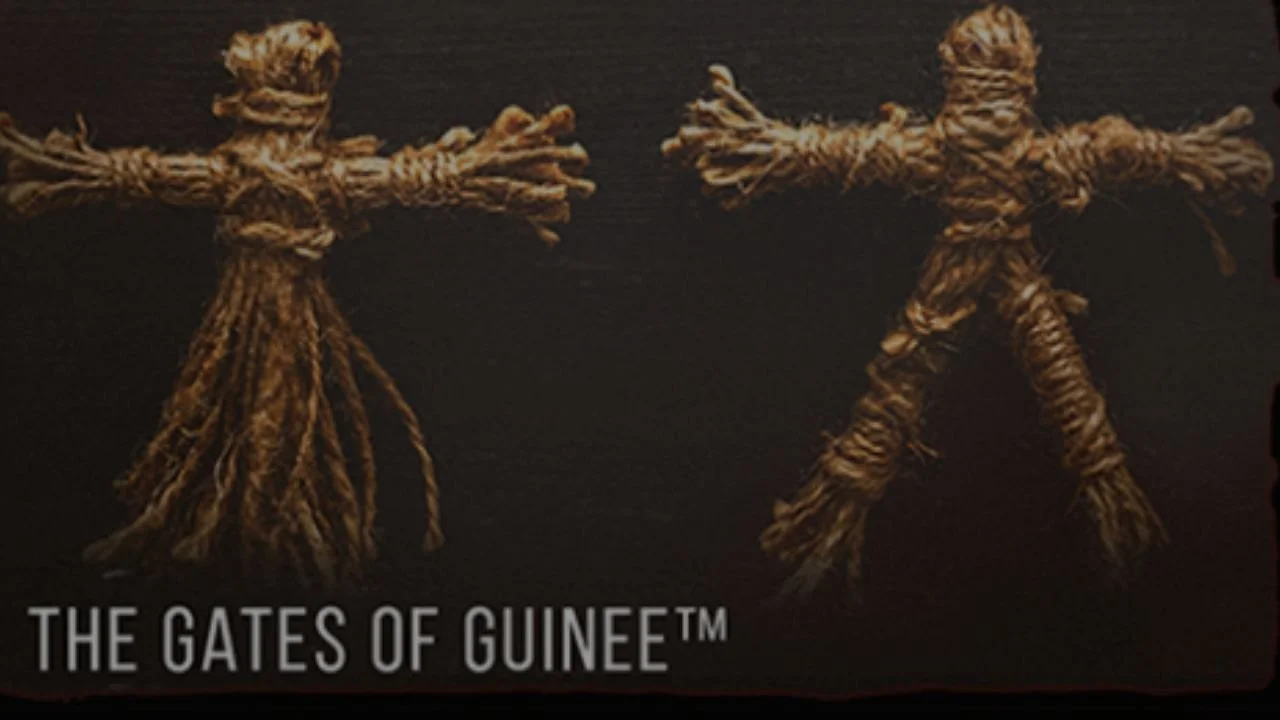
The Gates of Guinee by tour by Hottest Hell explores the real history of Voodoo in New Orleans, separating myth from truth.

At Hottest Hell Tours, we believe in the power of real stories. We do not tell tales for fright or shock. We tell history with care, truth, and respect.

Our tours explore:

  • Haunted history of New Orleans

  • Cultural memory and meaning

  • Dark heritage rooted in real life

  • Social history that shaped this city

  • Human belief systems and survival stories

  • The space between fact and fear

We offer:

Final Thoughts

The women of the Civil Rights Movement in New Orleans didn’t always get headlines. Many of them didn’t want them. But their impact shaped the city, the laws, the schools, and the future.

They didn’t all lead from the front.
Some led from kitchens.
Some led from classrooms.
Some led from offices.
Some led from the streets.
Some led from government halls.

But all of them led.

And New Orleans is different because of them.

This isn’t just history. It’s a living legacy. It’s everyday courage.  Most of all, it’s real change.

And it’s a reminder that movements are built by people who keep showing up, even when no one is watching.

Jazz Without the Axe: The Rise of Buddy Bolden

Buddy Bolden changed music forever without leaving a single recording. That alone tells you how powerful his impact was. No records. No film. No voice on wax. And yet, the roots of jazz trace straight back to him. If jazz is a river, he is one of the first deep springs.

This is the story of how a man with a cornet, a loud sound, and a bold spirit helped shape a whole genre. Not through fame. Not through albums. But through living music, street by street, block by block, in New Orleans.

Who Was Buddy Bolden?

Buddy Bolden was born in New Orleans in 1877. His father, Westmore Bolden, worked as a laborer. His mother, Alice Harris, raised the family after his father died young. Bolden’s grandfather had been enslaved. That history shaped the world Bolden grew up in.

He was raised in working-class neighborhoods like Central City and the Irish Channel. These were busy areas. People worked hard. Life was loud. The streets were always full. Music was everywhere. Not on stages. Not in theaters. On sidewalks and porches.

Bolden went to Fisk School, a local school for Black children. It was a simple education. Basic reading. Basic math. Nothing elite. But the streets taught him just as much as the classroom.

His neighbor, Manuel Hall, taught him how to play the cornet. It was not formal training. No lessons. No sheet music. Just showing him how to hold it, blow it, and shape sound.

Church shaped his ears early. Baptist hymns gave him melody. Brass bands gave him power. Street vendors gave him rhythm. Parades gave him movement.

Before music paid anything, Bolden worked as a laborer. He did physical jobs. Long hours. Low pay. Music was not his career at first. It was part of life.

By 1902, that changed. He became a full-time musician. Not because of fame or money. But because people followed his sound.

He played the cornet loud and rough. Not clean. Not polite. Not careful. His horn cut through noise, crowds, and traffic. People said they could hear him from blocks away.

That sound made him known. Not as a star or a celebrity. But as a force in the city.

Why Buddy Bolden Matters

Jazz did not begin in studios or concert halls. It started in streets, yards, bars, and dance rooms. It grew where people lived, worked, and gathered. Buddy Bolden helped change that world into something new.

One of his biggest shifts was rhythm. He pushed a beat pattern known as the Big Four. This rhythm broke away from stiff marching band timing. It swung, moved, and made bodies move with it. This rhythm later became a core part of jazz.

Bolden also changed how music was played. Most trained musicians followed written notes.
They read sheet music and stayed inside the rules. Bolden did not play that way.

He played by ear. He changed songs in real time. He bent notes, stretched rhythm, and improvised freely. No two performances sounded the same. This way of playing became the heart of jazz.

His blues style was also new. Blues before Bolden were slower and more formal. He made it louder and more emotional. Bolden turned feeling into sound. Pain. Joy. Anger. Hope.
All of it came through the horn.

The music scene was competitive. New Orleans had many strong bands. Creole orchestras were trained and formal. Black street bands were raw and loud. Groups led by musicians like Robichaux played clean and structured music. Bolden’s band played loose, fast, and free.

Crowds noticed the difference. Younger musicians learned from him. They copied his sound and style. They carried his ideas forward. This included players who later shaped jazz history, like King Oliver, Freddie Keppard, Jelly Roll Morton, and Sidney Bechet.

Bolden changed music because he broke the rules first. He made space for freedom and improvisation. Most importantly, he made space for feeling. That space became jazz.

Jazz Before Jazz Had a Name

Back then, people did not call it jazz. They called it:

  • hot music

  • rough music

  • street music

  • dance music

  • ragtime

It lived in places like:

  • social halls

  • back rooms

  • saloons

  • parades

  • neighborhood yards

Music was not for stages. It was for people. Bolden played for people like dancers, drinkers, and workers. His goal was not perfection. It was a feeling.

The Bolden Band Sound

Buddy Bolden led a small group. But the sound felt huge. People remembered it for three simple reasons:

  • Volume
    His horn was loud. Very loud. You could hear it from far away. It cut through street noise and crowds.

  • Freedom
    The band did not follow strict rules. Notes were bent. Songs were changed. Music flowed without limits.

  • Energy
    The sound made people move. Feet tapped. Bodies swayed. Dancing came easy.

This was not soft music.  It was raw.  It was alive.

His Famous Songs

Funky Butt

Also known as “Buddy Bolden’s Blues,” this was his signature song. It was loud, heavy, and built for packed dance halls. The rhythm pushed people to move, and the sound filled hot, crowded rooms. The word “funky” came from the real feeling of those spaces. Heat, sweat, noise, and bodies close together. When people described Bolden’s sound, this song was the example. This is available in the Library of Congress, played by Jelly Roll Morton.

Careless Love

This song showed a softer side of Bolden’s music. It focused on heartbreak and loss, using a slow, simple melody that people could feel even if they didn’t know the words. His version was about emotion, not skill or show. The music gave the crowd space to slow down and connect to something personal.

Get Out of Here and Go Home

This was the band’s closing song at the end of the night. When people heard it, they knew the music was over. It was time to leave. The song worked like a signal to the crowd. It helped calm the room and close the space. This shows how Bolden used music not just for sound, but to control the flow of the night.

The Bolden Band: The People Behind the Sound

Buddy Bolden was not a solo force. His sound came from a group. These men helped shape the energy, volume, and feel that people remembered.

Core members of the Bolden Band:

  • Willie Cornish (valve trombone)
    Willie Cornish gave the band its weight. His trombone sound was deep and strong. The tone filled the space around the music. It made the band feel big and powerful. When Bolden played loud, Cornish made the sound feel heavy and grounded. That balance turned raw noise into structure. The band felt full because of him.

  • Frank Lewis (clarinet)
    Frank Lewis carried the melody. His clarinet added motion and color to the sound. While the brass brought power, he brought flow. The music felt alive instead of chaotic because of his lines. Shape came from his playing. People could follow the music, not just feel it. Memory and feeling stayed with the sound because of him.

  • Jimmy Johnson (bass)
    Jimmy Johnson held everything together. His bass kept the rhythm steady and clear. The pace of the music stayed controlled. Dancers always had something solid to move to. Without his playing, the sound would have fallen apart. With his rhythm, the band stayed tight even when the music got wild. 

Where Buddy Bolden Played

Buddy Bolden’s music lived in open spaces and rough dance rooms.

Lincoln Park

Lincoln Park was one of his most famous performance spaces. The place carried deep social meaning. It was a segregated park reserved for Afro-American communities in New Orleans, and it no longer exists today.

On Sundays, his performances there became local legend. People arrived in groups; families, workers, dancers, children. All filled the space until the park itself felt like a living stage.
Music blended with food, movement, and street noise. And above it all, Bolden’s horn cut through the air. The sound was so powerful that you didn’t need to see him to feel him.

Funky Butt Hall (Union Sons Hall)

This was his main home base. It was loud. Hot. Packed. Sweat, smoke, and sound filled the room.

The floor shook from dancing. People pressed close to the band. The air stayed thick with heat and music.

This is where the “funk” name came from. Not clean. Not polished. Just raw joy and wild rhythm.

Johnson Park

Johnson Park was a rival space. It was right around the corner from Lincoln Park. It was another place for bands. Another place for crowds. Bolden played here too. So did other groups. People compared the sounds.

Some nights, crowds chose sides. Some nights, they followed the loudest horn. And often, that horn belonged to Bolden.

No Records, No Proof, Still a Giant

Here’s the strange part. There are no recordings of Buddy Bolden. So how does someone become legendary without proof?

Through memory.
Through stories.
Through influence.
Through the musicians who came after him.

People who heard him told others. Those people told others. The sound lived on through:

  • Style

  • Rhythm

  • Structure

  • Approach

  • Spirit

Jazz history kept his name alive.

The Why Behind His Rise

Why did his music matter so much? Because people needed it.

Life in New Orleans was not easy. Work was hard. Money was tight. Racial walls were strong. Rules were heavy.

Music became a release. Bolden’s sound gave people space to breathe. It was loud when life was quiet. Free when life was strict. Wild when life was controlled. It made people feel seen.

Mental Health and a Hard End

Buddy Bolden did not fade slowly. His life broke fast, and in public.

By 1906, his health began to change. Heavy drinking became a daily habit. Friends noticed mood swings. Bolden’s behavior became unstable. Work became harder to keep.

That same year, he was arrested more than once for public disturbances. These were not violent crimes. They were signs of collapse. Confusion. Agitation. Loss of control.

In 1907, everything broke open. During a street parade, Bolden had a public breakdown. He became disoriented and shouted.  He could not function normally. People saw it happen.

Soon after, he attacked his own mother with a water pitcher. He believed she was trying to poison him. This was paranoia, not anger. His mind no longer felt safe to him.

Bolden was arrested and evaluated by doctors. They diagnosed him with dementia praecox. That was the early medical term for what we now call schizophrenia. At the time, this diagnosis meant permanent institutional care.

Bolden was committed to the Louisiana State Insane Asylum in Jackson. He would never leave. He lived there for more than 24 years.

Some historians believe another illness may have played a role. There is a theory that Bolden suffered from pellagra. This disease comes from severe vitamin B3 deficiency. It can cause confusion, psychosis, memory loss, and paranoia. Poor nutrition and poverty made pellagra common at the time. This theory does not replace mental illness. It adds context to how fragile his health really was.

Bolden died in 1931. He was buried in Holt Cemetery, a cemetery for the impoverished, in New Orleans. There was no grave marker, name, stone, or sign. For decades, his resting place was unknown. In 1998, a monument was finally placed in his honor.

What We Learn From His Life

This story teaches simple truths.

  • Culture starts small

  • Sound moves faster than fame

  • Roots matter

  • Memory matters

  • Stories carry history

  • Not all legends are recorded

Some live only in echoes.

Key Moments in His Life

1877
Born in New Orleans

1890s
Begins playing cornet

Early 1900s
Leads Bolden Band

1907
Mental breakdown and arrest

1907–1931
Lives in a state hospital

1931
Death

A Personal Thought

There is something powerful about a person who changes the world without proof.

No brand.
No platform.
No marketing.
No archive.

Just sound and impact. That kind of legacy feels rare today. It feels human.

Questions Worth Sitting With

  • Does art need proof to matter?

  • Does history favor the loudest names or the deepest roots?

  • Who else shaped culture but has been  forgotten?

  • How many stories live only in memory?

Not every legend leaves a trace. Some leave a current.

History Still Has a Pulse

Buddy Bolden’s story shows that history is not clean or perfect. It is made of real people, real struggles, and real mistakes. Some stories are remembered, and some are forgotten. Many lives change the world without leaving records behind. History does not live only in old buildings, names, or plaques. It lives in stories passed from person to person. It lives in memory, music, and meaning. And as long as those stories are told, history is still alive.

Hottest Hell Tours: History Without Hype

The Dim Corner tour by Hottest Hell explores hidden New Orleans true crime, hauntings, and dark folklore beyond the tourist paths

Hottest Hell Tours exists for stories like this. Not myths. Not jump scares. Not fake legends.

Real history. Real people. Real culture. The team is historian-led and woman-owned that focuses on truth, not gimmicks.

What Hottest Hell Offers

Walking the Devil’s Empire

A haunted history walking tour rooted in real records and real stories. Crime. Folklore. Vampires. History. No fake tales. No shock tricks.

The Dim Corner

An alternative true crime and haunted route for repeat visitors.  Lesser-known stories.
Deep research. Hidden history.

The Gates of Guinee Voodoo Tour

A historically accurate New Orleans Voodoo experience. Real traditions. Real people.
Real culture. No stereotypes. No myths. No fantasy narratives.

7 Creepy But Captivating Mythical Creatures of Louisiana

Louisiana has a deep, layered culture. It blends French, Spanish, African, Caribbean, Indigenous, and American roots. So it makes sense that its myths feel rich, complex, and haunting.

This guide explores Louisiana's mythical creatures in a way that respects history, culture, and folklore. These stories come from Louisiana folklore, oral history, and cultural memory.
Some are dark. Some are strange. Some are symbolic. But all are part of how people made sense of fear, nature, and the unknown.

Quick View: Louisiana Mythical Creatures List

Rougarou
Origin: Cajun folklore
Type: Shapeshifter

Honey Island Swamp Monster
Origin: Wetland folklore
Type: Cryptid

Grunch
Origin: New Orleans folklore
Type: Urban cryptid

Letiche
Origin: Cajun tradition
Type: Night spirit

Feu Follet
Origin: French folklore
Type: Ghost light

Cauchemar
Origin: Creole belief
Type: Night spirit

Swamp Boogeyman
Origin: Regional folklore
Type: Fear figure

1. Rougarou

(The most famous of all Louisiana folklore creatures)

The Rougarou is the best known name in Louisiana legend. It comes from the French word loup-garou, meaning werewolf.

But the Louisiana rougarou is not a movie monster. It is a folk figure.

In Cajun culture, the Rougarou:

  • Walks on two legs

  • Moves like a man

  • Has animal features

  • Lives near swamps and woods

  • Appears at night

  • Preys on fear, not bodies

The real Louisiana rougarou story was often used as:

  • A warning tale

  • A moral lesson

  • A way to scare kids from danger

  • A way to explain fear in wild spaces

It was never just a monster. It was a symbol. Rougarou stories reflect:

  • Isolation

  • Survival fear

  • Wilderness danger

  • Moral rules

  • Community control

2.Honey Island Swamp Monster

(A modern cryptid story with older roots)

This figure comes from wetland folklore near Honey Island Swamp. It is described as:

  • Tall

  • Hairy

  • Strong

  • Animal-like

  • Human-shaped

But the story is not just an ancient myth. It is modern folklore. Still, it fits a pattern seen across cultures:

  • Fear of deep wild spaces

  • Fear of isolation

  • Fear of the unknown

  • Fear of what lives where humans don’t

Some versions of the story include train accident theories and animal origins. But these are part of local legend, not historical fact.

This figure shows how people turn nature into a story.

When a place feels dangerous, unknown, or hard to survive in, the land itself becomes a character.

The swamp feels alive. The forest feels watchful. The wilderness feels like it has a mind of its own.

So people create creatures to give that fear a shape. Not because the land is evil. But because it is powerful, vast, and not controlled by humans.

3. The Grunch

(A New Orleans urban legend creature)

The Grunch is part of New Orleans urban folklore and modern local legend tradition. It is said to live on the edge of the city. It resides between wild space and urban space.

Stories describe it as:

  • Small

  • Hairy

  • Animal-like

  • Fast

  • Sneaky

The Grunch myth shows a pattern:

  • Border creatures

  • Edge-of-town myths

  • Threshold beings

  • Fear of the unknown beyond the city

This kind of myth appears in many cultures. It represents:

  • Outsiders

  • Fear of the unfamiliar

  • Fear of what lives just beyond safety

This story is not meant to be taken as fact. It exists to explain fear. The fear of what feels unfamiliar, unseen, and outside the safe spaces people know.

4. Letiche

(A Cajun night spirit)

The Letiche is a shadow figure in Cajun tradition. In some versions, it appears as a shadow presence or night spirit. In other versions, it is described as the spirit of an unbaptized child or a being raised in the swamps. Besides these, it appears in stories as:

  • A shape

  • A feeling

  • A sense of being watched

Different communities describe it in different ways. This shows how the story changed across regions and time.

Letiche stories were often told to:

  • Keep people indoors at night

  • Protect children

  • Prevent wandering

  • Create safety rules

These stories show how folklore is used to set rules for safety. Night becomes a time to stay inside. Dark places become spaces to avoid. Fear becomes a way to protect people, not harm them.

5. Feu Follet

(Ghost lights of the swamps)

Feu follet means “foolish fire” in French. These are glowing lights seen in swamps and wetlands. People described them as spirits, ghosts, or lost souls.

Science explains them as natural gas reactions. But folklore gave them meaning. In tradition, they were:

  • Lost spirits

  • Wandering souls

  • Trapped energy

  • Signs of death

  • Markers of danger

They are found in many cultures across the world. Louisiana gave them its own voice. They show how humans explain nature through story.

6. Cauchemar

(The night spirit of sleep)

Cauchemar  is a French/Creole word that later became the root of the English word “nightmare,” but the folklore itself comes from African spiritual traditions, not European belief systems.

In African-diaspora cultures, similar spirits appear across communities. For example, among the Gullah Geechee people in Charleston, SC, figures like Haints and Boo Hags are believed to:

  • Sit on your chest at night

  • Steal your breath

  • Cause fear dreams and panic sleep

  • Create terror visions

  • Leave you unable to rest

These beliefs developed during enslavement, where exhaustion, illness, and slowed work were often explained through stories of spirits that kept people awake all night, reflecting both cultural memory and lived trauma rather than fantasy folklore.

This myth turned a human fear into a figure people could understand. Instead of a medical condition, it became a story. Instead of confusion, it became meaningful. Cauchemar gave people a way to explain a terrifying experience that had no clear answer at the time. It made the unknown feel named, shaped, and shared, not just suffered in silence.

7. The Swamp Boogeyman

(A symbolic fear figure)

This is not one creature. It is a whole idea. Almost every Louisiana community had its own version.
Different names.
Different shapes.
Same purpose.

Some called it:

  • A swamp man

  • A shadow figure

  • A forest spirit

  • A night creature

  • A bayou watcher

It lived in the places people feared most. These included:

  • Deep woods.

  • Dark water.

  • Quiet marsh.

  • Empty paths.

  • Lonely roads.

These stories were not meant to scare for fun. They were meant to protect. These myths helped keep kids close to home. They stopped people from wandering at night. The myths also teach respect for nature. 

This is how folklore works. It turns danger into story, risk into rules, and fear into guidance.

This is not to control people, but to keep them alive.

Learning More About Louisiana Folklore

Oral History Collections

These are real recorded voices, not retold legends. They come from people who lived the culture and carried the stories.

Places like the Library of Congress archives, Louisiana State University folklore collections, and local Cajun and Creole community projects preserve first-hand memory. They show how fear, belief, and tradition were actually lived, not imagined later.

Cultural Anthropology Texts

These books study people, not monsters. They explain why stories exist in the first place.

Works like Bayou Folk by Lafcadio Hearn and cultural studies of Cajun and Creole life focus on daily experience, belief systems, and survival. They help you understand the culture behind the stories.

Folklore Studies

This field looks at how stories are created, shared, and changed. It studies meaning, not entertainment.

University folklore programs, academic journals, and field research projects document how myths move through time, across regions, and between cultures. They show how folklore grows from real life.

Regional History Archives

These hold real records, not legends. Letters. Maps. Church logs. Land records. Community documents.

State and parish archives, local history museums, and regional historical societies connect folklore to real events, real people, and real places. They show the human roots behind the stories.

Louisiana Folklore Books from Academic Presses

These are researched books, not pop culture retellings. They are sourced, reviewed, and documented.

University press publications and scholarly folklore collections protect tradition from becoming fantasy. They keep stories grounded in history, culture, and evidence.

Some good examples are:

  1. Cajun and Creole Folktales: The French Oral Tradition of South Louisiana – University Press of Mississippi

  2. Folklore Figures of French and Creole Louisiana – LSU Press

  3. In the Creole Twilight: Poems and Songs from Louisiana Folklore – LSU Press

University Research Libraries

These spaces protect rare knowledge. They store field recordings, manuscripts, and cultural studies.

Libraries at schools like Tulane University and LSU hold materials that never make it online. This is where deep research actually lives.

Cultural Preservation Groups

These groups work with communities, not over them. They document stories with care and respect.

Creole and Cajun heritage organizations and regional cultural nonprofits protect traditions without turning them into spectacle.  They keep folklore alive without exploiting it.

Why Folklore Still Matters

Folklore is not fake history; folklore is its own kind of history. They’re emotional stories. It records how people felt, not just what happened. The tradition shows:

  • What people feared

  • What people respected

  • What people protected

  • What people valued

  • What people believed

But it also shows more. It shows how people survived. In simple words:

  •  How they explained danger.

  • How they made sense of death.

  • How they lived with nature.

  • How they faced the unknown.

Folklore holds the parts of history that records cannot hold. It carries things like:
Fear and faith.

Hope and grief.

Wonder and memory.

This is why bayou mythical creatures still matter today. Not because people still believe in them as creatures. But because they carry meaning.

Hottest Hell Tours: Where History and Mystery Meet

Walking the Devil’s Empire tour by Hottest Hell explores the dark, haunted, and hidden history of New Orleans.

At Hottest Hell Tours, stories are never told for shock. They are told with care, research, respect and truth.

We believe folklore should be:

  • Ethical

  • Honest

  • Human

  • Culturally grounded

  • Historically aware

Our experiences explore:

  • Haunted history

  • Cultural memory

  • Dark heritage

  • Social history

  • Human belief systems

  • The space between fact and fear

Not campfire stories or jump scares.

Not fake legends or manufactured myths.

Just real stories, told right.

Because in Louisiana, truth is always stranger than fiction.

If you’re drawn to Louisiana folklore, cultural memory, haunted history, and ethical storytelling, Hottest Hell Tours offers experiences built on depth, not drama and meaning, not myths.

Louisiana is not haunted because of ghosts.
It is haunted because of memory.
Because of history.
Because of the stories.

And that is far more powerful than any monster.

Pierre Maspero’s: Where Jackson and Lafitte Met

Pierre Maspero’s Exchange was the place where Andrew Jackson and Jean Lafitte crossed paths in New Orleans, shaping the events that led to the Battle of New Orleans.
That meeting tied together piracy, politics, and war at one small but powerful corner of the city.

This article explains who Pierre Maspero was, why his establishment mattered, and how this meeting changed New Orleans history. It also helps place the site in real context, without myth or exaggeration.

The Original Pierre Maspero and the Exchange

The original Pierre Maspero was not a pirate, soldier, or politician.
He was a businessman.
And in early nineteenth-century New Orleans, that role carried real power.

Maspero was a French immigrant who operated a bar and boarding house near the Mississippi River. The site sat close to the docks, where ships arrived daily. Sailors unloaded cargo. Merchants waited for news. Soldiers moved through the city. Smugglers blended in without effort. This constant movement made the location valuable.

Maspero’s establishment was known as an exchange.That word means more than it sounds today. In the 1810s, an exchange was a place where the city’s merchants met to conduct all kinds of business, including the sale of people who were enslaved to rich enslavers. It was not formal. It was not regulated. But it worked.

An exchange combined several functions under one roof.  It acted as a coffee house where people gathered early in the day. It worked as a saloon where deals stretched into the night. It served as a commodity market where prices were discussed and contracts were arranged.  These exchanges stood within entire blocks devoted to the buying and selling of enslaved people. At the intersection where Maspero’s now stands, multiple surrounding buildings participated in the slave trade. These were auction houses, brokerage offices, and commission merchants operating side by side. These sales were public, routine, and deeply woven into the city’s economy. 

Because of this, exchanges often mattered more than government buildings.  Official offices moved slowly. Paperwork lagged behind events. By contrast, exchanges reacted in real time. If a ship arrived late. If a cargo was seized. If a war rumor spreads. The exchange heard it first. Decisions happened there before laws caught up.

The social role mattered just as much as the economic one.  An exchange worked as an information hub. Notices were posted. Jobs were offered. Crews were hired. Messages passed through word of mouth. If someone wanted to find a ship, a buyer, a lender, or protection, this was the place to start.

In modern terms, an exchange functioned like several systems combined.  Think of a coffee shop where deals begin. Add a job board where labor is hired. Mix in a stock exchange where prices shift by the hour. Layer on a social network where reputations are built or destroyed. All of that existed in one loud, crowded room.

Maspero understood this world well.  His exchange welcomed men who lived close to the law and men who enforced it. Soldiers drank beside smugglers. Merchants shared tables with informants. That mix was dangerous, but profitable. It placed Maspero at the center of the city’s nervous system.

Understanding what an exchange was explains why his name still matters.This was not just a bar. It was where New Orleans made decisions long before they appeared in records.

Pierre Maspero’s Actual Business

Pierre Maspero was not a pirate leader or political fixer.  He was a tradesman who moved carefully through a risky economy.

Before operating the exchange, Maspero ran a framing and mirror shop next door to Bernard Tremoulet’s coffee house. This detail matters because it shows Maspero was already part of the neighborhood’s commercial life. He was not an outsider. He was a working businessman.

In 1814, Tremoulet lost his lease. Maspero then assumed the lease and began operating the exchange himself. He did not own the building. The Paillet family held ownership. Maspero managed the space and its daily business.

The exchange was more than a bar.  The second floor held billiard and gaming tables, which drew a steady crowd. Sailors, merchants, soldiers, and smugglers all passed through. These spaces encouraged long stays, private talks, and deal-making. That environment explains why powerful figures were linked to the site.

Maspero operated the exchange until his death in 1822.  He was not executed in 1814, a detail that is often misstated. His name became attached to the exchange because he ran it during its most influential years, not because he built or owned it.

This distinction matters.  Maspero’s role was operational, not symbolic. He controlled access, timing, and space. That made him important. It also made him vulnerable when alliances shifted. Understanding who he really was helps remove myth and replace it with a clearer picture of how New Orleans worked.

Why This Location Drew Dangerous Company

New Orleans in the early 1800s was loud, crowded, and tense. The city stood between empires, trade routes, and armies.

Several forces pushed powerful figures toward places like Maspero’s Exchange:

  • The Mississippi River controlled trade.

  • Smuggling was common and often tolerated.

  • Spanish, French, British, and American interests overlapped.

  • Local law enforcement was weak and inconsistent.

Men who needed privacy but not secrecy gathered here. That included Jean Lafitte.

Jean Lafitte and the Smuggling Network

Jean Lafitte’s story is more complicated than a cartoon pirate. When he was off on his own, he was raiding ships and moving contraband through the Gulf, as a pirate. When he was back in town, he was a privateer, backed by a government commission, a distinction New Orleans has long preferred to emphasize.

He ran an extensive smuggling network that moved goods, including enslaved people, through the swamps and bayous of coastal Louisiana. Those same hidden waterways, where privateers and pirates concealed their ships and cargo gave him extraordinary knowledge of the region’s geography. It was that expertise, as much as his firepower, that drew Andrew Jackson to seek his support during the Battle of New Orleans.

By the early 1800s, Lafitte’s base in Barataria supplied much of New Orleans with illegal imports. Many city leaders quietly relied on him.

This created a strange balance.

Lafitte broke federal law. But he also controlled resources the city needed. That balance would soon collapse.

Andrew Jackson Arrives in New Orleans

Andrew Jackson entered New Orleans as a military leader under pressure. The War of 1812 was still active. British forces threatened the Gulf Coast.

Jackson needed manpower. He also needed local knowledge.

New Orleans was not an easy city for an outsider. Loyalty was divided. Languages mixed. Trust was earned slowly.

Jackson knew Lafitte had fighters, weapons, and influence. The problem was that Lafitte was also a criminal.

That is where Pierre Maspero’s Exchange enters the story.

Where Jackson and Lafitte Met

The meeting between Andrew Jackson’s representatives and Jean Lafitte took place at or near Pierre Maspero’s establishment.

This was not accidental. Maspero’s Exchange offered:

  • Neutral ground

  • Access to intermediaries

  • A buffer from public attention

  • Proximity to the river and docks

Messages passed through trusted messengers. Terms were discussed carefully.

The offer was clear.

Lafitte could help defend New Orleans. In return, he wanted protection for himself and his men.

Why This Meeting Changed History

Jackson accepted Lafitte’s support. That decision helped shape the outcome of the Battle of New Orleans.

Lafitte’s men:

  • Provided experienced gunners

  • Supplied weapons and powder

  • Understood the local terrain

The American victory in 1815 became legendary. Andrew Jackson became a national hero.

Yet the alliance came with consequences.

Once the war ended, tolerance faded.

The Fall of Pierre Maspero

Pierre Maspero did not escape the fallout.

In 1814, Maspero was accused of aiding Lafitte’s smuggling operation. He was arrested, tried, and executed by firing squad.

This detail is often overlooked.

Maspero was not executed for piracy. He was executed for helping smugglers operate within the city.

His death shows how fast loyalty shifted in New Orleans. Yesterday’s useful contact became today’s warning example.

What Stood at the Site After Maspero

Maspero’s original building no longer stands. Floods, fires, and redevelopment erased much of early New Orleans.

The location later became tied to other businesses, some trading on the legend. Names stayed. Buildings changed.

This matters when reading modern claims.

Many places reference Maspero. Few explain who he was or why he died.

The St. Louis Hotel and Exchange Succession

Pierre Maspero’s Exchange did not vanish from history after his death. The site continued to change names, owners, and purpose as New Orleans grew.

After Maspero was executed in 1822, the property became Elkins’ Exchange. A few years later, by 1826, it was known as Hewlett’s Exchange. The function stayed the same. It remained a public exchange where business, politics, and information mixed.

In 1838 the original exchange on the old levee, today’s Decatur Street was replaced by the St. Louis Exchange, reflecting the city’s growing commercial ambitions along the riverfront. That exchange site is separate from the St. Louis Hotel, which stood on Chartres Street and is today the Omni Royal Orleans.

It is also distinct from the building now known as Pierre Maspero’s, which sits diagonally across from the hotel and carries the historical marker commemorating the meeting between Andrew Jackson and Jean Lafitte. While these sites are often blended together in popular memory, they occupied different corners of the French Quarter and served different functions within the city’s economic and social life.

That history also includes darker truths.  Slave auctions were held in and around the hotel. These events were public and legal at the time. They tied the site directly to the economy of slavery that shaped New Orleans and the wider South.

The building stood for decades. Then nature intervened.

The 1915 hurricane caused severe damage to the St. Louis Hotel. The structure was later demolished. For years, the site remained vacant. The empty space reflected how much of old New Orleans had already been erased.

In 1956, the Royal Orleans Hotel rose on this ground. Today, it operates as the Omni Royal Orleans. Visitors who step behind the hotel onto Chartres Street can still see a preserved fragment of the earlier structure. The architects intentionally left a small portion of the original wall standing, its stonework bearing the word “Exchange.”

It is a quiet remnant, easy to miss. Yet it marks the layers of history embedded in this corner of the French Quarter: taverns, exchanges, markets, hotels, each era building over the last, but never fully erasing what came before.

This long succession matters. It shows that Maspero’s Exchange was not an isolated moment. It was the start of a chain. Each building carried forward the same truth. Power in New Orleans often lived in public spaces. Places where trade, influence, and human lives crossed paths.

The Location Controversy Around Pierre Maspero’s Exchange

One of the biggest debates about the original Pierre Maspero is where his exchange actually stood. Many modern sources point to the wrong address. This confusion has shaped how the story is told today.

The true historical location of Maspero’s exchange was 501 Chartres Street. That building later became the Omni Royal Orleans site. This is where the New Exchange Coffee House operated in the early 1800s.

The false location often mentioned is 440 Chartres Street, where a restaurant stands today. This address became linked to Maspero much later. There is no solid early-nineteenth-century evidence placing his business there.

This myth has been carefully challenged by later historians who returned to the documentary record. In The Pirates Laffite, William C. Davis draws on contemporary sources, including an account published in The Louisiana Courier on September 24, 1814 to reexamine where and how the meeting took place. By comparing newspaper reports with property records, leases, and court documents, he demonstrates that the popular location long associated with the story does not align with the historical evidence.

Before Maspero, the space at 501 Chartres Street was run by Bernard Tremoulet. He opened the New Exchange Coffee House around 1810. Maspero took over the lease in 1814, not long before his name became attached to the place. This detail matters because it ties Maspero to a specific, verifiable site.

Some of the confusion came from family ties. The Gurlie and Guillot families married into the Paillet family, who owned multiple properties nearby. Over time, stories blended addresses together. Oral retellings blurred legal boundaries.

The issue became serious enough to reach court. In 1950, a lawsuit challenged claims tied to the Maspero legend. In 1951, the court ruled that “legend means nothing more than hearsay.” The decision made it clear that stories alone do not establish historical fact.

This matters because place shapes meaning. When the location is wrong, the history shifts with it. Getting the address right restores the real setting where deals were made, power was negotiated, and reputations were built.

The Old Absinthe House Competing Claim

The story of Jackson and Lafitte does not just have one disputed site. A second location also lays claim to the same meeting. The Old Absinthe House, at Bourbon and Bienville Streets, has long promoted itself as part of the Jackson-Lafitte story.

A historical marker placed in 1950 at that site reads:
Legend has it that Andrew Jackson and Gov. W.C.C. Claiborne met here with Jean Lafitte on the secret floor.” This plaque helped cement the idea for many visitors that this corner of the French Quarter played a role in the war.

Today, both the Absinthe House and the Maspero sites still compete for tourist attention. Each claims a connection to the 1814-15 battles and the alliance with Lafitte’s men. Tour guides, postcards, and local lore often point people in both directions.

But when historians examine the record, there is no clear evidence that a face-to-face meeting between Jackson, Claiborne, and Lafitte ever took place in a second-floor private room at the Absinthe House or anywhere else. Property records, military correspondence, and contemporary accounts do not support the idea of a social meeting such as the plaque implies. It remains rooted in legend rather than documented fact.

So why do three different locations lay claim to the same meeting? The answer lies in how stories grow over time. Old buildings, tourism interests, and local pride all play a role. A legend that captured the imagination of residents and visitors became tied to familiar places. Markers and plaques followed. Tour guides repeated the tale. Before long, competing claims seemed normal.

This tells us something about New Orleans itself. The city thrives on layered history. Real events, remembered stories, and invented details often overlap in the same street corner. Sorting them out takes care, evidence, and context.

Separating Fact From Folklore

Stories around Pierre Maspero often blur the truth.  That blurring did not happen by accident. It was built slowly, repeated often, and rewarded over time.

Many popular claims do not hold up under scrutiny.  These include stories that Andrew Jackson and Jean Lafitte met face to face in a single room. Tales of secret tunnels running beneath the bar appear often. So do versions that paint Maspero as a pirate partner instead of a business owner. These ideas sound dramatic. They travel well. But they are not supported by records.

The documented history shows something quieter.  Maspero ran a business.  That business connected powerful people.  Those connections placed him in danger.

The myth-making process became visible in the twentieth century.  In the 1950s, a lawsuit broke out over which building could claim the famous meeting. Property owners argued over plaques, wording, and public recognition. This matters because it shows the legend was still being shaped more than a century later. People were not protecting history. They were protecting claims.

That lawsuit revealed something important.  The judge ruled that legend “means nothing more than hearsay or a story handed down from the past.” This statement cut through decades of repetition. It made one thing clear. Stories repeated often do not become facts simply through belief.

New Orleans encourages this kind of storytelling.  The city relies on its past. Tourism thrives on romance, mystery, and danger. Visitors want origin stories. They want first meetings. They want a single room where history turned. These desires create pressure to simplify complex events.

Buildings benefit from these claims.  If a site can say “it happened here,” foot traffic increases. Tours stop. Drinks are sold. Souvenirs move. This creates a financial incentive to stretch the truth. Once a plaque is installed, the story hardens. People trust bronze and stone more than footnotes.

Historical markers play a large role in spreading errors. Many were written decades after the events they describe. Some rely on local tradition rather than evidence. Once placed, they are rarely challenged. They become sources themselves, even when wrong.

The rise of twentieth-century tourism locked many legends in place.  As guidebooks, walking tours, and themed bars expanded, stories were polished. Edges softened. Gaps filled. Complexity gave way to clean narratives. This happened with Maspero. It also happened with Voodoo stories, ghost lore, and places linked to Anne Rice novels. Fiction and history blended because it sold better that way.

But the truth still matters. Not because it is more exciting. Often it is not.  It matters because real history shows how the city actually worked. Deals were indirect. Power moved through intermediaries. Risk followed proximity. Understanding this makes New Orleans less magical, but more human.

The real story may lack secret tunnels. It may lack a dramatic handshake.  But it explains why choices were made and who paid for them. And that truth, stripped of decoration, carries weight no legend can replace.

Why the Original Pierre Maspero Still Matters

This site matters because it shows how New Orleans really worked.

Power did not sit only in government buildings.  It lived in taverns, exchanges, and boarding houses.

Decisions were shaped by proximity, not ideology.

Understanding this changes how the city’s past feels.  It becomes grounded.  It becomes real.

Visiting the Area Today

Walking near the riverfront reveals how tight the city once was.  Everything sat within a short walk.

That closeness explains how:

  • Smugglers blended into daily life

  • Military officers relied on locals

  • Information traveled faster than law

Seeing the space helps replace fantasy with scale.

The city was not large.  Its stakes were.

Common Questions People Ask

Was Pierre Maspero a criminal?

No clear evidence shows Maspero as a smuggler himself. He provided space and access. That was enough to seal his fate.

Did Jackson know Lafitte was a criminal?

Yes. The alliance was practical, not moral.

Did Lafitte receive full pardons?

Some of his men did. Lafitte himself continued to face legal pressure.

Is this story exaggerated?

Parts are simplified. The core facts are well documented.

Why This Story Fits New Orleans So Well

New Orleans’ history rarely follows clean lines.

Heroes make deals with outlaws. Business owners become casualties.
Victory carries a cost.

Pierre Maspero’s Exchange sits at that intersection.

It shows how survival shaped choices. It shows how the city balanced risk and reward.

Exploring New Orleans Through Documented History

Walking The Devil’s Empire is a  guide-led, ever-changing walk through New Orleans’ darkest true history.

Stories like the original Pierre Maspero only make sense when placed in real New Orleans. It’s a city shaped by trade, power, violence, and quiet deals. Decisions were made in specific places, under real pressure, and those choices left lasting marks.

Hottest Hell Tours is built around telling those stories accurately. Walking the Devil’s Empire traces how crime, belief, and authority collided in early New Orleans, explaining not just what happened, but why it mattered. The Dim Corner digs into lesser-known crimes and forgotten streets, showing how myths grow from partial truths. The Gates of Guinee strips away centuries of misinformation to present New Orleans Voodoo as a documented, living religion shaped by real people.

Rather than chasing legends, the tours add context. They connect figures like Pierre Maspero to the streets, buildings, and systems that shaped their lives, revealing New Orleans as a human city, driven by ambition, fear, and survival, where history is more compelling than myth.

The Rougarou: Louisiana’s Cajun Werewolf Legend

The real Louisiana Rougarou is a Cajun folk legend about a cursed shape-shifter used to explain fear, rules, and survival in rural bayou life.

What Is the Rougarou, Really?

Ask ten people in South Louisiana about the Rougarou and expect ten answers. Some describe a wolf-like creature. Others picture a man with glowing eyes. A few insist it is not a monster at all, but a warning dressed as a story.

At its core, the rougarou story comes from Cajun and Creole communities in Louisiana. It is a piece of oral folklore. That means it lived in spoken stories long before books or tours. Parents used it to keep children close to home. Elders used it to explain danger in the woods. Neighbors used it to enforce rules when the law felt far away.

This legend did not start as entertainment. It started as guidance.

And that matters when sorting myth from meaning.

Where the Louisiana Rougarou Comes From

The word “rougarou” traces back to the French “loup-garou,” which means werewolf. French settlers brought the idea with them when they arrived in Louisiana in the 1700s.

But the Louisiana rougarou changed over time.

French Catholic beliefs mixed with Indigenous knowledge of the land. Spanish rule left traces, too. Later, African folklore added layers about curses and transformation. The result was something new. Something local.

Unlike European werewolves tied to full moons and silver bullets, the rougarou followed different rules. It lived in swamps and pine woods. It stalked back roads and sugarcane fields. It punished bad behavior. It rewarded obedience.

This was not a Hollywood monster. It was a community tool.

What the Rougarou Looks Like in Cajun Lore

Descriptions vary by parish and family. That is normal for oral tradition.

Still, a few traits show up again and again in the real Louisiana rougarou legend.

Common features include:

  • A human body with animal traits

  • A wolf, dog, or boar-like head

  • Red or glowing eyes

  • Long claws

  • A tall, thin frame

Some say it walks on two legs. Others swear it crawls. A few stories say it looks human by day and changes at night.

That lack of one fixed image is important. Fear works better when the threat is unclear.

How Someone Becomes a Rougarou

This is where the legend gets personal.

In many versions of the rougarou story, the creature is not born. It is made.

Transformation happens through:

  • Breaking religious rules, like skipping Lent for seven years

  • Making a deal with dark forces (Note: This is only one variant of the legend. It is not universally told)

  • Carrying a family curse

  • Being bitten by another rougarou

Some tales say the curse lasts one year and one day. Others say it ends only if the secret is passed to someone else. Refuse to share it, and the curse stays forever. Again, this is not universal. It is mentioned in some accounts.

But it turns the legend into a moral trap. Do wrong and suffer. Or pass the pain along.

That idea sticks because it mirrors real life.

The 101-Day Curse Mechanics

The rougarou legend has a very specific rule: the curse lasts exactly 101 days. This is not vague folklore like “a year and a day.” The number is repeated in almost every account from Louisiana. It is what sets the rougarou apart from European werewolf myths.

The curse spreads through blood. A bite or a scratch from a rougarou passes it to the next person. Once cursed, the victim begins a strange and terrifying journey.

During the 101 days, the cursed person appears sickly in human form. Friends and neighbors may notice pale skin, fatigue, or illness. But appearances can be deceiving. At night, the transformation begins. The rougarou roams under moonlight, fully animal in form.

There is a silence rule in many stories. Those who have been cursed are not allowed to reveal their condition. Speaking of the curse is said to be fatal. Survivors speak of whispered warnings and terrified secrecy.

After the 101 days are complete, the curse does not vanish. It can be passed to another person by drawing blood. This cycle ensures the legend endures through generations.

Understanding these mechanics is critical. It explains why the rougarou story feels so immediate and dangerous. It also shows how fear, secrecy, and survival shaped the tale over centuries.

The 13 Objects Protection Detail

Louisiana folklore is full of clever ways people protected themselves from the rougarou. One of the most famous methods involves thirteen small objects. Families would place coins, beans, rice, or other tiny items by their door at night.

The trick works because the rougarou cannot count past twelve. It becomes obsessed with the objects, stopping at twelve and starting over repeatedly. It must recount until sunrise, unable to move on. When dawn comes, the creature retreats, and the cursed person returns to their human form.

This method is simple, quirky, and surprisingly memorable. It is the most commonly cited protection strategy in Louisiana folklore. People still share it as a practical tip, a story, or even a playful challenge during storytelling nights.

The 13 objects are not just a superstition. It is a window into how people lived with fear, enforced rules, and made sense of the unknown. 

Why the Rougarou Targeted Children

Many older Cajun families tell the story with a purpose. The rougarou kept children from wandering at night. It stopped them from running into swamps. It kept them away from wild animals and deep water.

Think about rural Louisiana before electric lights. Before paved roads. Before emergency services.

Dark meant danger.

Telling a child “the rougarou will get you” worked faster than a long lecture. Fear saved lives.

That practical role explains why the legend lasted.

Is the Rougarou a Werewolf?

Not exactly.

The Louisiana rougarou shares roots with European werewolves, but the rules are different.

Key differences include:

  • No fixed tie to the full moon

  • No weakness to silver

  • No clear method to kill it

  • Strong moral and religious themes

In Cajun lore, the rougarou exists to enforce behavior, not to hunt randomly. It punishes laziness. It targets rule-breakers. It shows up when boundaries are crossed.

That makes it closer to a cautionary figure than a beast.

Where Rougarou Stories Are Set

The setting matters as much as the creature.

Most rougarou Louisiana stories take place in:

  • Bayous

  • Swamps

  • Pine forests

  • Cane fields

  • Rural roads

These are places where sound carries. Where fog rolls in fast. Where shapes shift in low light.

A rustle becomes footsteps. A shadow becomes a figure. Fear fills the gaps.

Stories grow best in places like that.

Did Anyone Actually Believe the Rougarou Was Real?

Yes. And some still do.

Belief does not always mean literal claws and fangs. For many, it means respecting the warning behind the tale.

In isolated communities, legends helped explain the unknown. Disease. Disappearances. Violence. Mental illness. Even guilt.

Calling something a rougarou made it easier to talk about.

And easier to fear.

How the Rougarou Changed Over Time

As Louisiana modernized, the legend shifted.

Roads replaced trails. Lights pushed back darkness. Schools replaced church authority. The rougarou lost its job as an enforcer.

But it did not vanish.

Instead, it became a symbol. A mascot. A costume. A Halloween character. Even a sports logo.

That shift creates tension.

Some Cajun elders dislike how playful the legend has become. Others accept it as survival through change.

Both views can be true.

Modern Sightings and Local Stories

Every few years, someone claims to see something strange. A large shape crossing a road. Red eyes in the trees. Footprints that do not match any animal.

These stories spread fast. Especially online.

But no confirmed evidence supports a physical creature. No remains. No verified photos. No consistent tracks.

That does not weaken the legend. It shows its real power.

Fear does not need proof to feel real.

Barry Jean Ancelet Expert Citation

Barry Jean Ancelet is Professor Emeritus at the University of Louisiana at Lafayette. He is considered one of the foremost experts on Cajun folklore. His research focuses on the stories, traditions, and oral histories of French Louisiana.

Ancelet explains that “The tale of the rougarou is a common legend across French Louisiana.” This shows the story is not limited to one town or family. It is shared widely among Cajun and Creole communities.

He also provides insight into the name. “L and r are linguistically liquid consonants and they change places a lot,” he says. This explains how the French term loup-garou evolved into rougarou in Louisiana. Small changes in language happen naturally over time, especially in oral storytelling.

Ancelet has spent decades collecting folktales and traditions at the Center for Acadian and Creole Folklore. His book, Cajun and Creole Folktales, remains a key reference for anyone studying Louisiana legends. It includes stories about the rougarou and other local folklore.

His work helps explain why the rougarou legend has endured. It is more than a scary tale. It reflects local culture, beliefs, and the way stories were used to guide behavior. Understanding these details gives the legend depth and historical context.

Is the Rougarou Based on Real Animals?

Possibly. Several explanations appear in folklore studies.

Likely inspirations include:

  • Wolves, which were largely extinct in Louisiana by the 1700s. But they may have influenced early French stories

  • Large dogs with mange

  • Black bears standing upright

  • Wild hogs seen at night

Low light distorts size and shape. Panic fills in the details.

Add exhaustion. Add alcohol. Add stories heard since childhood.

Suddenly, a shadow becomes a monster.

Religion and the Rougarou

Catholicism plays a strong role in many versions of the real Louisiana rougarou legend.

Skipping Lent. Breaking fasts. Ignoring confession. These actions often trigger the curse.

That connection reflects how religion structured daily life. Church rules mattered. The community watched the behavior.

The rougarou acted as backup when belief alone failed.

Fear enforced faith.

Why the Rougarou Still Matters Today

It is easy to dismiss old legends. That misses the point.

The rougarou shows how communities manage fear. How stories replace laws. How belief fills gaps left by uncertainty.

It also explains why Louisiana feels haunted without ghosts.

Memory lingers. Trauma echoes. Stories stick.

That atmosphere does not need invention. It already exists.

Common Questions People Ask

Is the rougarou dangerous?
In stories, yes. In real life, it represents danger rather than being one.

Is this legend just for kids?
No. It shaped adult behavior, too.

Is it uniquely Cajun?
Mostly. Creole and French roots shape it, but Louisiana made it its own.

Is it still respected locally?
In many families, yes. The tone may change, but the meaning remains.

What People Get Wrong About the Rougarou

Pop culture often misses the heart of the legend.

Common mistakes include:

  • Treating it as pure fantasy

  • Turning it into a joke

  • Ignoring its moral role

  • Separating it from the place

The rougarou story only works when tied to land, belief, and history.

Remove those, and it becomes hollow.

Fear Without Monsters

The most interesting part of the rougarou legend is not the creature. It is the silence around it.

The pauses. The warnings. The way voices lower when it comes up.

That tone teaches more than details ever could.

It shows how fear lives in people, not places.

How This Legend Fits Into Louisiana’s Haunted Reputation

Louisiana carries its past openly. Disease. Floods. Violence. Survival. Joy. Loss.

Legends like the rougarou act as memory keepers. They remind people that the land remembers.

Not every haunting needs a ghost.

Sometimes a story is enough.

Where Ethical Haunted History Comes In

Understanding legends like the rougarou requires care. It means separating myth from mockery. Context from exploitation.

That approach shapes how haunted history should be shared.

Stories grounded in truth carry more weight than invented fear.

What Hottest Hell Tours Offers

Walking the Devil’s Empire tour by Hottest Hell explores New Orleans’ haunted history, Voodoo, crime, murders, and dark local legends.

Hottest Hell Tours brings haunted history to life with careful research, historical expertise, and immersive storytelling. Every tour focuses on verified events, cultural context, and human experience. There are no jump scares or made-up myths. Accuracy and respect come first.

Legends like the Louisiana rougarou are explored as cultural stories, not monsters. The tours explain why these tales emerged. Guests learn how fear, faith, and social rules shaped communities. The goal is to understand the people behind the stories.

Tours are experiential and hands-on. Small groups allow guides to share details and answer questions. Guests visit real locations tied to the stories. They see the history, hear firsthand accounts, and feel the atmosphere that inspired the legend.

By focusing on fear, culture, and memory, Hottest Hell Tours shows that the rougarou story reveals more about people than the creature itself. The legend is not about chasing monsters. It is about understanding how place, belief, and human experience create stories that last for generations.

The 1853 Yellow Fever Epidemic: Life in the “Necropolis”

The Yellow Fever New Orleans outbreak of 1853 turned a thriving port city into what newspapers openly called a necropolis, a city of the dead. In a single summer, fear reshaped daily life, emptied streets, collapsed families, and forced residents to make choices no one should ever face.

This article answers the first question most people have right away.
What made 1853 different?
It was not the first outbreak, but it was the deadliest. And it changed how New Orleans understood disease, survival, and memory.

Yellow Fever in New Orleans: Why 1853 Was So Deadly

Yellow fever had haunted New Orleans for decades. The city sat low, damp, and hot. Ships arrived daily from the Caribbean and Central America. Standing water-filled gutters and courtyards. Summer heat lingered like a heavy blanket.

By 1853, all the ingredients were already there.

What made this year worse was the scale.

By August, the disease spread faster than doctors could track. Thousands fell sick within weeks. Coffins ran short. Gravediggers worked at night to keep up. Entire neighborhoods went quiet.

At the time, no one knew mosquitoes carried the virus. People blamed bad air, rotting waste, and moral failure. The word “miasma” showed up everywhere. It meant poisoned air.

That belief shaped every decision that followed.

Specific Death Statistics and Timeline of the 1853 Epidemic

Numbers matter when talking about mass death. They ground fear in reality. They also show why the yellow fever New Orleans outbreak of 1853 shocked the nation.

Historians do not all agree on one exact figure. Records were incomplete. Many deaths went unreported. Still, modern estimates fall within a clear range.

Most scholars place the death toll between 7,849 and 9,000 people. That number represents only a few months of illness. It does not include indirect deaths caused by hunger, exhaustion, or lack of care.

The total number of infected residents reached about 29,120 people. At the time, New Orleans had roughly 90,000 residents. This means nearly one in three people fell ill during that summer.

The mortality rate reached between 8 and 10 percent of the total population. That figure made 1853 the deadliest yellow fever epidemic in United States history.

The timeline explains how fast the disaster unfolded.

The first confirmed death occurred on May 28, 1853. Early cases were dismissed as routine seasonal illness. Doctors and officials expected the fever to fade.

It did not.

By July, deaths increased daily. By August, the city lost control.

One day became infamous.

August 20, 1853, later called Black Day, saw between 230 and 300 deaths in a single day. Church bells rang nonstop. Coffins ran out. Burial crews worked until collapse.

August remained the worst month overall.

During that period, New Orleans averaged about 1,300 deaths per week. Some weeks climbed higher. Newspapers stopped printing full lists because the columns grew too long.

These numbers explain why the city earned the label necropolis. They also explain why fear changed behavior so quickly.

Statistics do not erase grief. But they show scale. And scale is the only way to understand how completely this epidemic reshaped daily life.

A City That Could Not Run: Government Inaction and Economic Pressure

When the news first spread, those with money left fast. Steamboats packed with families headed north. Hotels shut their doors. The storefronts went dark.

But most people stayed.

Dockworkers stayed. Laundresses stayed. Many enslaved people were forced to remain. Some were taken north with fleeing families, others left behind to maintain households, businesses, and plantations in a city that could not afford to stop working. Free people of color stayed. Immigrants who had arrived only weeks earlier stayed. They had no savings. They had no immunity. They had nowhere else to go.

New Orleans depended on daily labor. When workers stopped showing up, the city stalled. Ships sat idle. Goods piled up. Wages vanished.

Government leadership failed at the worst moment.

The City Council adjourned for the summer, as it often did. This left daily decisions in the hands of a few aldermen with limited power. No emergency structure existed. No clear authority stepped forward.

There was also no official board of health in 1853. Earlier boards had dissolved due to politics, funding fights, and public resistance. Many leaders believed boards hurt business more than disease.

Trade mattered more than warning.

Members of the business community pushed to suppress early reports. They feared quarantines would stop ships and collapse commerce. As a result, risk was downplayed while deaths rose.

The press followed that lead.

By early July, more than 1,000 people had already died, yet newspapers avoided clear warnings. The New Orleans Daily Picayune criticized what it called “unauthorized reports” of yellow fever. Editors worried panic would do more harm than silence.

Citizens paid the price.

Church bells rang daily. Sometimes hourly. Shops closed early or remained closed entirely. Streets emptied by noon. Shutters stayed shut even in the heat.

A knock at the door after dark often meant illness. Or death.

Only after the epidemic passed did consequences follow.

Public outrage fueled political reform movements. Voters demanded accountability. Calls for sanitation, transparency, and public health oversight grew louder. The idea that disease was only a private problem began to fade.

The city could not run from yellow fever.
But it learned, painfully, what happens when leadership does.

The Sound and Smell of Death

Descriptions from 1853 are blunt. This was not a romantic tragedy.

The smell came first.

Rotting garbage mixed with open drains. Lime scattered on doorsteps to “clean” the air. Vinegar burned in rooms. Tar barrels smoked in the streets. None of it worked.

Inside homes, silence ruled.

Families listened for breathing changes. Skin yellowed. Eyes reddened. Black vomit followed, a sign that most did not survive.

Doctors visited when they could. Many refused. Others died doing their rounds.

On peak days, deaths reached into the hundreds. That is when newspapers began using the word necropolis.

Yellow Fever New Orleans and the Myth of Immunity

One dangerous belief shaped who stayed and who died.

People thought surviving yellow fever once meant lifelong immunity. That idea was partly true. But it was tangled with another misunderstanding. Many believed the disease spread directly from person to person, rather than through mosquitoes. Together, those assumptions created a deadly social divide.

Those labeled “acclimated” were considered safe and expected to keep working. Those deemed “unacclimated” were often young, newly arrived, and poor.

Irish and German immigrants suffered heavily. Many had arrived fleeing famine or unrest. They found work on docks and canals. They also found the disease.

Enslaved people were often forced to remain in infected areas. Slaveholders claimed prior exposure, or even supposed racial immunity would protect them. These beliefs rested on flawed ideas about how the disease spread. Death records tell a different story.

The epidemic revealed how medical misunderstanding, reinforced by power and economic need, can determine who is protected and who is left exposed.

Daily Life in the Necropolis

Life did not stop. It narrowed.

Markets opened briefly at dawn. Food shortages grew. Milk spoiled fast. Bread prices rose.

Children disappeared from the streets. Schools closed. Play stopped.

Funerals changed, too.

Bodies were buried quickly. Wakes shortened. Some families wrapped loved ones themselves because no help came.

Churches struggled. Priests and ministers died in large numbers. Last rites became rushed.

People adapted in quiet ways.

Notes slid under doors. Bells replaced voices. Chalk marks warned neighbors away.

The city learned how to speak without sound.

Care, Charity, and Moral Judgment

Charity groups formed fast. Orphan asylums filled up. Volunteer nurses stepped in. Many were women working without recognition.

At the same time, moral judgment followed disease.

Some newspapers blamed immigrants. Others blamed vice. Alcohol, gambling, and “sinful behavior” were said to invite illness.

The truth was simpler and harsher.

Yellow fever did not care about character. It followed water, heat, and mosquitoes.

But without that knowledge, blame filled the gap.

Medicine Without Answers

Doctors in 1853 faced an impossible task.

They bled patients. They prescribed mercury. They applied leeches. They recommended fresh air or sealed rooms, often contradicting each other.

Some treatments kill faster than the disease.

Medical journals argued daily. Public trust eroded.

Still, some doctors stayed. They treated neighbors, friends, and strangers. Many died. Their sacrifice often goes unnamed.

The epidemic forced a painful truth. Knowledge has limits. Confidence did not equal control.

The Howard Association and Organized Care During the Crisis

Large epidemics reveal who steps forward when systems fail. In 1853, New Orleans saw that response through the Howard Association.

The Howard Association was formed before the epidemic reached its peak. It consisted of 30 young businessmen, many of them merchants and clerks. They were formally chartered by the Louisiana Legislature, giving them legal standing during emergencies.

Their public mobilization came early.

On July 15, 1853, the association announced it would organize relief efforts for yellow fever victims. At that point, deaths were rising fast. Official city responses lagged behind the need.

The Howard Association filled that gap.

They coordinated more than 3,000 volunteer nurses, many of whom had no medical training. Volunteers provided basic care, food, water, and comfort. In many homes, they were the only help that arrived.

The group also established convalescent infirmaries across the city. These spaces offered rest for survivors too weak to return home. They also reduced crowding in private houses, which people believed worsened illness.

Money played a critical role.

The Howard Association received donations from across the United States. Funds arrived from Northern cities, Southern towns, and river ports. Newspapers published donor lists daily. Charity crossed regional and political lines during the crisis.

Because formal public health systems barely existed, the association took on a larger role.

In practice, the Howard Association acted as an unofficial board of health. They tracked cases. They directed resources. They decided where nurses went first. City leaders often deferred to them.

Many volunteers died while serving. Their names rarely appear in popular histories. Yet without their work, mortality would have climbed even higher.

The Howard Association did not cure yellow fever. No one could. What they did was restore a sense of order in a city collapsing under fear.

Yellow Fever New Orleans and the City’s Memory

After the frost came, the disease slowed. Mosquitoes died off. Survivors stepped outside again.

What remained was grief.

Mass graves dotted the city. Census numbers dropped sharply. Entire families vanished from records.

Yet life resumed with alarming speed.

Businesses reopened. New arrivals replaced the dead. Streets filled again.

This pattern repeated across decades. Outbreak. Death. Forgetting.

Public memory grew selective. People spoke of resilience but skipped the suffering.

That silence shaped New Orleans as much as survival did.

Why This History Still Matters

It is easy to view 1853 as distant. It is not.

The epidemic reveals how societies respond under fear. Who gets protected? Who gets blamed? Who gets forgotten?

It shows how misinformation spreads faster than disease. How comfort stories replace hard truths.

It also explains why haunted reputations stick.

Cities remember trauma even when people try not to.

If streets feel heavy or buildings seem to hold silence, history may be the reason.

Walking Through a City That Remembers

Today, New Orleans looks alive. Music spills from doorways. Food crowds tables. Tourists fill sidewalks.

But memory sits just below the surface.

Cemeteries expanded because of outbreaks like 1853. Architecture shifted to allow airflow. Public health systems slowly formed from failure.

The necropolis never vanished. It was built over.

And that matters when telling ghost stories.

Ethical haunted history does not invent fear. It uncovers it.

Thinking About the Past Without Exploiting It

A question often comes up.

Is it okay to tell stories about death?

Yes. When done right.

Context matters. Accuracy matters. Respect matters.

Yellow fever is not entertainment. It is history with consequences. Stories should honor those who lived through it, not turn them into props.

That line is easy to cross. Harder to walk well.

Where Haunted History Meets Truth, Not Myth

The Dim Corner Tour by Hottest Hell explores darker, lesser-known true stories from New Orleans’ history

Hottest Hell Tours exists because history like this deserves care.

The tours focus on verified events, documented experiences, and the human cost behind legends. They do not rely on jump scares or invented myths. They explore how fear, belief, and memory shape a city known for its haunted reputation.

Guests learn why places feel the way they do. Why certain stories linger. Why silence can be louder than screams.

Yellow fever in New Orleans’ history fits into this approach naturally. It shows how trauma leaves marks without needing ghosts added on top.

For those who want haunted history grounded in truth, context, and respect, this is where that conversation begins.

Because the real question is not whether New Orleans is haunted.
It is what the city chooses to remember, and what it tries to forget.

The Upstairs Lounge Fire: NOLA’s Forgotten Civil Rights Site

The Upstairs Lounge Fire of 1973 was one of the deadliest fires in New Orleans’ history. It killed 32 people and injured dozens more. But beyond the tragedy, it exposed deep social and civil rights issues. Many victims were part of the LGBTQ+ community. Their deaths revealed systemic neglect and prejudice. This was not just a fire. It was a civil rights moment waiting to be acknowledged.

A Night That Changed Everything

On Sunday, June 24, 1973, a deadly arson attack occurred in the UpStairs Lounge in New Orleans. The specific day of the event demands a mention here. It took place during a Sunday night gathering. The meeting was attended by members of the Metropolitan Community Church and local LGBTQ+ community members. Metropolitan Community Church was a gay church founded in the U.S. Many people from the church went to the lounge. 

Key Details of the Incident

Method

The arsonist used lighter fluid on the stairs that led up to the bar’s entrance. It caused a fast-moving flash fire. It raced up to the stairwell and trapped those inside.

Immediate Trigger

At 7:56 PM, a buzzer sounded. Accounts differ on its purpose. Some sources say that it signaled a cab. But when the door opened, the stairwell was devoured by flames.  

Suspect

The question of who caused the Upstairs Lounge Fire remains unresolved. Official records list the fire’s origin as undetermined. While some contemporaneous accounts referenced a patron who had been removed earlier that evening, no individual was ever charged, and investigators were unable to reach a definitive conclusion.

Aftermath

The death count was 32. But that hardly matters here. The Upstairs Lounge Fire is widely regarded as one of the deadliest attacks on the LGBTQ+ community in 20th-century United States history.

Civil Rights and the LGBTQ+ Community

The Upstairs Lounge Fire is more than a historical fire story. It intersects with civil rights in profound ways including:

  • Neglect by authorities: The fire response and investigation reflected society’s prejudice. Many victims were ignored in official reports.

  • Media silence: Newspapers underreported the tragedy and often misrepresented the victims’ identities.

  • Community resilience: Survivors and local LGBTQ+ groups pushed for recognition and better protections. Their activism helped lay the groundwork for future civil rights progress.

This fire marked a turning point in the city’s social awareness. It forced conversations about: 

  • Equality

  • Recognition

  • Safety for marginalized communities.

Remembering the Victims

Remembering those who died is essential. The Upstairs Lounge Fire left physical scars on the building. But the emotional impact is far greater. Families, friends, and fellow community members were affected for years. Memorials and ceremonies now honor the victims. But for decades, their lives were overshadowed by stigma and silence.

Today, the significance of the Upstairs Lounge Fire is often overlooked within the broader history of New Orleans. The narrow streets and historic buildings mask the social battles that played out here. Yet, the memory of the Upstairs Lounge Fire continues to shape New Orleans’ approach to civil rights and inclusivity.

The Building and Its History

The Upstairs Lounge operated on the second floor of a commercial building in New Orleans during the early 1970s. Its location was central to the city’s gay nightlife in the early 1970s. At the time, many LGBTQ+ venues were hidden or discreet due to fear of harassment. The Upstairs Lounge was a rare space for community and freedom.

After the fire, the building was severely damaged. Efforts to preserve its memory were slow, reflecting broader societal neglect. Today, historians and activists highlight the site as a critical moment in civil rights history. They show how public safety, social prejudice, and policy intersected tragically.

Social and Cultural Impact

The Upstairs Lounge Fire was a wake-up call for New Orleans and the United States. It revealed gaps in public safety and social justice:

  • Building codes and fire safety: Locked exits and poor safety measures contributed to the death toll. These issues prompted reforms in fire regulations.

  • LGBTQ+ advocacy: The fire helped galvanize local activists. They fought for recognition, rights, and protections.

  • Historical erasure: Decades of underreporting show how marginalized communities often have their tragedies ignored. Recognizing these events is part of civil rights progress.

The fire’s impact rippled through the city. It became a catalyst for social change, though it took years for full acknowledgment.

The Changing Storytelling Overtime

The narrative around the UpStairs Lounge fire has changed significantly over time. When it occurred, it was seen as an explosive event. Fire bursting out of the windows of the gay bar. The bar sat above street level, hidden from casual view. Most routine passersby didn’t even know its existence. They were all forced to stare and reckon this calamity of people literally burning before their eyes. 

Immediately after the incident, the national media briefly covered it. It was like a true-crime story for them. The Chicago Tribune made it a front-page story. However, the attention soon stopped. Why? Because of two things. The media understood the type of bar that it was and the individuals who died within it. The media quickly understood that it wasn’t another crime story. They hesitated to allot the victims the ordinary sympathies that non-LGBTQ+ people received. 

In the 1970s United States, many laws criminalized queer life. LGBTQ+ people were widely treated as social threats. Laws were meant to clamp down on them. Consequently, the attention that was earlier paid to this event freaked the media out. It also scared the authorities.

However, even during this time, there were local and national queer journalists who kept up their persistence. They tried to continue the story for about a week. These individuals organized emergency relief efforts and informal activist networks to support victims and survivors. They created an emergency fund and all sorts of things like that. But they weren't able to keep their efforts up for long. Soon, all that faltered. There was local silence. 

A long-standing culture of discretion and silence shaped queer life in the city. The UpStairs Lounge was locally foisted as an example of what happens when you out yourself. What does outness lead to? Violence. It subjects you to dangerous living and miserable death. Then, the UpStairs Lounge was used as a cautionary tale by semi-closeted New Orleanians. They would say things like this is what happens when we show our faces, come out in the open. They pressed their notion that queers should not be involved in politics while retaining their true identity. 

But with this majority voice, there was also a minority voice. This came from local activists who were activated. They kept chatting about the tragedy for years. Ultimately, they became some of the most significant gay and lesbian New Orleans activists. Then, they became the most important gay activists in the entire Louisiana. 

The best example of this is Charlene Schneider. She was the owner of a lesbian bar in New Orleans. She was outraged over the way the UpStairs Lounge victims were treated in death. This inspired her to activism. She became a strong advocate of the phrase ‘live and let live.’ This did not hold true for the queer folk because they were always being targeted. In a radical act, Charlene opened a bar for gay women. She used her real name, which directly linked her to her experience of the UpStairs Lounge tragedy

Why This History Still Matters

The Dim Corner Tour by Hottest Hell focuses on forgotten true crime, hidden vice, and strange lore in the French Quarter.

The Upstairs Lounge Fire continues to be studied by historians, journalists, and civil rights scholars. It is remembered as a moment when public safety failures intersected with widespread social prejudice. Today, the fire is discussed in academic work, memorial events, and historical research that seek to preserve the stories of those affected and acknowledge the broader civil rights implications.

 Hottest Hell Tours engages with this history by prioritizing ethical storytelling and historically grounded interpretation, ensuring the event is framed with accuracy, respect, and cultural context. Remembering the fire helps ensure that marginalized histories are not erased and that past failures are understood rather than repeated.

The Great New Orleans Fire: Haunted History of 1788

The great fire of New Orleans in 1788 changed the city overnight. Nearly every building in the French Quarter burned. Thousands of people lost their homes, businesses, and livelihoods. The fire left an imprint on the city’s culture, memory, and even its haunted reputation.

A Catastrophic Good Friday

The fire began at 1:30 PM, March 21, 1788. No one can say for certain the actual reason behind it. The event occurred on Good Friday. The location was the home of Don Vincente Jose Nuñez. He was the Army Treasurer. His home was located at 619 Chartres Street, corner of Toulouse. 

A dire mistake made the aftermath of the fire worse. Père Antoine, the church priest, did not let the church bells be rung as a fire alarm. The reason? It was Good Friday, a holy day. Five hours was all it took for the fire to gobble the whole city. This happened so rapidly because the fire was fed by strong winds from the southeast. 

The disaster ruined all significant buildings in the then-city. Today, it is known as the French Quarter. A few notable ones that were destroyed included:

  • Church

  • Municipal building

  • Army barracks

  • Armory

  • Jail

Out of the 1,100 structures in NOLA, 856 were ruined. Tents for the homeless were set up by Esteban Rodriguez, the colonial governor. In the coming six years, colonial officials built new masonry structures. These were solidly built, with thick brick walls and wrought iron balconies. 

Economic and Cultural Consequences

The great fire of New Orleans caused severe immediate economic hardship. This, in turn, made way for long-term structural changes. 

Immediate Economic Consequences

Destruction of Property and Goods

The fire incinerated major businesses. It also destroyed food warehouses and the city’s main bakeries. This led to acute food shortages. The city saw a loss of nearly 70 years of accumulated wealth.

Financial Loss

The initial loss was more than $1,080,000 (equivalent to roughly $25 million today). This did not include the loss of the merchandise. Later, the total losses were estimated to be more than $3 million (around $70 million in today’s dollars). This was nothing short of a devastating blow to the young colony. 

Homelessness

Over 150 residents were left homeless. This initiated emergency relief efforts by Spanish colonial officials.

Key Cultural Consequences

The main cultural consequence of the fire can be seen in the city’s architecture. It forced a cultural shift toward a Spanish-colonial identity. Here are the major cultural consequences.

Architectural Transformation

The fire ended the prevalence of French-style wooden homes. New homes were built, made of stucco, brick, and tiled structures. These structures were the characteristics of Spanish colonial cities. Presbytere and Cabildo were two main structures built during this period. 

Shift in Urban Planning

As per the new regulations, buildings had to be set near the sidewalk. It eliminated front gardens and trees. This altered the streetscape into a more urban environment.

Social and Economic Rebuilding

The New Orleans fire led to immense debt and homelessness. This led to a construction boom. It changed the city’s economic landscape at the core. 

Increased Spanish Influence & Trade

The disaster cemented Spanish control. It led to stricter building codes. Simultaneously, it forced the opening of trade routes with the U.S. This was done to replenish destroyed supplies.

The "Shotgun" Home Influence

The new safety codes enforced more space between structures. So, narrow, deep houses began to appear. This influenced the development of the iconic "shotgun" house. However, these houses are not a direct result of the 1788 planning rules. Their emergence is part of the broader architectural evolution that stemmed from this New Orleans fire.

The Man Who Rebuilt New Orleans

When talking about the reconstruction of New Orleans, Don Andrés Almonaster y Rojas requires a special mention. He was a rich Spanish landowner and official. After the fire, he played the role of a philanthropist to recover religious and civic life in the city. Using his massive personal wealth, he funded many public institutions and infrastructure.

The buildings he supported included:

  • St. Louis Cathedral

  • The Cabildo

  • The Presbytere

  • Charity Hospital

  • A public school

  • Leper Hospital

  • A chapel for the Ursulines

Almonaster helped stabilize a city traumatized by fire. His efforts combined civic responsibility with personal devotion to New Orleans’ future. Even in death, he remained central to the city. Almonaster was buried in the floor of St. Louis Cathedral alongside his daughter, Andrea.

Human Stories Amid the Flames

Fires leave marks not just on buildings, but on memory. Anecdotes from survivors hint at narrow escapes and acts of bravery. Some people saved family heirlooms or religious objects. Others fled with nothing. Local legend says a few residents saw ghostly figures in the smoke, presaging later stories of haunted sites in the Quarter.

The haunted history of 1788 blends real fear with folklore. Many of today’s ghost stories trace back to this disaster. From whispers in alleyways to unexplained sounds in old homes, the fire’s shadow still lingers.

Why do these stories persist? Humans remember trauma collectively. Fires imprint on memory more than ordinary events. The first great fire of New Orleans left scars that were both physical and emotional. Neighborhoods were rebuilt. But the experiences of 1788 shaped generational memory.

Haunted stories often follow disasters. Ghosts of the fire symbolize loss, survival, and memory. They remind the city of what was lost and what endured.

Ethical Storytelling of Haunted Sites

Walking the Devil’s Empire, a Hottest Hell tour that explores the city’s “black and blood red” past.

When exploring stories of the fire, accuracy matters. Not every shadow is a ghost. Not every tale is true. Respecting lived history and separating folklore from fact is crucial. The fire was real. The destruction was documented. But the haunted stories are cultural interpretations, not sensationalized horror.

Understanding events like the great fire of New Orleans is what makes historical tours meaningful. Hottest Hell Tours focuses on ethically telling these stories. Our historians emphasize:

  • Accurate history

  • Respect for people and cultures

  • Distinguishing fact from myth

  • Exploring haunting legends responsibly

Tours visit neighborhoods shaped by the fire, explaining the physical and social impact. Guests can see rebuilt streets in the French Quarter, Tremé, and Marigny. They learn how tragedy influenced architecture, community, and memory. Rather than relying on jump scares, the focus is on understanding survival, loss, and legacy.

Why the 1788 Fire Still Matters

The New Orleans fire reminds the city and visitors of resilience. History is not only about dates and buildings. It is about the lives touched, the memories carried forward, and the culture that emerges from survival.

The fire’s echoes are found in:

  • Architecture

  • Urban planning

  • Folklore and haunted tales

  • Music and local oral history

Exploring these layers provides deeper insight into how tragedy shapes identity and culture, creating the unique character of New Orleans today.

Effects of the Haitian Revolution on New Orleans Voodoo

The Effects of the Haitian Revolution on New Orleans Voodoo are rooted in:

  •  Forced migration

  • Shared ritual memory, and

  • Survival under pressure.

When thousands of people fled Saint-Domingue between the 1790s and early 1800s, they carried beliefs, songs, objects, and ritual habits. These reshaped spiritual life in New Orleans. It was not a sudden creation of something new. It was a blending. And it changed the city forever.

So, did the Haitian Revolution influence New Orleans Voodoo?

The answer is yes. The deeper question is how and why. That is where the real story lies.

Why the Haitian Revolution Matters Here

The Haitian Revolution was not just a war. It was the only successful large-scale slave revolt in the Atlantic world. It began in 1791 and ended in 1804 with Haiti’s independence.

The consequences rippled across the Caribbean and North America. One of the most direct outcomes was migration. Large waves of white planters, free people of color, and enslaved Africans fled violence and political collapse. Tens of thousands arrived in Louisiana.

New Orleans had been shaped for generations by French and Spanish rule, and that legacy still influenced the city after it became a U.S. territory in 1803. Language, legal systems, and Catholic religious life set it apart from the Anglo-American world to the east, creating a foundation that allowed cultural traditions to persist.

The Haitian Revolution’s effects reached New Orleans after U.S. control. Between 1809 and 1810, thousands of refugees arrived via Cuba, nearly doubling the city’s population. They brought with them spiritual practices and cultural traditions that fit naturally into the city’s existing Latin-Caribbean-influenced fabric.

Effects of the Haitian Revolution on New Orleans Voodoo: People on the Move

Spiritual traditions do not travel in books. They move with people. When refugees fled Saint-Domingue during the Haitian Revolution, they carried belief through habit, memory, and daily ritual. New Orleans became one of the places where those beliefs took root.

Many arrivals came from different African ethnic backgrounds. These included Kongo peoples from Central Africa, as well as Fon, Yoruba, and Bambara groups from West Africa. Each brought distinct ideas about spirits, ancestors, and sacred power. These systems had already changed under French Catholic rule in the Caribbean. By the time they reached Louisiana, belief was layered and adaptive.

Spirits, Saints, and Survival

In Haitian Vodou, spirits are known as Lwa. These spirits act as bridges between humans and the divine. Some had close parallels in New Orleans spiritual thought.
Damballa, also known in some traditions as Li Grand Zombi, appears as a serpent spirit tied to creation, water, and ancestry. Papa Legba serves as a gatekeeper. He opens and closes the crossroads between worlds. No ritual begins without him. These figures were familiar to many refugees, even when their names or forms shifted.

Catholicism helped these beliefs survive. Saints offered visual and ritual anchors. Damballa often aligned with Saint Patrick, whose iconography includes snakes. Papa Legba was commonly linked to Saint Peter, the holder of keys. This mapping was not a disguise alone. It was a translation. It allowed belief to pass through public life without disappearing.

How Belief Took Local Form

Gris-gris bags are another form of carried knowledge. These small bundles come from West and Central African traditions, especially among the Kongo and Manding peoples. A gris-gris might hold herbs, roots, written prayers, coins, or personal items. Each item has a purpose. Protection. Luck. Healing. The power comes from intention and assembly, not superstition.

Not all practitioners arrived from Haiti. Some were already in Louisiana. Those rooted locally often practiced in quieter ways, shaped by Spanish and French colonial life. Haitian practitioners tended to bring more structured ritual memory. The meeting of these approaches reshaped practice on the ground.

Refugees settled across the city. Faubourg Marigny and Faubourg Tremé became key neighborhoods. Faubourg Tremé especially deserves a mention here. This is the main neighborhood and is known historically as the first Afro-American neighborhood in the country.

So did parts of the French Quarter. Homes, courtyards, and markets became places of exchange. Belief spread through family ties, shared labor, and community gatherings.

New Orleans Voodoo did not copy Haitian Vodou. It absorbed pieces through lived contact. That is one of the lasting Haitian revolution consequences. Culture crossed borders faster than laws ever could.

Language, Law, and Ritual Space

French and Spanish legal systems allowed practices that Anglo-American systems later tried to crush. Sundays off. Market days. Limited autonomy in a public gathering.

These conditions gave spiritual practice room to breathe.

In New Orleans, ritual life existed in kitchens, backyards, riverbanks, and public squares. People danced. People sang. People remembered.

The effects of the Haitian Revolution show up here in subtle ways. Prayer forms. Rhythm structures. Use of herbs. The blending of African cosmology with Catholic imagery.

Was this a formal religion? Not in the church sense. It was a lived belief. It answered daily needs. Protection. Healing. Justice. Luck.

And that is why it endured.

What New Orleans Voodoo Is and Is Not

This is where confusion often sets in.

New Orleans Voodoo is not Haitian Vodou. They share roots, not rules. One did not replace the other.

Key differences include:

  • Less formal hierarchy

  • Fewer standardized rituals

  • Stronger emphasis on individual practitioners

  • Greater blending with local folk magic and local Catholic religion.

The effects of the Haitian Revolution helped shape this difference. Displacement breaks institutions but strengthens memory. Practice becomes flexible. Personal.

That flexibility allowed Voodoo in New Orleans to survive Americanization after the Louisiana Purchase. It adapted again. Quietly.

Catholicism as a Bridge, Not a Mask

Catholicism played a complex role. It was not just a cover. It was language.

Saints provided a shared visual system. Candles. Icons. Feast days. These offered continuity across colonial regimes.

For people displaced by revolution, this mattered. Ritual comfort mattered. Familiar rhythms mattered.

Haitian Revolution consequences included trauma and loss. Spiritual systems helped process both.

In New Orleans, the Catholic structure allowed African belief to remain visible in altered form rather than vanish entirely.

Effects of the Haitian Revolution on New Orleans Voodoo: Gender and Authority

Women played a central role in spiritual leadership. This was not accidental.

Displacement often fractured male authority structures tied to plantation labor. Women carried domestic ritual knowledge. Healing. Midwifery. Protective magic.

This pattern already existed in parts of West Africa and the Caribbean. In New Orleans, it intensified.

The aftermath of the Haitian Revolution strengthened female spiritual authority. That legacy shaped how Voodoo practitioners operated in the city through the nineteenth century.

Leadership was relational, not institutional. Trust mattered more than titles.

Why Outsiders Got It Wrong

American observers struggled to understand what they saw. They expected churches. Creeds. Clear borders between religion and superstition.

They found none of that.

Instead, they saw gatherings. Songs. Charms. Quiet acts of belief woven into daily life. This made outsiders uneasy.

As a result, Voodoo was often described as dangerous, sexual, or criminal. These descriptions said more about fear and racism than fact.

One of the lasting consequences of the  Haitian Revolution was heightened suspicion toward Black autonomy. Spiritual autonomy became a target.

Yet practice continued. Adapted. Survived.

A Brief Word on Famous Names

Some figures are often overstated in popular retellings. History rarely works that way.

New Orleans Voodoo was not built by a single person. It was shaped by thousands of lives over generations. Leaders rose and faded. Practices shifted.

Names may appear in historical records, but the real story is collective. Community mattered more than celebrity.

That context matters when separating history from myth.

Effects of the Haitian Revolution on New Orleans Voodoo: Sound and Movement

Music carried memory when words failed.

Drumming patterns from Saint-Domingue echoed through New Orleans. So did dance forms tied to spirit possession and communal release.

Even when drums were restricted, rhythm survived through clapping, footwork, and song.

This is one of the most human Haitian Revolution’s consequences. The body remembers what history tries to erase.

You can ask a simple question here. 

Why did these practices last despite that laws tried to stop them?


Because they met emotional needs that nothing else could.

How This Still Shapes the City

Modern New Orleans culture did not appear out of thin air. It is layered.

Food. Music. Spiritual curiosity. All reflect centuries of cultural exchange under pressure.

The Effects of the Haitian Revolution are part of that layering. They help explain why the city feels different. Why does belief and history sit so close together?

This is not about romanticizing the past. It is about understanding continuity.

What This Means for Anyone Curious About Voodoo

Curiosity is natural. But it comes with responsibility.

Questions worth asking include:

  • Is this belief system being treated with respect?

  • Is history being explained, or simplified?

  • Are real people and cultures being reduced to spectacle?

Understanding the Effects of the Haitian Revolution encourages better questions. It pushes curiosity toward context.

That is where learning lives.

Carrying Revolutionary Memory Forward With Care

Stories shaped by revolution need care. They come from loss, movement, and survival. Belief systems formed under these conditions are fragile. They cannot be treated as spectacle or reduced to myth.

To understand New Orleans Voodoo, context matters. History matters. So does respect for the people who carried these traditions through violence and change.

Hottest Hell Tours exists because history deserves that care. We focus on research-led storytelling guided by credentialed historians. This matters when covering subjects shaped by trauma, migration, and belief. New Orleans Voodoo is not treated as a gimmick. It is presented as a cultural system shaped by real events, including the Haitian Revolution and its consequences.

Our tours focus on:

  • Historical accuracy

  • Ethical context

  • Respect for living cultures

  • Clear separation between fact, belief, and myth

Stories are not told to shock. They are told to explain.

Threads That Still Bind

Understanding the effects of the Haitian Revolution helps explain why New Orleans spirituality looks the way it does today. It also raises a final question worth sitting with. 

What histories are still shaping belief right now, quietly, while no one is looking?

6 Unforgettable Holiday Party Ideas for Employees (2026 Edition)

The most effective company holiday party ideas in 2026 focus on shared experiences that feel easy, human, and optional rather than loud, forced, or expensive. Teams want to connect without performing. They want moments that feel natural enough to spark real conversation and simple enough that no one feels left out.

New Orleans offers a surprising blueprint for this kind of gathering. The city is built for walking, talking, listening, and pausing.  Experiences like the Hottest Hell Tours show how a group can stay engaged without forced interaction. Employees listen to a story at the same time, process it individually, and then connect through natural conversation afterward. This format suits work groups because it removes pressure while still giving everyone something real to share.

This blog provides 7 unique corporate holiday party ideas to help you plan a memorable holiday event.

Why Holiday Parties Look Different Now

Holiday parties used to be about going big. Big venues, and big energy. That formula no longer fits many teams.

Work has changed and schedules are tight. Social energy varies wildly across different teams. The best holiday party ideas for work should share a few traits.

They allow people to arrive and leave comfortably.
They make conversation easier, not harder.
They respect different comfort levels.

Before choosing any activity, it helps to pause and ask a few honest questions.

Is this something everyone can participate in without stress?
Will people be relaxed here?
Does this create space for connection, or does it demand performance?

With that lens, the ideas below start to make sense.

1.A Story-Driven Walking Experience After Work Hours

The Dim Corner Tour by Hottest Hell

A guided walking tour can be a strong company holiday party idea because it supports connection without forcing interaction. Employees are not asked to perform, compete, or make small talk on demand. They listen together first, then talk when it feels natural.

The Dim Corner Tour by Hottest Hell Tours fits this need well. The walk begins near the Old U.S. Mint and moves through quieter sections of the French Quarter. The stories focus on overlooked true crime, forgotten neighborhoods, and unusual figures from New Orleans history. The pace stays calm, and the setting encourages people to stay present rather than distracted.

For employees, this creates a shared experience with low social pressure. Walking side by side reduces tension. Listening together gives everyone the same reference point. Conversations tend to happen organically afterward, often with more depth than typical work events.

As a holiday party idea, this format works because it feels thoughtful rather than loud. It respects different comfort levels and creates space for genuine connection. For teams that value conversation, curiosity, and a break from traditional party setups, this kind of experience often leaves a lasting impression.

2.Self-Guided Evening Walk With Optional Meet-Up Points

Not every holiday party needs a formal structure. A self-guided evening walk gives employees freedom without chaos.

The idea is simple. Choose a walkable area. Set a loose time window. Suggest a few optional meet-up points. Let people drift and make their own decisions

A simple framework could look like this:

  • Start near a central square or park

  • Suggest a few streets known for lights or music

  • End near cafes or casual bars for those who want to stay

This approach removes the fear of being stuck. People can join for ten minutes or two hours. It works especially well for mixed-age teams and introverted groups.

This style of gathering often feels more personal than a reserved room. It is one of those unique company holiday party ideas that feels almost accidental, which is part of its charm.

3.Potluck With a Story Twist

Food always brings people together. A potluck works best when it has a purpose beyond eating.

Instead of assigning dishes randomly, invite employees to bring something tied to a memory, culture, or season. The key is the story, not the recipe.

This turns lunch or an early evening gathering into a shared exchange rather than a buffet line.

A few gentle prompts can help:

  • A dish tied to a family tradition

  • A comfort food from childhood

  • Something learned to cook this year

The stories that surface often matter more than the food itself. People learn small, human details about coworkers that rarely come up in meetings.

A common question that usually surfaces with this idea is:
What if no one wants to cook?
Store-bought food is fine. The story still counts.

4.Office Memory Wall or Reflection Table

An office memory wall works well because it creates connection without putting anyone on the spot. It gives employees space to reflect while still feeling part of the group. There is no stage, no pressure, and no right way to participate.

Set up a simple table with cards, pens, and a few thoughtful prompts. People can stop by when it feels natural, add a note, and move on. The activity blends easily into the event instead of interrupting it.

Prompts that encourage honest reflection tend to resonate most:

  • A moment from the year that still stands out

  • A lesson learned the hard way

  • A quiet thank-you to a teammate

No one has to read aloud or explain their words. That freedom matters. Introverts feel comfortable participating, and extroverts still find meaning in reading what others share. Over time, the wall becomes a shared record of the year. It will turn a short activity into something that lasts well beyond the holiday party.

5.Build-a-Snow Story Game

This activity works because it brings lightness without turning the room into a competition zone. It gives teams something playful to focus on while still leaving space for laughter and side conversations. No one needs special skills. Curiosity and a sense of humor are enough.

Start with a whiteboard, flip chart, or shared digital board. Draw a simple snow figure outline with several blank sections. Instead of guessing letters, participants suggest short words or phrases tied to work life, winter, or the past year. Each correct guess fills in part of the snow figure. Misses add funny details like scarves, buttons, or hats.

What makes this a strong company holiday party idea is its flexibility:

  • People can join or step away at any time

  • The pace stays relaxed, not frantic

  • Teams can play in person or remotely

The real value is not the drawing. It is the shared humor that comes from unexpected answers and inside jokes. This kind of low-stakes play helps employees unwind together without feeling watched or judged. Sometimes, a simple game is enough to remind people that work relationships can feel human too.

6.Cozy Cocoa Corner Gathering

This idea works because it turns a normal office space into a place people want to linger. Warm drinks can slow everyone down. Hands wrap around mugs. Conversations happen without forcing them. That shift in pace is exactly what many teams need at the end of the year.

Set up a small drink station in the break room or common area. Offer a few rich cocoa bases with different flavors and let people build their own cup. The focus stays on choice and comfort, not spectacle. Employees can stop by between tasks or stay longer if the mood feels right.

To keep it simple and inclusive:

  • Offer classic, dairy free, and lightly spiced options

  • Add toppings that invite creativity without clutter

  • Keep mugs and seating nearby to encourage pauses

This works as a company holiday party idea because it respects busy schedules and different energy levels. Some people chat. Others sip quietly. Both are welcome. Sometimes the most meaningful celebrations happen in small, warm moments rather than big planned events.

How to Choose the Right Idea for Your Team

Not every idea fits every group. Choosing well means thinking honestly about the people involved.

Helpful questions to ask:
Do people prefer talking or doing?
Are energy levels high or low at year’s end?
Is flexibility more important than structure?

The strongest holiday party ideas for work are the ones that feel aligned with how the team already interacts.

Why These Ideas Work Together

These six ideas share a simple but powerful approach. They reduce stress, spark natural conversations, and let people show up as themselves.

When holiday gatherings respect different personalities and energy levels, they stop feeling like a chore. They become moments people actually enjoy and remember. A successful company holiday party isn’t about impressing everyone. It’s about creating space to connect, share a laugh, and leave feeling noticed. Think about it. Which of these moments would your team still talk about six months from now?

FAQs

1. What are some easy company holiday party ideas for work?
Easy ideas include guided walking tours like The Dim Corner Tour, self-guided evening strolls, potluck dinners with a story twist, memory walls, and cozy cocoa corners. These focus on connection over performance and allow employees to participate at their own pace.

2. How can a holiday party feel inclusive for everyone?
Inclusivity comes from offering options and respecting comfort levels. Activities that don’t require performing, like reflection tables or storytelling walks, let introverts and extroverts engage naturally. Simple choices and low-pressure participation are key.

3. Can virtual or hybrid teams enjoy holiday parties?
Yes. Games like the Build-a-Snow Story Game or interactive online reflection tables can be adapted for remote employees. Screen sharing, digital whiteboards, and scheduled online meet-ups help keep everyone involved without forcing them into awkward situations.

4. Why choose a guided experience like The Dim Corner Tour for a holiday event?
Tours like The Dim Corner create shared experiences without pressure. Employees walk together, hear stories about overlooked history, and naturally discuss them afterward. This makes for a memorable, meaningful holiday gathering that is different from typical office parties.

5. How can holiday parties improve team bonding?

Holiday events give employees shared experiences outside work. Activities like storytelling walks or memory walls spark conversation and laughter, helping teams connect and build trust for the year ahead.

Top 5 Romantic Activities During Jazz Fest for Couples (Insider Guide)

Jazz Fest is at its most romantic when couples share music in the air, food on the same plate, and unhurried moments just walking together through New Orleans. The festival can look overwhelming at first. Big crowds. Loud stages. Long days. But for couples, it can also be deeply romantic if the right choices are made.

This guide cuts through the noise. It focuses on experiences that feel intimate even during one of the city’s biggest events. Think slow walks, meaningful stories, late-night music, and food that demands your full attention. The kind of moments that stick long after the last trumpet note fades.

Jazz Fest is not just about what happens inside the fairgrounds. The magic lives before sunset, after dark, and in the spaces in between.

1. Jazz Fest Grounds Done the Right Way for Couples

Jazz Fest inside the Fair Grounds is loud, busy, and full of decisions. That does not mean it cannot be romantic. It just requires intention.

The biggest mistake people can make is trying to see everything. That turns the day into a checklist. Instead, choose depth over volume.

A better approach looks like this:

  • Pick one or two must-see acts, not a full schedule

  • Arrive early or later in the afternoon to avoid peak crowds

  • Take breaks under shaded areas or near smaller stages

Food is a big part of the experience. Crawfish bread. Soft-shell crab po’boys. Mango freeze. Sharing bites creates small rituals that feel surprisingly intimate in a loud space.

The Fair Grounds also offer quieter corners near heritage stages. These areas attract listeners, not just passersby. Sitting together on the grass while a brass band warms up feels less like a festival and more like a private show.

Many couples wonder if the Fair Grounds are “too chaotic.” The answer depends on how it’s approached.  It comes down to how the day is planned and experienced together.

2. Evening Jazz Walks Through the French Quarter

When the sun drops, the city exhales. Music spills from doors instead of stages. This is when Jazz Fest becomes romantic.

An evening jazz walk works because it removes pressure. No tickets. No schedules. Just listening and moving.

Start on Frenchmen Street. Not to bar-hop aggressively, but to drift. Stand near doorways. Catch half a song. Follow whatever sounds right.

A slow route might include:

  • Frenchmen Street early sets

  • A quiet detour through the Marigny

  • A nightcap near Royal or Chartres Street

The joy comes from not planning too tightly. Jazz Fest energy raises the quality of even casual performances. Musicians are in town. Jam sessions happen organically.

Couples often ask if walking at night feels safe. Stick to lit streets. Move with the crowd. Trust instincts. This is one of the most organic things to do in New Orleans for couples at night, especially during festival season.

3. A Thoughtful Night with Hottest Hell Tours

A person carrying a lantern.

Hottest Hell Tours offers something rare during Jazz Fest. Calm. Context. Conversation.

These guided walking tours focus on historically accurate, ethically told stories of New Orleans’ darker past. No jump scares. No gimmicks. Just layered storytelling delivered by trained historians and performers.

For couples, the appeal is subtle. Walking side by side. Listening. Reacting. Talking afterward.

This experience works because it creates shared reflection. Stories raise questions. Emotions surface. Conversations continue over drinks later.

What makes it especially fitting during Jazz Fest is contrast. After a day of noise and color, a quieter, more thoughtful evening feels grounding.

Several tours work particularly well for couples, depending on mood and curiosity.

The Dim Corner Tour suits couples who like the road less traveled. This route moves away from familiar haunted highlights and into lesser-known true crime stories tucked into the French Quarter. The walk weaves through forgotten corners of the city, touching on old vice districts, strange characters, and unsettling crimes that rarely make it into mainstream tours. The experience feels intimate and slightly unsettling in the best way, ideal for couples who enjoy leaning in, sharing glances, and feeling like they have discovered something together.

Walking the Devil’s Empire is for couples who want a broader sweep of New Orleans’ darker history. Starting near Armstrong Park, the tour explores how crime, belief, power, and superstition shaped the city. Each night evolves based on the guide and the group, which keeps the experience alive and unscripted. For couples, that unpredictability adds to the connection. It feels less like consuming information and more like taking part in a shared journey through layered history.

The Gates of Guinee Tour is perfect for couples drawn to mysticism, meaning, and the deeper rhythms beneath New Orleans’ surface. Rather than spooky spectacle, this experience offers intimacy through understanding. It includes walking sacred ground together while learning the real history of New Orleans Voodoo, stripped of stereotypes and sensationalism. From Congo Square to Marie Laveau’s world, the tour blends love, rebellion, healing, and spiritual power into a shared story that feels both grounding and electric. For couples, it’s a chance to connect over ideas of ancestry, belief, and resistance, creating a bond that feels thoughtful, sensual, and quietly powerful long after the walk ends.

4. Slow Mornings, Local Coffee, and Jazz Fest Recovery

Jazz Fest mornings are underrated. Streets feel softer. Locals reclaim their routines. Couples get the city before it fully wakes.

A slow morning ritual helps reset energy and deepen connection.

Ideas that work well:

  • Coffee and pastries in the Marigny or at Bywater

  • Sitting on a stoop or park bench with no agenda

  • Sharing notes from the day before

Couples sometimes worry they are “wasting time” by slowing down. In reality, these pauses often become the moments remembered most.

This rhythm matters because Jazz Fest days are long. Without rest, even the best things to do in New Orleans for couples start to blur together.

5. Sunset Music and Food Beyond the Fair Grounds

Jazz Fest brings musicians all over the city. Restaurants host pop-up shows. Courtyards turn into stages. These moments feel spontaneous but often become trip highlights.

The key is asking locals, like bartenders, hotel staff, or shop owners. They know where the music ends up after dark.

Some reliable directions to explore:

  • Early evening shows at neighborhood venues

  • Courtyard dinners with live jazz

  • Small clubs hosting visiting artists

This is where food and music merge. A shared meal becomes a shared soundtrack.

Couples often debate whether to stay near the Fair Grounds or explore farther. Exploring usually wins. It turns Jazz Fest into a citywide experience, not a fenced event.

This flexibility is why New Orleans consistently ranks high for romance. The city invites wandering. Jazz Fest simply turns the volume up.

Practical Thinking Points Couples Often Have

Jazz Fest planning brings real questions. Answering them honestly helps avoid stress.

Is Jazz Fest too crowded for couples?
It can be, if everything is packed into peak hours. Balance busy moments with quiet ones.

Do activities outside the Fair Grounds still feel festive?
Often more so. The music travels.

Is it worth spending money on guided experiences>
Yes, when the experience adds depth instead of noise. Hottest Hell Tours falls into this category.

Can romance survive long festival days?
Yes, with pacing. Rest is part of the plan, not a failure

Fair ground sky and flags

Why These Experiences Work Together

Each activity serves a role.

  • The Fair Grounds deliver shared excitement

  • Evening walks bring spontaneity

  • Hottest Hell Tours offer depth and conversation

  • Slow mornings restore balance

  • Off-site music creates discovery

Summing up

The ideas together form a rhythm that feels natural. That rhythm is what turns a busy festival into one of the most memorable things to do in New Orleans for couples.

These are not flashy ideas. They are grounded. Real. Built around how people actually move, feel, and connect during Jazz Fest. Experiences like Hottest Hell Tours anchor that rhythm. It gives couples a chance to slow down, share meaningful stories, and balance the energy of Jazz Fest with something deeper.

FAQs

1.What can couples do for fun in New Orleans?

Couples can explore jazz on Frenchmen Street. For those who like curiosity and conversation more than nightlife, taking a Hottest Hell Tour will be the perfect option. Couples can also take a scenic streetcar ride through the Garden District. 

2. Is New Orleans a good couples trip?

Absolutely yes. NOLA is a great place for a couples trip. The city’s historic architecture creates an inherently romantic backdrop. The place offers world-class dining options. New Orleans’s live music scene is also something that every couple should experience.

3. What is the best month to go to New Orleans?

April, May, October and November are great months to visit New Orleans. These months are packed with many festivals. The weather is pleasant as well. Those wanting to enjoy Jazz Fest (late April/early May) and Halloween (October) should definitely visit during these months. 

4. Is it better to stay in the French Quarter or downtown New Orleans?

If you want quick access to historic sites and nightlife, stay in the French Quarter. Downtown offers more modern hotels and quieter nights as the place is less crowded. It's also closer to the WWII Museum, streetcar lines, and the business district.

5. What is the best thing about New Orleans?

New Orleans is known for its unique culture, Creole/Cajun food and music. The city has lively celebrations like Mardi Gras and is home to the best jazz clubs. All this gives the place a charming, distinct character of its own. 

New Orleans Jazz Fest 2026: A Guide for First-Time Visitors

New Orleans Jazz Fest 2026 brings music, culture, and community together in one powerful celebration. Jazz Fest is more than concerts. It is food, history, art, and shared moments across the city.

New Orleans offers many evening options beyond the festival grounds. One unique local experience is The Dim Corner Tour, an adults-only walk revealing hidden French Quarter stories. This blog serves as your guide to the 2026 New Orleans Jazz Fest. Use it to plan your perfect experience.

New Orleans Jazz Fest 2026: What to Expect and When It Happens

New Orleans Jazz Fest 2026 is a major cultural event held over two spring weekends.  

Key Event Details

  • Dates: April 23–26 and April 30–May 3, 2026

  • Location: Fair Grounds Race Course, New Orleans

  • Schedule: Late morning through early evening each day

  • Event Type: Daytime festival with evenings free

Music and Stages

  • Several stages run at the same time across the festival grounds.

  • Music styles include jazz, blues, gospel, funk, rock, and soul

  • Popular areas include Congo Square, the Jazz Tent, and Blues Tent

  • International and local artists share the spotlight

Culture Beyond Music

  • Cultural villages highlight local traditions and heritage

  • Art booths feature regional crafts and handmade works

  • Food areas showcase classic Louisiana dishes

A Brief History of New Orleans Jazz Fest: 1970 to Today

Flags during jazz fest.

New Orleans Jazz Fest began as a small but meaningful cultural idea.The event was first known as the Louisiana Heritage Festival. Music producer George Wein created the concept with a clear local focus. He imagined a daytime fair filled with music, food, and art. Multiple stages featured different local music styles. Louisiana cuisine and handmade crafts were always part of the experience.

Jazz Fest took place for the first time in 1970. It spanned for a period of five days, from April 22 to April 26. The festival happened in Congo Square with the following star lineup:

  • Mahalia Jackson

  • Duke Ellington

  • Fats Domino

  • Pete Fountain

  • The Preservation Hall Brass Band

  • And many others.

In the original fest, there were a total of only 350 attendees. But this swiftly changed in the succeeding years. Wein’s vision still remains the blueprint of the fest. 

A remarkable fact is that in the first fest, there were more performers than audience. But the founders never stopped believing in their vision of growing their event into a major success. And they achieved that. Today, the festival is world-famous. In NOLA, jazz keeps changing. But what remains consistent is the city’s welcoming of local and international talents. The same holds true for Jazz Fest.

2026 Jazz Fest Music Lineup Highlights

The Jazz Fest is the perfect amalgamation of international and national stars. To get the best experience, arrive early. It will also help you transition fluidly between stages.
Notable 2026 Jazz Fest artists include:

  • Eagles

  • Stevie Nicks

  • Rod Stewart

  • Kings of Leon

  • Lainey Wilson

  • Teddy Swims

  • Lorde

  • Jon Batiste

  • Tyler Childers

  • Raye

  • T-Pain

  • David Byrne

  • The Black Keys

  • Nas

  • Earth, Wind & Fire

  • Mavis Staples

  • Sean Paul

  • Tedeschi Trucks Band

  • Widespread Panic

  • Jason Isbell and the 400 Unit

  • St. Vincent

  • Alabama Shakes

  • Irma Thomas

  • Herbie Hancock

  • Lake Street Dive

  • Ziggy Marley

  • The Revivalists

  • Trombone Shorty & Orleans Avenue

Smaller stages highlight regional musicians and rising local talent. These performances often feel more personal and deeply rooted in New Orleans culture. Many visitors say local sets become their most memorable festival moments.

How to Prepare for a Full Day at Jazz Fest

Preparing for a day at Jazz Fest falls under three categories. These include:

  • The clothes to wear

  • Hydration

  • Protecting yourself from the sun.

Like jazz, the weather in New Orleans keeps changing. You might go on a day with pleasant, warm weather. However, it can change quickly from a cool morning to scorchingly hot afternoon. So, wear lightweight cotton clothes. Ensure that your clothes do not limit your movement. You might want an attire that showcases your affinity for jazz. But remember that you’ll be continuously moving. So, even special clothing should allow you to do that comfortably.

Another important thing is sun protection. Fair Ground has a few shady trees. But a large portion of the infield is wide open to the sun. So, wear sunglasses and don't forget sunscreen. You can increase sun protection by wearing a hat with a wide brim. Your footwear should be comfortable as there will be a lot of walking at the fest. 

Remember, the scorching weather can dehydrate your body. So, keep drinking the cold drinking water available in the Grandstand.Beverages are also found throughout the Heritage Fair.  Rain is also a major factor during Jazz Fest. Be prepared to bring an umbrella and rain boots, because the fairgrounds can get muddy when it rains. 

What to Eat at Jazz Fest 2026

Jazz Fest offers a wide variety of food for every taste. Let’s look at what’s on offer:

  • Crawfish Monica

It’s a creamy crawfish pasta dish, a festival favorite.

  • Cochon de Lait Po'boy

Slow-roasted pork with slaw on a crispy roll.

  • Hot Sausage Po'boy

A spicy, flavorful classic.

  • Soft-Shell Crab Po'boy

The very first thing most attendees eat in every Jazz Fest. 

  • Gumbo

Taste unique versions. Some recommendations are andouille gumbo, quail and Prejean’s pheasant. 

  • Jambalaya & Red Beans & Rice

Authentic native Louisiana staples.

  • Fried Chicken & Catfish

Classic Southern comfort food.

Explore New Orleans After Dark on a Guided Evening Walk

A person holding a lantern with The Dim Corner written on the side.

Jazz Fest is surely an event many people are eagerly waiting for. But the high-energy festival can also feel a bit overwhelming. A tour through the French Quarter’s lesser-known streets is a great way to relax while learning more about the city.

The Dim Corner Tour is a nighttime tour designed to immerse you in forgotten true crime gems. Guests start near the Old U.S. Mint, weaving through quiet streets that many never see. The route highlights little-known crime locations and local stories you would otherwise not get to listen to from anywhere else.

Stops may include the statue of a renowned historical “witch,” a haunted asylum now tied to vampire lore, and a coven workshop run by a famed local magician. Visitors also explore stunning architecture, such as the Old Ursuline Convent, intertwined with layered historical stories. Cold cocktails and frothy beers are available for anyone wanting a relaxed pause along the way.

Small groups of no more than twenty encourage conversation, reflection, and a more personal experience. The tour’s focus remains grounded in research, avoiding cheap scares or parlor tricks. Instead, it blends history, folklore, and mystery in a respectful, engaging manner.

For festival-goers, this evening walk is the perfect way to end a day at Jazz Fest. It pairs well with late dinners or drinks afterward. 

Making the Most of New Orleans Jazz Fest 2026

New Orleans Jazz Fest 2026 brings together music, food, and culture on a large scale. Days are filled with live performances and a lively shared atmosphere. In the evenings, you can slow down and explore the city in other, more quieter ways like on a guided tour.

Nighttime tours provide a thoughtful experience beyond the festival grounds. Combined, these daytime and evening moments create a well-rounded Jazz Fest experience that’s worth planning and savoring.

FAQs

Who will be at the New Orleans Jazz Fest in 2026?
Artists like Stevie Nicks and Rod Stewart and bands like the Eagles will be performing in the fest. The festival will be welcoming artists from all genres of music. 

Is the New Orleans Jazz Festival worth it?
Yes, it offers live music, local food, and arts. The atmosphere is lively and family-friendly.

What to pack for a Jazz Fest?
Bring sunscreen, a hat, water, comfortable shoes, and a small bag. Rain gear is helpful if the weather changes.

What festivals are in New Orleans in April 2026?
April hosts the Jazz Fest and smaller art, food, and music festivals. Many focus on local culture and music.

What is the best Jazz Fest to attend?
The New Orleans Jazz & Heritage Festival is the most famous. It features big-name acts and local artists together.

Things to See and Do in NOLA at Night

New Orleans comes alive after sunset, offering a mix of music, history, food, and unique experiences. Things to do in New Orleans at night range from cultural exploration to hands-on workshops, all designed to entertain and educate visitors. The city is rich with stories, architecture, and traditions that shine when the crowds thin and the streets glow under historic lamps. For those seeking history and intrigue, Hottest Hell Tours offers expert-guided experiences that provide a deeper understanding of the city’s hidden past.

Below, we explore some of the best nighttime activities for visitors and groups seeking authentic New Orleans experiences.

The Dim Corner Tour

The Dim Corner Tour is a unique, adults-only walking experience that explores hidden streets in the French Quarter. Guests start at the Old U.S. Mint and follow a route rarely seen on regular tours. The journey highlights forgotten true crime stories, haunted sites, and cultural mysteries. Stops may include former Gallatin Street, haunted insane asylums, and statues linked to local magic and vampire lore.

Small groups of no more than twenty allow for discussion and reflection. The tour balances historical context with storytelling while avoiding all of those cheap scares. Participants learn how social tension, crime, and folklore shaped neighborhoods over time. Cold drinks and relaxed breaks keep the pace enjoyable. This activity is ideal for visitors who want a deep and authentic look at New Orleans’ hidden past.

Explore the Birthplace of Jazz

Jazz was born in NOLA. Every night, the clubs and streets come to life with this music. Labeled as America’s only original art form, jazz in New Orleans is never static. It’s constantly changing. At night, you’ll always hear something new and exciting. Jazz hotspots are:

  • The French Quarter

  • The Marigny

  • The Tremé

  • Uptown on Oak Street and on St. Claude Avenue

Do you like traditional jazz? Maybe acid jazz is what connects with you the most. Regardless of your likes, there's something for everyone, every day.

Stroll Along the Moonwalk

The Moonwalk is the name of the Woldenberg Riverfront Park. It will amaze you at night with gorgeous Mississippi River views. The Moonwalk, also known as Woldenberg Riverfront Park, offers views of the Mississippi River, particularly in the evening. City lights and passing steamboats contribute to the atmosphere. The area is generally quieter, making it a more relaxed nighttime option. Visitors can watch people along the river, feel the breeze, and sometimes see the Steamboat Natchez depart. Street musicians are often present, adding background music to the setting.

Explore Local Art Galleries of the French Quarter on Friday Nights

An image of the French Quarter at night.

There are numerous art districts in NOLA. But the French Quarter will always remain a significant one. Friday nights are especially a wonderful time for art enthusiasts. There’s a special energy in the Quarter, palpable to all artists. Here are some of the wonderful things that take place.

Gallery Openings

Galleries along Royal Street and the entire length of the Quarter often host opening receptions. These display a variety of artworks. You can find original New Orleans scenes, avant-garde installations, and more. 

Jackson Square Artist Colony

As the evening approaches, Jackson Square becomes the hub of artists. They paint and display their works. It’s a great opportunity for you to see their creative process. 

Palace Market Night Market

On Friday nights, local artisans assemble at the Palace Market on Frenchmen Street. It’s just outside the Quarter. They sell handmade art and crafts.

Enjoy a Nighttime Trip to the Arnaud's Germaine Wells Mardi Gras Museum

The museum is situated within Arnaud’s Restaurant. It operates during the restaurant’s dinner hours. So, it is open in the late afternoon and evening. On weekdays, it is open till 9 pm. On weekends, it is open much later. Entry is completely free.

The museum is a privately maintained collection that displays the glittering outfits and personal items of Germaine Cazenave Wells. She was a leading figure in New Orleans society. Wells is known as the undisputed “Queen of Mardi Gras.” The museum gives you a close, free glimpse into the opulence and artistry of the Carnival. You see this through the lens of Wells. Visiting the place is truly an exceptional experience. It blends the NOLA’s culinary heritage with the most exuberant cultural celebration. The museum also offers a deeply personal documentation of Mardi Gras history. 

Master Classic Louisiana Cocktails on Frenchmen Street

Imagine a night where you master classic Louisiana cocktails. This can happen at the Frenchmen Street at night. The place is known for its live music and bars. It’s equally known for its rich cocktail culture. Fans of this drink lovingly call this place a true cocktail den. Here are some tips to make the most of your night.

Start Early, Stay Late

The bars here open early. They remain open deep into the night. Some are open 24/7! So, you have lots and lots of time to sample.

Explore Bars

There’s no end to variety in New Orleans. Bars here are no exception. So, instead of sticking to one place, explore various spots. Two good recommendations are Maison and Spotted Cat. 

Ask for Originals

Ask about their Sazerac. This is NOLA's official cocktail. Also, inquire about Vieux Carré, or Ramos Gin Fizz.

Listen to the Bartenders

They're often musicians. If not, then they are individuals passionate about NOLA's history. So, they are the best people to ask for recommendations!.

Steam Down the Mississippi River at Dusk

Evening cruises along the Mississippi River offer breathtaking views of the city skyline and historic architecture. Steamboat trips often include live jazz, local cuisine, and storytelling from guides. Guests can relax on the deck, sip drinks, and enjoy the scenic riverfront. Sunset casts a warm glow on warehouses and historic buildings. This tranquil experience allows for conversation, reflection, and scenic enjoyment. Steamboat trips provide both a social and educational perspective on New Orleans’ river history.

Check Out a Burlesque Show

New Orleans has a thriving burlesque scene. Many shows happen nightly in intimate cabarets and theaters. From vintage glamour to surreal performance art, you’ll find everything here. Here are some popular spots and shows.

Allways Lounge & Cabaret

It is known for its varied and immersive shows. A popular one is the Psychedelic Speakeasy.

Mahogany Jazz Hall

The place has a classic jazz and burlesque atmosphere.

Bourbon Boylesque

Features male burlesque and other acts. Sometimes, it also offers live jazz.

Conclusion

New Orleans at night offers unforgettable experiences for visitors seeking culture, history, and entertainment. From live jazz venues, Mardi Gras history, cocktail workshops, river cruises, art markets, and burlesque shows, the city provides a variety of activities to suit all interests. Evening adventures in NOLA encourage learning, conversation, and social connection. Carefully planning a mix of these activities ensures that every night spent in New Orleans is memorable, engaging, and culturally rich. For those looking to explore the city in a unique and immersive way, the Dim Corner Tour is a perfect choice. Experience the city’s dark history in a way you’ll never forget.

FAQs About New Orleans at Night

1. What to do in the French Quarter at night?
Walk the streets and enjoy live music. Visit local bars and art spots. Join a guided night tour. The area feels lively and full of stories after dark.

2. What is the #1 attraction in New Orleans?
Live jazz is the top attraction. You can hear it at night in clubs and music halls. The Dim Corner Tour starts at the Old U.S. Mint, which is The New Orleans Jazz Museum. The place is also one of the most visited ones in NOLA.

3. Where do locals go instead of Bourbon Street?
Many locals choose Frenchmen Street. It has live music and a relaxed crowd. The vibe feels more authentic and less crowded.

4. What is a must try in New Orleans?
Try a classic Sazerac cocktail. Many bars serve it late at night. It reflects the city’s deep drinking culture.

New Orleans Team Building Activities That Combine Culture, History, and Fun

New Orleans offers a rare setting where teams can connect through shared experiences rooted in place. The city blends music, food, architecture, and layered history into everyday life. For corporate groups, this creates meaningful moments for team bonding beyond standard meeting rooms.

We believe strong teams form when people experience something real together. New Orleans team building activities allow that connection to happen naturally and memorably. Below, we outline practical, engaging, and culturally grounded activities for professional groups. Each option supports collaboration without any artificial bonding exercises. These experiences respect the city’s history while helping teams build trust and shared understanding.

Walking Experiences That Encourage Conversation

A Hottest Hell tour guide informing guests of the history associated with a large building.

Guided Neighborhood Tours

Guided neighborhood tours offer a unique way for teams to connect with a city beyond the usual attractions. By combining storytelling, history, and immersive walking routes, they encourage curiosity and conversation among team members.

One standout experience for teams is a historian-led exploration called The Dim Corner Tour. This adults-only tour takes participants on a route less traveled through the French Quarter. Groups start at the Old U.S. Mint and move through hidden streets with rich history. The tour highlights forgotten true crime stories, haunted sites, and cultural mysteries. Guests learn how social tension, crime, and folklore shaped the city over time.

Stops include former Gallatin Street, where brothel girls once captivated locals and visitors alike. Teams see architecture, statues, and sites tied to witchcraft, magic, and vampire lore. Historic homicides and ghost stories are presented with verified context, not staged scares. Small groups of no more than 20 people allow for discussion and thoughtful observation. The experience encourages conversation, reflection, and shared learning among participants. Cold drinks and casual breaks keep the pace relaxed while maintaining focus on history. This tour is ideal for corporate teams who want a deeper, authentic understanding of New Orleans’ hidden past.

Park-Based Walking Experiences

Audubon Park and City Park provide calm, open settings ideal for thoughtful team interaction. Wide walking loops allow groups to move side by side without crowding or noise pressure. Teams can walk at an easy pace while holding natural, uninterrupted conversations. The green landscape helps reduce stress after long meetings or conference sessions. Open lawns, water features, and shaded paths offer natural pauses that help reset and refresh focus.

These parks encourage light movement without demanding athletic effort from participants. Teams often pause to talk, observe surroundings, or reflect together quietly. The low-pressure environment supports introverted and extroverted team members equally. Park walks work well for wellness-focused agendas and balanced team schedules. This option suits groups seeking connection, clarity, and shared calm without distractions.

Music and Performance-Based Activities

Improvisation Through Jazz-Based Workshops

Jazz-inspired workshops teach teams how to listen with intention and respond quickly. Participants practice reacting to cues rather than following fixed instructions. Exercises focus on building ideas together instead of competing for attention. Teams learn how timing and awareness affect group outcomes. Mistakes become learning moments rather than setbacks. The process mirrors real workplace communication and adaptability and participants leave with a stronger sense of trust and cooperation.

Collaborative Songwriting and Creative Sessions

Songwriting sessions invite teams to create something playful and shared. Groups work together to shape lyrics, themes, and simple melodies. The activity encourages creative thinking without requiring musical skill. Teams often reflect on company values or lighthearted shared experiences. The process supports collaboration, compromise, and collective decision making. Laughter and creativity help reduce barriers between team members. The experience captures local creative energy while strengthening group connection.

Outdoor and Nature-Based Team Activities

Bayou Sauvage Wildlife Refuge

Bayou Sauvage National Wildlife Refuge is a protected wetland preserve located along the edge of New Orleans. It is one of the largest urban wildlife refuges in the United States. For corporate groups, Bayou Sauvage offers a break from structured indoor settings. The quiet space encourages slower thinking and focused conversation. Teams walk together without distractions from screens or city noise. Shared observation helps people connect through curiosity rather than forced interaction. Participants often discuss patterns, balance, and long-term sustainability. These reflections translate naturally into workplace discussions about adaptability and planning. The refuge supports wellness, clarity, and genuine team connection through shared experience.

Garden District Strolls

Garden District strolls offer teams a mix of history, architecture, and local flavor. Groups explore historic homes, including landmarks like the Buckner Mansion. Team-building is integrated through interactive challenges that spark creativity. Photo scavenger hunts encourage teams to spot architectural details and unique features. Participants may search for items like lion’s head door knockers or colorful shutters. Architectural bingo adds fun while teaching teams to recognize Greek Revival or Italianate styles. Small groups research mansion histories and present short storytelling segments at each stop. Problem-solving games further strengthen collaboration and creative thinking. For example, an activity like The Napkin Challenge asks teams to brainstorm and demonstrate multiple uses for a single napkin. Such tasks combine fun, learning, and strategic thinking in a memorable outdoor setting.

Activities That Support Different Team Sizes 

A diverse group of employees standing in a circle, holding hands, symbolizing unity and togetherness. 

Small Team Experiences

Smaller teams benefit from deeper conversation-based activities. Walking tours, cooking classes, and workshops work especially well. These activities let participants feel comfortable in sharing their thoughts and questions.

Large Group Experiences

Large teams require clear structure and flexible pacing. Bus tours, museum visits, and outdoor activities are best suited for such corporate teams. Breakout groups help maintain engagement within larger numbers.

Planning Considerations for Corporate Groups

Scheduling Around Conferences

Many New Orleans team building activities fit between sessions. Morning walks, afternoon tastings, and evening discussions usually fit well into the daily schedule. Short experiences reduce scheduling stress for attendees.

Accessibility and Comfort

Inclusive planning ensures positive experiences for all participants. Ensuring that the distance to the place of the activity is not too much and communicating task-related instructions clearly helps run the activity smoothly. Ultimately, it should meet the diverse needs of all team members.

Group Goals and Outcomes

Clear goals help choose the right activity format. Some teams want reflection, while others prefer energy and movement. It’s important to match activities to the bigger objectives to improve employee satisfaction.

Maximizing Team Building Impact in New Orleans

The most effective New Orleans team building activities leave a lasting impression on teams. Shared experiences spark conversation long after the event ends. Teams often recall moments of discovery, laughter, and collaboration at work. Memories rooted in the city’s culture, history, and neighborhoods feel meaningful and tangible. They show that learning and connection can happen outside traditional office settings.

To maximize results, combine structured and unstructured activities throughout the day. Balance educational or skill-based sessions with relaxed, social experiences. This variety maintains energy levels and engagement for all participants. New Orleans offers a wide range of activities to meet diverse team goals. Thoughtful planning ensures each activity has purpose and contributes to team cohesion. A carefully curated mix leaves teams inspired, connected, and motivated long after the trip.

Building Teams Through Meaningful New Orleans Experiences

New Orleans team building activities succeed when they respect the city and its people. Culture, history, and fun can coexist without conflict or exaggeration.
Teams benefit most from experiences that encourage learning, discussion, and shared reflection. Ethical, accurate, and engaging activities help strengthen professional relationships and collaboration.

Incorporating historian-led walking tours adds depth and context to any team outing. Participants explore neighborhoods, hear verified stories, and engage with the city’s culture firsthand. This shared learning experience sparks thoughtful conversation and encourages collaboration among team members. When combined with other activities, it creates a well-rounded program of engagement and connection. Carefully planned experiences like this make New Orleans more than a destination. They make it a place where teams grow together.

FAQs

  • What are some New Orleans team building activities for small groups?

For small groups, team-building options include cooking/mixology classes and food tours. Small teams can also engage better with each other through immersive challenges like escape rooms and scavenger hunts.

  • What are effective team-building activities for large groups in New Orleans?

For groups with 15-20 members, the Dim Corner Tour will be the best option. Led by expert historians, groups hear unique true crime and paranormal stories rooted in verified history. Mixology and cooking classes are other good options for large groups.

  • What are the best team-building activities for adult groups in New Orleans?

    Adult team-building in New Orleans works best when it blends culture, history, and hands-on collaboration. Popular options include guided historical walks and interactive music workshops like jazz improvisation or songwriting.

  •  What are some fun ways for teams to work together in New Orleans?
    Teams can enjoy guided history walks, cooking classes, music workshops, and scavenger hunts. Outdoor activities in parks or wildlife areas also encourage teamwork and conversation.

  • How do team-building activities in New Orleans help groups?
    They improve communication, problem-solving, and cooperation among team members. Groups share experiences while exploring history, culture, and local food. These memories create stronger bonds and lasting connections at work.

How to Dress for a New Orleans Ghost Tour

New Orleans nights feel alive, and the right outfit helps you enjoy every moment. We explore dark streets, historic corners, and quiet alleys filled with stories that shaped this city. The weather shifts fast, so we dress for the heat, rain, and long walks. Hottest Hell Tours offers immersive experiences that reveal the city’s eerie past with truth and care. Our guides share researched stories that blend dark history, real tragedies, and deep paranormal culture without using fear tricks or false tales.  These tips help you stay comfortable while still embracing the eerie charm of the French Quarter.

Comfort First for Every Ghost Tour Night

Choosing the right outfit makes the tour easier and more enjoyable. The streets can change from warm to windy within minutes. Your clothing should adapt to those changes without slowing you down. We want you to walk with ease, stay dry when rain appears, and feel relaxed during every step.

Light Layers Help With Quick Weather Changes

New Orleans behaves like a tropical city. Sudden showers appear often, even on days that seem clear. Light layers protect you from heat and still help when a quick storm rolls in. Soft fabrics dry fast and stay cool during warm nights. Loose shirts and breathable tops keep your body comfortable as you move through narrow streets.

Comfortable Clothing Makes Long Walks Easier

Tours cover several blocks, and each stop includes a story. Clothing that stretches will help you enjoy the experience. Pick pieces that allow your body to move naturally. Avoid heavy jackets or thick pants, as they trap heat and feel uncomfortable over time. Choose fabrics that help airflow and keep you cool.

Footwear That Helps You Explore Every Corner

Your shoes are the most important part of your outfit. The French Quarter is beautiful, but the uneven stones can be tricky. Proper shoes help you walk confidently and safely.

Flat Shoes Offer Better Balance and Grip

Flat soles help you stay steady on brick paths and old pavement. They distribute weight evenly and reduce strain on your legs. This makes the tour more pleasant and keeps you focused on the stories around you. Shoes with soft padding help your feet stay relaxed even during long walks.

Avoid Heels, Open Toes, and Slippery Soles at Night

Heels catch between stones and can cause accidents. Slippery soles lose traction when rain hits. Choosing steady footwear protects you from sudden slips and keeps you confident as you follow the guide. Durable sneakers or soft walking shoes work best.

Dressing for Heat, Rain, and Sudden Winds

The weather often changes throughout the tour. Planning ahead ensures you stay comfortable no matter what the skies decide to do.

Staying Cool During Warm Nights

In New Orleans it often stays warm throughout the night. Pick breathable tops that let your skin breathe. Choose shorts, loose pants, or airy skirts that allow movement. Light colors reflect heat and help your body stay cooler during crowded stops.

Being Prepared for Surprise Rainstorms

Summer showers appear without warning. Fabrics that dry fast prevent discomfort. A simple rain jacket works well without adding weight. Small umbrellas are fine, but they are harder to manage in narrow streets. A hooded layer or light poncho is easier to carry and use.

Fun Ways to Show Your Ghost Tour Style

New Orleans enjoys playful outfits. Some guests like to mix history with creativity. Dressing up adds charm to the night, but comfort should come first.

Themes Inspired by Dark Academia

Visitors enjoy classic looks tied to the past. Some choose long coats or dark dresses that echo old stories. These outfits fit the atmosphere and make each photo more memorable. Loose fabrics keep these styles cool and comfortable. Dark tones match the city’s eerie glow and look great in evening light.

Adding Small Details to Match the Mood

Simple touches can elevate your look. A dark hat shields your face from light rain. Jewelry with vintage shapes adds character without weighing you down. Soft scarves offer warmth on windy winter nights and add texture to your outfit. These details help your clothing feel more connected to the tour’s theme.

Why Comfort Helps You Enjoy Every Story

Comfortable clothing lets you focus on the experience rather than your outfit. When your feet feel good and your clothes breathe, you can stay more present during each historic stop.

Clothing That Supports Movement

We walk through busy streets, quiet corners, and narrow paths. Clothing that supports movement helps your body stay relaxed. Stretchy fabrics allow you to turn, look up, and explore spaces without feeling restricted. This helps you pay attention to the emotional impact of each story.

Light Layers Help With Changing Temperatures

The temperature drops slightly as the night grows darker. Light layers can adjust to these changes. A thin jacket keeps you warm without making you sweat. This balance helps you stay comfortable for the entire tour.

What to Wear on a New Orleans Ghost Tour: Simple Checklist

This checklist ensures you stay ready for anything. These items help you feel confident and comfortable without weighing you down.

  • Breathable tops that keep you cool during warm nights

  • Light layers that protect you from quick rain or wind

  • Soft, flexible bottoms for easy movement

  • Flat walking shoes with good grip

  • Small jacket or poncho for summer storms

  • Optional themed accessories for extra fun

  • Water bottle to stay hydrated

  • Small bag for essentials

Choosing Clothes That Fit the Atmosphere

New Orleans tells stories through architecture, street corners, and old buildings. Your clothing can complement that atmosphere. Loose jackets, dark colors, and soft fabrics blend with the historic feel of the French Quarter.

Soft Fabrics Add Comfort During Long Walks

Soft cotton and blends move with your body. They keep you comfortable and relaxed during the tour. Heavy denim and thick wool can trap heat and make movement harder. Soft fabrics feel better and help your body endure long walks with ease.

Dark Colors Match the Tour’s Mood

Dark shades connect with the mysterious tone of the evening. They also hide sweat and rain marks better. Colors like black, maroon, and deep green fit the mood and look great in photos.

How Local Culture Connects With Tour Style

New Orleans embraces expressive clothing. Costumes appear often, even on regular days. Guests enjoy adding small touches to reflect their personality.

Creative Outfits Add to the Night’s Fun

You can dress up like a character from history. Outfits inspired by old stories bring charm and excitement. Just make sure your clothing allows movement and stays breathable. New Orleans welcomes unique looks, so feel free to add your own twist.

Simple Styles Work Just as Well

You never need a costume to enjoy the tour. Regular clothing works perfectly. Many locals even prefer the simple look because it stays cool and comfortable. The city’s energy surrounds you regardless of what you wear.

Light Accessories for the Perfect Tour Night

Accessories can help you stay protected and comfortable. They also add style without taking away from movement.

Hats Shield You From Rain and Sun

Hats add depth to your outfit while offering real protection. Wide brims guard your eyes from rain and soft sunlight. Light hats stay comfortable and add detail to your look.

Scarves and Jewelry Add Soft Style

Light scarves can guard your neck from wind. They also add texture and color to your outfit. Vintage jewelry adds charm without making the outfit heavy. These accessories help your clothing blend with the tour’s atmosphere.

How Clothing Enhances the Tour Experience

Sunlight filters through trees lining a street, creating dappled light patterns on the pavement below.  

Your outfit impacts the way you experience the stories around you. Comfortable clothing creates space for curiosity and attention.

Movement Should Feel Effortless

Easy movement helps you follow the group without distraction. Clothing that stretches and breathes supports your body. This comfort helps you stay focused on the emotional depth of each story shared during the tour.

Weather-Ready Clothing Protects Your Experience

Rain and heat should never interrupt your night. When you prepare with breathable layers and good shoes, you stay comfortable no matter what the skies bring.

Conclusion

Choosing what to wear on a New Orleans ghost tour shapes your entire experience. Light layers, soft fabrics, and supportive shoes help you walk comfortably through historic streets. Simple details elevate your look without limiting movement. When you dress well for the night, you stay fully present as stories of the past unfold around you.

FAQs

What shoes are best for a New Orleans ghost tour?

Flat shoes with strong grip and closed toes work best for uneven streets and long walks.

Should I bring rain protection on the tour?

Yes. A light jacket or poncho helps with sudden summer showers.

Can I dress in costume for the tour?

Yes. New Orleans celebrates creative clothing, and themed outfits add fun.

Are heavy fabrics comfortable during the tour?

Heavy fabrics trap heat and are perfect for the few cold evenings. Light, breathable materials feel more comfortable during most of the year..

Historic Hotels in New Orleans with a Haunted Past

New Orleans is a city steeped in history and secrets. It feels like every turn in the street holds its own mystery. Ghost stories are a staple among locals, woven into everyday conversations and neighborhood lore. Many of the city’s hotels are centuries old, offering not only excellent service but also opening guests to a world of legendary ghost tales and eerie experiences that come with staying in such storied places.

A New Orleans ghost tour takes you on a journey where you learn about the city’s dark history and spooky culture. Whether you want to visit a haunted destination or just soak in the rich history, the hotels below won’t disappoint.

Roosevelt Hotel: Haunted by Hollywood’s Lost Icons

The Roosevelt Hotel is reputed to be haunted due to legends tied to famous former guest Marilyn Monroe. Guests often mention seeing her reflection in the full‑length mirror in her suite. Some report hearing footsteps echoing in empty halls or catching glimpses of a blonde spirit near the pool. These ghostly traces reportedly linger especially around the lobby mirror and poolside suites, lending the hotel a chilling, spectral aura.

Historical Layers Behind the Haunting

Opened in 1927, the Roosevelt has hosted golden‑age stars and historic events, including the first Academy Awards. Over decades, countless performances, celebrations, and tragedies unfolded within its walls. Many believe the emotional weight of celebrity lives, fame, and sorrow left lasting energy behind. That history makes the hotel a natural stage for persistent rumors of paranormal presence.

Bourbon Orleans Hotel: Haunted by Spirits and Tragedy

The Bourbon Orleans Hotel is known for ghostly children, nuns, Confederate soldiers, and a spectral dancer. Room 644 and the grand ballroom are legend to be sites of strange laughter, shadowy figures, and the ghostly movements of a lone dancer beneath the chandelier, making it a hotspot for paranormal encounters.

Historical Roots of the Bourbon Orleans Hotel’s Hauntings

This hotel has served as a grand hotel, theater, convent, and orphanage, and each chapter of its past contributes to its haunted reputation. The 1854 Orleans Theatre gallery collapse killed multiple people, while the convent and orphanage left behind stories of children and nuns whose spirits reportedly linger. Coupled with Yellow Fever outbreaks and other tragedies, these events have created a layered spiritual presence that continues to fascinate visitors and ghost enthusiasts today.

Room No. 644 Guest Experience

A few people who have stayed at the hotel talk about room no. 644 with much fright. Some of them even say to do whatever you want here, except for staying in this room. This room saw the suicide of a nun. Her ghost is believed to haunt the room to this date. Previous guests have claimed to see her praying at the foot of their bed. As always, we encourage you not to believe anything blindly. The story is yours to interpret.

Hotel Monteleone: Haunted by the Spirit of Maurice Begere

Hotel Monteleone is considered haunted primarily because of child spirits, most famously Maurice Begere, a boy who died in the hotel in the 1890s. Guests report ghostly giggles, shadowy apparitions, and playful pranks, including doors opening by themselves and unexplained elevator movements. Some have also claimed to see phantom couples wandering hallways, while Maurice himself is said to appear reassuring his mother on the 13th floor. These experiences make the Monteleone a center of paranormal activity and a hotspot for those intrigued by supernatural phenomena.

Historical Context of the Monteleone’s Hauntings

The hotel’s suspected hauntings are tied to its long and storied history in the French Quarter. Maurice Begere’s death and the rumored tradition of his mother returning each year created a lasting connection between grief and the building itself. The Monteleone has hosted numerous authors and cultural figures, adding layers of literary and historical significance to its haunted reputation. 

A Guest’s Unexpected Supernatural Experience

Legend has it that Monteleone is haunted by the spirits of those who just don’t want to leave the place. Maurice makes his spooky appearances on the 14th floor. Here’s a little secret. The floor number is 13th. But hotel superstition avoids  the use of this number. Most of the guests haven’t seen the boy. But there’s a story of a guest who said that his keys disappeared on this very floor! He searched for them for a long time to no avail. Then, suddenly, he found them lying at the entrance. Some may call it simple forgetfulness, while others may deem it supernatural. We leave it up to you to interpret this incident in any way you want.

Olivier House Hotel: Haunted by Past Owners and Soldiers

The Olivier House Hotel is said to be haunted by spirits of former owners, including Elizabeth Locoul, and a wandering Confederate soldier. A prevalent myth is that Locoul appears dressed in black, muttering curses, while other apparitions appear in period clothing. 

Historical Context of the Olivier House Hotel’s Hauntings

Built in 1836 by Madame Olivier, the hotel has over 150 years of history, with more than 26 reported deaths adding to its spooky reputation. Elizabeth Locoul, who died in 1884, is claimed to be central to many hauntings, and the Civil War connections and generations of residents contribute to the persistent ghost stories. Its age, grandeur, and past tragedies create a strong foundation for the ghost stories that surround the property today.

Ethical and Historical Considerations for Haunted Hotels

Visiting haunted hotels in New Orleans provides more than thrills. Respecting these sites ensures acknowledgment of real people, families, and historical events. The reported phenomena often stem from documented events and tragedies rather than fiction.

How to Experience History Responsibly

  • Observe quietly: Avoid disturbing the rooms or hallways.

  • Learn the context: Understand historical events connected to the hotel.

  • Respect staff and guests: Everyone deserves a calm environment.

These practices help visitors connect with history without sensationalism, creating meaningful experiences.

Cultural Context of Haunted Hotels

Conclusion

New Orleans is filled with dozens of haunted places. A great way to visit many locations and learn about their dark past is with a guided ghost tour. Tours that focus on ethical storytelling over quick scares offer a deeper understanding of the past. Many of these stories are linked to places where people before us lived and worked. Hotels are a great place to spend an extended time and experience the city’s eerie appeal.

Scary Things to Do in New Orleans for History Lovers and Horror Fans Alike

A solitary figure walking along a quiet street at night, illuminated by soft streetlight glow.

New Orleans holds a deep past shaped by faith, fear, loss, and survival. The city carries old stories in every street, and its shadows often feel close. Many people arrive looking for spooky moments, but they also want truth. Some visitors look for sites where real events, real people, and real mysteries took place. Groups like Hottest Hell Tours help keep this history honest, and their work shows why the city feels so intense.

Explore the French Quarter After Dark

New Orleans changes after dark. The streets grow quieter, and the air feels heavy. Many visitors wander through the French Quarter at night, where centuries of history are etched into the buildings. Streets like Royal Street, Chartres Street, and Dauphine Street hide stories of past fires, duels, and old tragedies. Some corners feel calm, but others make visitors pause without knowing why. These streets remind us that history leaves a lasting impression.

Hidden Stories Behind Silent Windows

Some buildings, such as those on St. Ann Street and Pirates Alley, appear empty, yet seem to watch the street. Their walls have endured storms, fires, and the weight of forgotten events. You can pass lively bars and still find blocks where the past feels very present. Quiet alleys reflect the presence of past generations.

Why Night Walks Feel So Strange

Night walks feel different because your senses are heightened. On streets like Bienville Street or Bourbon Street’s quieter sections, footsteps sound louder. Small movements catch your eye. Shadows play tricks on the mind, and the city itself seems to amplify unease. The combination of architecture, narrow alleys, and history creates a natural sense of tension.

Visit Historic Cemeteries with Heavy Atmosphere

New Orleans’ cemeteries carry centuries of memory, culture, and loss. Streets like North Claiborne Avenue lead to tombs that tell real stories. Cemeteries such as St. Louis Cemetery No. 1, St. Louis Cemetery No. 2, St. Patrick Cemetery No. 1, 2 and 3, and St. Roch Cemetery No 1, among others, show how people honor their dead above ground. In a city where the ground floods easily, raised tombs are necessary. Walking here during the day feels calm, but dusk creates long shadows and a heavier air.

Above-Ground Tombs Create a Strange City of Stone

The tombs resemble small stone houses. Families often share one tomb for generations, building layers of history inside. Practical design choices, like elevated vaults along Carondelet Street or St. Philip Street, unintentionally created an eerie landscape. Walking among these tombs feels like stepping into a city frozen in time.

  • Tombs gleam white, yet the stone carries a cold, solemn presence.

  • Narrow paths between tombs, especially at St. Roch Cemetery, create twisting, confined walkways.

  • Sunlight or streetlamp shadows shift quickly across St. Louis Cemetery No. 2, heightening the haunting feeling.

Respect the Sites and Their Meaning

These cemeteries remain sacred spaces connected to real families and traditions. Visitors should observe respectfully. Chills or unease often come naturally from history itself, not from fabricated scares, and it’s okay to have these feelings. Understanding the context behind the tombs deepens the experience, letting the stories linger long after the walk ends.

Stand at Places Marked by Old Epidemics

New Orleans faced deadly outbreaks during the 19th century, including yellow fever epidemics in 1833, 1853, and 1878. Some neighborhoods still carry quiet reminders of these tragedies. Walking along Rampart Street, Toulouse Street, or near Felicity Street you might feel a stillness heavier than usual. These streets were once full of fear, as entire communities struggled to survive disease and loss.

Streets with Deep Medical History

Areas like Royal Street, Chartres Street, and Basin Street once held makeshift hospitals, quarantine stations, and emergency shelters. Buildings such as the former Charity  Hospital on Tulane Avenue treated countless patients during outbreaks. Though these structures look ordinary today, the events that occurred inside shaped entire neighborhoods. Small alleyways near Dumaine Street were used for temporary aid stations, leaving subtle traces of the past that remain visible to attentive visitors.

Why These Spots Feel Unsettling

Disease leaves emotional marks long after outbreaks end. Visitors sense the weight of grief while learning about lives lost on St. Louis Street or Esplanade Avenue. Narrow streets and old brick facades amplify the feeling of confinement that once gripped residents. The unease comes from real human suffering, not from myths or legends. Understanding the history of these epidemics gives these streets a haunting authenticity.

Explore Old Colonial Sites with Violent Pasts

New Orleans grew during times of conflict, trade, and strict control. Streets like Chartres Street, Royal Street, and Bourbon Street once held government offices, early jails, and colonial courts. Buildings along Decatur Street were sites of punishment and rebellion. Walking here, you feel the pressure that shaped law, order, and everyday life.

Historic Blocks Filled with Old Tension

Many early laws controlled movement, labor, and speech. Neighborhoods such as Faubourg Marigny and the Tremé saw revolts, protests, and public punishments. The brick-lined streets, narrow alleys, and wrought-iron balconies carry the weight of these events. Passing Exchange Alley or Dumaine Street, visitors sense the tension that once gripped residents.

Why History Lovers Find These Areas Intense

These areas are rich with documented stories of revolt, control, and survival. The old City Hall on Royal Street and former jails near Chartres Street show how fear was a tool of governance. Unlike fictional ghost tales, these streets offer authentic tension that lingers in the urban landscape.

Visit Water Edges with Their Own Dark Legends

New Orleans’ rivers and bayous shaped both trade and danger. Streets like Basin Street, Poydras Street, and the Moonwalk along the Mississippi River reveal a history tied to water. Some riverbanks feel peaceful, but areas near Esplanade Avenue docks carry unsettling energy. Currents, fog, and shadows create natural tension.

Riverbanks with Old Rumors

Stories speak of strange lights above the water near Crescent City docks and the French Market waterfront. Sudden chills or whispering sounds often follow visitors along Tchoupitoulas Street piers. These accounts blend history with natural mystery, leaving a sense of unease without relying on legends.

Why Water Adds to the Mood

Water shifts sound and temperature, especially along the Riverwalk and the Moonwalk. Moving shadows make it hard to judge distance. The combination of fog, currents, and nighttime darkness makes these edges feel eerily alive.

Walk Old Neighborhoods with Layers of Cultural Memory

Some neighborhoods, like the Tremé, Faubourg Marigny, and Bywater, reflect generations of hardship and cultural survival. The streets reveal stories of joy, sorrow, and resilience. Walking here, every corner carries traces of past lives and local traditions.

Homes That Carry Memory

Houses on Saint Philip Street, Royal Street, and Elysian Fields Avenue tell stories of families who survived storms, fires, and social change. Even modest homes hold powerful memories, giving each step emotional weight.

Street Corners with Unusual Energy

Corners along Esplanade Avenue, Dumaine Street, and Rampart Street can feel strangely cold or silent. These sensations often come from the architecture, airflow, and shadows. Visitors often find these spots quietly spooky. The combination of shaded sidewalks, aged buildings, and sudden temperature drops can create an atmosphere that feels tense or still. Because of this, visitors sometimes describe these areas as quietly spooky, even when the supernatural may not be involved. The environment itself does most of the work, shaping how people experience the space.

Experience the History Behind New Orleans’ Haunted Spots

A sepia-toned photograph of a serene cemetery, featuring weathered gravestones and scattered autumn leaves.  

Many guests want scary things to do in New Orleans, but they also want honesty. One option offers spooky moments grounded in real history. Hottest Hell Tours gives deep insight into fear, belief, and cultural memory. They avoid myths and stick to stories shaped by real people.

Walking the Devil’s Empire

This walk explores how power and fear shaped New Orleans. The tour examines crime, control, and legends rooted in fact. You learn how fear served as a social tool for centuries.

The Dim Corner

This night tour uncovers lesser-known true-crime sites and haunted corners of the French Quarter. Stops include Gallatin Street, the Old Ursuline Convent, and hidden alleys full of historical intrigue.

The Gates of Guinee

This walk explores the African diaspora traditions that shaped local beliefs. It connects myth to culture without exaggeration.

Visit Historic Hospitals and Care Sites

New Orleans’ old hospitals hold deep, often unsettling stories. Places like the former Charity Hospital on Tulane Avenue and Touro Infirmary on Arabella Street treated thousands during epidemics and disasters. Many patients passed through these doors, leaving behind memories of hope, fear, and loss. Walking near these sites, visitors often feel the weight of human suffering lingering in the air.

Why Old Medical Sites Feel Disturbing

Hospitals witnessed both survival and tragedy. Along Tulane Avenue the walls carry echoes of past crises. Narrow corridors, abandoned rooms, and historic facades create a strong emotional reaction. The fear felt here is rooted in history, not legend, giving these locations a haunting authenticity.

Walk the Edges of Old Battle Sites

Certain areas of the city once witnessed conflict that shaped local and national history. Jackson Square, Barracks Street, and the land near Fort Saint John hold subtle reminders of military events. Today, these areas may seem ordinary, but the ground carries the memory of clashes, strategy, and sacrifice.

Quiet Fields Hold Deep History

Grass grows where soldiers once marched or fought near City Park or the old Camp Parapet. Wind moves across these spaces, carrying echoes of footsteps long gone. These quiet fields leave visitors with a strange, reflective unease, as history feels tangible beneath each step.

See Historic Markets with Long Past Lives

New Orleans’ public markets reveal layers of community life, commerce, and tension. French Market on Decatur Street, Rouses Market in the French Quarter, and areas along Royal Street held celebrations but also witnessed fires, protests, and conflict. Exploring these markets, visitors sense centuries of change beneath the surface.

Why Markets Can Feel Spooky

Years of events leave energy that persists. Passing stalls on Decatur Street or walking through the open courtyards of French Market, you might notice an unusual stillness or shift in atmosphere. Once the history is known, these spaces feel charged with memory, blending daily life with the past’s intensity.

Walk Steps Touched by Generations of Rituals

Certain spaces in New Orleans carry centuries of cultural and spiritual significance. Areas around Esplanade Avenue, Royal Street courtyards, and Bayou St. John have been  sites of rituals, offerings, and songs for generations. Visitors often feel an unusual mood, even without understanding the specifics.

Cultural Sites with Long Traditions

People have  left prayers, small offerings, and artistic symbols in these locations for hundreds of years. Over time, the atmosphere becomes layered with both reverence and unease. Walking here, you can feel the presence of past practices woven into everyday city life.

Explore Narrow Alleys with Old Shadows

The French Quarter contains alleys that feel almost frozen in time. Pirates Alley, Pere Antoine  Alley, and the tight paths near Chartres Street offer narrow spaces where footsteps echo rapidly. Light barely reaches the ground, creating long, shifting shadows.

Why People Feel Fear in Alleys

Alleys limit visibility and amplify sound. Airflow shifts quickly along Dumaine Street and St. Philip Street, creating odd temperature changes. These physical effects, combined with history and architectural layout, naturally make visitors feel tense and on edge.

Final Thoughts

New Orleans holds fear, beauty, and truth woven into every block. You can explore cemeteries, rivers, colonial sites, and older neighborhoods to feel the weight of its past. One of the scary things to do in New Orleans includes a walk with Hottest Hell Tours, which uses careful research to show why the city feels so haunted. Their approach reminds visitors that real stories often feel more chilling than fiction. When you learn this history with respect, the city’s shadows grow deeper, and its truth becomes even more powerful.

Best Time to Take a Ghost Tour in New Orleans

The best time for a ghost tour in New Orleans is at night. Of course, the specific time depends on your personal preferences. Most tours are held after dark for the full effect, but we offer multiple start times to suit your schedule. If you want a less intense experience, take a 5 p.m. tour. Halloween tours are one of the most popular ones. Hottest Hell often sells out weeks in advance during October. So, book them well in advance, regardless of the season. 

Hottest Hell Tours present New Orleans’ haunted history through guided walks and storytelling. Visitors explore streets, courtyards, and learn about historic buildings while also learning about local legends and strange events.

Quick Seasonal Overview

A cemetery featuring numerous tombs surrounded by a wrought iron  fence under a clear sky. 

Spring (Mar–May)

  • Weather: Warm, pleasant nights

  • Crowds: Heavy

  • Tour Highlights: Blooming courtyards, start of mosquitoes

  • Recommended Duration: 90–120 minutes

Summer (Jun–Aug)

  • Weather: Hot, humid evenings

  • Crowds: High during festivals; very slow throughout August and other off-season weeks

  • Tour Highlights: Night tours offer cooler experiences

  • Recommended Duration: 90–120 minutes

Fall (Sep–Nov)

  • Weather: Mild, breezy evenings

  • Crowds: Start of tourist season

  • Tour Highlights: Halloween and Voodoo celebrations

  • Recommended Duration: 90–120 minutes

Winter (Dec–Feb)

  • Weather: Cold at times, some rainy nights

  • Crowds: Heavy

  • Tour Highlights:
    Crowds surge between Christmas and New Year’s and again during Carnival and Mardi Gras, creating a peak season close to October and March.

  • Recommended Duration: 90–120 minutes

Spring: Blooming Streets and Gentle Nights

Spring is a suitable time to take a ghost tour in New Orleans. While the season is busy, the weather is pleasant. The temperature ranges from the low 50s to the 90s, sometimes hitting 100 by May. This makes it easy for visitors to walk 90-120-minute-long tours. NOLA at this time is filled with flowers. It further enhances the charm of the tour. 

Summer: Hot Nights and Less Crowds

The summer season in New Orleans is hot and humid. Still, if you don’t mind the heat but do mind the crowds, then summer is your season. Evening tours bring a bit of relief from the daytime heat. Light rain is common, which can make the air feel heavier, but it also cools the streets and adds an atmospheric touch. Summer guests enjoy smaller groups, quieter corners, and a more personal ghost-tour experience.

Fall: Spooky Vibes and Haunted Celebrations

Fall is an excellent time to take a ghost tour in NOLA. The temperature ranges from the upper 80s in September to the mid-60s by November. Walking in the fall weather is pure joy. The atmosphere in the city is bustling at this time. Tour duration spans from 90 to 105 minutes.

Winter: Quiet Streets and Intimate Experiences

Winter evenings are cooler and can be cold to locals but, allow for relaxed walking tours. Tours remain 90 to 120 minutes, offering compact but immersive experiences. Guests can enjoy quieter streets and more interaction with guides. Indoor stops, such as historic bars or Voodoo shops, add warmth and context. Fewer crowds make winter tours ideal for detailed storytelling. Nighttime shadows create heightened suspense along haunted streets.

Local Expert Advice

Guides recommend starting tours after sunset for maximum atmosphere. Shadows from street lamps enhance the ghostly environment. Small groups allow more interaction and personalized experiences. Visitors often prefer spring or fall for a balance of comfort and storytelling. Large groups or hot summer nights require careful planning. Nighttime tours maximize suspense and provide full immersion into haunted areas.

Comparison by Tour Type

a street view of Jean Lafitte's Blacksmith Shop Bar featuring street lamps and outdoor seating. 

Walking Tours

  • Best Season: Year round

  • Duration Range: 90–120 minutes

  • Unique Features: Historic streets, immersive legends

Carriage Tours

  • Best Season: Summer, Winter

  • Duration Range: 60–90 minutes

  • Unique Features: Narrated ride

Pub Crawls

  • Best Season: Summer

  • Duration Range: 120–150 minutes

  • Unique Features: Haunted bars, interactive stops

Cemetery Tours

  • Best Season: Fall, Winter

  • Duration Range: 120–180 minutes

  • Unique Features: Crypts, mausoleums, exclusive access

Specialty Tours

  • Best Season: All seasons

  • Duration Range: 105–120 minutes

  • Unique Features: HELLVISION™, immersive storytelling

Tips for Choosing the Best Time Ghost Tour

Match Tours to Weather Preferences

Spring and fall offer comfortable evenings for walking. Summer requires hydration and lighter clothing. Winter provides calm streets and intimate settings. Weather considerations impact both comfort and enjoyment.

Factor in Crowd Levels

Crowds affect pacing and engagement. Springtime attracts festival-goers. Winter has fewer visitors for quieter tours. Summer offers moderate crowd sizes, allowing better interaction with guides.

Align with Seasonal Events

Festivals enhance ghost tour experiences. Halloween, Voodoo events, and Mardi Gras parades provide added context. Guides often adapt routes to include seasonal celebrations and decorations.

Consider Tour Length

Longer tours offer deeper immersion. Specialty tours like Hottest Hell’s “Walking the Devil’s Empire™” runs for 1 hour 45 minutes. Short tours suit casual visitors or beginners. Duration depends on stamina and curiosity.

Plan for Darkness

Night tours provide maximum ambiance. Sunset times change by season. Later evening tours are offered in summer, as early evenings can be dangerously hot and often lead to 5pm tour closures. Early evening tours return starting in November when the weather cools.

FAQs About Ghost Tour Timing

Q1: How long are ghost tours in New Orleans?
Most ghost tours in New Orleans have a timespan of two hours. This remains the same for various types of tours.

Q2: Do tour experiences vary by season?
Yes. Summer tours may move slower due to heat. 

Q3: How long do specialty tours last?
Specialty tours run for 1 hour 45 minutes with HELLVISION™ visuals and in-depth storytelling.

Q4: Are winter ghost tours worthwhile?
Winter tours offer quiet streets and intimate storytelling for a full historical and paranormal context.

Q5: Can children join ghost tours?
Some tour companies, such as Hottest Hell, are adults-only. There are family-friendly options available elsewhere.

Q6: What should I bring on a ghost tour?

Bring comfortable shoes, a flashlight, a smartphone, and a camera. Absolutely bring water. You can also pack electrolytes, bug spray, and any weather-ready gear like a light raincoat, depending on your location. Gratuities for the bar break and for your tour guide.

Q7: What is the highest rated ghost tour in New Orleans?

‘The Dim Corner™’ Tour offers a deeper exploration of New Orleans’ lesser-known past. The route differs from standard 5 and 8 PM tours. Visitors get to know about true crime and other dark history stories.

Final Thoughts

New Orleans has a mysterious energy. It draws everyone in with its rich history and a sense of magic around every corner. NOLA has been regarded as the elusive home of witches, vampires, and Voodoo queens. That’s why it offers some of the very best locations for haunting and historic ghost tours.

Ghost tours are held year-round so you can comfortably take one in your favorite time of the year. Hottest Hell Tours offers curated stories, historical insight, and carefully designed routes. The tours highlight both famous and lesser-known haunted locations, giving detailed narratives that connect past events with the city’s present character.

How Long Do New Orleans Ghost Tours Last?

A standard New Orleans ghost tour duration is approximately 90 to 120 minutes. Night tours usually start after sunset to enhance the eerie atmosphere. Some walking tours combine historic neighborhoods with haunted bars or landmarks, slightly extending the tour length that NOLA visitors experience. Specialized tours, such as Voodoo-focused or crime-history tours, may run longer, often two to three hours.

Factors That Influence Tour Length

Sunlight filters through historic live oak trees lining a cobblestoned street, creating dappled light patterns on the pavement below.

Tour Type 

Walking Tours

Walking tours guide guests through the French Quarter’s historic streets at a steady pace and with clear stories. Each guide shares legends tied to old buildings and hidden corners of the neighborhood.

Carriage Tours

Carriage tours offer a slower and calmer way to explore haunted streets. Guests are able to enjoy rides past historic sites while hearing ghost stories connected to the city’s past.

Pub Crawls

Pub crawls blend chilling stories with lively bar stops along famous routes. Each stop highlights haunted history inside specific taverns with suggestive histories of strange events.

Cemetery Tours

Cemetery tours focus on haunted burial grounds filled with crypts and ancient tombs. Some tours even provide exclusive access to areas not open to regular visitors.

Why Hottest Hell Does Not Offer These Tours

Hottest Hell avoids certain tour types for clear and intentional reasons. We choose not to offer carriage rides because we support the ethical treatment of animals, and we do not feel comfortable using mules for repeated night work. Our team also avoids pub crawls because we value the history, our guests aren’t looking to stand near drunk groups or compete with loud bars. We focus on historically accurate stories, safe movement, and steady pacing that support a deeper experience.

Tour Route

LaLaurie Mansion

LaLaurie Mansion appears on many ghost tours because of its shadowed history. Visitors hear stories that explain why this home remains unnerving to the city populace.

Lafitte’s Blacksmith Shop

Lafitte’s Blacksmith Shop is another well-known stop linked to strange events and old legends. Guides share stories about unusual sightings linked to this historic bar.

French Quarter Streets

Many tours wind through the French Quarter and highlight buildings filled with layered history. Guides point out landmarks and share stories tied to each corner and alleyway.

The distance of tour routes like the ones above from your current destination influences its length.

Guide Style and Storytelling Depth

Experienced guides can impact how long ghost tours feel. Some guides provide fast-paced explanations, fitting the experience into 90 minutes. Others linger at haunted sites, offering detailed narratives that extend tour duration. Guests who enjoy rich storytelling benefit from tours that prioritize depth over speed. Tour companies often describe these experiences as “full-immersion” or “extended walking” tours. Hottest Hell falls in the middle of this with an hour and 45 minute to 2 hour tour along with an additional 30 minutes for check in and group formation.

Group Size and Interaction

Smaller groups may move faster, slightly reducing tour duration in NOLA. Large groups, however, require more time for questions and interaction. Some tours include interactive elements, such as examining potentially haunted objects. These activities can extend the standard 1.5 to 2-hour time frame. New Orleans law limits guests to 28 people per tour guide. Hottest Hell limits our groups to 20.

Weather and Seasonal Conditions

New Orleans’ weather can influence how long ghost tours last. Tours may include indoor stops to ensure guest comfort, affecting tour length in NOLA. Nighttime tours do not change with seasonal sunset times. Our schedule stays consistent year-round, and tours run at the same set times.

Popular Types of Ghost Tours in New Orleans

A Hottest Hell tour guide informing guests of the history associated with a large building.

French Quarter Walking Tours

Explore the world of spirits with this famous tour. Experience the French Quarter after dark. This tour is rooted in history. Every tale has a factual foundation. It ends with a spooky narrative. The tour explores NOLA’s legendary hauntings. These are:

  • Sicilian Lynchings

  • Congo Square

  • St Peter Cemetery

  • Marie Laveau

  • Jean Lafitte

  • Compte Jacque St. Germaine

  • Axeman

‘Walking the Devil’s Empire’ Tour

This adults-only tour explores New Orleans’ darkest streets, filled with ageless vampires, star-crossed lovers, and ghostly characters. Guests experience a parade of haunted figures and wicked legends along the city’s historic paths. The tour offers HELLVISION™ as a VIP upgrade. It displays historic photos, documents, and eerie visuals for deeper immersion. Participants descend into the most chilling areas of America’s haunted city.

‘The Dim Corner’ Tour

Designed for those seeking a deeper dive, this tour takes a unique route different from standard 5 and 8 PM tours. Guides narrate a distinct set of true crime and paranormal stories. The experience explores a “dim corner” of the United States described by Aleister Crowley, a place even death has overlooked. Guests walk through black and blood-red history while uncovering unseen legends of New Orleans.

The ‘Gates of Guinee’ Voodoo History Tour

The ‘Gates of Guinee’ Tour clears away common myths and shows the true history of Voodoo in New Orleans. Guests meet their guide on Basin Street near Marie Laveau’s famous tomb, then learn the differences between Haitian Voodoo, New Orleans Voodoo, Santeria, and Hoodoo. The walk continues to Congo Square, a sacred site for music, ritual, and cultural memory. The group then visits Laveau’s former home and moves toward Dauphine Street to uncover the truth about Voodoo dolls and Afro-Caribbean medicine. Guests learn about Sanite Dede, the woman who helped shape early Voodoo in the city. The tour ends with stories of miracles, hidden relationships, racial crimes, and the early fight for freedom, told through the lens of a misunderstood faith rooted in America’s most haunted city.

Specialty and Themed Tours

Some companies provide extended tours blending crime history, haunted architecture, and cultural hauntings. These tours can last from 90 minutes up to three hours, offering a comprehensive experience. Guests enjoy immersive storytelling and unique night photography opportunities.

Tips to Prepare for Your New Orleans Ghost Tour

Bring Essential Supplies

Carry a small backpack with essentials. Consider the following:

  • Water

  • Sunscreen

  • Electrolytes

  • Bug Spray

  • Snacks

  • A flashlight 

  • Additional batteries. 

  • Camera or smartphone

  • Wet wipes or hand sanitizer for convenience

  • Gratuity for the guide

  • A poncho for rain

Stay Open-Minded

Keep an open view. It lets you draw yourself completely into the experience. Embrace the possibility of seeing the paranormal. Be receptive to any atypical sensations or sightings.

Listen to the Guide

Listen attentively to everything that your guide tells. They will provide valuable insights into the haunted locations. Communicate with the guide and ask questions to broaden your understanding. Trust your guide as the professionals they are. 

Be Respectful

Haunted sites are often places that have seen much tragedy. They are also historically significant. So, be respectful of them. Don’t engage in disruptive behavior. Follow the rules that your tour guide tells you.

Maintain Group Etiquette

Stay with your group throughout the tour. Don’t talk loudly. Avoid interrupting the guide when they are talking. Step away if you have to smoke or take a phone call.  If you have any personal experiences, share them later with the group. 

FAQs 

  1. Why are there so many ghost tours in New Orleans?

In New Orleans, multiple places have the label of being haunted. The city’s hotels share numerous spooky tales. They even hire ghost hunters to validate the rumors linked to paranormal occurrences. One theory is that New Orleans is built on water; water is conduit for energy; ghosts thrive in areas that allow energy to move freely.

  1. What is the number one ghost tour in New Orleans?

Walking the Devil’s Empire Tour is one of the best ghost tours in New Orleans. Organized by Hottest Hell, it reveals the hidden yet true history behind ghosts, vampires, Voodoo, and true crime. From the biggest mass lynching in U.S history to the unsolved case of serial murder, the tour offers a thrilling experience.

  1. What is the most haunted area in New Orleans?

People regard the French Quarter as the most haunted place in New Orleans. This is due to the high number of historically haunted locations in it. Within it, the LaLaurie Mansion is commonly cited as the most haunted place. Other haunted places include Muriel's Jackson Square and Marie Laveau's House.

  1. Are ghost tours worth it in New Orleans?

Ghost tours are totally worth it in a city like New Orleans. To make the experience even better, go with the right expectations. We recommend focusing on the stories and history over theatrical appearances. These tours blend chilling stories with historical context. So, they are a great introduction to NOLA's unique atmosphere.

Final Thoughts on New Orleans Ghost Tour Duration

Exploring haunted tours is a great way to experience the unique and vibrant history of NOLA. Whether you’re inclined towards ghost stories or historical mysteries, haunted tours offer unforgettable adventures. Join a tour and discover why New Orleans is considered one of the spookiest cities in America! Visitors seeking deep, immersive experiences should consider extended options like Hottest Hell Tours. Understanding the New Orleans ghost tour duration ensures a fulfilling and memorable journey through the city’s haunted streets and legendary sites.