
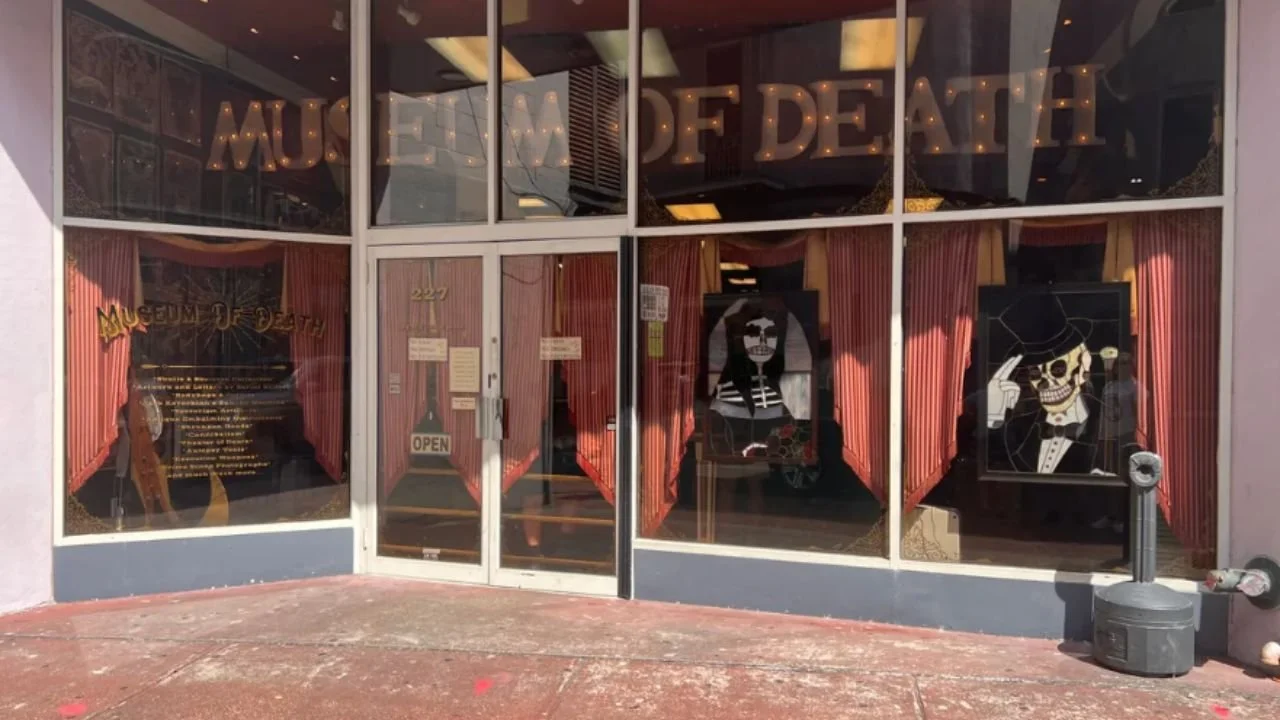
Credit: atlasobscura.com
The Museum of Death in NOLA is a very uncommon type of a place. Entertainment is one of the things people visit museums for. This place is also built for the same. But not quite, as well. Confused?
The Museum of Death shows things that people don’t talk about in the open. It focuses on death. Due to its name, many visit it to experience a thrilling spooky experience. However, what they get is not quite what they came expecting to find. The museum gives an experience that forces visitors to think about why things happened the way they did.
Let’s explore this further.
What Is the Museum of Death?
The museum is dedicated to the study and display of death in many forms. It presents real artifacts connected to crime, accidents, and historical events.
It first began in California before expanding to New Orleans. Over time, it built a reputation for showing material that most museums would never display.
Here is a simple breakdown:
Aspect: Focus
Details: Death, crime, and forensic history
Aspect: Style
Details: Raw, direct, and unfiltered
Aspect: Audience
Details: Adults with strong curiosity
Aspect: Purpose
Details: Education through exposure
Unlike traditional museums, this space does not soften its content. It shows reality as it is, without adding dramatic effects.
Founding History and Origin Story
The story of the Museum of Death New Orleans does not begin in Louisiana. It actually starts in California, with a very specific idea in mind.
The museum first opened in 1995 in San Diego. It was founded by J.D. Healy and Cathee Shultz. Their goal was not to create a typical attraction. Instead, they wanted a space that presented death in a direct and honest way.
This led to the formation of the museum in a way we see it today.
A few years after this, the museum had a new place. It was Hollywood Boulevard in L.A. This place went in the favor of the establishment. The museum could attract larger and more varied visitors. In some years forward, the museum built a name for being direct on several difficult topics. It didn’t hold back even a bit.
Two more decades went by. The museum opened its second location. This was in New Orleans. Why this city? The choice was well thought out. NOLA has a long history of death, violence and tragedy. It fitted the museum like a glove.
Today, one-third of the museum’s collection resides in NOLA. While the location changed, the philosophy remained the same.
Here is a simple timeline to make things clearer:
Year: 1995
Event: Museum opens in San Diego
Year: Later years
Event: Moves to Hollywood Boulevard, Los Angeles
Year: ~20 years later
Event: Second location opens in New Orleans
What makes this origin story important is consistency. The museum has always followed the same core idea. It does not soften its content. It does not rely on theatrics. It presents material as it is, and allows visitors to decide how to respond.
That approach carries through every exhibit you see today.
What You Will Find Inside
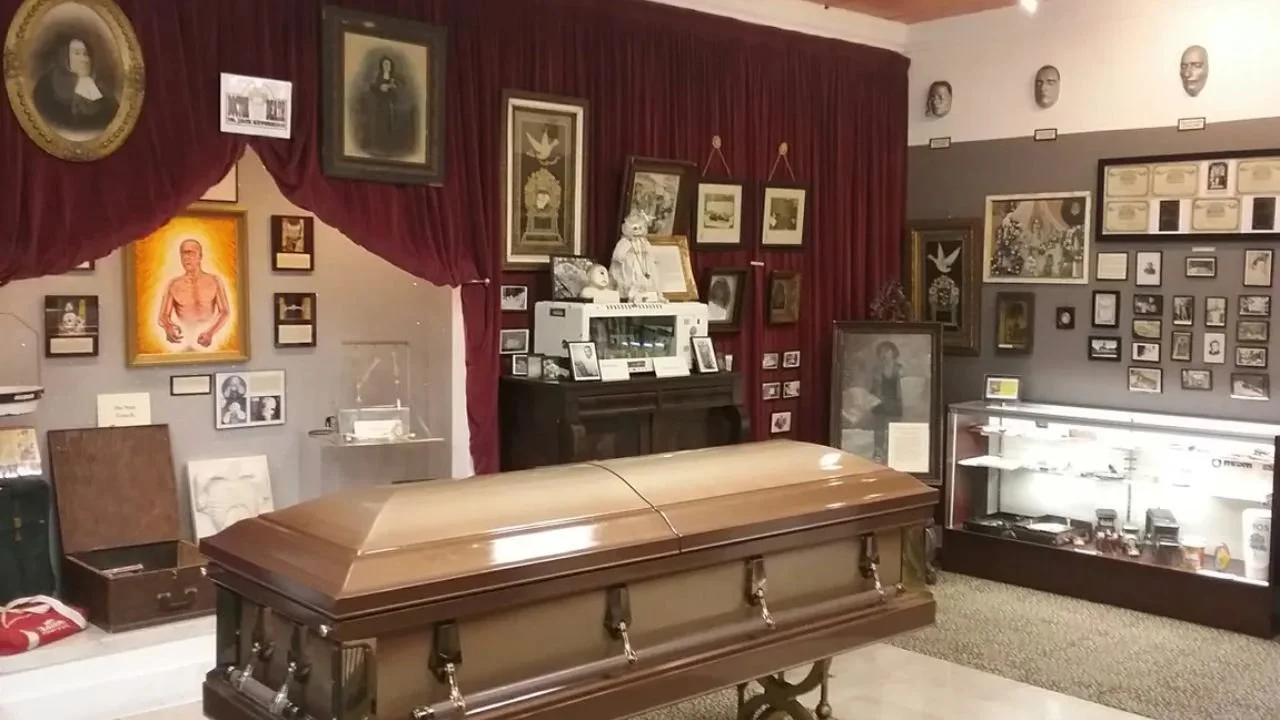
Section: Notorious Criminal Cases
What You Might See: Prison letters, sketches, personal belongings, case photos linked to well-known offenders
What It Helps You Understand: How criminals are studied, remembered, and documented over time
Section: Post-Death Practices
What You Might See: Embalming tools, preparation equipment, older funeral methods
What It Helps You Understand: What happens to the body after death and how different practices developed
Section: Punishment & Law
What You Might See: Historical records, execution-related materials, references to past methods
What It Helps You Understand: How legal systems have handled crime and punishment across time
Section: Group Tragedies & Cults
What You Might See: Photos, written records, and items tied to cult events and mass deaths
What It Helps You Understand: How influence, belief systems, and control can shape group behavior
Section: Accidents & Major Incidents
What You Might See: Visual records and reports from disasters and unexpected deaths
What It Helps You Understand: How sudden events impact society and how they are recorded
Section: Death in Art & History
What You Might See: Old photographs, symbolic artwork, and cultural pieces about death
What It Helps You Understand: How people in different eras expressed and understood mortality
Section: Rare & Unusual Deaths
What You Might See: Cases that are uncommon or unexpected, along with related documentation
What It Helps You Understand: The unpredictable nature of life and death
Section: Real Crime Evidence
What You Might See: Investigation materials, reports, and items connected to actual cases
What It Helps You Understand: How crimes are solved and preserved in history
Why People Visit
People come to the museum for varied reasons. These are:
Morbid Curiosity and a Fascination with Crime
Many people harbor an interest in the darker side of human history. Things like serial killers fascinate them. The obsession with serial killers started in the 1970’s in the United States and hasn’t stopped yet. The museum has the biggest collection of artifacts related to these types of people.
Confronting Mortality and Overcoming Fear
We live in a world where people don’t want to confront the topic of death. This is despite the fact that we have to experience it someday. The museum gives a ‘memento mori’ experience. This means, it tells you that ‘remember you must die.’ This feels therapeutic to people.
Educational and Forensic Interest
The place gives you a raw look at forensics. It tells you about the origins of death rituals. You can find them in things like autopsy equipment and embalming tools. Many individuals are curious about the body where there’s no breath left. These exhibits quench this curiosity.
Unique/Dark Tourism Experience
This museum isn’t like others. There are very few places that serve the needs of those who like dark tourism. The Museum of Death is a must-visit place for these people.
Appreciation for Life
Yes, death is the overarching theme in the museum. But it does something completely opposite to the visitor. They leave, feeling a sense of appreciation for their own life. They feel grateful for not being one of the victims.
Historical and Cultural Context
The museum digs deep into how the people before us dealt with the dead. It has items like funeral memorabilia and post-mortem photos. This helps the visitor examine how various cultures thought about and handled death.
The Experience Feels Different
This museum does not rely on loud sounds or sudden surprises. There are no jump scares or staged reactions.
Instead, the experience builds slowly.
You move from one display to another. You read, observe, and reflect. Some moments feel heavy, while others feel strangely educational.
Here is how it compares to other dark attractions:
Experience Type: Horror attraction
What You Feel: Sudden fear
What You Learn: Very little context
Experience Type: Museum of Death
What You Feel: Quiet discomfort
What You Learn: Real historical insight
That difference is important. It shifts the focus from reaction to understanding.
A Closer Look at Its Themes
The museum is not just about shock. It explores several deeper themes that connect to human history.
1. Crime and Memory
Many exhibits show how crime is remembered over time. Some cases become widely known, while others fade away.
2. Death and Culture
Different societies approach death in different ways. The museum highlights how practices and beliefs have changed.
3. Forensic Science
There is a strong focus on how investigations are conducted. Visitors can see how evidence is studied and documented.
4. Media Influence
Some displays reveal how crime is presented in the media. This often shapes public perception more than facts do.
It Is Not for Everyone
This is important to understand before visiting.
The content can feel intense. Some images are graphic. Others may feel emotionally heavy.
Because of this, the museum clearly states that it is meant for mature audiences. Visitors need to decide for themselves if they are comfortable with the material.
Here are a few things to consider:
The exhibits are real, not recreated
There is no attempt to soften difficult topics
Some displays may feel overwhelming
Taking breaks while walking through the museum is common. Many people step outside to process what they have seen.
The Line Between Education and Shock
A common question comes up when people talk about this museum. Is it educational, or is it just shocking?
The answer depends on how you approach it.
If you rush through, it may feel overwhelming and confusing. However, if you take your time, the experience changes.
You begin to notice patterns. You start to understand context. The exhibits feel less random and more connected.
This is where the museum becomes meaningful.
Why Context Matters So Much
Without context, displays like these can feel disconnected. They may seem like isolated moments with no clear purpose.
However, when you understand the background, everything shifts.
For example:
A photograph becomes part of a larger investigation
A letter reveals something about human behavior
A tool shows how practices have changed over time
Context turns shock into understanding.
How It Fits Into New Orleans
New Orleans is often described as one of the most haunted cities. Its history is long, complex, and deeply layered.
The museum fits into this environment in a unique way.
Instead of focusing on folklore or ghost stories, it focuses on reality. It shows how death has been documented and studied.
This creates a different kind of experience. One that feels grounded rather than mysterious.
Comparing Expectations vs Reality
Many visitors arrive with certain expectations. These expectations often come from movies or television.
Here is how those expectations compare to reality:
Expectation: A haunted attraction
Reality: A quiet, self-guided museum
Expectation: Sudden scares
Reality: Slow, thoughtful experience
Expectation: Fictional stories
Reality: Real documented material
Expectation: Entertainment focus
Reality: Educational perspective
Understanding this difference helps set the right mindset before visiting.
Visiting the Museum: What You Need to Know
Planning ahead makes a big difference when visiting the Museum of Death New Orleans. The experience can feel intense, so knowing the basics helps you move through it more comfortably.
Here is everything you need to know before you go.
Location and Entry
The museum is located in the French Quarter.
Address: 227 Dauphine Street, New Orleans
Area: Central and easy to reach on foot
Tickets are not sold online. You must purchase them at the entrance.
Hours and Closures
The museum keeps consistent hours most of the year.
Detail: Open days
Information: 7 days a week
Detail: Timings
Information: 10:00 AM to 6:00 PM
Detail: Closed on
Information: Thanksgiving, Christmas Day, Mardi Gras Day
It is always a good idea to check your schedule around these holidays.
Ticket Information
The ticketing process is simple but slightly different from many attractions.
Admission: $20 per person
Payment type: Card only (no cash accepted)
Booking: Walk-in only, no advance reservations
Because there are no timed slots, entry depends on how busy the museum is when you arrive.
Best Time to Visit
Timing your visit properly can change your experience.
If you prefer a quieter environment, consider:
Weekdays instead of weekends
Early hours, right after opening
Slower months between May and August.
The best window is usually Monday through Wednesday mornings. During this time, you can move through the space at your own pace.
What to Expect Inside
The museum is self-guided, which means you control your pace. However, the content can feel heavy at times.
Here are a few things to keep in mind:
Displays include real and graphic material
There are no guided explanations or structured tours
You may want to take breaks during your visit
Listening to your own comfort level is important here. Stepping outside for a moment is completely normal.
A Quick Visitor Checklist
Before you go, this quick list can help:
Be prepared for mature and intense content
Plan your visit earlier in the day if possible
Carry a card for payment, as cash is not accepted
Give yourself enough time to move slowly through exhibits
This approach helps you get more out of the experience without feeling rushed.
If You Are Looking for More Context
After visiting a place like this, many people want something more. They want to understand how these themes connect to the city around them.
This is where a different kind of experience can help.
Hottest Hell Tours take a more guided approach. Their tours focus on history, context, and ethical storytelling.
Instead of showing artifacts, they walk you through the city itself. They explain what happened, why it matters, and how it is remembered today.
There are no staged scares or exaggerated claims. The focus stays on real events and carefully researched stories.
This creates a balance. The museum shows raw material, while a thoughtful tour helps connect those pieces into a larger picture.
Bringing It All Together
The Museum of Death is not an easy experience. It challenges expectations and pushes boundaries.
However, it also offers something valuable. It encourages people to look at history more directly.
When paired with deeper context and thoughtful storytelling, it becomes part of a larger understanding of the past.
And in a city like New Orleans, that understanding can make everything else feel more real.