
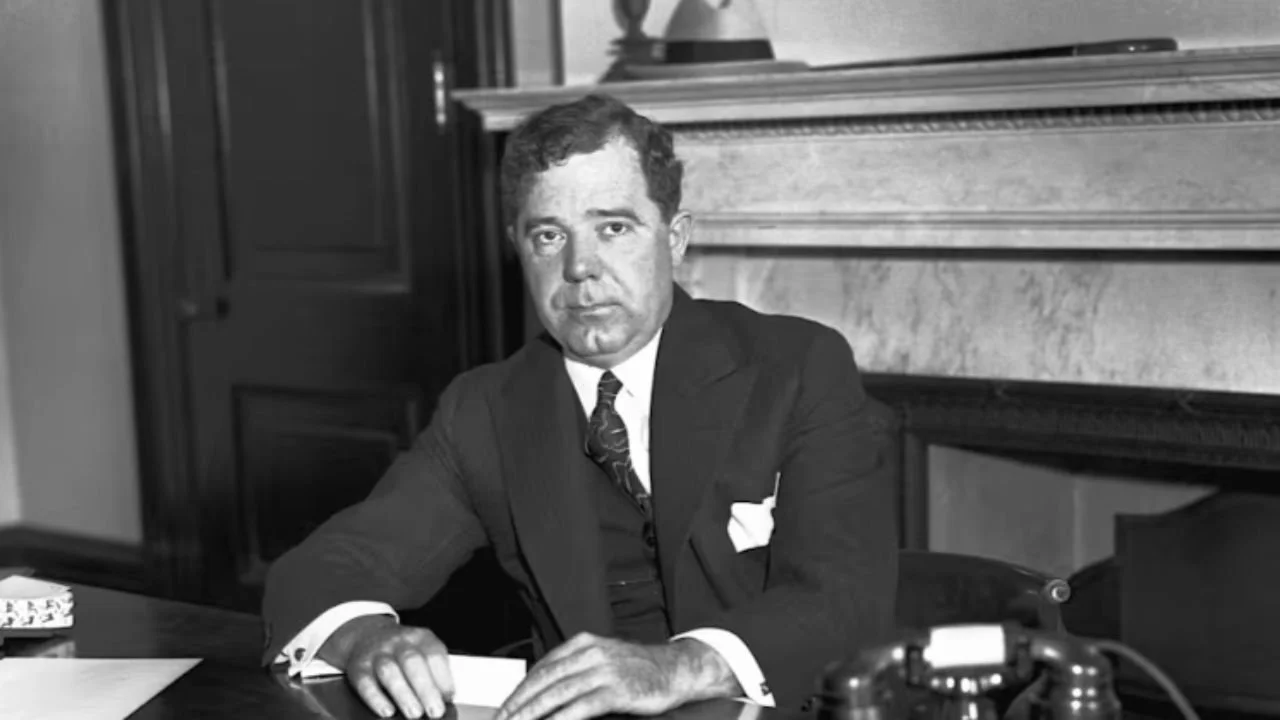
The story of Huey P. Long is impossible to ignore in Louisiana history. His name still carries weight, especially when talking about New Orleans and the land around it.
Some people remember him as a champion of the poor. Others see him as a dangerous figure who held too much power. The truth sits somewhere in between, and that is what makes his story so compelling.
Who Was Huey P. Long?
Huey P. Long was a Louisiana governor. He governed from 1928 to 1932. In 1930, Long was elected to the U.S Senate. He was a democrat. Long was a radical populist. It’s uncommon to find a person like him in this day and age.
In employment, he initiated many reforms. This made him closer to the rural poor and increased his popularity among the unemployed. Young adults seeking good education also regarded him highly.
Long was an intense enemy of corporate interests. He stood up for the ‘little man’ against the wealthy. Long wanted the administration to take away the riches of the wealthy in the U.S. This was outlined in his program called the Share Our Wealth. He asked the federal government to ensure that every house had a year’s income of $5,000. This was necessary for them to have the basic amenities of life.
Why He Became So Popular
Long started in politics when Louisiana was in dire need of help. The rural communities here did not have basic infrastructure. Roads were not built properly and public service access was severely limited.
The situation for the wealthy was very different. All money was in the grasp of a small number of elites. Everyone could see the sharp divide between the haves and have nots.
Long understood this gap, and he spoke about it openly. His message felt direct, and people paid attention.
What He Promised and Delivered
Long did not rely only on speeches. He pushed for large-scale changes that people could actually see.
Here are some of the key measures linked to his leadership:
Free textbooks for school children across the state
Expansion of public services, including healthcare and education
Massive infrastructure development
The infrastructure numbers are especially important because they show the scale of change.
Project Type: Roads built
Impact: Around 9,700 miles constructed or improved
Project Type: Bridges built
Impact: Over 100, with estimates around 111 bridges
Project Type: State debt
Impact: Increased from about $11 million to $150 million
These numbers help explain why his support grew so quickly.
The “Share Our Wealth” Plan
One of Long’s most famous ideas was his “Share Our Wealth” program. It aimed to reduce extreme inequality.
The plan included:
Limiting personal fortunes
Guaranteeing a minimum income
Providing basic amenities for all who lived in the place
Long’s idea got attention from the full nation. But besides praise, there was also disapproval. Some thought it was too intense a plan. For others, it was far-fetched. Regardless, it showed one important thing. Long was determined to put the existing system under scrutiny.
Power and Control
As Long’s influence grew, so did concerns about how he used power.
He built a strong political network. He controlled appointments and influenced decisions across the state. Supporters saw this as effective leadership. Critics saw it as dangerous.
Here is how the divide looked:
Supporters Say
He got things done
He helped the poor
He challenged elites
Critics Say
He held too much control
He weakened democratic systems
He acted like a dictator
This tension defines his legacy even today.
His Connection to New Orleans
Long governed Louisiana for a long time. But his association with NOLA deserves a mention.
A City He Had to Win Over
New Orleans already had strong political structures in place. Local leaders were not eager to give up control.
One of Long’s biggest challenges came from T. Semmes Walmsley, who served as mayor during much of Long’s rise.
Their relationship was tense.
Walmsley represented established city interests
Long pushed for statewide control and reform
Their conflict reflected a larger political divide
This was not just a personal rivalry. It was a struggle over who would shape the future of Louisiana.
The Roosevelt Hotel: A Power Base
During his time in New Orleans, Long often operated out of the Roosevelt Hotel.
This was not just a place to stay. It became an informal headquarters for political strategy.
From there, he:
Met with allies and advisors
Planned campaigns and policies
Maintained influence over state decisions
The hotel symbolized how he brought state-level power directly into the city.
Major Projects That Changed the City
Long’s policies altered NOLA positively. Below are his major projects.
Charity Hospital Expansion
One of the most important projects was the expansion of Charity Hospital.
It became one of the largest public hospitals in the country
It improved access to healthcare for many residents
It reflected Long’s focus on public welfare
This project remains a key part of his legacy in the city.
New Orleans Lakefront Airport
Another major development was the creation of New Orleans Lakefront Airport.
At the time, aviation was still growing. Building a modern airport showed forward thinking.
It supported travel and commerce
It connected New Orleans to other regions
It demonstrated investment in future infrastructure
Natural Gas Pipeline
Long also supported the development of a natural gas pipeline system.
This project aimed to:
Provide cheaper energy to residents
Reduce reliance on private utility companies
Expand access across the state
While less visible than buildings or airports, this system had a wide-reaching impact.
A Relationship Defined by Tension and Change
Long’s time in New Orleans was never simple. He faced resistance from local leaders, yet he still managed to push through major changes.
Here is a quick summary:
Area: Politics
Impact: Ongoing conflict with city leadership
Area: Infrastructure
Impact: Major public projects and expansion
Area: Influence
Impact: Strong presence within the city
This mix of conflict and progress shaped how he is remembered in New Orleans.
The Dark Side of His Rule
Long did many good things for Louisiana. But there were also some tenets of his rule that do not come in this category.
Some key concerns included:
Pressure on political rivals
Strong influence over state institutions
Limited tolerance for opposition
These actions raised serious questions about the balance between leadership and control.
Long was injured in an incident that occurred on September 8 in 1935.He passed away two days later on September 10. He was in the Louisiana State Capitol. This was in Baton Rouge. How he died is a matter of debate today.
That day did not begin as anything unusual. However, tensions were already building behind the scenes.
What Led to That Night
At the time, Long was deeply involved in political battles. One major issue centered around redistricting.
This plan affected the career of Judge Benjamin Pavy. His district was being reshaped, which could remove him from power.
Pavy’s son-in-law was Dr. Carl Weiss. This connection is important because it places Weiss close to the political conflict.
While motivations are still debated, the situation was clearly tense.
The Timeline of September 8, 1935
The events of that night unfolded quickly.
Here is a simple breakdown:
Time: Evening
Event: Long is at the State Capitol working
Time: Around 9:20 PM
Event: He encounters Dr. Carl Weiss in a corridor
Time: Moments later
Event: A confrontation occurs
Time: Immediately after
Event: Shots are fired by Long’s bodyguards
According to the official account, Weiss shot Long at close range. Almost instantly, Long’s bodyguards returned fire, killing Weiss.
However, this is where the story becomes more complicated.
The Questions That Never Fully Went Away
For decades, historians and researchers have questioned parts of the official version.
One key question remains:
Did Carl Weiss actually fire a gun?
Some accounts suggest that:
Weiss may have struck Long instead of shooting him
The fatal shot could have come from a bodyguard’s return fire
Evidence from the scene was not preserved as securely as it could have been
These points do not change the outcome, but they do affect how the event is understood.
The Final Moments
After being shot, Long was rushed for medical care. Doctors attempted to treat his injuries, but the damage was severe.
He died two days later, on September 10, 1935.
One of the most widely reported details from that time is his final plea:
“God, don’t let me die. I have so much to do.”
Whether remembered exactly or not, those words reflect how his life ended, with unfinished plans and ambitions.
A Funeral That Stopped the State
Long’s death had an immediate and powerful impact across Louisiana.
An estimated 200,000 people traveled to Baton Rouge to pay their respects. This was an extraordinary number for the time.
Crowds gathered to see:
His body lying in state
The funeral procession
The final burial at the State Capitol grounds
This turnout showed how deeply he connected with many people, especially those who supported his policies.
The 50-Year Secret Report
One of the most intriguing parts of this story came much later.
An insurance-related report connected to the case remained sealed for 50 years. When it was eventually reviewed, it added more questions rather than clear answers.
Some interpretations of the report suggested:
Uncertainty about the exact cause of the fatal wound
Possible inconsistencies in early accounts
While it did not provide a definitive conclusion, it reinforced the idea that the full story may never be completely known.
Why His Story Still Matters
Huey P. Long’s story is not just about one person. It reflects larger themes that still feel relevant today.
It raises questions like:
How much power is too much for one leader?
Can strong leadership exist without crossing ethical lines?
What happens when popularity outweighs accountability?
These are not simple questions. That is why his story continues to be discussed.
How History Remembers Him
People remember Long in very different ways. Some focus on his reforms and the people he helped. Others focus on the risks his leadership created.
Here is a simple comparison:
Perspective: Positive view
Focus: Social programs and public works
Perspective: Critical view
Focus: Concentration of power and control
Both perspectives are part of the full picture.
Huey Long’s Physical Legacy in New Orleans Today
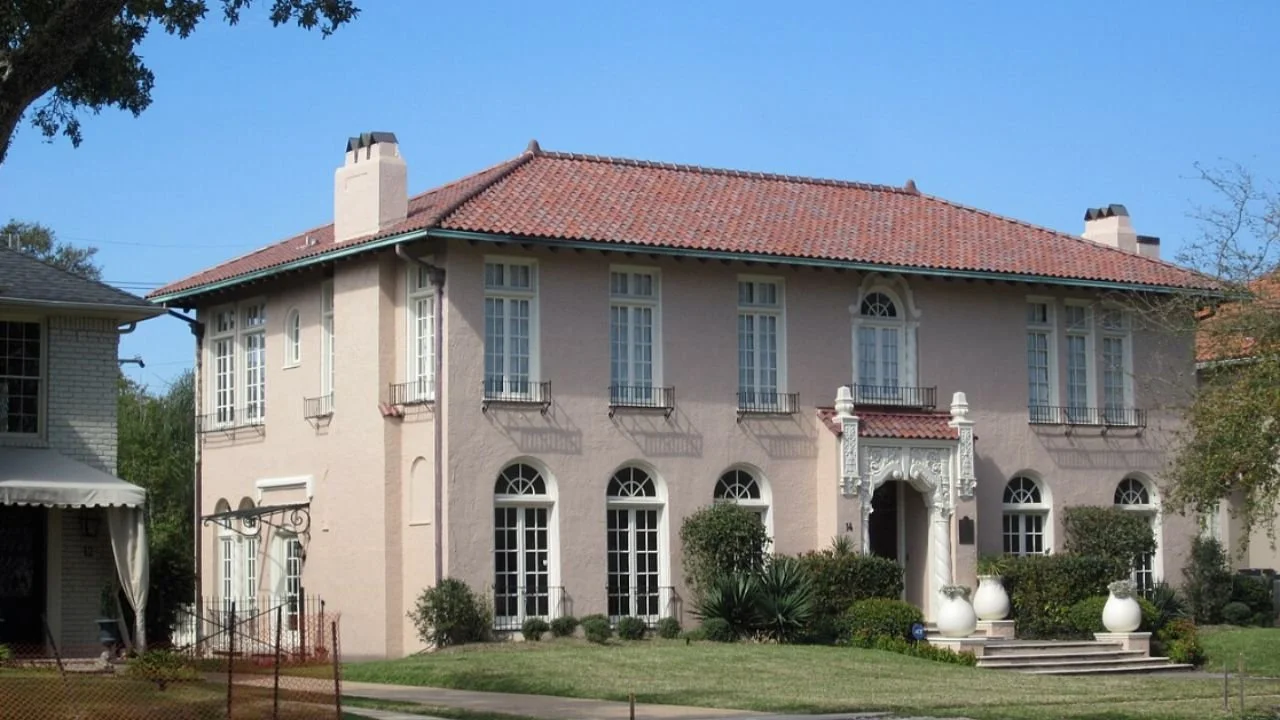
Credit: wikipedia.org

History does not only live in books. In a city like New Orleans, it also lives in places you can still see today.
If you are interested in Huey P. Long, there are a few key locations that help bring his story into the present. These places connect his political life to real, physical spaces.
Huey P. Long Mansion
One of the most direct connections is the Huey P. Long Mansion.
This home sits at 14 Audubon Boulevard. It was built in the 1920s in a Mediterranean Revival style.
Here is what makes it important:
It reflects Long’s personal life, not just his public image
It shows the level of wealth and status he achieved
It was added to the National Register of Historic Places in 1980
Walking past the mansion gives a different perspective. You start to see the man behind the political figure.
Huey P. Long Bridge
Another major landmark is the Huey P. Long Bridge.
This bridge stretches across the Mississippi River in nearby Jefferson Parish. It was completed in 1935, just months after Long’s death.
At the time, it was:
The longest railroad bridge in the world
A major engineering achievement
A symbol of industrial progress
Even today, it remains one of the most recognizable structures in the region.
Public Works That Shaped the City
Some of Long’s legacy is less obvious but still present.
Projects like the expansion of Charity Hospital and infrastructure improvements changed how the city functioned. While buildings may change over time, their impact continues.
These developments remind us that his influence was not limited to politics. It shaped daily life in lasting ways.
A Quick Guide to Key Locations
Here is a simple list you can use if you want to explore:
Place: Huey P. Long Mansion
Why It Matters: Personal residence and symbol of his status
Place: Huey P. Long Bridge
Why It Matters: Major infrastructure project tied to his era
Place: Charity Hospital (historic site)
Why It Matters: Reflects his focus on public healthcare
Why Visiting These Places Feels Different
Reading about history gives you information. Visiting these places gives you perspective.
When you stand near these locations:
The scale of his influence becomes clearer
The time period feels more real
The story feels less distant
It helps connect the past to the present in a way that words alone cannot.
A Different Way to Experience This History
Reading about Huey P. Long is one thing. Experiencing the places connected to his story is something else.
In cities like New Orleans, history is not just written in books. It exists in the streets, buildings, and stories passed down over time.
That is where experiences like Hottest Hell Tours come in.
Our approach focuses on real history, not dramatized versions. We explore complex figures like Long with context and care. Instead of simplifying stories, we present them in a way that encourages deeper thinking.
There are no exaggerated claims or theatrical distractions. The focus stays on what actually happened and why it matters.
This makes the experience feel more grounded and meaningful.