
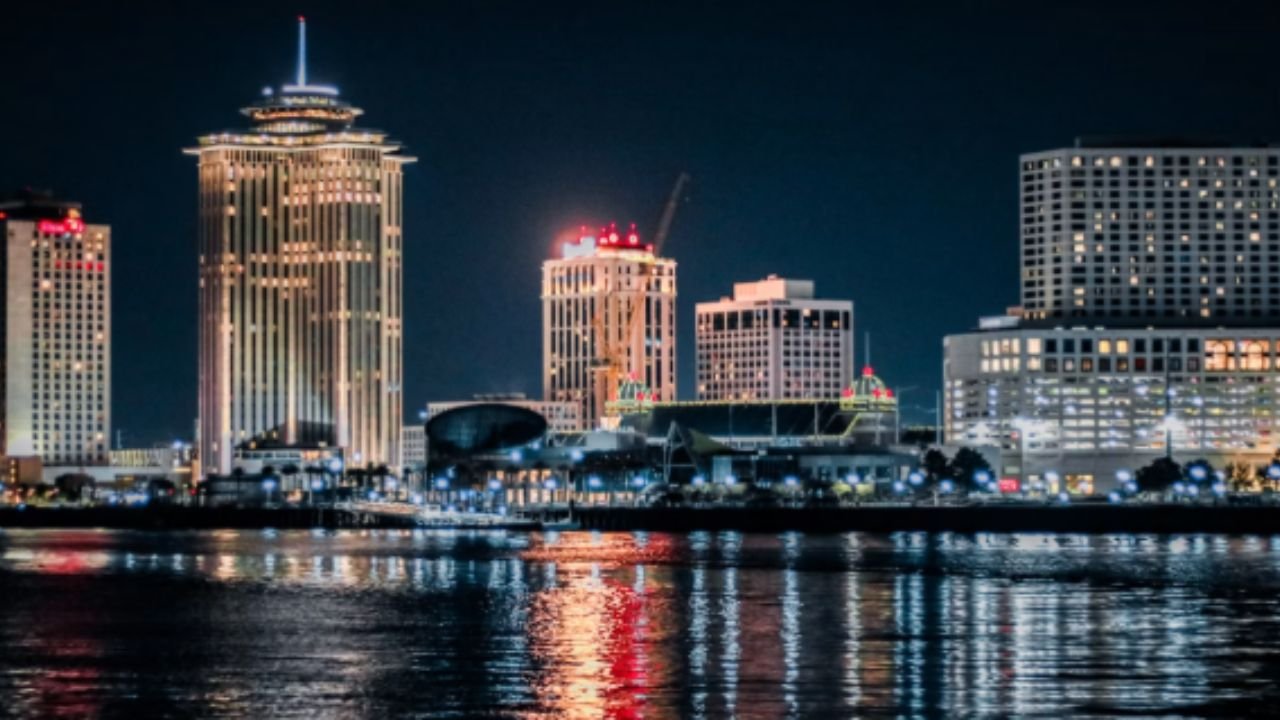
January is one of the best-kept secrets in New Orleans travel. The summer crowds are gone. The Mardi Gras chaos has not yet arrived. What remains is the city itself, a little quieter and noticeably cooler. It is easier to move through the city this month than at any other time of year. The Carnival season begins on January 6. King cake fills every bakery case, and the city's dark, layered history is as present as ever.
See New Orleans After Dark
January evenings in New Orleans offer something that summer simply cannot. The heat is gone. The sidewalks are navigable. The gas-lit streets of the French Quarter take on a different quality when the temperature drops and the crowds thin out. Walking the old blocks after dark in January is an immersive experience, and the right guide makes all the difference.
Hottest Hell Tours runs its historian-led Walking the Devil's Empire tour year-round, seven days a week, with evening departures at 5PM and 8PM. January is one of the best months to take it. The smaller winter crowds mean more intimate group sizes, quieter streets, and a more personal experience overall. Groups are capped at no more than 20 people regardless of the season. So the tour never becomes a crowded event. Guides are credentialed historians and published researchers. Every story is sourced before it reaches a guest. When something cannot be confirmed, the guide says so directly.
The tour meets at the front entrance of Armstrong Park, 801 N. Rampart Street, on the edge of the French Quarter. It covers dark history, true crime, documented hauntings, and the haunted reputation the city has built over centuries. For visitors who want to understand what this city actually is after dark, not just what it looks like, this is the experience that delivers it.
Celebrate the Start of Carnival Season With King Cake
Carnival season officially begins on January 6, known as Twelfth Night or King's Day. On that date, the first king cakes of the season appear in bakeries across the city. They will stay until Fat Tuesday, the final day before Lent begins. For Mardi Gras New Orleans 2027, the season runs from January 6 through February 9. It gives visitors the whole of January to find a fresh king cake.
King cake is not simply a seasonal pastry. It is a document of the city's history. The tradition traces back to European Epiphany celebrations, specifically to the French galette des rois. It’s a round pastry filled with almond cream that contains a hidden token called the fève, meaning "bean." The person whose slice contained the fève was crowned king or queen for the day. That concept crossed the Atlantic with French and Spanish colonial settlers. It landed in Louisiana, where it adapted to local tastes and the Carnival calendar.
The Louisiana king cake is distinct from its European ancestors. Its dough is soft and brioche-rich. It’s filled with cinnamon, cream cheese, or fruit. The icing is thick and sweet, draped over the ring and covered in colored sugar. All colors carry significance. Purple represents justice. Gold represents power. Green represents faith. These are the same colors formally adopted by the Rex organization in 1872 as the official colors of Mardi Gras. Every king cake is, in that sense, a small visual statement about what Carnival represents.
Hidden inside each cake, or placed beneath a slice, is a tiny plastic baby. The baby connects the tradition back to its religious roots: the infant Jesus, honored by the Three Wise Men on Epiphany. According to tradition, whoever finds the baby in their slice will have good luck and prosperity in the year ahead. They are also responsible for providing the next king cake. It’s a detail that turns a single dessert into a running social commitment through the whole Carnival season.
King cake also functions as a living calendar. When it appears in shop windows and office kitchens, you know Carnival has started. When it disappears, you know Fat Tuesday has passed.
Celebrate Joan of Arc at the Start of Carnival Season
The Joan of Arc Parade, also known as Krewe de Jeanne d’Arc, takes place every January 6 in the French Quarter. It marks Twelfth Night, the official start of Carnival season. The date also coincides with Joan of Arc’s birthday. Founded in 2008, the parade celebrates New Orleans’ French heritage and its unofficial patron saint. It draws both Carnival fans and history lovers.
The parade tells the story of Joan’s life in 15th-century France. She led French troops to victory at the siege of Orléans in 1429. She was later tried and executed in 1431. Medieval costumes, knights, musicians, and giant puppets bring parts of her story to life. The procession also includes a ceremony to bless Joan’s sword.
One of the parade’s key landmarks is the golden statue of Joan of Arc near the French Market. France gifted the statue to New Orleans in the 1950s. Parade participants often wear gold in its honor. The procession passes the statue as part of its route through the French Quarter.
For visitors interested in local history, this parade offers more than costumes and pageantry. It connects New Orleans’ French roots with a centuries-old historical figure. It also gives visitors an early taste of Carnival before the larger parades arrive later in the season.
Exprience the Krewe of Cork Parade
In January, one of the most distinctive krewes in New Orleans takes to the French Quarter streets. The Krewe of Cork was founded in November 2000. It began as a small group of wine enthusiasts who gathered on the first Friday of every month at The Bistro at Maison de Ville. They coined the term TGICD. It is short for Thank Goodness It's Cork Day. The motto, credited to King Patrick van Hoorebeek, is simply: "We celebrate Wine! Food! Fun!"
From those monthly dinners, the krewe grew into a walking parade that now operates 11 days before Mardi Gras. In 2027, with Fat Tuesday falling on February 9, the Krewe of Cork parade is scheduled for Friday, January 29 at 3:00PM. It is a French Quarter parade, compact and walkable. It’s route begins on Royal Street between St. Peter and Toulouse. It winds through Bourbon Street, Chartres, and St. Ann, and concludes on Conti Street between Royal and Bourbon.
In this parade, the Krewe members dress in wine-themed costumes. They toss throws bearing the krewe's grape logo. A different vintner is invited to serve as Grand Marshal every year. Wine police in golf carts patrol the route with their own stated motto: "To serve and pour." The krewe stops in front of selected French Quarter hotel restaurants along the way for formal toasts. The parade ends, but the evening does not. A post-parade celebration called the King and Queen Libation Ball follows the procession.
Beyond parade season, Krewe of Cork members gather monthly at area restaurants for TGICD events. They participate in the New Orleans Wine and Food Experience Royal Street Stroll. January 29 is the public-facing moment, but the krewe is active year-round in the city's food and wine community.
Explore the Battle of New Orleans Through History
On January 8, 1815, American forces led by General Andrew Jackson defeated a larger, better-equipped British army outside New Orleans. The battle occurred after the Treaty of Ghent had already ended the War of 1812 on paper. But news of the treaty had not yet reached the combatants. The American forces were a coalition: regular soldiers, state militia, Free Men of Color, Native Americans, and privateers. The victory was decisive. British casualties were substantial. Jackson emerged from the battle as a national hero and, eventually, as a future president. January 8, the Battle of New Orleans, is observed as a state legal holiday in Louisiana.
The Battle of New Orleans Historical Symposium is hosted annually at Nunez Community College in Chalmette, Louisiana. It is held each January to coincide with the battle's anniversary. The symposium runs across two days and features lectures, discussions, and presentations by local and national historians. Topics range from military strategy and battlefield medicine to the cultural and social history of early nineteenth-century Louisiana. Scholars have addressed the roles of Free People of Color, Native American participants, and civilians whose experiences have often been left out of the standard military narrative.
The symposium is free and open to the public. Admission is free and lunch is provided to all attendees at no charge. For 2027, the symposium will again fall in January. But specific speaker announcements are typically released in the weeks preceding the event. Chalmette Battlefield, part of the Jean Lafitte National Historical Park and Preserve, is where reenactments and demonstrations of period weaponry take place on Battle of New Orleans Day, January 8, 2027, a Friday.
What Is the Weather Like in January in New Orleans?
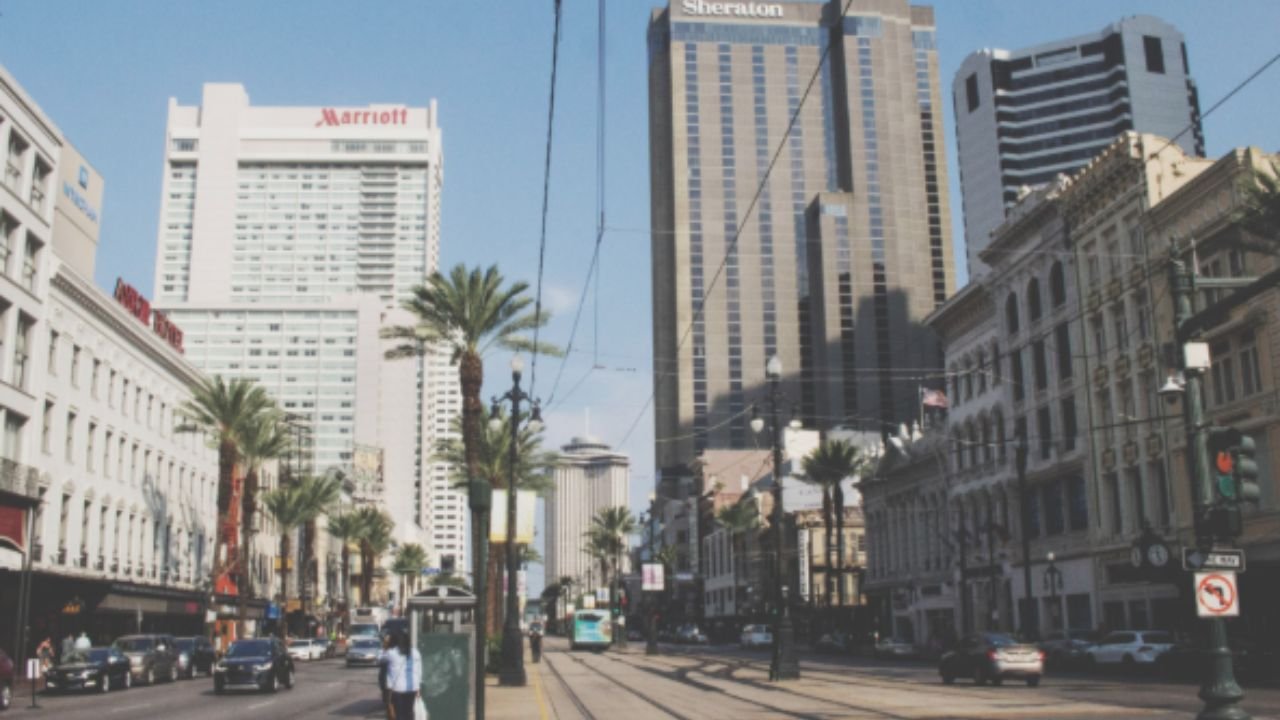
January is the coldest month of the year in New Orleans. Average high temperatures reach around 63°F, or roughly 17°C. Overnight lows average 45°F, or about 7°C. That makes January genuinely cool by Louisiana standards.
The important caveat is that January temperatures in New Orleans can vary dramatically. Visitors have walked the city in short sleeves on warm afternoons and reached for heavy coats on the same trip. Check the forecast close to departure and pack in layers for the best experience.
Rainfall averages about seven days across the entire month. It means that January is one of the drier months of the year in New Orleans. When rain does fall, it tends to be brief.
One note on timing. The first weekend of January in New Orleans is not the quiet escape the rest of the month offers. The Sugar Bowl, one of the major college football bowl games, draws crowds of 60,000 or more to the city each year around January 1. This surge, combined with New Year's Eve activity, pushes hotel prices up and fills popular restaurants. To avoid this crunch, plan a trip for the second week of January or later.
January Puts the City Within Reach
New Orleans in January rewards curiosity. The heat of summer is entirely absent, but it is still pleasant weather compared to the snow and freezing temperatures of northern states. The parades that fill February streets have not yet taken over. What fills the gap is the city's actual character. It can be seen in its food, the history, and the early Carnival rituals.
The Krewe of Cork parade on January 29 is worth seeing. So is the Battle of New Orleans commemoration on January 8. Add fresh king cake and a French Quarter walking tour on a cool January evening. These are not just alternatives to Mardi Gras. They are good reasons to visit New Orleans in January.
Frequently Asked Questions
1. Is it a good time to go to New Orleans in January?
January is genuinely one of the best months to visit. Hotel prices are lower than in spring and pre-Mardi Gras weeks. Restaurants are easier to book. The crowds that define summer and February have not arrived. Carnival season begins January 6, king cake is everywhere, and the Battle of New Orleans commemoration on January 8 draws serious history programming.
2. Is 3 days enough for New Orleans?
Three days is workable but moves quickly in a city this dense with history, food, and culture. A focused three-day visit can cover the French Quarter, one or two museums, a food experience, and an evening walking tour. Prioritize in advance so you see what matters most without rushing through everything.
3. What's the coldest month in New Orleans?
January is the coldest month of the year in New Orleans. Average highs reach around 63°F and overnight lows drop to about 45°F. Temperatures can swing considerably within the same week, so packing layers and monitoring the forecast close to your travel date is the most reliable approach.
4. How to dress for New Orleans in January?
Layers are the most practical choice. A light-to-medium jacket, a few long-sleeve layers underneath, and comfortable flat shoes suited for uneven historic sidewalks covers most situations. January can produce warm afternoons and cold evenings on the same day. Closed-toe shoes are also advisable; the French Quarter's pavement has been settling for centuries and is notoriously uneven.