
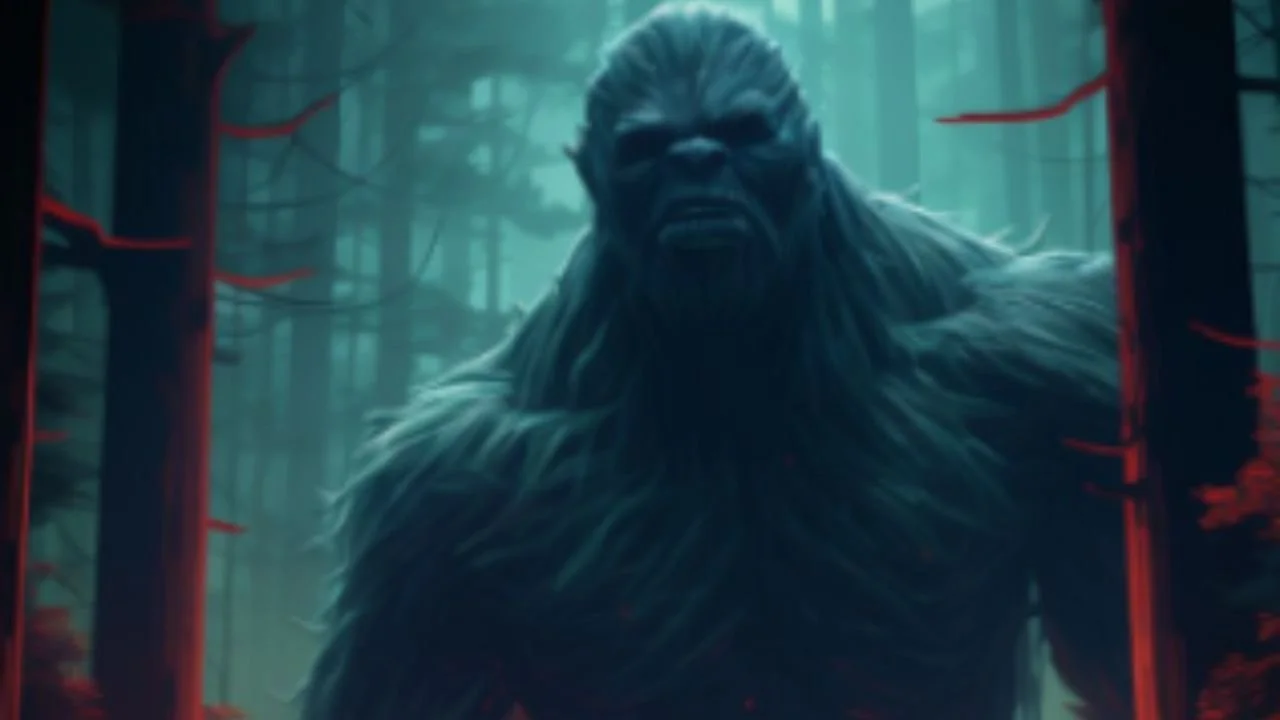
Cryptids sit somewhere between folklore and firsthand testimony. They aren't officially recognized by science. Yet thousands of witnesses insist they're real. Every continent has its own version of these creatures. Forests, lakes, deserts, and oceans all hide their own legends. Here are ten of the most famous ones, and why they still fascinate us.
Bigfoot
Bigfoot is a name almost every American has heard of. But this cryptid isn’t new. Tribes in the Pacific Northwest described Bigfoot centuries before. The difference was just in the name. Tribes called this cryptid Sasq'ets and Skookum. They told stories about Bigfoot in which it was regarded as a spirit guide. But there’s something noteworthy with this cryptid. Bigfoot is one of the cryptids whose 1967 evidence has been heavily studied. This is the Patterson-Gimlin footage. It shows a figure walking across a clearing. Over time, this footage has been analyzed over and over again. To skeptics, it's nothing but bears walking straight. But others say that what they saw moved differently. Bigfoot festivities now take place in Oregon, Washington, and California.
Mothman
Mothman first appeared in Point Pleasant, West Virginia. Two couples spotted a tall, winged figure in 1966. Its glowing red eyes unsettled everyone who saw it. More witnesses soon reported similar encounters nearby. Some saw it perched near a cemetery at night. Others claimed it chased their car at high speed. Sightings stopped abruptly after the Silver Bridge collapse. Many believed Mothman had tried to warn the town. Skeptics point to large birds like sandhill cranes. Still, witnesses describe something far too human-shaped. Point Pleasant now hosts an annual Mothman Festival. The creature remains a global symbol of ominous warning.
Loch Ness Monster
Nessie is Scotland's most enduring cryptid legend. Stories about a beast in Loch Ness date back centuries. Saint Columba allegedly encountered one in the 6th century. Modern fascination began in 1933 with new roadside sightings. The famous Surgeon's Photograph followed soon afterward. It showed a long neck rising from dark water. Sonar scans later detected unexplained shapes deep underwater. Researchers even tested the loch's water for unusual DNA. Skeptics suggest logs, otters, or oversized eels instead. Still, Nessie draws millions of curious visitors every year. She remains one of the world's most photographed mysteries.
Wendigo
The Wendigo comes from Algonquian tribal tradition. It represents the horror of starvation and isolation. Legends describe a gaunt, skeletal creature with glowing eyes. Some say victims transform after resorting to cannibalism. Frontier accounts from the 1700s describe skeletal figures in snow. A Cree hunter named Swift Runner confessed to a Wendigo possession. His story spread fear across isolated northern communities. Modern sightings still surface during harsh winter months. Psychologists once borrowed its name for extreme hunger disorders. The Wendigo's chilling silhouette still haunts horror storytelling today.
Chupacabra
The Chupacabra rose to fame in 1990s Puerto Rico. Its name translates to "goat sucker" in Spanish. Farmers found livestock drained of blood through tiny wounds. Witnesses described a reptilian creature with large black eyes. Sightings soon spread across Mexico, Texas, and South America. Some ranchers even shot strange, hairless animals nearby. Skeptics blame mangy coyotes or diseased foxes instead. Yet many wounds looked far too clean for scavengers. The Chupacabra became an instant pop-culture sensation. It still symbolizes rural fears about unseen predators.
Kraken
The Kraken traces back to Nordic sailor legends. Ancient stories describe a massive tentacled beast beneath the waves. It could supposedly drag entire ships into the depths. Many cultures link this myth to the biblical Leviathan too. Sailors described whirlpools and shadows moving beneath their hulls. The eventual discovery of giant squid gave the myth new life. Some squid specimens stretch beyond forty feet long. Deep-sea exploration still remains extremely limited today. Something enormous may still lurk in unexplored ocean trenches. The Kraken endures as the ultimate symbol of oceanic dread.
Jersey Devil
The Jersey Devil haunts New Jersey's Pine Barrens. Its story begins with a cursed thirteenth child. Legend says the newborn transformed into a winged creature. It then vanished into the forest forever. In 1909, sightings swept across two entire states at once. Police reportedly fired at the creature without any effect. Strange hoofprints appeared across rooftops and snow-covered yards. Entire towns locked their doors in fear that week. Skeptics blame mass hysteria and misidentified birds. Still, witnesses consistently describe the same unnatural scream. The legend remains deeply woven into New Jersey's identity.
Skinwalkers
Skinwalkers originate from Navajo spiritual tradition. They are described as humans who gained shapeshifting powers. Dark rituals allegedly let them transform into animals. Skinwalker Ranch in Utah became a modern hotspot. Witnesses report wolf-like beings walking on two legs. Some describe creatures seemingly immune to gunfire. Others report glowing eyes staring through windows at night. Many Navajo communities treat the topic with real caution. Skeptics suggest misidentified wildlife or exaggerated storytelling. The legend still draws paranormal investigators to the desert today.
Yowie
The Yowie is Australia's answer to Bigfoot. Aboriginal stories describe towering, hairy beings across the continent. People who came here at the earliest faced nearly identical encounters in the 1800s. Those who saw them gave a distinct description. Yowies are around 6 - 12 feet tall. Those who hiked in the Blue Mountains also reported something chilling. They said that they heard terrified screams in very close proximity. Livestock were found torn apart alongside massive tracks. There was also a strange musky odour in the area.
Skeptics point to kangaroos or wallabies seen in low light. Still, the heights described exceed any known native animal. The Yowie remains central to Australian bush folklore today.
Rougarou
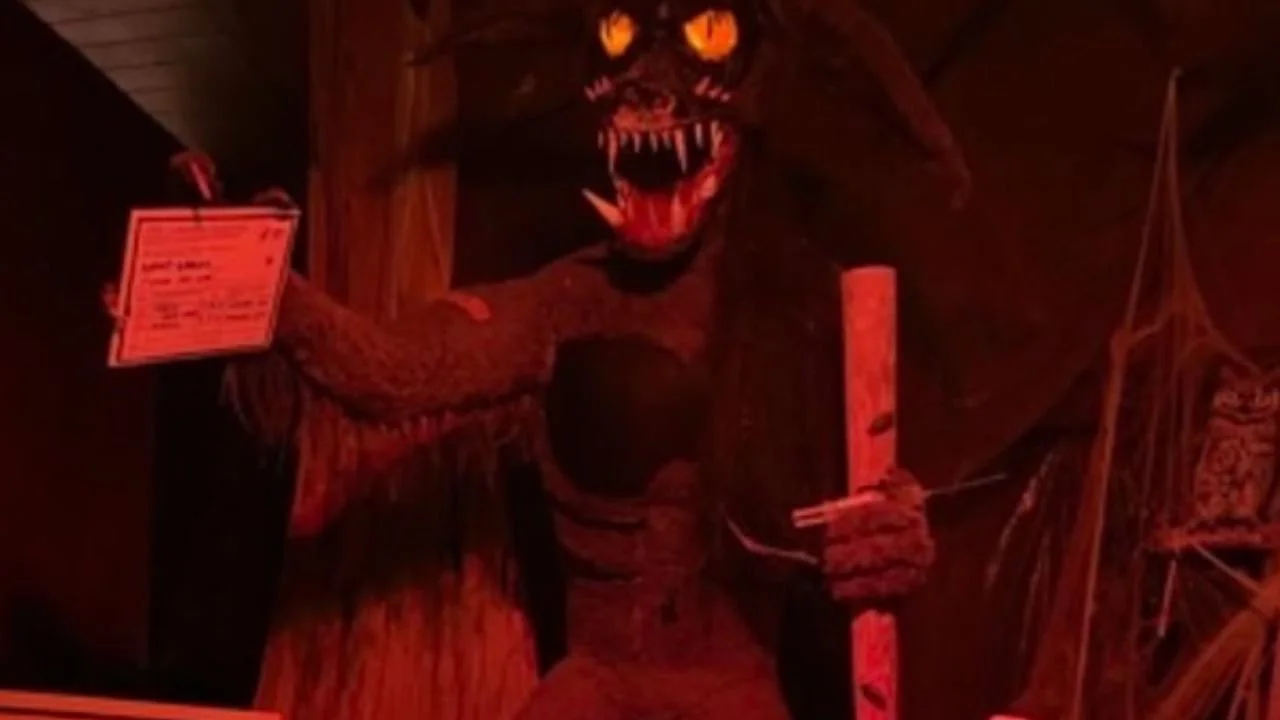
Louisiana's bayous hide their own legendary predator. The Rougarou descend from French werewolf folklore. Cajun tradition tells of a human cursed with a wolf's head. Witnesses describe glowing eyes moving silently through the swamps. Older stories mention livestock found mysteriously mutilated nearby. Some say the curse lasts exactly one hundred one days. Parents once used the tale to teach children caution. Skeptics blame wild dogs or escaped exotic animals instead. Louisiana, notably, has very few wolves of its own. The Rougarou remains deeply woven into Cajun identity today.
Where Legend Meets the Sidewalk
Reading about the Rougarou gives you a basic understanding about the cryptid. Standing in its territory feels different entirely. New Orleans sits right on the edge of bayou country. Its old streets carry that same restless energy after dark. Hottest Hell Tours turns that energy into a guided experience. Our nighttime walks move through the city's most storied blocks. Local guides mix true crime with folklore like the Rougarou's. Every stop adds real history behind the region's darker legends. It's a fitting way to end any deep dive into cryptid lore. Some stories are best heard while standing exactly where they began.
FAQs
What is the most famous cryptid in the world?
Bigfoot is the world's most famous cryptid. People have reported seeing this large, hairy creature in forests across North America for many years. Although many stories, photos, and footprints exist, there is still no scientific proof that Bigfoot is real.
What is the scariest cryptid ever?
Many people consider the Mothman one of the scariest cryptids. Witnesses describe it as a large winged creature with glowing red eyes. Stories often connect Mothman to strange events or disasters, making it a frightening part of modern folklore.
What is the saddest cryptid?
The Squonk is often called the saddest cryptid in folklore. It is said to live in the forests of Pennsylvania and is known for its constant crying. Legends say the creature feels ashamed of its appearance. If someone tries to catch it, the Squonk is believed to disappear into a pool of tears.