
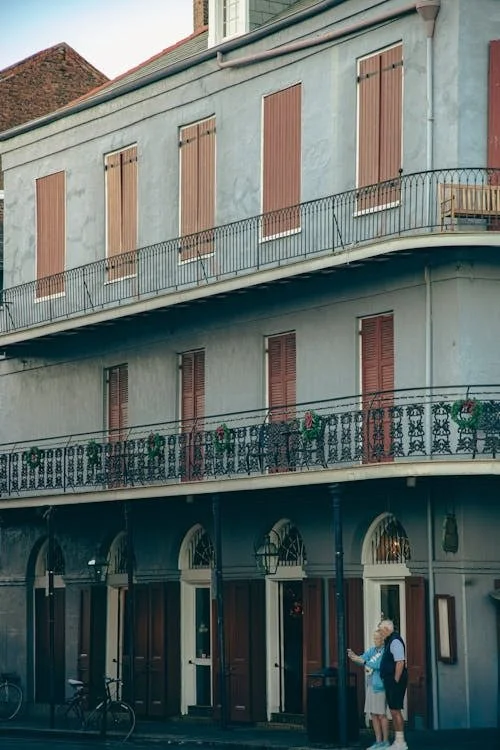
Yes, New Orleans feels haunted. But the feeling comes from real history, not staged ghost stories.
That answer might sound simple at first. Still, once you walk through the city, it starts to make more sense. The weight does not come from shadows or sudden noises. It comes from knowing what happened in the same places you stand today.
You might wonder, is New Orleans haunted in the way people say it is? Or is something else creating that feeling?
Let’s break it down through six truths that explain what is really going on.
Truth 1: The Feeling Comes From Real Events, Not Made-Up Stories
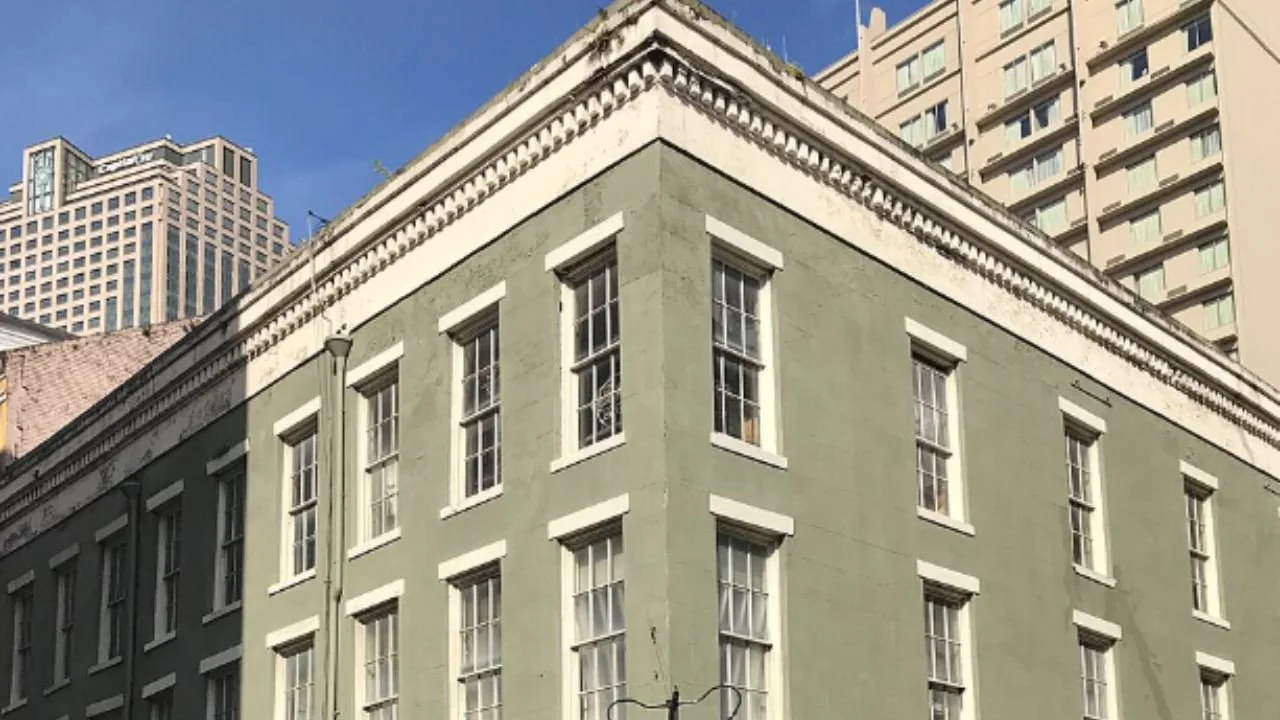
New Orleans feels different because real things happened here. The city’s history is long and layered.
Let’s start with the UpStairs Lounge.
On June 24, 1973, a fire broke out at 604 Iberville Street. Thirty-two people lost their lives. It remains the deadliest fire in the city’s history.
The tragedy did not end that night. What followed shaped how it is remembered.
Some churches refused to hold funerals
Public officials stayed largely silent
Families struggled to mourn openly
So when you stand near that location, the feeling is not about fear. It comes from knowing how recent and real that event was.
Then there are stories tied to power and conflict.
Figures like Jean Lafitte operated in and around New Orleans in the early 1800s. His network was linked to smuggling and privateering along the Gulf Coast.
He later played a role during the Battle of New Orleans in 1815. That moment tied outlaw activity to military defense in a surprising way.
What makes this story stick is the contrast.
A figure seen as both criminal and ally
Actions that blurred legal and illegal lines
A legacy that still sparks debate
These are not ghost stories. They are real events with real consequences.
Truth 2: Old Buildings Hold Layers of History
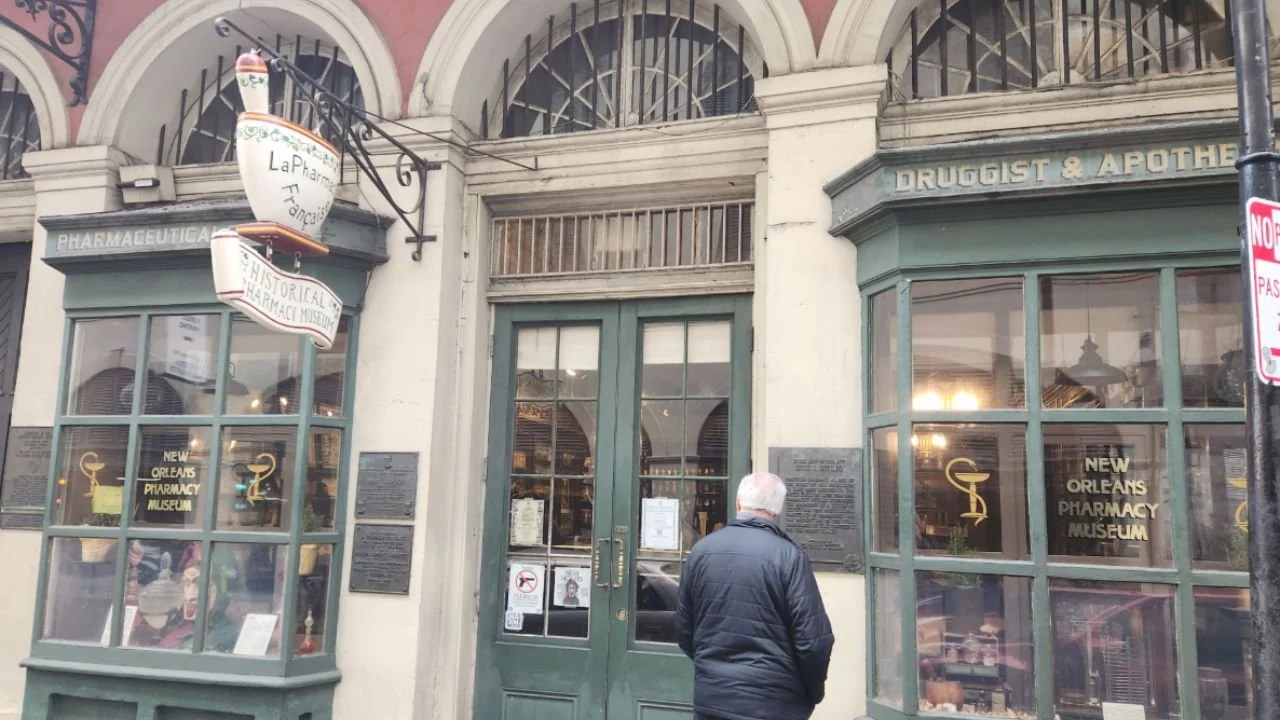
Credit: https://upload.wikimedia.org/wikipedia/commons/5/5f/New_Orleans_Pharmacy_Museum_2.jpg
People often say buildings hold energy. But in New Orleans, they hold layers of history.
Each wall, each room, has been used in different ways over time. Once you know that, the space starts to feel different.
The New Orleans Pharmacy Museum opened in 1823 under Louis J. Dufilho Jr. Later, the building became linked to Joseph Dupas. He was accused of unethical medical practices.
Inside, the displays show examples of early medicine.
Arsenic used as treatment
Leeches used for bloodletting
Surgical tools that now feel extreme
Nothing moves inside those rooms. But once you understand the context, the space feels heavier.
Then there is the Bourbon Orleans Hotel.
Before it became a hotel, the building served multiple roles. It was once a ballroom and later a convent and orphanage.
That shift alone changes how the space is understood.
A place of celebration turned into a place of discipline
Children once lived and were cared for inside those walls
Daily life looked very different depending on the era
Records show that some children in 19th-century orphanages faced illness and high mortality rates. Most of it happened during outbreaks common in New Orleans at the time.
So the building is not just “old.” It holds very different human experiences in the same structure.
Celebration and wealth in its ballroom days
Discipline and structure during its convent years
Childhood, loss, and care during its time as an orphanage
Guests today may walk through a quiet hallway and feel nothing at first. However, once you understand what the building has been through, the atmosphere starts to feel different.
That feeling does not necessarily come from something supernatural. It comes from layered history that never fully disappears.
So when people ask, is New Orleans haunted, this is part of the answer.
It is not about something unseen moving around. It is about understanding what the city has been through.
Once you know that, the feeling follows naturally.
Truth 3: Power and Control Leave a Lasting Impression


.jpg)
Some unsettling stories come from power, and how it was used.
New Orleans has many places where decisions shaped lives quietly.
The Roosevelt Hotel is one of them. This hotel became closely tied to Huey P. Long in the 1930s. He kept a permanent suite here. Long used it as a political headquarters while in the city.
Important decisions were made inside private rooms.
Policies were discussed away from public view
Political deals were shaped behind closed doors
Influence moved through personal networks
You might walk through the lobby today and notice the chandeliers and décor. Then you learn what happened upstairs. The space starts to feel layered in a new way.
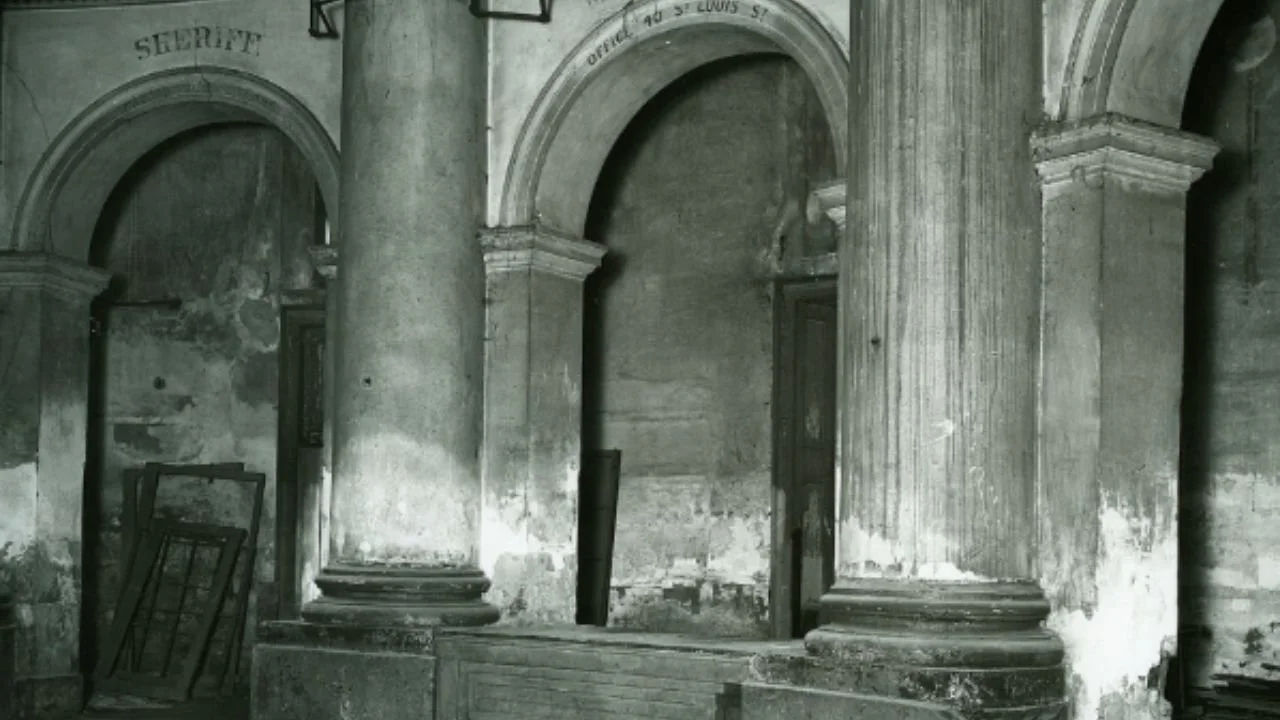
The St. Louis Hotel once stood in the French Quarter. It is now the Omni Royal Hotel.
In the 19th century, it housed a rotunda used for slave auctions. People were sold there in a formal, structured setting.
Lives were valued and traded in public view
Families were separated within that space
The system operated as part of everyday business
That history is not always visible today. However, once you know it, the location carries a very different weight.
Then look at The Cabildo.
This building served as the center of the Spanish colonial government. Laws were written and enforced here. Courtrooms inside handled legal decisions that shaped the city.
Authority was centralized within its walls
Justice reflected the values of that era
Power determined outcomes for many people
Standing near it raises quiet questions. Who had control? Who did not?
Truth 4: The City’s Hardest Stories Are Often the Most Overlooked
When people search for haunted places, they often expect dramatic stories.
The truth is usually quieter and more complex.
Take figures like Norma Wallace, known as the last madam of the city. Her life reflects a part of New Orleans that existed outside official narratives.
Or consider the work of E. J. Bellocq, who documented women in Storyville. His photographs captured real lives that were rarely acknowledged with care.
These stories do not rely on fear. Instead, they rely on honesty.
They show how people lived on the margins
They reveal gaps between public image and reality
They raise questions instead of giving easy answers
That kind of history lingers longer than any ghost story.
Truth 5: “Haunted” Is Often Just Another Word for Unprocessed History
At some point, the question starts to shift.
Instead of asking, is New Orleans haunted, a different question comes up. Why do these places feel the way they do?
The answer often comes back to one idea. History that has not been fully processed tends to stay present.
In the Yellow Fever Epidemic of 1853, the city faced one of its worst public health crises. The disease spread quickly during the summer months. By the end, more than 8,000 people had died.
The scale of loss changed how the city functioned.
Hospitals filled beyond capacity
Doctors struggled to treat patients with limited knowledge
Entire households were affected within days
The burial system could not keep up with the number of deaths. Cemeteries became overwhelmed. New graves had to be prepared quickly, often with little time for proper process.
This is where one of New Orleans’ most well-known features connects to the crisis.
Above-ground tombs became more common, partly due to high water tables. However, events like the 1853 epidemic made their use even more necessary.
Ground burials were difficult in the local environment
Rapid deaths required faster, more practical solutions
Tomb systems allowed for repeated use over time
So what many visitors see today as a unique or even eerie feature has a very real origin.
It comes from a need to manage loss on a massive scale.
The cultural impact did not end with the epidemic.
Fear of disease shaped how people viewed the city
Seasonal patterns influenced travel and daily life
Public health responses slowly began to evolve
Even now, that history sits quietly in the background.
Why New Orleans Feels Different From Other “Haunted” Cities
If many cities have ghost stories, why does New Orleans feel so different?
Cities like Savannah, Charleston, and Salem are often called haunted too. Each one has a real history behind that reputation. Still, the way New Orleans feels is not quite the same.
The difference comes down to how history shows up in daily life.
A Simple Comparison
City: Savannah
What Shapes Its Reputation: Colonial past, cemeteries, Civil War sites
How It Feels: Quiet and reflective
City: Charleston
What Shapes Its Reputation: Port city history, slavery, preserved architecture
How It Feels: Layered but restrained
City: Salem
What Shapes Its Reputation: 1692 witch trials and cultural memory
How It Feels: Focused on one defining event
City: New Orleans
What Shapes Its Reputation: Multiple overlapping histories across centuries
How It Feels: Constant, visible, and immersive
What Makes New Orleans Stand Apart
Other cities often connect their identity to one major event or era. New Orleans works differently. It carries many histories at the same time.
Here is what creates that difference.
1. Multiple Layers Exist at Once
In some cities, history feels separated by time. One era ends, and another begins.
In New Orleans, those layers overlap.
18th-century colonial history
19th-century epidemics and expansion
20th-century political shifts and disasters
You do not have to look far to see them. They exist side by side.
2. The City Never Fully “Resets”
Places like Salem are strongly tied to one defining moment. The witch trials shape how people see the city.
New Orleans does not have a single anchor like that. Instead, it carries many turning points.
Public health crises like yellow fever
Political power struggles
Social movements and cultural change
Because of that, the feeling is not tied to one story. It comes from many.
3. History Is Part of Daily Life
In some cities, history is preserved in specific areas. Museums and landmarks hold the past.
In New Orleans, history blends into everyday spaces.
Hotels that once shaped political decisions
Buildings that changed purpose over time
Streets where major events unfolded
You might walk into a place expecting nothing unusual. Then you learn the story, and the space feels different.
4. The Emotional Range Is Wider
Other cities often center on one type of story.
Salem focuses on fear and accusation
Charleston often reflects on heritage and conflict
Savannah leans toward quiet, reflective history
New Orleans holds all of that, and more.
Loss and resilience
Power and resistance
Culture, music, and daily life
That mix creates a stronger emotional response. It is not just one feeling. It is many, all at once.
A More Honest Way to Experience the City
Some experiences in New Orleans focus on quick reactions. Loud noises, sudden moments, and easy thrills are common. They get attention, but they rarely stay with you.
There is another way to explore the city. It is slower, more grounded, and far more meaningful.
That is where Hottest Hell Tours stands apart.
This is not a ghost-hunting show brought to the streets. It is a history-first experience built by trained historians who care about accuracy.
The tours are designed to help you understand why a place feels the way it does.
What You Can Expect
The most popular experience is the Walking the Devil’s Empire Tour.
Covers the French Quarter and nearby historic areas
Focuses on crime, folklore, and real documented events
Changes slightly each night based on storytelling flow
The Dim Corner Tour takes a different route.
Starts near the Old U.S. Mint
Explores lesser-known stories
Designed for repeat visitors or those who want something deeper
For those curious about spiritual traditions, the Gates of Guinee Voodoo Tour offers a more accurate look at New Orleans Voodoo.
Focuses on real history and cultural context
Avoids myths and common misconceptions
Connects belief systems to lived experience
What is really that different from other tours?
No jump scares interrupt the story
No exaggerated claims distract from the facts
No filler content is used to pass time
Instead, each stop builds on the last. A street starts to feel familiar, then meaningful, and finally layered with context.
What Others Are Saying
This approach has built a strong reputation over time.
4,000+ reviews on Tripadvisor
Consistently high ratings from visitors
Frequent mentions of storytelling quality and depth
Many visitors expect a typical ghost tour. What they get instead is something more grounded and memorable.
The city no longer feels like a collection of random streets. It starts to feel connected. Stories link together. Places make sense.
This feeling lasts longer than any quick scare ever could.
FAQs
What is the most haunted place in New Orleans?
There is no single answer, because “haunted” depends on what you value. Many people point to places with strong history, like the Bourbon Orleans Hotel or the New Orleans Pharmacy Museum. These locations feel intense because of real events, not just stories. Once you learn what happened there, the space starts to feel different.
Is New Orleans haunted for real?
That depends on how you define haunted. If you mean ghosts, there is no proven evidence. If you mean places shaped by deep and often difficult history, then yes, the city can feel that way. The feeling usually comes from context, not something supernatural.
What caused so many deaths in New Orleans?
Several factors played a role over time. The Yellow Fever Epidemic of 1853 caused thousands of deaths in a short period. The city’s climate, port activity, and limited medical knowledge also contributed to repeated outbreaks. Events like fires and hurricanes added to that history.
Can you visit these places today?
Yes, most of these locations are still accessible. Some are active businesses, while others are museums or public buildings. However, access may vary depending on the site. Guided tours often help provide context that is not obvious on your own.
Why do old buildings in New Orleans feel different?
Old buildings carry layers of use over time. A single space might have served many roles across centuries. Once you understand those changes, the atmosphere starts to feel heavier. That reaction comes from awareness, not fear.
What is dark tourism in New Orleans?
Dark tourism focuses on places linked to serious or difficult history. In New Orleans, this includes sites connected to disease, loss, or social change. When done well, it helps people understand the past with respect and accuracy.
Are ghost tours in New Orleans accurate?
Some tours focus on entertainment, while others focus on history. It is important to choose experiences that use verified facts and avoid exaggeration. A research-based approach usually provides a more meaningful and lasting experience.