
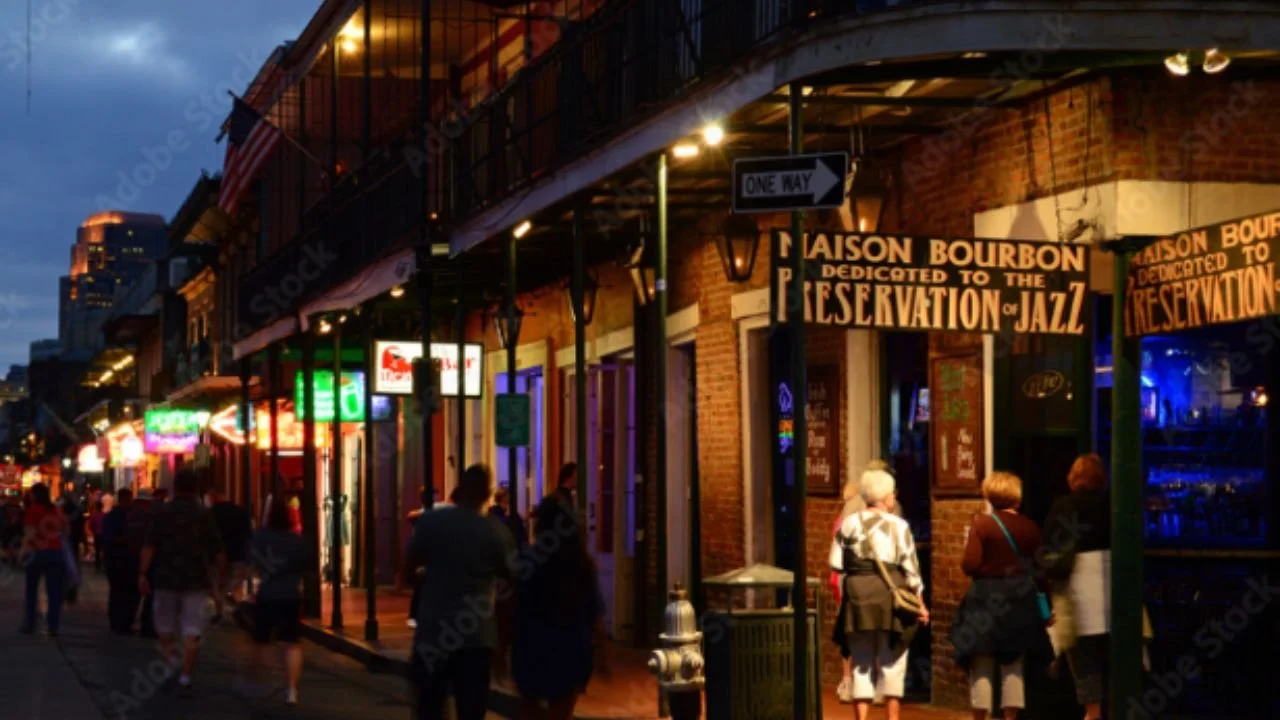
Looking for creepy places in New Orleans that are based on real history? These five locations stand out for that reason. Their stories are documented and often misunderstood.
New Orleans is known for ghosts and mysteries. Still, the most unsettling places come from real events. That is what makes them stay with you.
Let’s look at five locations where history feels stronger than legend.
1. Charity Hospital
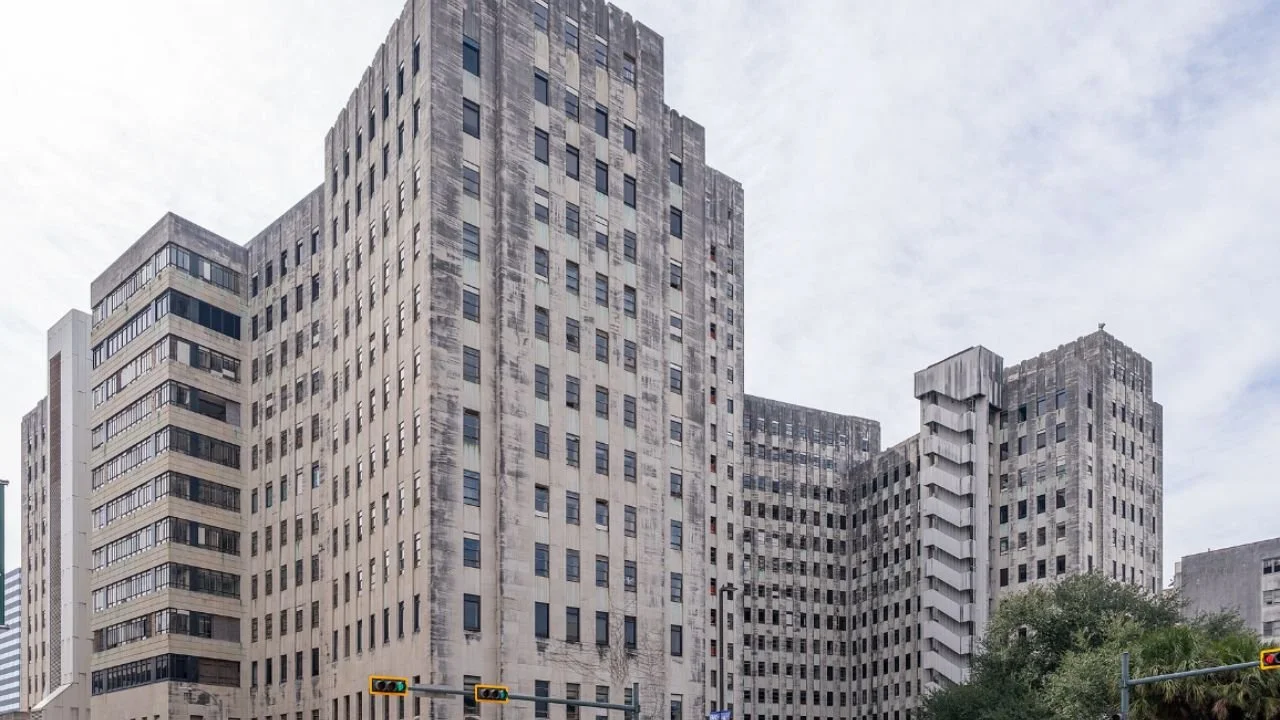
This building looks like any other empty structure. However, its story goes back much further than most people expect.
Charity Hospital was founded in 1736. It is one of the oldest hospitals in the United States. The large Art Deco building seen today opened in 1939. Over time, it became a central part of healthcare in New Orleans.
At its peak, the hospital had around 2,680 beds. That made it one of the largest public hospitals in the country. More importantly, it served people who had few other options.
Many patients were uninsured
Many relied on it as their only access to care
Entire communities depended on it daily
What Happened During Hurricane Katrina
Everything changed on August 29, 2005, when Hurricane Katrina hit the city.
Flooding affected large parts of New Orleans, including the hospital. Power failed. Water systems stopped working. Still, the staff did not leave immediately.
Doctors, nurses, and support teams stayed inside for days.
They continued treating patients without electricity
They worked without running water
They managed critical cases under extreme pressure
Eventually, evacuation became unavoidable. Patients were moved out under armed escort due to the conditions outside.
This was not a planned process. It was urgent, difficult, and emotionally exhausting for everyone involved.
Why This Place Still Feels Heavy
Since that time, the building has remained closed. It stands as a visible reminder of what happened during those days.
Here is what gives this place its lasting impact:
It shows how quickly essential systems can fail
It holds the memory of those who stayed to help
It reflects the reality of a crisis, not just the event itself
Charity Hospital is not just a building. It is a reminder of care, crisis, and the people who held things together when everything else fell apart.
2. The Roosevelt Hotel
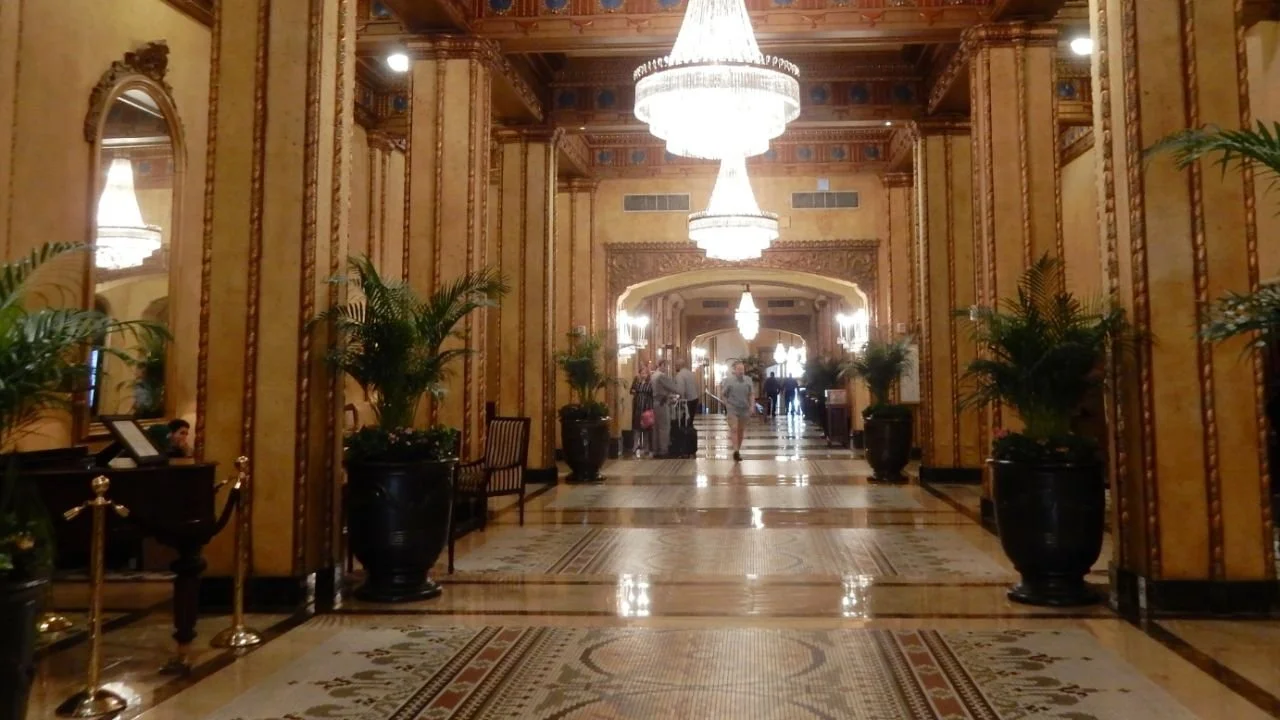
This hotel feels polished the moment you walk inside. The chandeliers glow softly. The lobby feels calm. Still, its past carries a very different kind of energy.
The building first opened in 1893 under a different name. It became the Roosevelt Hotel in 1923. Later, it operated as the Fairmont from 1965 to 2009. After restoration, it returned to its original Roosevelt name.
A Political Headquarters in Plain Sight
During the early 1930s, Huey P. Long, the governor of Louisiana, kept a permanent suite here. The exact suite number is often debated. But what matters is how he used the space.
This was not just a place to stay.
It became his working headquarters whenever he was in New Orleans.
Meetings with allies happened here
Political strategies were planned here
Decisions that shaped Louisiana began here
All of this took place away from public view.
A City, A Hotel, and a Power Struggle
At that time, New Orleans was already a center of influence. Long’s presence inside the Roosevelt Hotel placed him right in the middle of it.
This was a period of tension.
Political rivals were watching closely
Control over the state was constantly challenged
Trust was limited, even among allies
That atmosphere only grew stronger leading up to September 8, 1935. It was the day Long was assassinated in Baton Rouge.
The event did not happen at the hotel. But the energy of that era is tied to spaces like this one. Decisions made here fed into the larger conflicts unfolding across the state.
Why This Place Feels Different Today
Standing in the lobby now feels completely normal. But once you know the history, small details start to stand out.
Private rooms once held major decisions
Conversations here shaped public outcomes
Power operated quietly behind closed doors
It raises a simple question. How much of history happens in places that look ordinary?
A Place That Holds More Than It Shows
The Roosevelt Hotel is not unsettling in an obvious way. There are no visible signs of conflict or tension.
Instead, the feeling comes from knowing what happened there. It is a place where influence moves quietly. Where decisions shaped lives far beyond its walls.
Once you understand that, the space feels a little less ordinary.
3. UpStairs Lounge
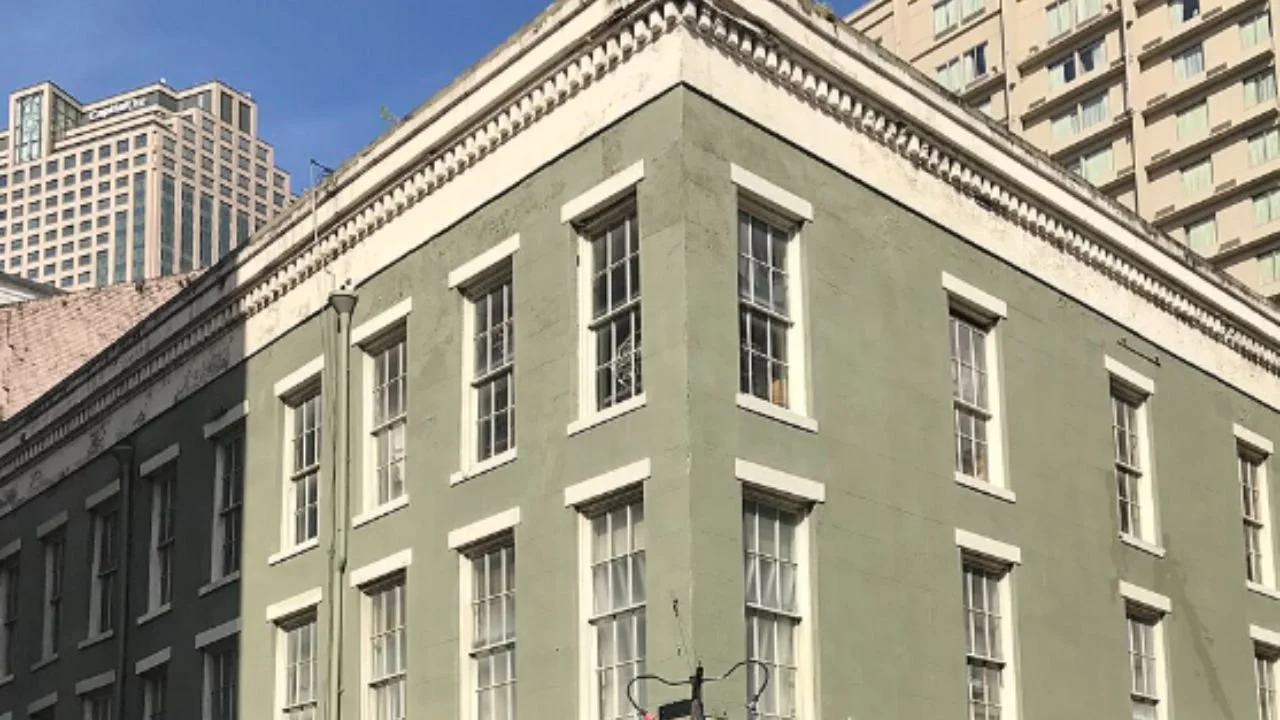
This location holds one of the most painful and important stories in the city. It is not widely discussed in the same way as other sites, but it should be.
On June 24, 1973, a Sunday evening, a fire broke out inside the UpStairs Lounge. The bar was located at 604 Iberville Street in the French Quarter. That night, thirty-two people lost their lives.
It remains the deadliest fire in New Orleans history.
The fire spread quickly through the space. Witnesses later reported smelling gasoline before it started. This led investigators to believe the fire was intentional.
A suspect was identified: Roger Dale Nunez. He had been removed from the bar earlier that night after an altercation.
However, he was never formally charged. In 1974, he died by suicide. The case was never fully resolved.
That lack of closure still lingers.
What Made the Aftermath Even Harder
The tragedy did not end with the fire. In many ways, the response that followed added another layer of pain.
At the time, the UpStairs Lounge was a gay bar. So, many victims were not treated with the dignity they deserved.
Here are a few realities from that period:
Some churches refused to hold funeral services for the victims
No major elected officials publicly addressed the tragedy
Police reports referred to it dismissively as “a queer bar”
Families struggled to mourn openly. Friends faced silence instead of support.
It is difficult to fully understand that kind of response today. But it shaped how the event is remembered.
Standing near 604 Iberville Street today feels like any other part of the French Quarter. There is a large marker on the sidewalk. It was stolen recently and ultimately replaced.
That is what makes it feel so heavy.
It reflects both loss and silence
It shows how queer communities were treated at the time
It reminds visitors how recent this history really is
This event also played a role in shaping the LGBTQ+ rights movement in New Orleans. It became a turning point, even if that change came slowly.
What to Know Before Visiting
If you plan to see the site, it helps to approach it with context.
The exact building has changed over time
The memorial plaque is located nearby. It's hard to miss because it's right on the ground outside the building.
It is part of a living neighborhood, not a preserved historic site
This is not a place for spectacle. It is a place for quiet reflection.
4. New Orleans Lakefront Airport
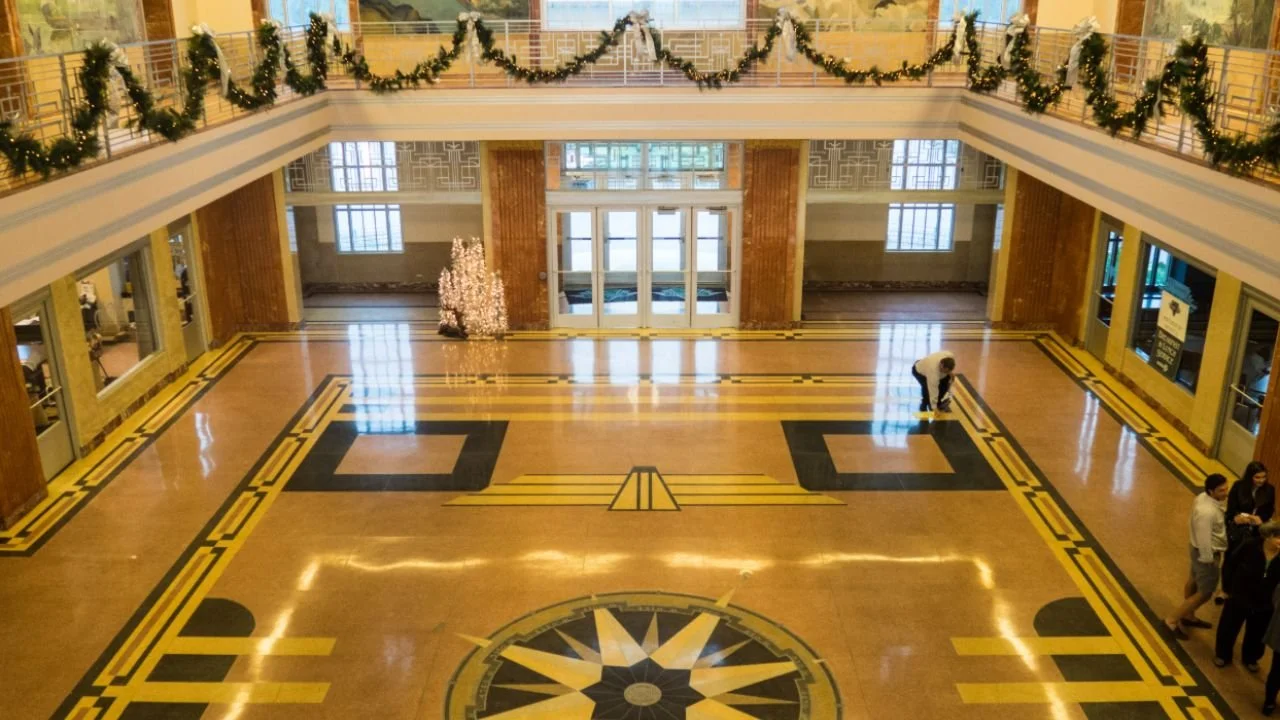
Airports usually feel fast and crowded. This one feels calm, almost still in parts. The airport was built in 1934 during the era of Huey P. Long. It was part of a larger New Deal effort tied to the Works Progress Administration. At the time, it was seen as a major step forward for the city.
The terminal building was designed in an Art Deco style. Even today, it is considered one of the finest examples of airport design from that period in the United States.
A Place Shaped by Time
Over the years, the airport has gone through many changes. Some parts have been updated. Others still reflect the original design.
Then came Hurricane Katrina.
The airport suffered heavy damage during the storm. Restoration efforts followed. Parts of the site were carefully rebuilt. The main terminal building now holds National Historic Landmark status.
Despite everything, the airport never fully lost its identity.
This is not just a historical site. It is still an active general aviation airport. That means visitors can actually go there and explore certain areas.
Walking through the space creates a unique feeling.
Some sections feel restored and in use
Others feel like they belong to another era
The architecture holds onto its original character
It is not abandoned, yet it does not feel entirely modern either.
Why It Leaves an Impression
The feeling here is subtle but noticeable. It builds slowly as you move through the city.
It reflects a time when aviation felt new and ambitious
It shows how progress can change direction over decades
It preserves a design style that is rarely seen today
You might start to wonder, is it the quiet that stands out? Or is it the sense that the past is still present here?
A Place That Feels Slightly Out of Time
New Orleans Lakefront Airport does not rely on dramatic stories. Instead, it creates an impression through the atmosphere.
It feels like a place where time did not move at the same pace as the rest of the city.
Once that thought settles in, the experience becomes much more memorable.
5. New Orleans Pharmacy Museum
.jpg)


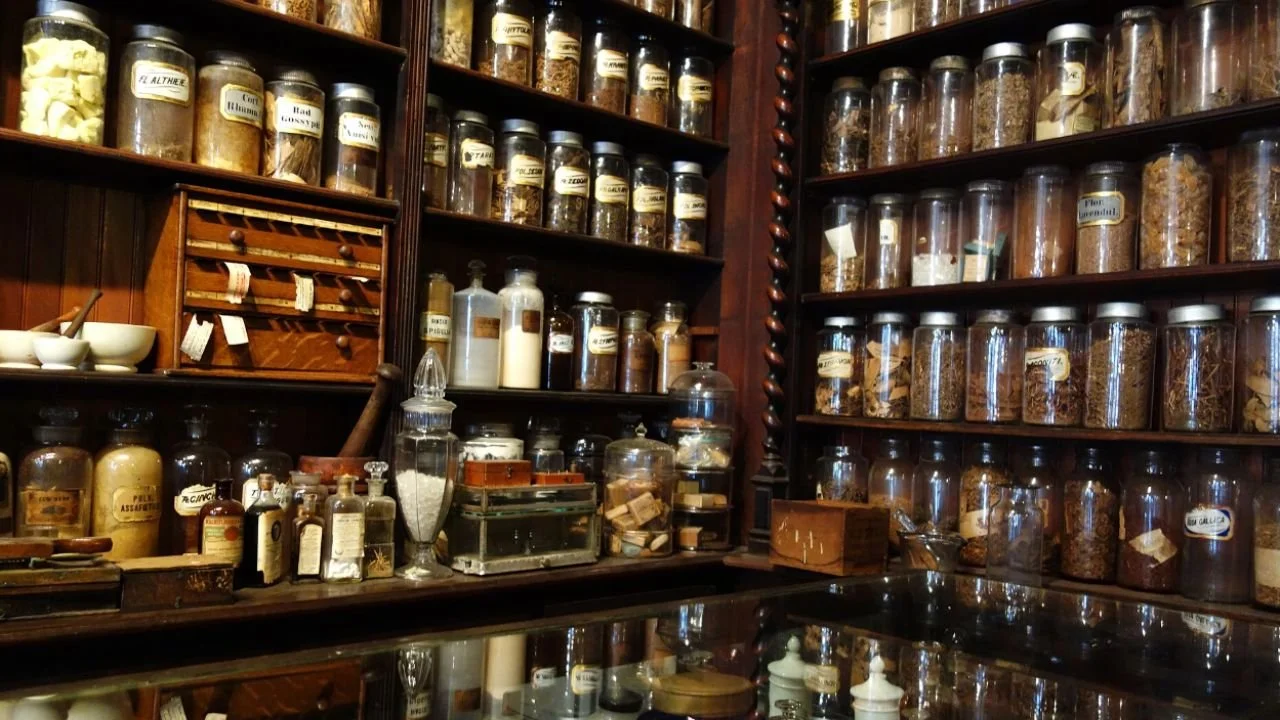
This place presents itself as a simple museum. Shelves are lined with bottles and handwritten notes. It looks quiet and organized.
But the deeper you look, the more complex the story becomes.
The pharmacy was opened in 1823 by Louis J. Dufilho Jr. He is recognized as the first licensed pharmacist in the United States.
What You Actually See Inside
The exhibits focus on early medicine. Many of the treatments on display reflect how limited knowledge once was.
Here are a few examples you might notice:
Arsenic-based remedies. These were once used to treat conditions like syphilis.
Leeches, used for bloodletting to “balance” the body
Early surgical tools. These include the instruments used for skull drilling
At the time, these methods were considered valid. Today, they feel unsettling because of what is now known.
The feeling here is not loud or dramatic. It builds slowly as you connect the details.
It shows how medicine was shaped by trial and error
It reflects the risks people faced during treatment
It raises difficult questions about ethics in the past
You might find yourself wondering, how much did people truly understand back then? Who paid the price for that learning?
A Different Kind of Unease
This is not a place built on myths or exaggerated stories. Everything here connects to real practices and real people.
That is what makes it different.
The museum does not try to scare you. Instead, it leaves you thinking about how far medicine has come. You are left pondering over how complicated that journey has been.
Questions That Come Up While Exploring
When visiting places like these, a few thoughts might naturally come up to you.
Does this place feel different because of what happened here?
Would it feel the same without knowing the story?
Is the atmosphere coming from the physical space or the history and events that occurred here?
These questions shift the experience. They move it from simple curiosity to deeper understanding.
A Different Way to Experience These Places
Reading about these locations gives you a starting point. Walking through them with context changes everything.
That is where Hottest Hell Tours offers something different.
Our tours focus on real history, not staged reactions. We rely on research and careful storytelling instead of exaggeration.
There are no forced scares or dramatic interruptions. The experience builds slowly, connecting each place to its real past.
A quiet street begins to feel layered. A building starts to hold meaning. The city itself becomes easier to understand.
FAQs
What is the most haunted place in New Orleans?
There is no single answer to this. Many places are called haunted based on stories and beliefs. However, locations tied to real events often feel more powerful. Places like the UpStairs Lounge or Charity Hospital stand out because of their documented history.
Is Charity Hospital in New Orleans haunted?
There is no confirmed evidence that Charity Hospital is haunted. The building feels unsettling mainly because of its history. It was closed after Hurricane Katrina and has remained empty since then. That silence often creates a strong emotional response.
What happened at the UpStairs Lounge in 1973?
On June 24, 1973, a fire broke out at the UpStairs Lounge. It was an arson attack that killed 32 people. The tragedy was made worse by the lack of public support for the victims at the time. Today, it is remembered as a major and painful moment in the city’s history.
What is dark tourism in New Orleans?
Dark tourism refers to visiting places connected to real tragedy or difficult history. In New Orleans, this includes sites linked to disasters, social struggles, and major events. The focus is on learning and reflection, not entertainment. When done responsibly, it helps people better understand the past.