
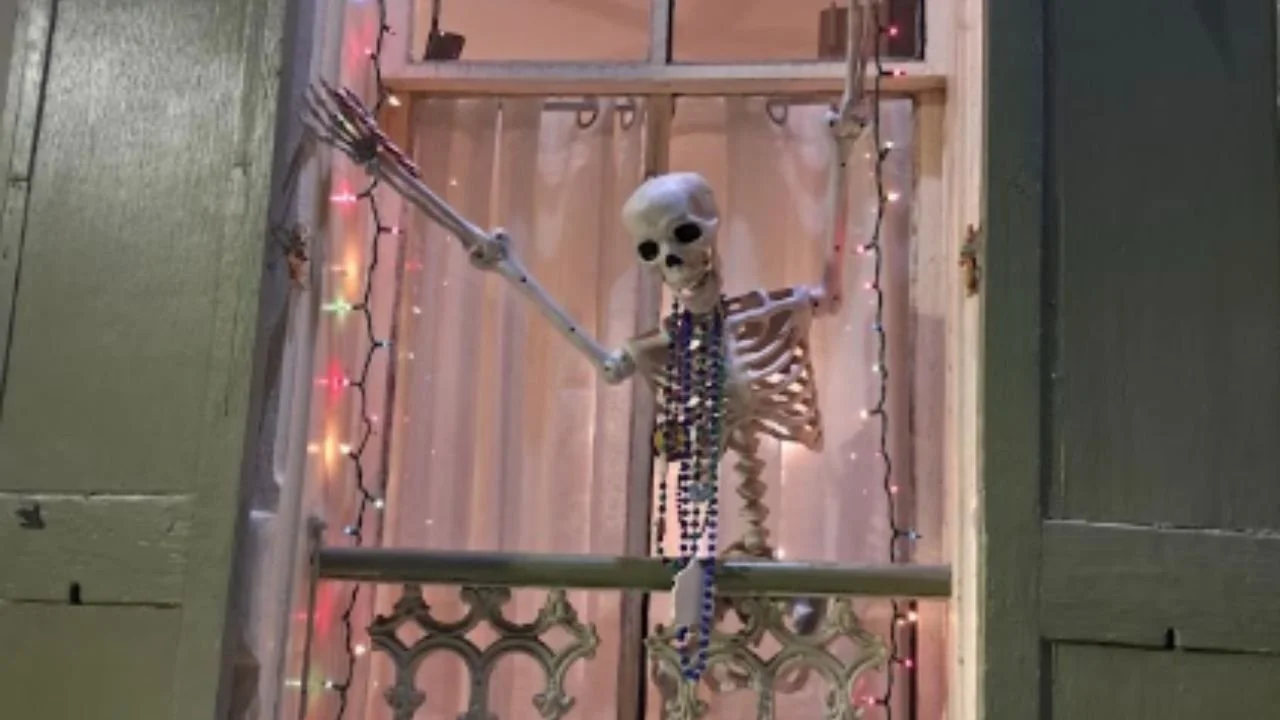
Halloween feels thoroughly American today. Pumpkins glow on porches and children collect candy. Yet many familiar traditions point back across the Atlantic. Their story begins in Ireland, where Halloween marked a much darker seasonal boundary.
The Irish tradition was not simply about ghosts and costumes. It involved harvests, fires, food, fortune-telling, disguises, games, and the returning dead. Dublin offers a useful window into that history. Irish folklore records also show how these customs varied between communities.
The history gets stranger when you look closely. It also gets more interesting.
Halloween Began With the Turning of the Year
Halloween was known as All Hallows Eve, or Oíche Shamhna, in Ireland. Irish folklore records describe it as a major turning point. Samhain marked the beginning of winter and the darker half of the year.
The seasonal change had practical consequences. Cattle came down from summer pastures at this time. Tributes and rents were also paid around Samhain. Other business was settled before winter arrived.
Dublin Castle describes Samhain as a major harvest festival. Livestock were slaughtered because winter feeding could become difficult. Crops were harvested before the harsher season began. Fresh meat, fruit, grains, and vegetables supported large seasonal feasts.
That timing shaped the meaning of Halloween. Winter was coming, and the landscape was changing. Life became less predictable as the darker season approached.
Samhain Was Considered a Liminal Time
Samhain was associated with the boundary between different worlds. Irish folklore describes this as a liminal moment. The boundary between the Otherworld and this world was believed to become easier to cross.
The supernatural therefore belonged naturally within Halloween traditions. Fairies, spirits, and ghosts could enter these stories. Some traditions warned people to remain indoors for protection.
Irish folklore records describe the Púca as particularly troublesome. One 1870 account describes spirits and fairies traveling abroad. It also describes people supposedly taken into fairy country.
These accounts are folklore records. They document beliefs, not proven supernatural events. It’s important to remember this distinction when discussing Halloween history.
Fire Helped Mark the Arrival of Winter
Fire played an important role in Samhain celebrations. Samhain was one of four quarterly fire festivals and a very important one. Community bonfires formed part of the tradition. Households extinguished their own fires during the gathering. They then relit their hearths using flames from the community fire.
Irish folklore records also describe households preparing blazing fires. People swept their hearths before going to bed. The practice was connected with welcoming supernatural visitors.
Fire therefore had several roles in these traditions. It marked seasonal change and brought households together. It also carried associations with protection and returning spirits.
The Dead Were Expected to Return
Halloween traditions included beliefs about the dead returning home. The Irish folklife source calls Halloween “ghost night” or “spirit night.” It records beliefs about deceased family members returning home.
Families sometimes prepared food or a place for returning relatives. These practices treated the dead as visitors and not distant memories. There was another tradition called “dumb supper.” Here, a meal was prepared without conversation. Families welcomed deceased ancestors before eating.
The folklore records show a darker side. Some traditions expected harmful spirits alongside returning family members. Protection therefore became part of the evening's customs.
This created a complicated Halloween atmosphere. The dead could be welcomed, feared, remembered, or all three.
Disguises Were Part of the Tradition
Costumes did not begin as a modern Halloween fashion trend. Guising was already part of Irish Halloween customs. People dressed in unusual clothing and visited homes for food or gifts.
One Dublin example comes from Clonshagh. Boys dressed as old men or old women. Some wore women's hats and soot on their faces. Others used false faces as disguises. The groups moved from house to house. Residents invited them inside and offered food or money. A ringleader might sing or play musical instruments.
There was also mumming and guising. These were forms of costumed house-to-house visiting and performance. Performers went from door to door in costume. They performed songs and plays and received cakes as payment. The tradition could also involve mischief. Tricks became part of the night's social activity. Halloween mischief could also involve practical jokes played on neighbors.
Modern trick-or-treating looks different. Yet the basic pattern remains familiar. Dress up, visit homes, perform, and receive something in return.
Halloween Was a Night for Fortune-Telling
Halloween was also a night for predicting the future. Young people used games and rituals to ask difficult questions. Marriage was one especially popular subject. One recorded practice used three saucers. One held a ring, another held clay, and another held water. A blindfolded person then chose one saucer. The ring predicted marriage. Clay supposedly predicted death. Water suggested crossing to a foreign country.
Other traditions focused specifically on romance. Nine ivy leaves could be placed beneath a girl's pillow. The ritual was supposed to reveal her future husband through dreams.
There were several other marriage rituals, as well. Yarrow under a pillow could supposedly bring dreams of a lover. Apples, nuts, and other objects also featured in fortune-telling games.
Some traditions were playful. Others carried genuinely frightening predictions. Halloween could make romance and death part of the same game.
Food Was Part of the Halloween Ritual
Food played a central role in the celebration. The harvest season was ending, so communities had reason to feast. Rural households had finished major seasonal tasks by Halloween. Traditional foods included colcannon, sweet cake, fruit, and nuts. Colcannon was also known as stampy or pandy. These foods marked the end of seasonal work.
The báirín breac also carried a fortune-telling purpose. A ring could be baked into the cake. Whoever found it was expected to marry next. Besides these, there were additional objects used in the cake. A thimble represented spinsterhood. A button represented bachelorhood. Other objects represented wealth, poverty, or conflict.
Food was therefore entertainment and prophecy at once. Halloween dinner could offer dessert with consequences.
Before Pumpkins, Ireland Carved Turnips
The classic American jack-o'-lantern has an Irish predecessor. Irish people carved lanterns from turnips and other root vegetables. Large potatoes, mangelwurzels, and beets also appear in the tradition. Some nineteenth-century records document Halloween lanterns made from turnips or large potatoes.
A lantern from Donegal was donated in 1943. A schoolteacher explained that people no longer made that particular type. The tradition, however, remained remembered locally. That evidence is important because it avoids a common historical trap. We cannot identify one emigrant who carried the custom to America. The folklife expert specifically cautioned against claiming such a direct connection.
Another source describes Irish turnip lanterns as predecessors to American pumpkins. Irish emigrants encountered pumpkins after arriving in America. Pumpkins proved easier to carve than many traditional Irish root vegetables.
The familiar pumpkin came later. The carved lantern tradition itself was older.
Halloween Was Full of Games and Mischief
Games were central to the celebration. Children and young adults had plenty of ways to entertain themselves. One popular game involved snapping apples. Players also reached into water for coins. Other games tested balance, speed, and coordination.
One Irish account describes a particularly chaotic apple game. Players circled a bucket ten times before grabbing a hanging apple. Staying upright was apparently part of the challenge. Another account describes apples, roasted nuts, music, and visitors. The visitors were identified as Púca boys. They entered the house, danced, and sang.
Halloween has always mixed food, games, costumes, music, and mischief.
Ireland's Halloween Was Not One Single Tradition
There was no single Irish Halloween experience. Customs varied between communities and regions. This regional variation is worth noting. A Halloween custom from Dublin cannot automatically represent every Irish community. Folklore is often local, changing, and shaped by family practice.
The Clonshagh account gives us one Dublin example. It describes costumes, house visits, music, apples, nuts, and money. Other records show different customs. Mayo traditions used saucers for fortune-telling. Galway traditions used ivy leaves and dreams. Kerry traditions involved unusual apple games.
This variety makes the history richer. It also makes sweeping claims harder to defend.
So, How Did Ireland Shape Modern Halloween?
Ireland helped preserve a cluster of traditions that still define Halloween. Seasonal change sits at the center of them. So do spirits, disguises, food, games, fortune-telling, and lanterns.
The connection is not equally documented for every modern practice. Some links are supported by recorded folklore. Others remain difficult to trace directly. The lantern evidence offers a good example. Irish lanterns are well documented. A direct chain from one Irish emigrant to American pumpkins remains unproven.
The same caution applies to supernatural traditions. Folklore records tell us what people believed. They do not prove that spirits actually appeared. That distinction should not make Halloween less interesting. Quite the opposite. The documented beliefs are strange enough without adding fiction.
From Dublin's Halloween to New Orleans' Dark History
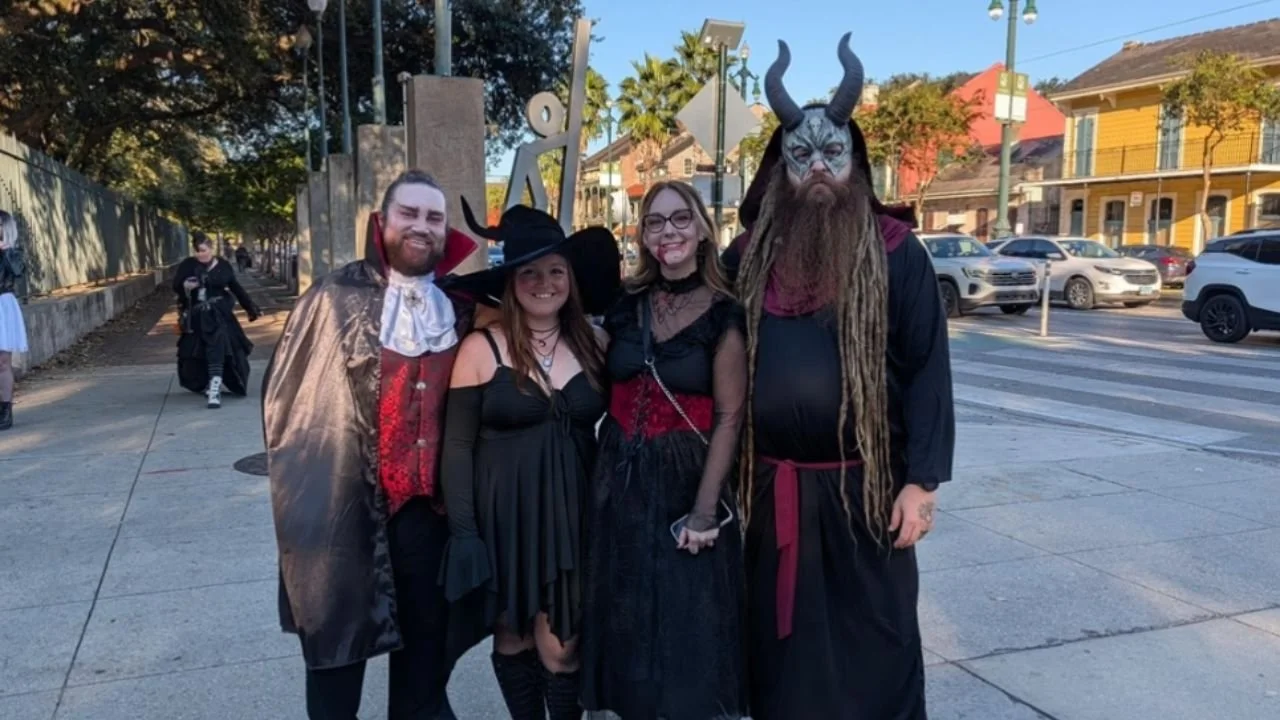
Halloween's Irish history shows why old stories deserve careful handling. The evidence can be strange without becoming exaggerated. That approach also shapes how Hottest Hell Tours tells New Orleans history.
The tours focus on researched history, folklore, hauntings, and the darker parts of New Orleans. Its guides are historians and other subject-matter experts who focus on researched storytelling rather than staged scares.
That philosophy fits the history of Halloween itself. The strongest stories do not need invented details. They need context, evidence, and a willingness to separate belief from fact.
In Ireland, old records preserve stories about spirits, disguises, games, and strange rituals. In New Orleans, the historical record holds its own darkness.
Sometimes the truth needs no embellishment. That is where the best Halloween stories begin.
FAQs
Where in Ireland is the best place to celebrate Halloween?
For traditional Halloween, County Meath is an excellent choice. Athboy connects closely with Samhain traditions. Nearby Trim hosts the Púca Festival. Together, they offer folklore, fire, music, food, storytelling, and Halloween events.
Why is Halloween such a big deal in Ireland?
Halloween has deep roots in Ireland through Samhain. Samhain marked the seasonal shift into winter. Traditional beliefs also linked this time with spirits and the Otherworld. Many modern Halloween customs grew from older Irish practices.
Where is the biggest Halloween festival in Ireland?
The biggest Halloween festival in Ireland, and Europe, takes place in Derry, Northern Ireland. This four-day event attracts over 100,000 costumed visitors each October. The historic walled city becomes a huge celebration of Halloween, folklore, costumes, and entertainment.
What happens in Dublin on Halloween in 2026?
Dublin will host several Halloween events in 2026. Confirmed listings include Halloween shows, family activities, and other seasonal experiences. However, a complete October 31 program is not yet available. Check official listings before making plans.