
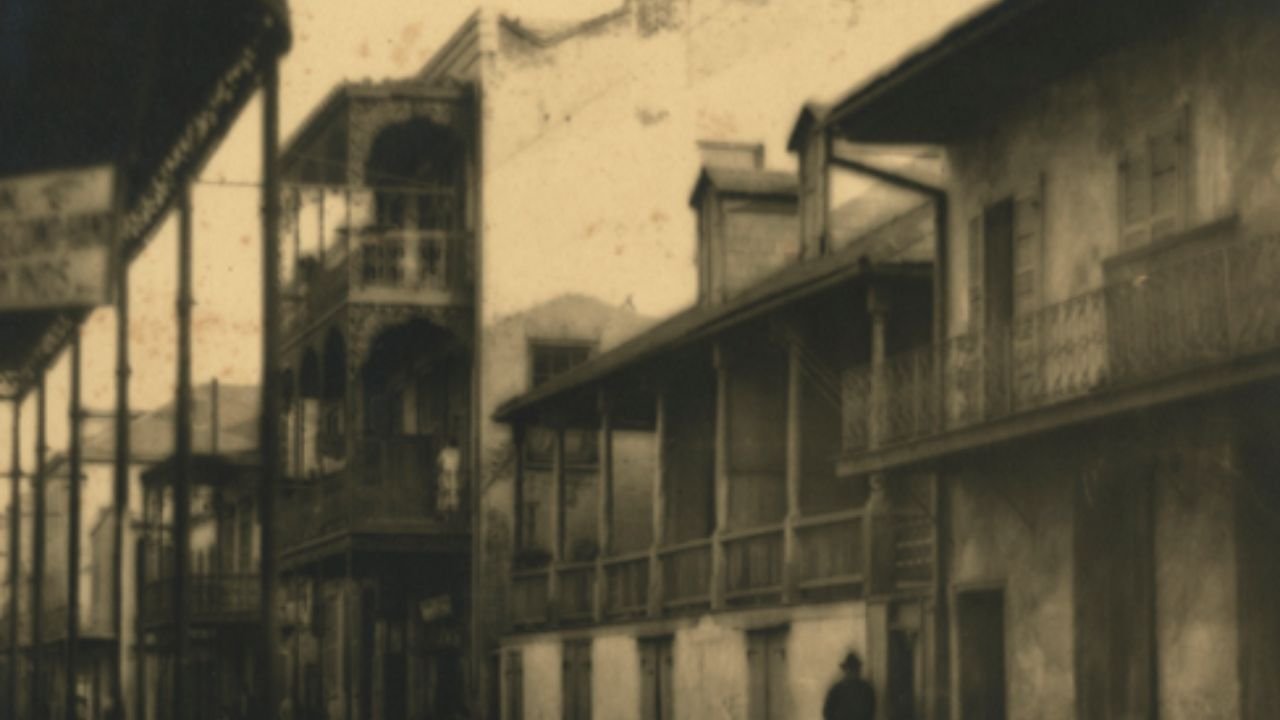
New Orleans isn’t like other U.S. cities. It has a distinct mood. Some describe it as dark and haunting. Yet, everyone feels welcomed to explore it. It’s hard to ignore the mysterious vibes that envelop the city. Because of this, it has offered a fertile ground for Gothic literature. From balconies to courtyards, and more, the eerie atmosphere is present everywhere.
Let’s explore how NOLA provided an ideal place for Gothic literature to thrive.
What Gothic Literature Really Means
Many people associate gothic literature with ghosts and horror stories. Yet the literary tradition involves much more than simple fright.
Classic gothic writing usually includes:
Mysterious environments
Emotional intensity
Historical settings
Decaying architecture
Themes of memory and loss
American authors discovered something interesting in certain cities. They already felt like gothic landscapes without much effort.
New Orleans became one of those places.
Architecture and the Gothic Mood
Architecture plays an enormous role in gothic storytelling. Buildings can create tension, mystery, and emotional atmosphere.
New Orleans offers many architectural elements that support those themes.
Architectural Feature: Iron balconies
Why It Feels Gothic: Cast dramatic shadows across historic streets
Architectural Feature: Tall windows
Why It Feels Gothic: Allow soft candlelight or lamplight at night
Architectural Feature: Hidden courtyards
Why It Feels Gothic: Create secluded spaces full of quiet mystery
Architectural Feature: Weathered brick walls
Why It Feels Gothic: Show the visible passage of centuries
Architectural Feature: Narrow streets
Why It Feels Gothic: Encourage intimacy and quiet observation
Southern Gothic and New Orleans
Credit: https://www.loa.org/writers/301-william-faulkner/
Southern Gothic is a unique branch of gothic literature that grew in the American South during the twentieth century. It emphasizes realistic settings, human flaws, and social tensions.
Stories explore memory, identity, family legacy, social change, and hidden histories within older communities. The mood is haunting, reflective, and deeply emotional, but it is grounded in reality rather than pure fantasy.
Several authors exemplify Southern Gothic and its connection to New Orleans:
Tennessee Williams – A Streetcar Named Desire
Williams captured the emotional intensity of New Orleans in his plays. A Streetcar Named Desire is set in the French Quarter, where characters navigate desire, conflict, and memory. The city’s humid streets, aging buildings, and vibrant culture enhance the play’s gothic undertones.
Anne Rice – The Witching Hour
Rice expanded Southern Gothic storytelling through her Lives of the Mayfair Witches series, grounding supernatural elements in New Orleans history and family legacy. Set largely in the Garden District, these works focus on generational trauma, power, and identity, blending gothic themes with deeply rooted local context rather than purely atmospheric horror.
Toni Morrison
Morrison offers a powerful contrast within the broader landscape of literary storytelling. Her work explores memory, history, and identity through deeply human experiences shaped by real historical forces. While not centered on New Orleans, her writing highlights how stories rooted in lived experience and historical truth can be just as haunting, if not more so, than traditional gothic fiction.
William Faulkner
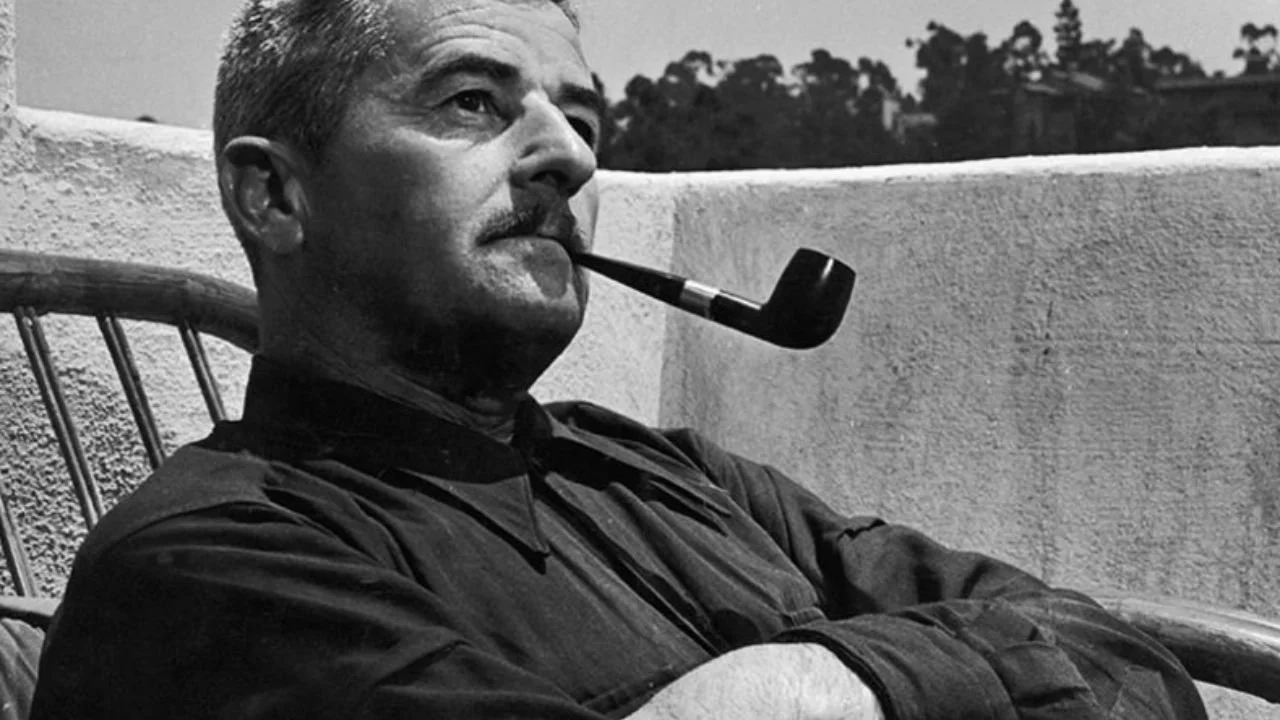
Faulkner, though primarily associated with Mississippi, spent time in New Orleans. He explored themes of decay, family legacy, and the persistence of history. His short stories and essays often reflect the moral complexity and social tensions found in southern cities, including NOLA.
History and Memory in Gothic Writing
Gothic literature often explores the tension between past and present. Characters confront memories that are hidden within buildings, streets, and families. New Orleans provides a unique landscape for these themes, where history is visible everywhere.
Colonial Foundations
French colonial settlers arrived in the early 18th century. They built the city with narrow streets, and brick buildings that still exist today. Later, Spanish administrators rebuilt sections of the city after fires in the late 1700s. These colonial layers created architectural and cultural depth, forming a natural backdrop for Gothic storytelling.
The Antebellum Era and Enslavement
New Orleans became the largest market for enslaved people in North America during the 18th and 19th centuries. While some enslaved individuals did arrive through the port as part of the transatlantic trade, by the 19th century many were forcibly sent “down river” from other parts of the United States, a threat enslavers used to separate families and impose control. This meant being taken to places like New Orleans, where the sugar trade was among the most brutal and deadly forms of forced labor. Enslaved people were sold at public auctions in businesses known as Exchange Houses and forced into labor across the region.
This brutal system shaped the city socially, economically, and culturally. The memory of enslavement, its violence, forced displacement, and human suffering remains embedded in the streets, buildings, and riverfront today.
Gothic literature often draws on this lingering past. Writers explore tension, fear, and moral complexity rooted in real historical trauma. Stories about power, memory, and hidden histories gain emotional weight from these legacies.
Storyville and Hidden Histories
From the late 19th to early 20th, Storyville operated as New Orleans’ red-light district. It became a cultural hub where jazz, blues, and other musical traditions flourished. The district’s architecture, secret courtyards, and social networks carry traces of hidden histories. Writers often reference Storyville to explore human desire, moral conflict, and the passage of time.
Streets as Living Archives
Walking through the French Quarter or the Tremé neighborhood feels like stepping into layers of history. Buildings, cobblestones, and balconies hold centuries of memory. Even ordinary courtyards carry stories of colonial life, human enslavement, and the cultural transformations that followed. Gothic writers often depict these spaces as “living archives,” where the past subtly haunts the present.
Experiencing the Atmosphere in Real Life

Books capture the mood of gothic New Orleans, yet reality offers something deeper. Walking the historic streets provides sensory experiences difficult to replicate.
Visitors may notice subtle details that writers often describe like:
Warm lamplight glowing against historic brick walls
Distant music drifting between quiet buildings
Shadows moving slowly across narrow sidewalks
Thoughtful storytelling helps reveal the essence of New Orleans' gothic atmosphere. This approach sits at the heart of Hottest Hell Tours.
It offers historically grounded walking tours across New Orleans. Guides focus on documented history, cultural context, and ethical storytelling. Tours explore the darker side of historical memory responsibly. Stories emphasize real events and the alleged ghost and supernatural legends attached to them.
Guests experience the city through historians who respect its past. Visitors often discover how reality already feels stranger than fiction.
Hottest Hell Tours stands apart through several defining qualities.
Tours led by historians and researchers
Strong focus on historical accuracy
Small groups encouraging thoughtful discussion
Respectful treatment of sensitive history
Immersive storytelling rooted in documented facts
Guests leave with a deeper understanding of the city’s layered past. Many visitors leave with a deeper appreciation for New Orleans’ gothic side.
New Orleans does not require fictional embellishment or theatrical effects. Its streets already hold centuries of fascinating stories waiting to be told.
Hottest Hell Tours simply helps visitors hear them.