
To experience the real New Orleans, look past the hype. Skip the easy gimmicks and spend time with the real city instead.
New Orleans has more than three hundred years of history. French and Spanish rule shaped it. Caribbean migration changed it. African traditions strengthened it. Epidemics, war, immigration, architecture, food, music, and public memory all helped build it.
That kind of city cannot be understood in one loud tourist strip.
Still, New Orleans has become very good at selling a simplified version of itself. That version is easy to buy, but it is also easy to regret.
The good news is that avoiding tourist traps in New Orleans does not take insider magic. It just takes better choices.
These ten smart moves will help visitors spend less money and avoid common mistakes. Remember them and you’ll certainly leave with stories that actually matter.
1. Avoid Thinking Bourbon Street Is the Real New Orleans
Bourbon Street is famous for a reason. It is loud. It is busy. It stays awake long after most cities sleep. That can be fun for a night.
But it is not the full New Orleans experience. Bourbon is built for crowds. Many bars there are designed for quick turnover. Drinks cost more than they should. Music often competes with speakers blasting from the next doorway.
After an hour or two, much of it feels the same. That is the trap. Visitors assume they are seeing New Orleans when they are really seeing one heavily commercialized corner of it.
So where should you actually go? Here are a few places that will help you understand the city better.
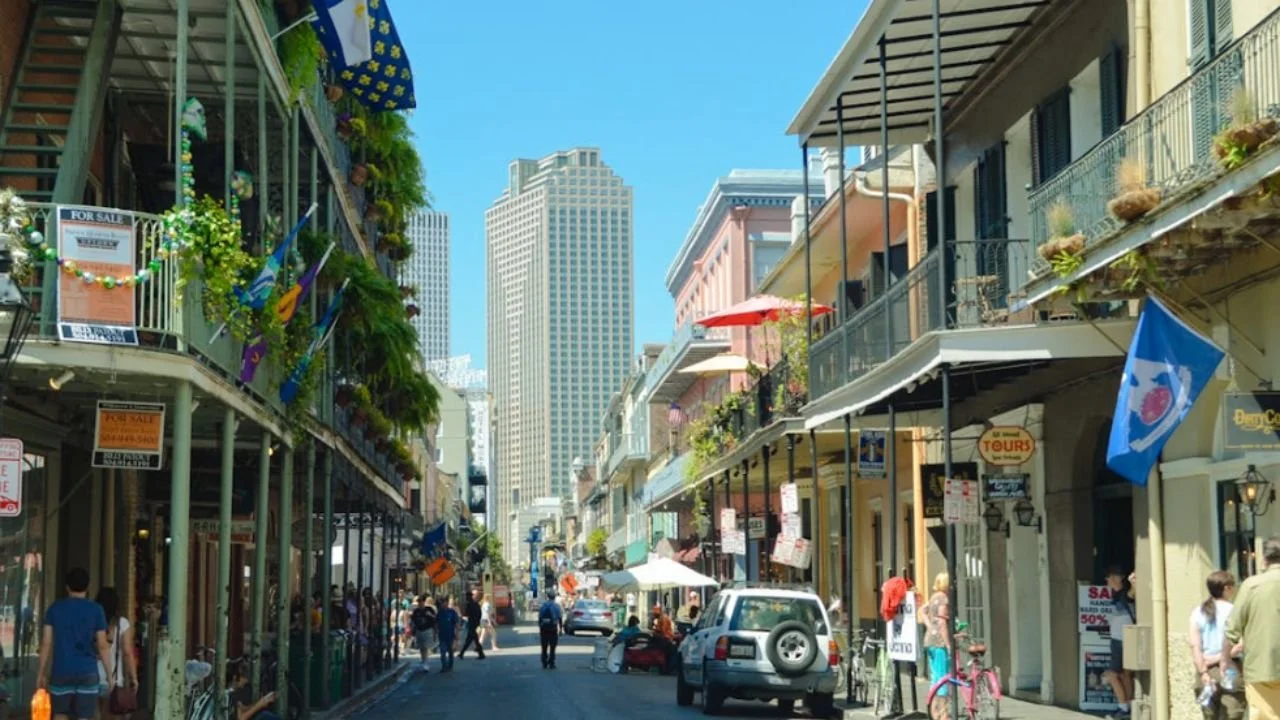
Royal Street is a single block away from Bourbon. It feels like a different city. During the day, the cars are limited to parts of the street. This gives the whole stretch a slower, quieter energy. Local artists set up along the sidewalks.
Antique shops and independent galleries line the buildings. The ironwork balconies and historic architecture that appear in every New Orleans photograph are easier to see here. This is because you're not being jostled on all sides.
Frenchmen Street is where locals consistently go when they want live music without the Bourbon Street chaos. It sits just outside the French Quarter in the Faubourg Marigny neighborhood. The street comes alive after 9pm.
The Spotted Cat Music Club is a good place to start. It's small, no cover most nights, and the jazz is the real thing. Blue Nile, just down the block, is one of the oldest music venues on the strip. It has a balcony overlookingthat overlooks the whole street. The Marigny Art Bazaar operates here most evenings as well. Local artists sell original work directly to visitors. The whole street feels more like a neighborhood than a performance, which is exactly the point.
The Marigny surrounds the Frenchmen Street. It became a neighborhood in the early 1800s when Bernard de Marigny divided his plantation land into homes. It has a residential quality that Bourbon doesn't. Walking through it in the evening gives you a sense of what the city looks like when it isn't performing for tourists.
2. Avoid Booking the First Ghost Tour You Find
Type "ghost tour New Orleans" into a search bar and many options appear. They all sound spooky. They all promise dark secrets. They all claim to show things no one else does.
A lot of them tell the same recycled stories. Others use fake scares because historical depth takes real work. Neither approach is what New Orleans deserves. The city's haunted reputation grew from real events. Yellow fever outbreaks killed more than 108,000 people in the summer of 1853 alone. Fires erased most of the city in 1788 and again in 1794. Political tension and social upheaval shaped who got remembered and who got forgotten. Those events created stories people still talk about today. A strong tour explains that. A weak one just performs it.
Before booking, ask yourself these four questions:
Who are the guides, really? There is a meaningful difference between a regular guide and someone who spent years studying history. The latter gives you context and nuance that the former doesn’t. A guide who is also a historian or trained by a historian, has the ability to answer a question you throw at them mid-tour without missing a beat.
What does the company say about its own standards? Look at how they describe themselves on their website. Do they talk about research and accuracy, or just about scares and spectacle? The language a company uses to sell itself is usually honest about what it's actually selling.
What are past guests walking away with? Reviews that mention specific things learned are a stronger signal than five stars with "so fun!" attached.
Does the experience respect the city's actual past? Sensationalizing tragedy for entertainment is a choice. So is treating documented history with the seriousness it deserves. You can usually tell which approach a company has taken within the first five minutes.
That is why thoughtful visitors often choose Hottest Hell Tours. We are owned by a master's-level historian, former history professor, and built our entire reputation on telling the truth about this city. Our guides research every story. Our tours are grounded in verified historical records and documented evidence. Groups stay small, no more than 20 people per tour. This lets everyone actually hear what is being said. If you want to understand why New Orleans feels the way it does at night, that understanding starts with booking a tour with people who actually studied it.
3. Avoid Falling for Street Scams
New Orleans has a warmth to it that makes talking to strangers feel natural. But a handful of well-practiced cons run in the French Quarter specifically because that openness exists. Visitors who don't know what to look for become easy targets.
Here are the three you're most likely to encounter:
The shoe bet
Someone approaches you on the street, usually near Bourbon Street or Jackson Square. They offer a bet. "I bet I can tell you where you got your shoes." It sounds like a riddle. You engage because you're curious. The answer they give is "on your feet, right here in New Orleans." Then they demand money for the correct answer. At other times, before you've said a word, someone has already started rubbing something on your shoes and is now asking to be paid for a shine. The answer is always the same. The moment you respond, you're in. The polite but firm response is to say "no thanks.” Then, keep walking without slowing down.
The “Monk” bracelet drop
Someone places a handmade bracelet around your wrist and says it's a gift. It is not a gift. The moment it's on, they'll ask for a donation. This can be anywhere from $10 upward. They become persistent if you decline. The easiest move is simply to not let anything be placed on you. If it happens anyway, you are not legally obligated to pay for something you did not request.
The aggressive shoe shine
Someone approaches offering to shine your shoes. This is often before you've responded, and then expects payment. Like the shoe bet, the key is not engaging in the first place. Say"no" and continue walking, that is all it takes.
4. Avoid Waiting in Long Food Lines Just Because Social Media Said So
This trap catches thousands of visitors every year. A restaurant goes viral. The photos look great. The line wraps around the block. Visitors stand there for an hour because social media told them this meal is “the real New Orleans.”
Sometimes it is good. Sometimes it is just loud marketing.
New Orleans food culture is built on history, not internet trends. French, Spanish, African, Caribbean, and local traditions shaped the city’s best dishes over centuries. Great food here often comes from places that built loyal followings long before anyone made short videos about them.
A smart visitor pauses before joining a giant line. Ask yourself:
“Is this worth losing part of the day?”
Some of the city’s best meals happen in neighborhood spots with no hype at all. The dining room may look simple. The sign may not glow. But the kitchen has often been doing things right for decades.
Look beyond what is trending. Real flavor usually lasts longer than internet fame.
5. Avoid Fake Voodoo Shops Selling Tourist Fantasy
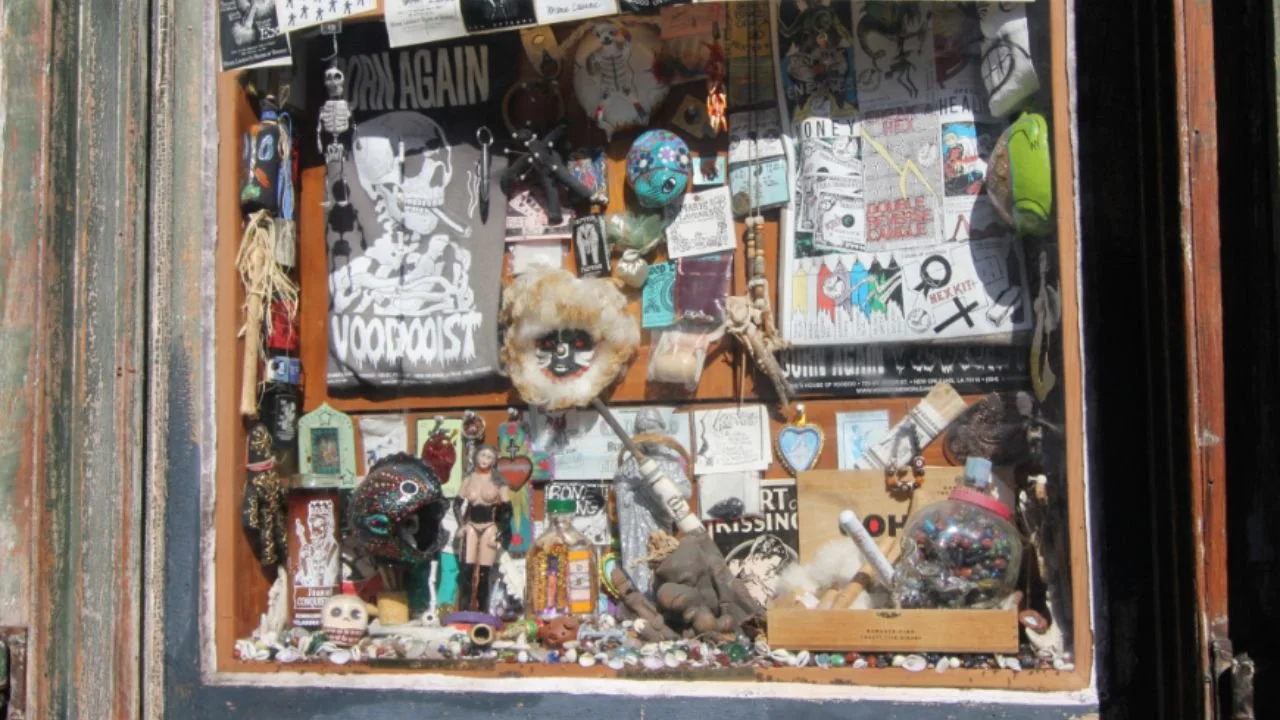
Visitors come curious about spiritual history. That curiosity is fair. The city’s traditions are layered, and historically important.
Then they walk into flashy souvenir shops selling plastic dolls and fake curses. That is not history. It is marketing.
New Orleans spiritual traditions grew through cultural exchange shaped by African practices, and Caribbean migration. French colonial influence, and local Indigenous culture all influenced the city’s spiritual scene. These systems carried meaning for communities navigating difficult conditions and preserving identity. That deserves respect.
This matters because fake tourist versions erase real historical understanding. They turn living cultural history into novelty entertainment.
A better choice is asking real questions. How did these traditions evolve? What historical events shaped them? Why were they misunderstood for so long?
New Orleans offers real ways to explore these questions. If you want to understand how Voodoo actually developed in this city, including how it was practiced and why it was banned from the French Quarter, we put together a full daytime tour specifically for that. The Gates of Guinee covers the history of New Orleans Voodoo starting from its roots in West African and Caribbean spiritual traditions. It takes you through the legacy of practitioners like Marie Laveau and Sanite Dede, who paved the way for her. It's researched, accurate, and takes seriously what most tourist shops turn into a costume.
6. Avoid Bad Souvenir Shops
Walk two blocks in the French Quarter and you'll pass at least three shops selling the same things. Plastic fleur-de-lis, the same shot glasses, and the same mass-produced Mardi Gras beads. Most of these items were not made in Louisiana. Many of the shops are owned by the same small group of operators. This is why the inventory looks identical. If you want to bring something home that has an actual connection to the city, there are better options.
Here's a quick comparison to help you decide:
Where to shop: Jackson Square fence artists
What you'll find: Original paintings, portraits, and drawings made by the artist selling them
Why it's different: City code requires a permit, an occupational license, and proof that the work is original. No mass production.
Where to shop: Frenchmen Art Bazaar
What you'll find: Handmade jewelry, prints, crafts, local photography
Why it's different: A nighttime open-air market on Frenchmen Street, running for over a decade. Exclusively local and independent makers.
Where to shop: French Market flea market
What you'll find: Mix of crafts, art, antiques, and specialty items
Why it's different: Open daily since 1791 in various forms. Includes local vendors among the broader mix. Worth browsing with selective eyes.
Where to shop: French Quarter souvenir shops
What you'll find: T-shirts, plastic beads, mass-produced figurines
Why it's different: Fast, convenient, and almost entirely generic. Fine if you need something quickly, not if you want something meaningful.
The Jackson Square fence artists have been selling original work from that location since at least the 1940s. The city formalized the arrangement in 1956. A permitting system protects their right to be there and requires the work to be original. When you buy from one of those artists, you're buying something made by a person who lives here, sometimes by someone who has been doing it for decades. That's not something any souvenir shop can replicate.
7. Avoid Disrespecting Historic Cemeteries
Every year, many cemeteries are damaged by visitors.
Some leave coins because they heard a myth online. Others scratch symbols into tomb walls or touch fragile surfaces for photos. This causes real harm. In fact, due to the ongoing destruction, the Archdiocese of New Orleans no longer allows all the tour companies or tourists to visit.
New Orleans cemeteries are family burial spaces and important historical records. Many hold generations of city history tied to immigration, architecture, and social change.
Respect matters here. So, visitors should:
Stay on approved paths
Never mark stone surfaces
Avoid touching old structures
Follow licensed guide instructions
Leave nothing behind
Be cautious of evening tours claiming to go to the cemeteries as they close at 3:00pm.
A cemetery visit should teach history. It should never erase it. That is the difference between tourism and stewardship.
8. Avoid Paying Tourist Markups Without Checking Prices
It often happens late at night. A visitor leaves Bourbon Street hungry and ready to head back. The closest option looks easy. A quick purchase follows.
Then comes the surprise. The drink costs twice what it should. The ride costs far more than expected. The “historic attraction” feels thin and overpriced.
That money adds up, and most of it is avoidable.
Tourist-heavyTourist heavy areas often charge premium prices because convenience sells. Visitors assume the extra cost means quality. That is not always true.
A smarter move is checking first. Pause for two minutes, and read reviews. Compare nearby options. Walk a few extra blocks if needed. Prices often drop quickly outside the busiest zones.
The same goes for carriage rides, convenience stores, guided attractions, and transportation.
A little research protects your budget and leads to much better experiences.
9. Avoid Scheduling Every Minute of the Trip
A packed itinerary seems productive. Tour at ten. Lunch at noon. Museum at two. Dinner at six. Bar at eight.
By the second day, exhaustion hits hard. It makes New Orleans feel like a checklist.
That misses the point. This city works best when there is room to wander. Unexpected moments often become the best ones. A brass band appears on a side street. A quiet courtyard opens behind a gate. A bartender shares neighborhood history that no guidebook mentions.
None of that fits rigid scheduling.
That is why slower trips usually feel richer. Leave gaps in the day. Let plans bend a little. People who allow space for surprise usually leave with better stories and memories.
10. Avoid Leaving Without Seeing the Quieter Side of New Orleans
Many visitors only experience the loud version of New Orleans. The city has quieter spaces that explain far more about what makes it special.
Walk through the Garden District in the morning. You’ll see how post Louisiana Purchase wealth reshaped architecture and neighborhood design. Explore Royal Street before crowds build and the French Quarter feels entirely different. Sit in a neighborhood café and daily life becomes visible in ways Bourbon Street never shows.
These places reveal how people actually live here. The loud version entertains. The quieter version teaches. Learning is what turns travel into memory.
This side of New Orleans often surprises first time visitors. It feels calmer and more connected to the city’s real history. That is where understanding grows.
New Orleans was never meant to be reduced to neon lights and frozen drinks. Its real story has always lived in the details people almost walk past.
New Orleans is easy to misunderstand if the trip stays on the surface. The smartest visitors look past the tourist traps. They spend time with the city’s real history, neighborhoods, and culture. That is when New Orleans starts feeling like a place worth remembering.
FAQs
Is New Orleans full of tourist traps?
New Orleans has tourist traps, but that is only a small part of the city. Busy areas often sell overpriced drinks, quick souvenirs, and shallow experiences. The real city is much deeper. Historic neighborhoods, local music spots, and thoughtful tours show the culture, history, and stories that make New Orleans special.
What should I avoid eating in New Orleans?
Avoid places with giant lines only because social media made them famous. Many serve average food at high prices. Also skip restaurants with pushy hosts and generic menus made for tourists. New Orleans is known for real local cooking, and smaller neighborhood spots often serve better meals with more history.
Is Bourbon Street worth visiting?
Bourbon Street is worth seeing at least once if you want the energy and excitement people talk about. It can be fun for a short visit. But it is not the full New Orleans experience. Spend an hour there, then explore quieter places like Royal Street or Frenchmen Street for more character.
What do locals do in New Orleans instead of tourist stuff?
Locals spend time in neighborhood bars, live music clubs, and quiet cafés. They walk through places like the Marigny and Garden District. Many enjoy local festivals, art markets, and smaller music shows. They experience the city slowly, letting conversations, history, and unexpected moments shape the night.