
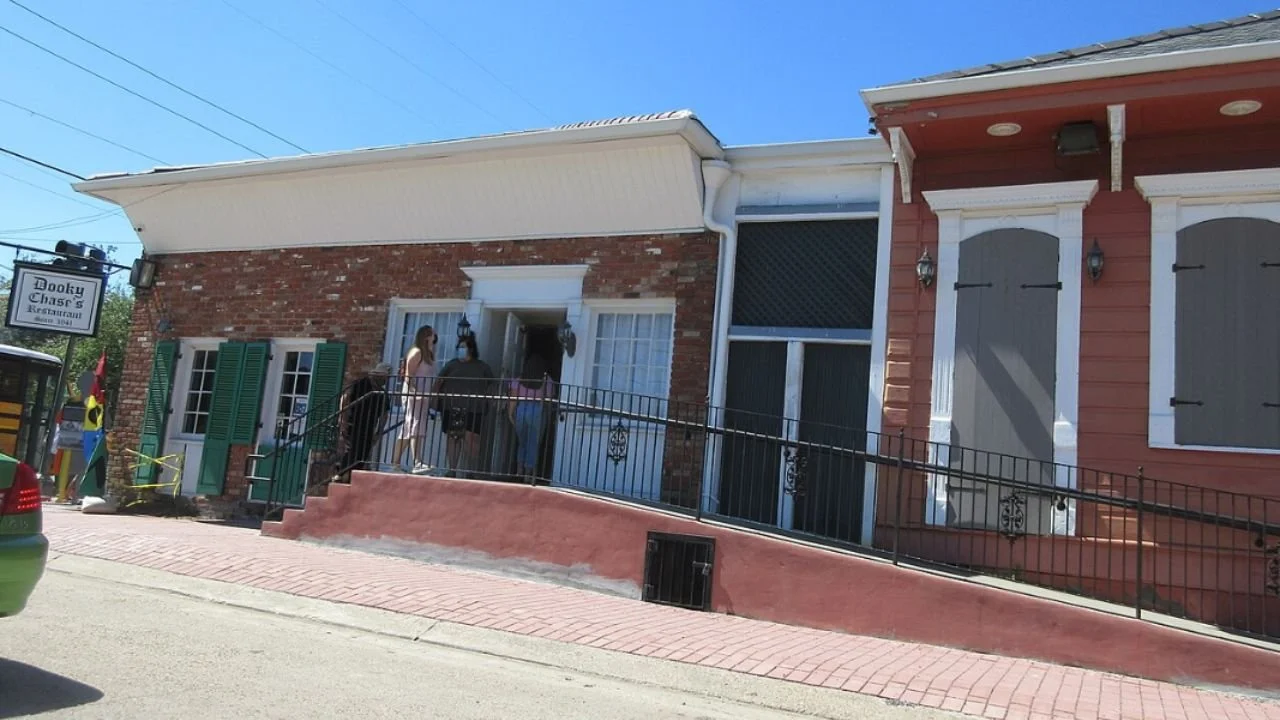
Credit = Wikipedia
One bowl of gumbo helped feed a movement that changed America. That is why Dooky Chase is so much more than a famous New Orleans restaurant.
Some places fill a plate. Others fill a page in history. Dooky Chase does both.
Walk through the front door and the smell hits you first. Rich gumbo. Slow cooked beans. Fried chicken that crackles before it reaches the table. Then the eyes drift to the artwork on the walls. There are the old photographs, and the feeling that every chair has heard a story worth telling.
New Orleans has no shortage of legendary restaurants. Some became famous for recipes. Some became famous for celebrity guests. Dooky Chase became famous because people gathered there to change the world.
Dooky Chase and the Story Behind the Name
The story begins in the Tremé. It is the oldest Black neighborhood in the United States.
Emily and Edgar "Dooky" Chase Sr. opened what would become Dooky Chase in 1941. It started as a family restaurant and neighborhood bar during segregation. This was when the Black-owned businesses carried an entire community on their shoulders. The restaurant even cashed paychecks for Mississippi River workers. This was because many Black residents had few banking options available. Every Friday, workers, families, musicians, and neighbors packed the room for food and conversation.
That alone would have made it an important local institution. But history had bigger plans.
Leah Chase Changed the Menu and the Mission
In 1946, Edgar "Dooky" Chase Jr. married Leah Lange Chase. She was a young waitress who had worked in French Quarter restaurants. She watched skilled servers with refined Creole dishes that Black diners could not experience because of segregation.
Instead of accepting that barrier, she studied every detail.
How was shrimp prepared?
How were plates presented?
Why did every meal feel like an occasion?
She carried those lessons back to the Tremé. Here, she changed the family restaurant into one of the country's first Black fine dining places.
That decision was about much more than food. It was about dignity. It proved that excellent service, and remarkable Creole cooking belonged to everyone.
A Bowl of Gumbo and a Fight for Justice
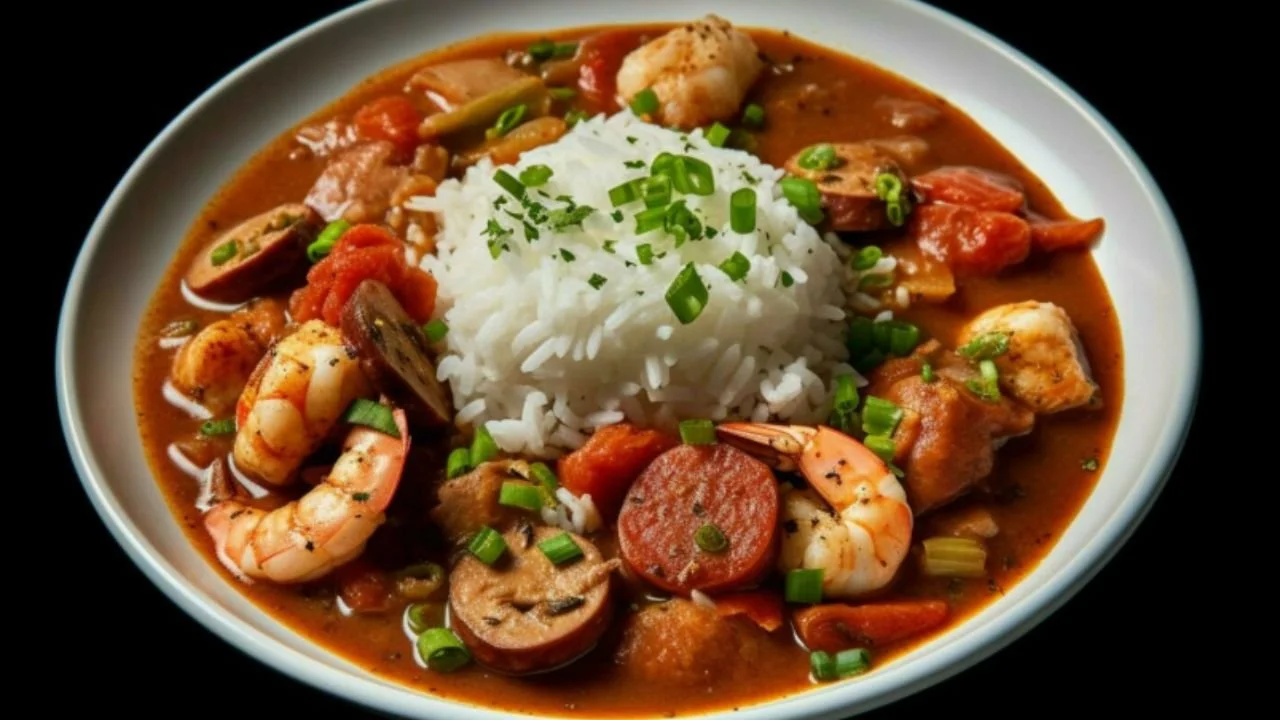
Dooky Chase became busiest after dinner. During the Civil Rights era, the upstairs dining rooms served as safe meeting spaces. Here, activists gathered to discuss petitions and strategy. Black and white leaders met in a city where segregation still shaped daily life. The restaurant welcomed them all with a hot meal.
Martin Luther King Jr. visited. Freedom Riders gathered. Organizers planned events that would help push the nation toward the Voting Rights Act and later civil rights legislation.
Leah Chase often explained her role simply. She fed the people doing the hard work.
Sometimes history is written with speeches. Sometimes it is written with a ladle. Think about the last time friends stayed around a dinner table long after the plates were empty.
Ideas grow there. Arguments soften. Plans take shape. Dooky Chase understood that simple truth.
The restaurant became meeting ground where difficult conversations could happen without the noise of the outside world. A bowl of gumbo or shrimp Creole created space for trust. Trust built movements.
The Queen of Creole Cuisine
Ask almost anyone about Dooky Chase and one name rises above the rest. Leah Chase.
She is known as the Queen of Creole Cuisine. Chase spent decades perfecting dishes that became part of New Orleans food culture. Gumbo, stuffed chicken, shrimp Creole, sweet potato pie, and red beans and rice. All of them carried her unmistakable touch.
Her influence reached far beyond the kitchen. She inspired young chefs and championed Black artists.
She remained active in the restaurant well into her nineties. Chase greeted guests and checked the kitchen with the same energy that helped build its reputation.
Every city has famous chefs. Very few become cultural landmarks.
The Dining Room That Became a Gallery
Look around before ordering. The walls tell stories too.
Dooky Chase became the first gallery in New Orleans dedicated to Black artists. It turned every meal into a walk through local culture and history. Paintings and sculpture share space with steaming bowls of gumbo.
The combination feels perfectly New Orleans. Art belongs beside music. Music belongs beside food, and food belongs beside conversation.
The Famous Faces Who Found Their Way to the Tremé
Celebrity visits often become marketing tools. At Dooky Chase, they simply became another chapter.
Musicians like Duke Ellington, Lena Horne, Dizzy Gillespie, and Ray Charles enjoyed Leah Chase's cooking. Presidents George W. Bush and Barack Obama also sat down for meals.
The guest list is impressive. The neighborhood regulars matter just as much. That balance is part of the restaurant's charm.
Is Dooky Chase Worth Visiting?
The answer depends on what kind of traveler is walking through the door.
Choose Dooky Chase if the goal is:
Eating authentic Creole food with deep local roots
Experiencing living Civil Rights history
Seeing one of the city's most significant cultural landmarks
Enjoying a family business that still carries generations of tradition
Understanding New Orleans beyond Bourbon Street
A Restaurant That Refused to Fade
Hurricane Katrina forced Dooky Chase to close for two years while the building recovered. Many feared the story might end there.
Instead, the family rebuilt and reopened. It has preserved a place that means as much to New Orleans as many museums. Today it remains family owned and continues welcoming locals and tourists.
Walking Through New Orleans Means Walking Through Layers of History
Every block in New Orleans hides another story. One building holds jazz history. Another carries Civil Rights memories.
Dooky Chase proves that some of the most important chapters are found around a dinner table instead of inside a textbook.
That same spirit of uncovering overlooked history is what draws curious travelers to the city's darker side. Beyond famous landmarks, New Orleans is filled with forgotten lives, strange legends, and real stories. All of them deserve careful telling instead of cheap thrills. Hottest Hell Tours explores those hidden layers through historian-led experiences. The tours respect the city's past while embracing its mysterious reputation, proving once again that the truth is almost always more fascinating than fiction.
FAQs
Why is the restaurant called Dooky Chase?
The restaurant gets its name from Edgar "Dooky" Chase Sr., whose nickname was "Dooky." He and his wife, Emily Chase, opened the family business in New Orleans in 1941. Over the years, the name became known across the city. Today, it stands for great Creole food, local history, and a lasting community legacy.
What food is Dooky Chase famous for?
Dooky Chase is best known for classic Creole dishes made with family recipes and fresh local flavors. Guests often visit for the famous gumbo, shrimp Creole, fried chicken, red beans and rice, and stuffed shrimp. Under Leah Chase, the restaurant earned praise for serving comfort food with fine dining quality and care.
What was Dooky Chase's impact on the Civil Rights Movement?
Dooky Chase became a safe meeting place during the Civil Rights Movement. Activists, leaders, and organizers gathered upstairs to discuss plans and share ideas over meals. Leah Chase welcomed them with open doors and good food. The restaurant showed how a simple dining room could become a space for courage, unity, and change.
What happened at Dooky Chase in Nola?
Dooky Chase became much more than a neighborhood restaurant in New Orleans. During the Civil Rights Movement, community leaders and activists met there to plan peaceful protests and discuss important issues. The restaurant also became a gathering place for artists, musicians, and local families, making it one of the city's most meaningful cultural landmarks.