
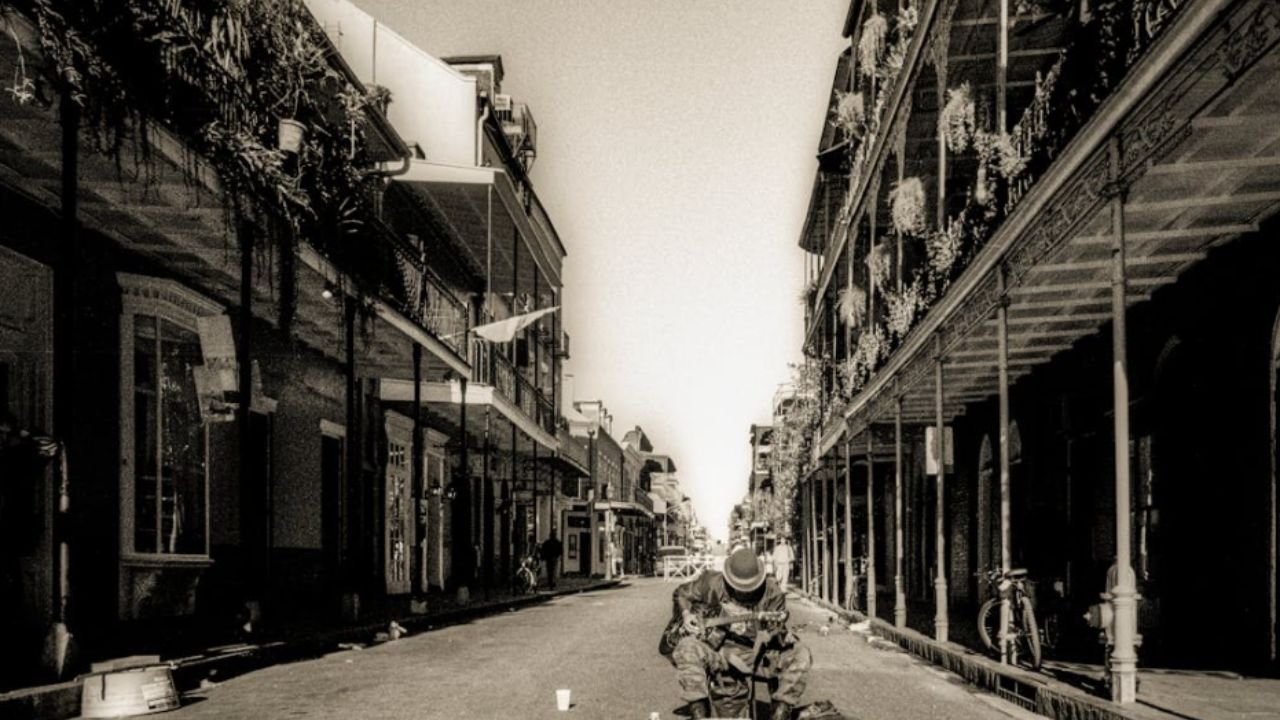
New Orleans witches are less about broomsticks and more about belief, culture, and stories that refuse to stay buried.
Walk through the French Quarter at dusk and you start to notice it. Not in a loud way. It is subtle. A candle in a window. A shop with herbs and oils. A quiet mention of something “old” that people still respect. That feeling is where their history begins.
Many people think witches in New Orleans looked like they did in movies. That is not how they looked in real life. But that is not the most important truth. The real story about them is far more interesting. It reveals how history, culture, and belief came together to create something much deeper than popular myth.
Here are seven truths that will shed light on who the ‘witches’ in New Orleans really were.
1. New Orleans Witches Are Not What Most People Expect
If the first thought is American Horror Story: Coven, that makes sense. That show shaped how many people picture New Orleans witches. Dark houses. Dramatic rituals. Clear lines between good and evil.
But that version is fiction. It borrows from the city without showing the full truth.
In real life, the idea of New Orleans witches is far less theatrical. It is more grounded. Many people who get labeled that way would not use the term at all. They may follow spiritual traditions rooted in African and Caribbean cultures. Others work with herbs, prayer, or ritual in ways that look quiet rather than dramatic.
That difference matters. Words carry weight. In this city, labels are often shaped by outsiders who are trying to explain something they do not fully understand.
So when someone mentions New Orleans witches, it helps to pause for a second. Are they talking about a TV version of the city, or are they talking about real people and real traditions that have existed for centuries?
That gap between pop culture and reality is where most of the confusion begins.
Voodoo vs. Witchcraft vs. Hoodoo: What’s the Difference?
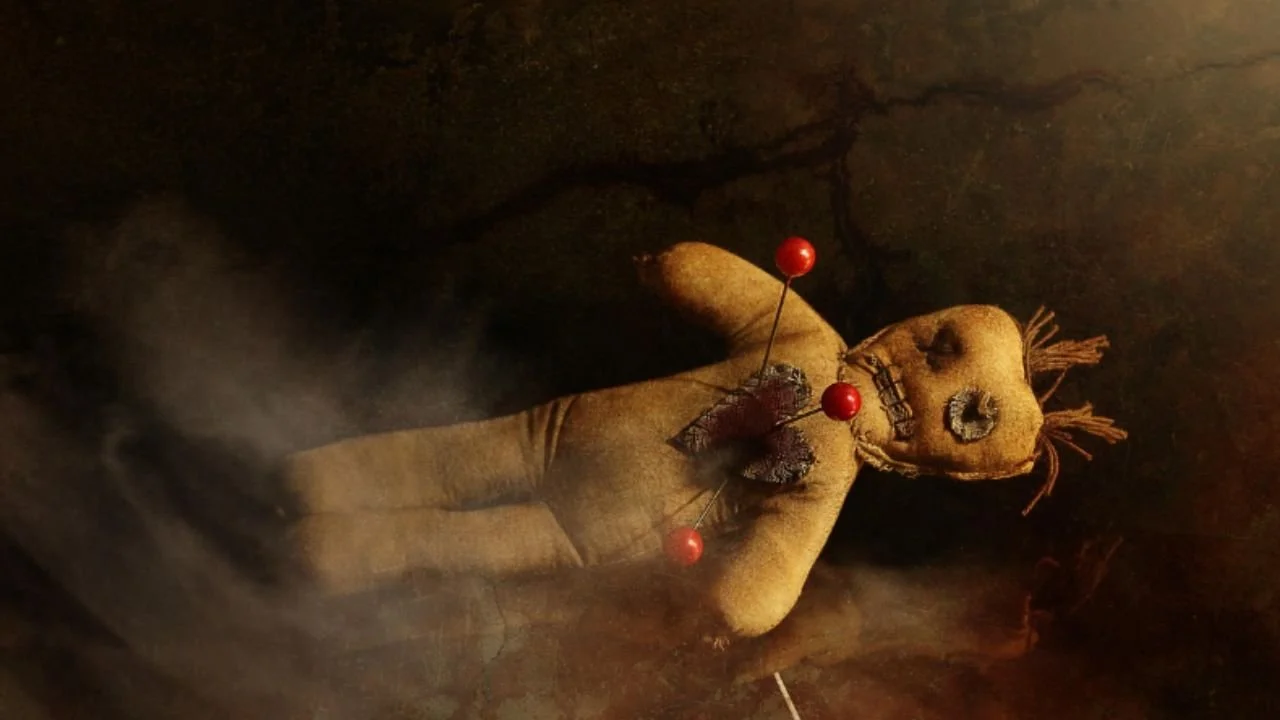
People often use these words like they are the same thing. They are not. Here’s what they mean.
Voodoo
Voodoo is a religion. It comes from West African spiritual systems. Voodoo was shaped further in Haiti and also Louisiana.
New Orleans Voodoo includes:
A belief in spirits, including ancestors
Rituals led by trained practitioners
Strong ties to community and tradition
Blending with Catholic elements like saints and prayer
In New Orleans, Voodoo developed its own identity over time. It reflects African and Haitian roots with local cultural influence. Voodoo is structured. It carries deep meaning for those who practice it.
Hoodoo
Hoodoo is not a religion. It is a system of folk magic, often called rootwork.
It focuses on:
Herbs, roots, and natural materials
Spells for protection, luck, or healing
Personal practice rather than organized ritual
Knowledge passed down through generations
Hoodoo grew in the American South, arriving with enslaved people from various parts of Western Africa. It was popular among African American communities. It generally works alongside religion.
In New Orleans, Hoodoo is part of everyday life in subtle ways. It is practical. It is personal.
Witchcraft
Witchcraft is a broad term. In a Western context, it usually refers to spiritual or magical practices that are not tied to a single religion.
It can include:
Ritual work and spellcasting
Nature-based beliefs
Personal or modern spiritual paths
A more European beginning
In many cases, the term “witch” is used loosely. Sometimes it is used by outsiders to describe practices they do not fully understand.
In New Orleans, this label often overlaps with Voodoo and Hoodoo. That is where confusion happens.
Voodoo exists as a spiritual and religious tradition
Hoodoo exists as a practical form of folk magic
Witchcraft exists as a broader label, often shaped by outside views
You might see all three in the same conversation. That does not mean they are the same. It means the city holds space for different systems at once.
2. The City’s Spiritual Roots Run Deep
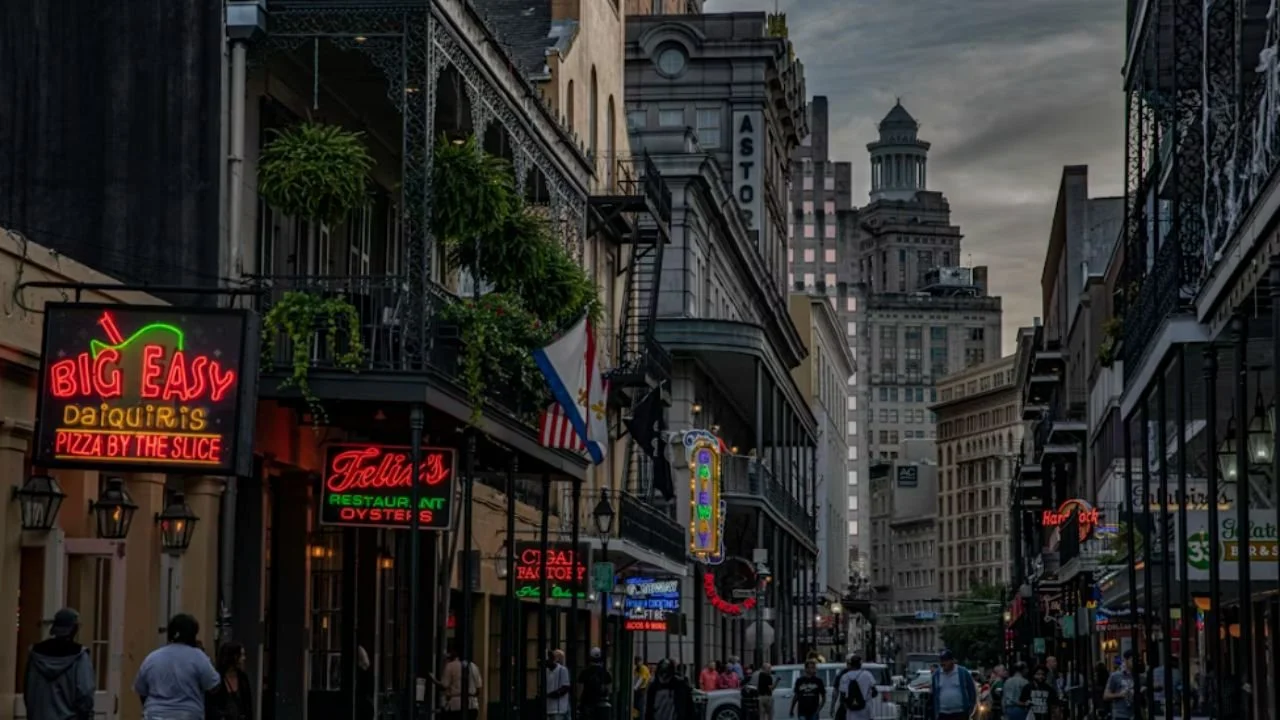
New Orleans was never cut off from the rest of the world. It grew through trade and colonial rule. People came here from many places. They brought their beliefs and customs with them. Over time, these beliefs mixed together. They changed and adapted to life in the city.
A major turning point came in 1724 with the Code Noir. These were French laws that controlled much of life for enslaved people. The laws were harsh. But they also made Sunday a day of rest.
That mattered.
On Sundays, enslaved people and free people of color could gather. Some gathered in public spaces. They kept the cultural and spiritual traditions alive. These practices survived when they could have been lost.
Another major change came after 1804.
The Haitian Revolution forced many people to flee Saint-Domingue. Many arrived in New Orleans. They brought new traditions, beliefs, and knowledge with them.
Those influences became part of the city and helped shape its spiritual history.
They brought with them established Vodou practices. This was not a small influence. It was a large and visible wave of people who carried deep spiritual knowledge.
These two moments shaped what followed. They helped create a city where belief systems could mix. The beliefs had space to grow together.
Spiritual practices in New Orleans often draw from several sources:
West African traditions carried through generations
Haitian Vodou brought by refugees after 1804
Catholic rituals introduced during French and Spanish rule
Indigenous knowledge tied to land and natural healing
This mix created something unique. It does not fit into a simple label. That complexity is part of its strength.
What many outsiders call “witchcraft” is often a misunderstanding of these layered traditions. These practices are not random or for show. They are tied to real history that still shapes the city today.
3. Fear and Fascination Grew Side by Side
The idea of New Orleans witches has always lived between fear and curiosity. People are drawn to what they do not fully understand. That pull has been there for centuries.
In the 1800s,after the area became Americanized, that fear turned into action. The Catholic Church and city officials pushed hard against Voodoo practitioners. They saw these practices as a threat to social order. Raids took place. Gatherings were broken up. Hundreds of people were arrested over time.
This was not just about belief. It was about control. Spiritual traditions tied to African and Caribbean roots were often targeted. Suppression became part of daily life for practitioners.
But even with pressure, the practices did not disappear. They adapted. They moved into private spaces. They blended with other traditions. Survival became part of the culture itself.
That tension did not end in the 1800s. It carried into the 20th century in different ways. Fortune-telling for money was illegal in New Orleans for much of that time. Laws like that kept spiritual work in a gray area. It existed, but often just out of sight.
At the same time, curiosity kept growing. Visitors came looking for stories. Locals shared what they chose to share. Some details stayed hidden. Others became part of the city’s public image.
Even today, that mix still exists. Some people approach these traditions with respect. Others treat them like entertainment. The line between the two is not always clear.
This is the kind of history that Hottest Hell focuses on. Not the exaggerated version, but the real one. The arrests, the laws, the pressure, and the survival that followed. It is darker than most expect, and far more grounded in truth.
4. New Orleans Witches Are Often Connected to Nature
Walk into any local shop that deals with spiritual goods. You will notice something right away. Herbs. Roots. Oils. Natural materials everywhere.
That is not by accident.
Many traditions tied to what people call New Orleans witches focus on nature. Plants are used for healing, protection, and ritual. Knowledge of these materials is often passed down through generations of midwives.
This connection to nature is practical as well as spiritual. It reflects a long history of using what is available to survive and adapt.
If you think about it, that fits the city itself. New Orleans has always been shaped by its environment.
5. Not All Stories Are Meant to Be Told Lightly
There is a tendency to turn everything into a story. Especially in a place like New Orleans, where history feels close to the surface.
But not all stories are meant for entertainment.
Some traditions are private. Some practices are misunderstood when taken out of context. Treating them like spectacle can strip away meaning.
That is why responsible storytelling matters. It is possible to explore these topics while still respecting the people and cultures behind them.
The difference shows in how the story is told. Is it exaggerated for shock value, or is it grounded in real history?
6. The Line Between History and Belief Is Blurry
New Orleans has a way of making the past feel present. Stories do not always stay in the past here.
Belief plays a role in that. If someone feels that a place carries energy, that feeling becomes part of the experience. It does not need proof to exist for that person.
That idea shapes how New Orleans witches are understood. It is not always about what can be proven. It is about what people believe and how those beliefs are passed down.
You might hear a story and question it. Someone else might accept it fully. Both reactions exist side by side in this city.
Mary Oneida Toups: A Modern Chapter in New Orleans Witches

Mary Oneida Toups represents a more modern chapter in the story of New Orleans witches. Her work helped bring the idea of witchcraft into a legal and public space. This happened in a way that had not happened before in Louisiana.
In 1972, she chartered the Religious Order of Witchcraft. It became the first legally recognized witchcraft church in the state. That moment mattered. It showed that these beliefs could exist openly. It still operates today.
7. The Truth Is More Interesting Than the Myth
It is easy to lean into myths. They are dramatic. They grab attention. But the real story is often quieter and more complex.
New Orleans witches are tied to culture, history, and identity. They reflect how people adapt and express belief over time.
That truth may not fit into a simple narrative. But it carries more weight.
If anything, the lack of clear answers is what makes the topic so compelling. It invites curiosity without forcing a single conclusion.
Why These Stories Still Matter Today
New Orleans is not a place where history sits behind glass. It moves. It changes. It shows up in daily life.
The idea of New Orleans witches is part of that living history. It connects past and present in a way that feels close. You notice it in small moments. A quiet ritual. A shop window with candles and herbs. A story shared in a low voice that sounds half like memory, half like belief.
Reading about it gives context. But it only goes so far.
That is where Hottest Hell Tours takes it further. Our “Gates of Guinee” Voodoo Tour focuses on real history, not myths. It explains how Voodoo developed in New Orleans. Visitors explore how it connects to African and Haitian roots. You hear the context that rarely shows up online.
Then there is “Walking the Devil’s Empire.” That tour leans into the darker side of the city’s past. It connects crime, folklore, and belief to real locations in the French Quarter. It shows how fear, law, and culture all shaped the stories people still tell.
The difference is simple. Reading gives you facts. Being there gives you perspective. Standing in the same streets where these events happened changes how the story feels.
That shift turns curiosity into understanding.
New Orleans has never offered easy answers. It leaves space for questions.
FAQs
Are there real witches in New Orleans?
Yes, but not in the way most people expect. The term “witch” is often used loosely. People who reside here follow certain traditions. These can be spiritual or cultural. These include Hoodoo or Voodoo. Besides, some follow their own personal rituals. A segment of the people accept the witch label. Others don't.
What is the difference between Voodoo and witchcraft?
Voodoo is a religion. Its origins lie in West Africa and Haiti. It includes spirits, rituals, and community practices. Witchcraft is a broader term. It is used for spiritual or magical practices. These are not tied to one religion. In New Orleans, people sometimes confuse the two, but they come from different systems and traditions.
Is Voodoo legal in New Orleans?
Yes, Voodoo is legal in New Orleans today. People are free to practice it as a religion. In the past, laws and social pressure made it harder to practice openly. Over time, those restrictions changed. Now, it is recognized as part of the city’s cultural and religious landscape, even if it is still misunderstood.
What is a gris-gris?
A gris-gris is a small charm or object used for protection, luck, or intention. It often contains herbs, roots, or personal items. The practice comes from African traditions and is common in Hoodoo. People carry or keep them close for a specific purpose, based on belief and personal meaning.
Where can you see Voodoo in New Orleans today?
Voodoo can be seen in small, everyday ways across New Orleans. Shops sell candles, oils, and ritual items. Some places offer readings or spiritual guidance. Cultural sites and guided tours also explain its history. It is not always obvious, but it is still part of the city’s living traditions today.