
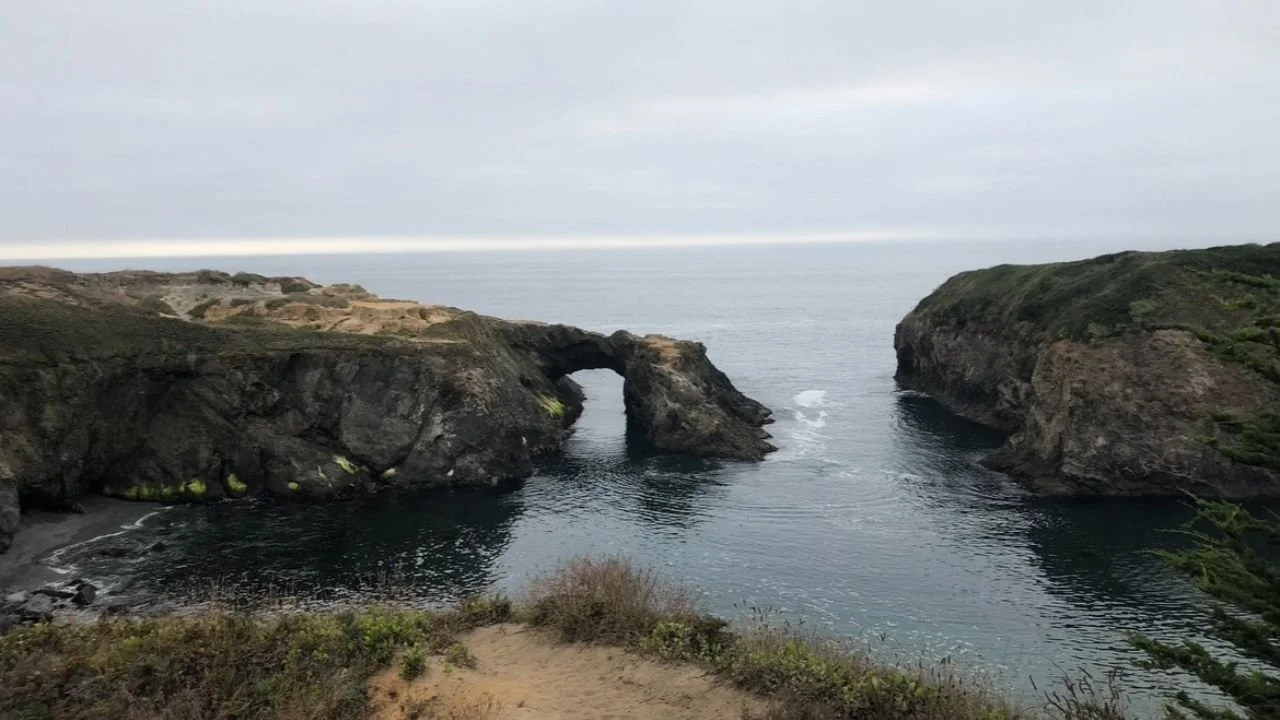
Pop culture often makes scary creatures seem harmless. Deadly sirens become singing princesses. Dark folk tales turn into sweet bedtime stories.
Scottish and Irish selkie stories have faced the same change. Many people now see selkies as gentle, magical seal-people. They imagine sad, romantic stories about creatures from the sea.
But the original tales are much darker.
Behind the romance lies a story of freedom taken away, deep pain, and human control. Selkie legends explore the struggle between a wild life and a life forced upon someone.
What Is a Selkie?
A selkie is a shapeshifting creature from Northern British Isles folklore. The word comes from the Orcadian term for seal.
The Anatomy of a Selkie
| Feature | Description |
|---|---|
| Ocean Form | Looks like a common grey seal found in the Atlantic. |
| Transformation | Removes their sealskin on coastal rocks to take human form. |
| Human Form | Often described as a man or woman with dark eyes and thick hair. |
| Main Vulnerability | Needs their sealskin to return to the sea. Without it, the selkie may become trapped on land. |
Selkies do not lure men to their deaths like sirens. They do not seek human legs like modern mermaids.
They simply shed their pelts to dance on the shore.
Their existence at sea is voluntary. Their existence on land is usually forced. Once a human steals their sealskin, the selkie becomes trapped on land.
The Core Myth: Stolen Agency and Domestic Traps
The standard selkie story follows a horrific, predictable pattern.
A lonely fisherman spies a selkie woman shedding her pelt on the rocks. Entranced by her beauty, he steals her sealskin and hides it away.
Without her pelt, she cannot transform back into a seal. She is forced to follow the man to his home.
The Cycle of Captivity
The Selkie Removes Their Sealskin: They take human form on land.
Someone Steals the Skin: A human hides the sealskin to stop the selkie from returning to the sea.
The Selkie Is Trapped: They are forced to live on land, often as a spouse.
Years Pass: The selkie remains unable to return to their home.
The Selkie Finds Their Skin: They discover the hidden sealskin.
The Selkie Returns to the Sea: They put their skin back on and escape to the ocean.
Her husband is not her savior. He is her captor.
The Myth of "Happily Ever After"
In sanitized versions, the selkie falls in love with her captor. Academic analysis shows that claim is baseless.
Research by Frances Avery (2021) at Utah State University reveals the truth behind these stories. Selkie tales maintain their relevance because they document real human trauma.
Avery explains that the seal coat acts as the selkie's true identity and agency. When a man steals the pelt, he strips away her ability to choose.
She becomes an unwilling domestic partner.
The Moment of Reclamation
Eventually, one of her children finds the hidden skin in an attic or floorboard. The child brings the strange coat to the mother.
The selkie does not hesitate.
| Action | Mythical Reality |
|---|---|
| Abandoning the Home | She runs straight to the waves without looking back. |
| Reclaiming the Skin | Putting on the pelt restores her core personhood. |
| Leaving the Family | She chooses wild freedom over domestic captivity. |
Modern readers often judge the selkie mother for leaving her human children. Avery argues this escape is not an act of selfish abandonment.
It is an act of self-preservation. It is the reclamation of stolen personhood after years of trauma.
Ecological Trauma: Human Greed and Unhealed Wounds
The legend is not just about human gender relations. It also documents our abusive relationship with nature.
Research by John J. McKetta IV (2022) at the University of Edinburgh examines selkie lore through an environmental lens.
McKetta analyzes how these tales reflect historical human-wildlife conflicts involving grey seals.
The Ecological Paradox of the Fisherman
1. Admiration for Nature
The fisherman is drawn to the beauty of the natural world.
2. The Desire to Possess
He wants to keep what he finds beautiful, rather than let it remain free.
3. The Act of Control
He steals the selkie’s skin and takes away the choice to return to the sea.
4. The Cost of Possession
His actions lead to separation, loss, and lasting heartbreak.
McKetta analyzes the fisherman in "The Selkie Bride" as an embodiment of destructive human possessiveness.
The fisherman sees something beautiful in the natural world. Instead of respecting it, he steals it. He spends his marriage living in fear. He constantly moves the hidden skin from cupboard to cupboard.
Wounds That Never Heal
McKetta highlights a key Scottish Traveller proverb: "He who gave the wound must heal the wound.”
The fisherman never apologizes. He never returns the skin willingly. Because he never atones for his theft, the wound never heals.
The Cost of Possessiveness
1. The Action
Stealing the selkie’s skin and taking away freedom.
2. The Refusal to Make Amends
Refusing to apologize or make things right.
3. The Consequence
Lasting separation and heartbreak.
The story ends in heartbreak. The selkie escapes back to the ocean. The fisherman paces the empty shore for the rest of his life. He tried to force nature to bow to his desires, but he destroyed his own happiness in the process.
Living in the Liminal Space
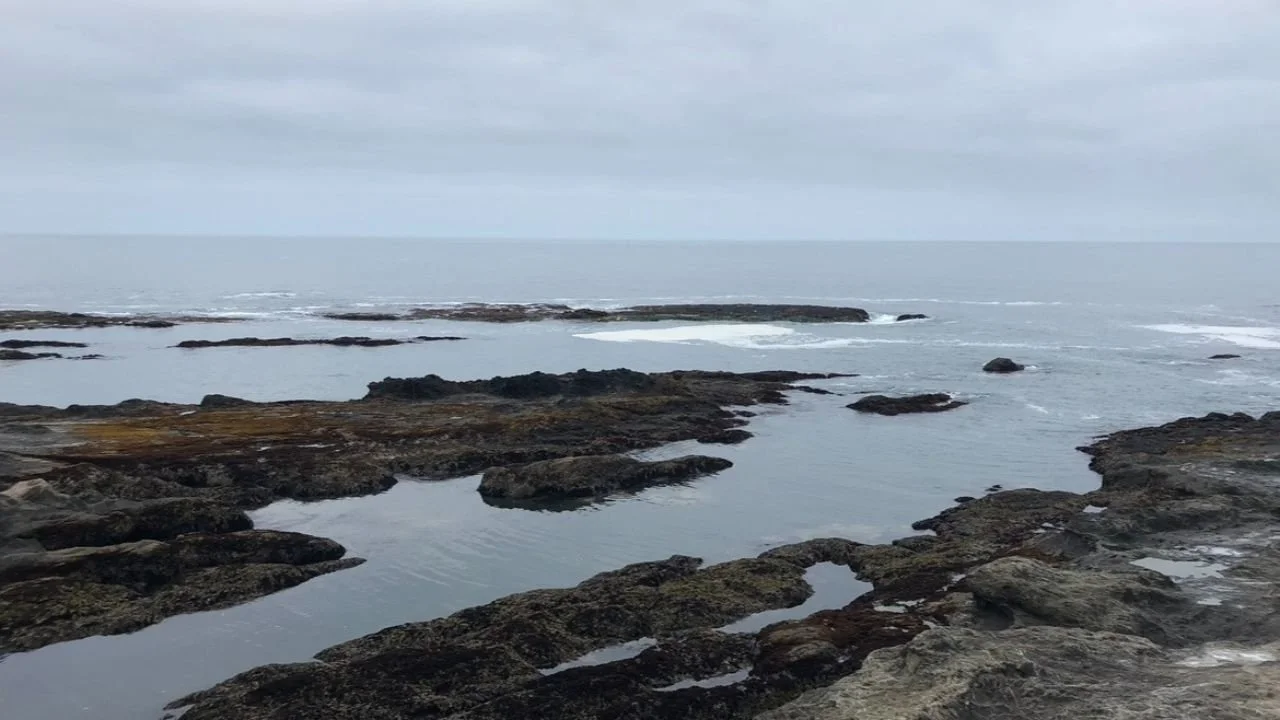
Why have selkie stories persisted for over five hundred years? Both Avery and McKetta agree on the core reason. Selkies embody the concept of liminality.
Liminality describes existing in an "in-between" threshold. Selkies live on the literal littoral shoreline, where crashing waves meet solid rock.
The Liminal Threshold
[ Aquatic Realm ] ◄───► [ Littoral Shoreline ] ◄───► [ Terrestrial Realm ]
(Wild / Animal) (The Selkie Space) (Civilized / Human)
They exist between several strict binaries.
Human and Animal: They possess human emotions but keep their marine instincts.
Land and Sea: They long for the ocean on land, yet walk on dry shore.
Domesticity and Wild Freedom: They are bound to a hearth, but belong to the deep water.
Mermaid legends often center on a creature wanting to give up her aquatic form. Selkies never want to give up their dual nature. When stolen skins are returned, selkies choose the deep water every single time.
They prove that existing in the in-between space is a source of resilience.
The Hottest Hell Ethos: Dark Truth Over Cheap Myths
At Hottest Hell Tours, we understand why mainstream society sanitizes dark folklore. Clean fairytales are comfortable. Real history is messy, dark, and uncomfortable.
We built our company on dismantling sanitized status-quo tour scripts.
Our team includes credentialed historians, Master's-level scholars, SAG-AFTRA performers, and published authors. We do not do cheap jump scares. We do not use fake ghost meters. We do not invent campfire myths.
Much of the New Orleans dark history mirrors selkie folklore. The real events are far stranger, darker, and more compelling than fabricated myths.
When you walk through the French Quarter with us, we don't give you sensationalized fluff. We dive deep into authentic dark history, tragic cold cases, and true historical lore.
We treat real human history with the academic respect and honesty it deserves.
Ready to experience dark history without the sanitized fairytale fluff? Explore our authentic, historian-led New Orleans dark history tours at Hottest Hell Tours today.
Frequently Asked Questions
1. What does a selkie symbolize?
A selkie symbolizes stolen bodily agency, the trauma of forced domesticity, and the struggle to reclaim autonomy. Environmentally, the selkie symbolizes the wild, untamable sea and the disastrous consequences of human exploitation and possessiveness.
2. Are selkies only female?
No, selkies can be male or female. Male selkies appear in Faroese, Shetlandic, and Orcadian folklore. Human women could summon a male selkie ashore by shedding seven tears into the high tide.
3. What is the definition of selkie?
A selkie is a mythical shapeshifting creature from Scottish and Irish lore. Derived from the Orcadian word for seal, a selkie lives as a seal in the ocean but sheds its skin to walk as a human on land.