
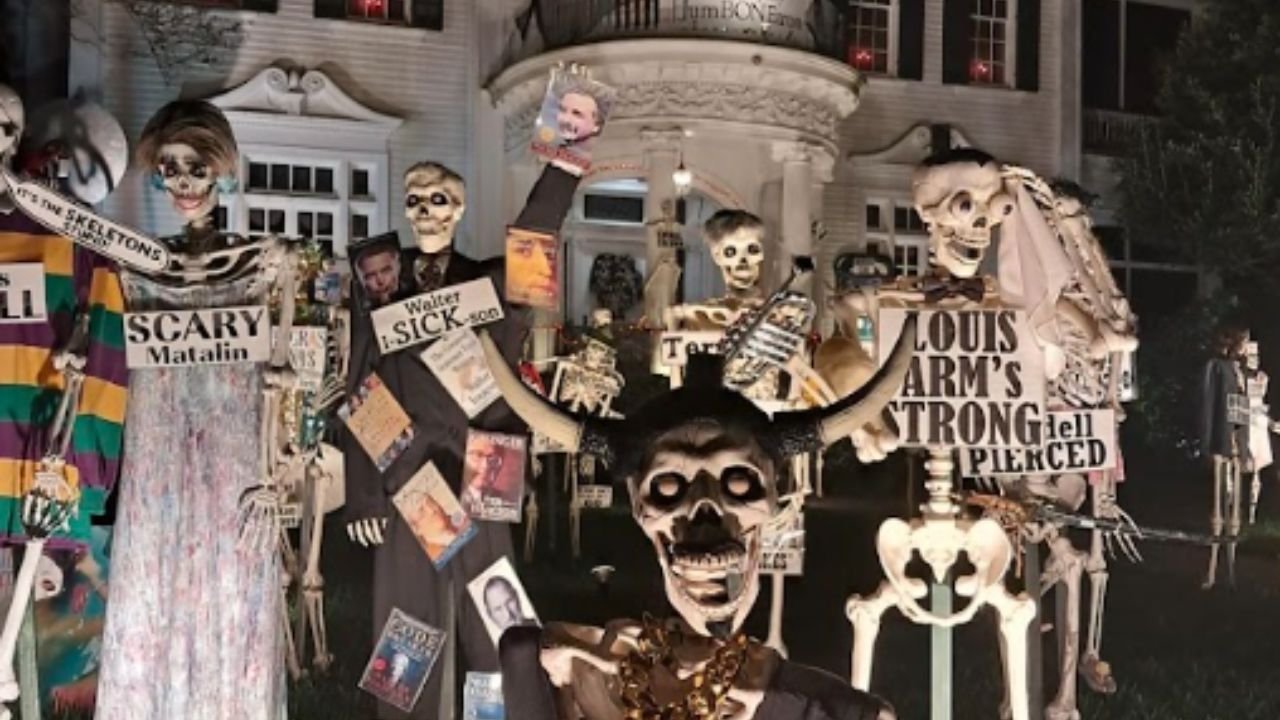
Halloween is celebrated across the United States. You will find haunted houses and trick-or-treating almost everywhere. But New Orleans offers something very different.
Here, Halloween is not simply a holiday. It feels like an extension of the city's history. The streets, cemeteries, old buildings, and local traditions already carry stories that go back hundreds of years. When October arrives, those stories become even more visible.
That is why so many people choose to spend Halloween in New Orleans. They want to experience a city where history and legend have always lived side by side.
Why New Orleans Has Such a Close Connection With Death
New Orleans is one of the oldest cities in the United States. Founded in 1718, it has lived through centuries of change. French and Spanish colonial rule, devastating fires, deadly epidemics, among other things, shaped the city into what it is today.
Death has always been part of that story.
Yellow fever outbreaks claimed thousands of lives during the 18th and 19th centuries. Cholera and other diseases also ravaged the city. Large numbers of people died within short periods. This left a lasting mark on New Orleans and its communities.
The city's geography also influenced how it remembers the dead. Because New Orleans sits below sea level in some areas, traditional underground burials often caused problems. Instead, families built above-ground tombs. Over time, these cemeteries became the city's most recognizable landmarks.
Today, visitors travel from around the world to see these historic resting places. They are not admired because they are frightening. They are admired because they tell the story of generations who helped build New Orleans.
A City Where History and Legend Meet
New Orleans stands apart for another reason. Here, history and folklore are often intertwined.
Many of the city's best-known stories begin with real people and documented events. Over time, those stories grew into local legends. Some became ghost tales. Others became vampire stories or supernatural folklore.
Take the French Quarter as an example. Its streets are lined with buildings that have stood for centuries. Behind many of those walls are stories of merchants, soldiers, ordinary families, and more. Some stories are supported by historical records. Others have changed as they were passed from one generation to the next.
That blend of fact and legend gives New Orleans its unique atmosphere. It doesn’t take long for visitors to discover that the city's history is fascinating without fictional scares.
Why Halloween Feels Right at Home Here
Many of the city's traditions already encourage people to remember the past. This makes Halloween a natural part of the city. Throughout the year, locals celebrate the city's history through music, food, and storytelling. Halloween just adds another layer to those traditions.
Come October and a visitor won’t recognize homes in the city. They do not look like ordinary structures. They are filled with detailed decorations. These adornments make historic buildings take on an even more striking appearance. Everywhere that your eye goes, you’ll see people not dressed in casual clothes. They will be dressed in costumes. The French Quarter exemplifies this in the best way.
Unlike places where Halloween lasts only one night, New Orleans celebrates throughout much of October. Visitors can enjoy costume events, seasonal festivals, haunted attractions, and historian-led walking tours during the entire month.
The city's older neighborhoods also create a setting that feels naturally suited to Halloween. Gas lamps, narrow streets, wrought-iron balconies, and centuries-old architecture provide a backdrop that cannot be recreated elsewhere.
It is this combination of authentic history, local tradition, and historic surroundings that makes Halloween in New Orleans so special.
How Halloween Became One of New Orleans' Biggest Celebrations
Halloween in New Orleans began as a small neighborhood gathering. Today, it has become a big seasonal celebration in the city. But what is at the core of the holiday is still the city's rich history.
Early Halloween in New Orleans
During the late 1800s and early 1900s, Halloween was a much quieter occasion than it is today. Families celebrated at home or with neighbors. Children played games, and carved pumpkins. They dressed in simple costumes. Schools and community groups also held Halloween parties.
Like many American cities, New Orleans adopted traditions that came from Irish and Scottish immigrants. These included costumes, bonfires, and seasonal celebrations tied to the end of October.
At the same time, New Orleans already had something most cities did not. Its historic cemeteries, and centuries of local folklore gave Halloween a setting that felt naturally mysterious.
The French Quarter Became the Center of Halloween
As tourism grew during the twentieth century, more visitors came to experience the French Quarter. Its peculiar architecture, like narrow streets and wrought iron balconies has always pulled people. It created the perfect backdrop for Halloween.
By the 1970s and 1980s, costume parties had become a major part of the season. Bars and music venues hosted Halloween events throughout the neighborhood. Visitors began planning trips specifically for the holiday.
Here, people did not need artificial haunted attractions to create the atmosphere. Simply walking through the French Quarter after dark became part of the experience.
Halloween Continued to Grow
Over the following decades, Halloween became one of New Orleans' busiest travel seasons. Hotels filled with visitors. Local businesses decorated their storefronts. Neighborhoods competed with creative displays.
The celebration also expanded beyond a single night. Today, Halloween events begin well before October 31. Throughout the month, visitors can attend costume contests, haunted houses, and walking tours.
The Arrival of the Krewe of Boo
A big addition to modern Halloween is the Krewe of Boo Parade. It’s a parade inspired by New Orleans' famous Mardi Gras traditions. The Krewe of Boo combines Halloween with the city's love of krewes, floats, costumes, and community celebrations.
Colorful floats roll through downtown while riders throw Halloween-themed items to the crowd. Costumed performers and giant props fill the streets. The city is adorned with creative decorations. The parade is now a big Halloween event in the Gulf South. It attracts countless locals and visitors each year.
Anne Rice's Vampire Ball
Another event that adds to the Halloween season is Anne Rice's Vampire Ball. It is usually held during the Halloween weekend and attracts visitors from across the United States and beyond.
Anne Rice was one of New Orleans' most famous authors. Her 1976 novel Interview with the Vampire introduced millions of readers to the city's Gothic beauty, historic mansions, cemeteries, and mysterious atmosphere. Many of her books are set in New Orleans, and they helped make the city closely associated with vampire lore.
The Vampire Ball celebrates that legacy. Guests dress in elegant vampire-inspired costumes, Victorian clothing, and Gothic fashion. The evening features live music, dancing, themed entertainment, and costume contests. The atmosphere is dark, theatrical, and inspired by the world Anne Rice created.
For many fans, attending the Vampire Ball has become a Halloween tradition. It is a unique event that reflects New Orleans' love of storytelling, Gothic culture, and its rich literary history.
A Celebration That Balances Fun and History
What makes Halloween in New Orleans different is the balance between celebration and history. The city embraces costumes, and festive events. At the same time, it never loses sight of its past.
Many Halloween activities encourage visitors to learn about the people, places, and events that shaped New Orleans. Historic homes, cemeteries, and guided walking tours become even more popular during October. For many visitors, learning about the city's true history becomes just as memorable as attending a parade. This does not happen anywhere else.
Why October Is the Best Time to Visit
October brings cooler temperatures and lower humidity. Walking through the French Quarter becomes much more comfortable than during the summer.
The city also feels more energetic. Decorations appear throughout historic neighborhoods. Restaurants introduce seasonal menus. Bars and music venues host Halloween-themed events almost every week.
Perhaps most importantly, many of the city's best walking tours operate at their busiest during October. Evening tours become especially popular because the cooler weather makes it easier to explore the historic streets after sunset.
For many travelers, Halloween is the time of year when the city's history, architecture, traditions, and storytelling all come together in one unforgettable experience.
New Orleans Halloween Traditions That You Won't Find Anywhere Else
The city's traditions are influenced by centuries of history, unique architecture and local customs. Here are some of the traditions that make New Orleans stand apart.
The French Quarter Becomes the Heart of Halloween
The French Quarter in October takes on a completely different atmosphere. Historic buildings are decorated for the season. Balconies fill with skeletons, lanterns, cobwebs, and elaborate displays. Many restaurants and shops join in, turning entire blocks into Halloween attractions.
As evening arrives, the Quarter becomes even more lively. Streets fill with people wearing creative costumes. Live music can be heard from nearby venues. Historic squares and courtyards become gathering places for both locals and visitors.
The French Quarter already has centuries of history behind every corner. That makes the experience feel much more authentic.
Costumes Are Taken Seriously
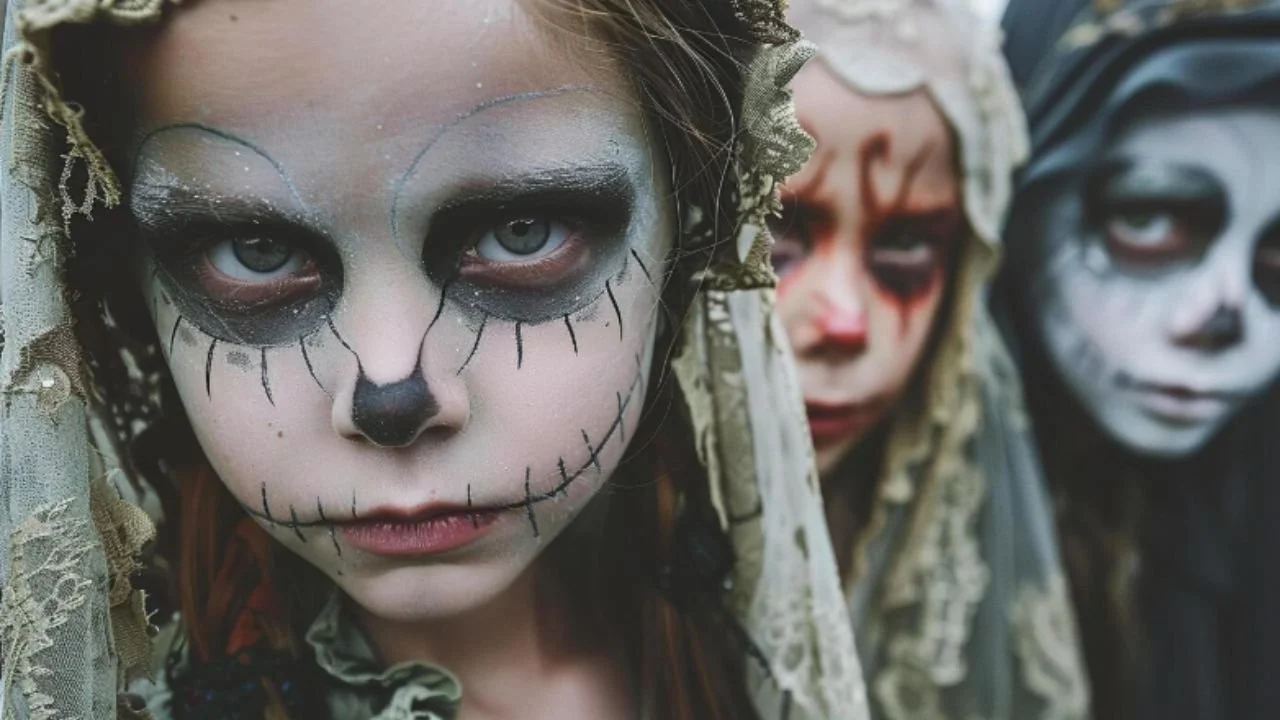
New Orleans has always loved costumes. The city's Mardi Gras tradition has inspired generations of people to create detailed outfits. The same creativity carries into Halloween.
Many people spend months designing their costumes. Some create elaborate handmade outfits. Others dress as historical figures, movie characters, or classic Halloween creatures. Costumes are not limited to parties. Throughout Halloween week, visitors will see people in costume while dining, shopping, walking through the French Quarter, or attending local events.
It is one reason Halloween feels like a citywide celebration and not a single-night holiday.
Historic Cemeteries Become Places of Reflection
New Orleans is famous for its above-ground cemeteries. Visitors often include them on their October itineraries because they are among the city's most recognizable landmarks. These cemeteries are known for their rows of family tombs, historic monuments, and unique architecture.
Many people mistakenly think they exist because they are haunted. In reality, above-ground tombs developed largely because of local environmental conditions and burial practices.
During Halloween, interest in these cemeteries grows even more. People visit to learn about local history, architecture, and the families who helped shape New Orleans. The focus is on understanding the city's past rather than seeking paranormal experiences.
Ghost Stories Are Rooted in History
Ghost stories have been part of New Orleans for generations. What makes them different is that many begin with real people and documented events.
Stories connected to places like the Old Ursuline Convent, the LaLaurie Mansion, and other historic buildings often combine historical facts with local folklore. Over time, these stories have grown through retellings, becoming part of the city's cultural identity.
The most respected storytellers make an important distinction. They explain which parts are supported by historical records and which belong to legend. That balance between fact and folklore is one of the things that makes New Orleans haunted history so fascinating.
Music and Celebration Are Part of the Season
Music plays an important role throughout October. Live performances take place across the city. Brass bands, jazz musicians, and local performers help create a festive atmosphere.
Neighborhood events, outdoor gatherings, and seasonal celebrations bring people together throughout the month. Visitors quickly discover that Halloween in New Orleans is as much about community as it is about ghosts.
This blend of music, history, and celebration gives the city an energy that feels completely unique.
Walking Tours Become One of the Most Popular Experiences
October is one of the busiest months for walking tours. Many visitors want to experience the French Quarter after dark while learning about its history. Walking through streets that have existed for centuries creates a much stronger connection to the city's past than simply reading about it.
The best tours focus on documented history. They explain the real events behind famous legends and separate historical fact from popular myths. Hottest Hell Tours offers historian-led walking tours that explore the darker side of New Orleans through documented events and careful research. Instead of telling fictional ghost stories, the guides share the true history behind famous locations. This includes tales of murder, yellow fever, vampires, Voodoo, organized crime, and legendary figures connected to the French Quarter. During October, these tours are especially popular, so booking ahead is recommended.
Halloween may only last one season. But the stories that shaped New Orleans can be explored year-round through experiences offered by Hottest Hell Tours.
FAQs
How does New Orleans celebrate Halloween?
New Orleans celebrates Halloween with costume parades, haunted history tours, live music, decorated streets, themed parties, and family events. The celebrations continue throughout October, not just on Halloween night.
Why is New Orleans so paranormal?
New Orleans is known for ghost stories because of its long history, old buildings, famous cemeteries, and local folklore. Many legends are connected to real historical events and people.
Is New Orleans a spooky city?
Yes. New Orleans has a spooky atmosphere because of its historic streets, above-ground cemeteries, Gothic architecture, and centuries-old legends. Its rich history makes the city feel mysterious year-round.
Is October a good month to go to New Orleans?
Yes. October brings cooler weather and many seasonal events. It is one of the best months to enjoy festivals, walking tours, Halloween celebrations, and the French Quarter comfortably.