
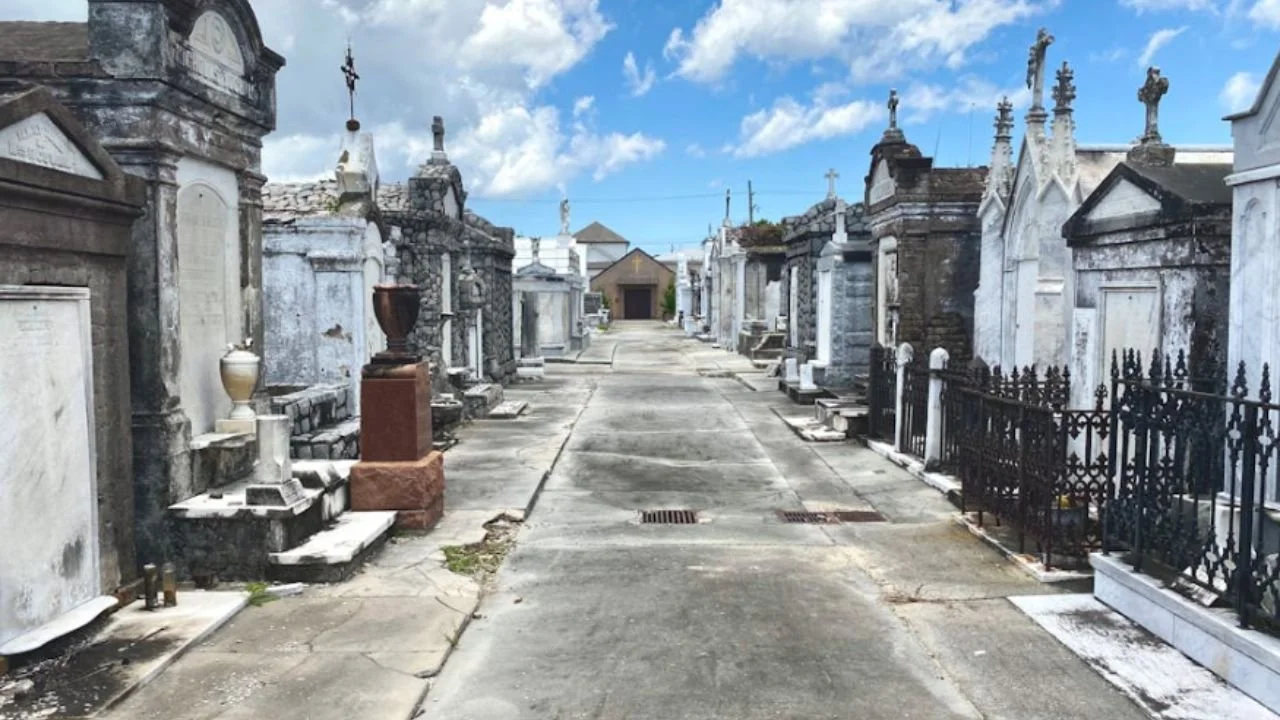
New Orleans doesn’t just keep its history in museums. It keeps it above ground, in stone, silence, and stories that refuse to fade.
Yes. A cemetery tour in New Orleans is worth it if the goal is to see the city the way locals know it. It gives you a closer look at a place shaped by loss, grit, beauty, and stories that still linger in the heat.
Most people land in New Orleans with a plan. A hurricane cocktail on Bourbon. Beignets at dawn. Brass bands on a side street. Maybe a ghost tour after dark because that feels like the thing to do.
Then someone says, “You have to see the cemeteries.” Others wonder: Really? A graveyard? On vacation?
Fair question.
A lot of visitors picture a slow walk past old tombs while someone rattles off dates no one remembers. It sounds dry. Maybe even strange. There is jazz to hear and food to eat.
Why spend time with the dead?
This question remains valid only before taking a tour focused on cemeteries. Once people take the tour, the noise of the city fades behind the cemetery walls. Sunlight hits rows of white stone tombs. The streets outside feel far away, and the whole place grows still.
That is when people start to get it.
A cemetery tour here is not about death in the way people think. It is about memory, family, survival, and more.
Many people walk out saying the same thing. “That was the part of the trip no one warned me would matter so much.”
Why New Orleans Cemetery Tours Feel Different
New Orleans cemeteries were not always built with above-ground tombs.
The city's earliest cemetery, St. Peter's Cemetery, used traditional in-ground burials, following French burial customs. The shift toward above-ground tombs came later under Spanish rule in the late 1700s.
This change reflected Spanish burial traditions influenced by Enlightenment-era ideas about public health, religion, and cemetery design. As Spanish customs became established in the city, above-ground tombs became increasingly common.
Over time, these distinctive tombs shaped the appearance of New Orleans cemeteries. Today, many cemetery pathways are lined with rows of family vaults and mausoleums, creating the unique landscape for which the city's cemeteries are known.
There is more to it than construction.
These tombs were often used by the same families for generations. One family’s tomb could hold parents, children, grandparents, and relatives added over many decades. This turned burial sites into family spaces tied to memory and identity.
That is very different from many modern cemeteries. In them, graves are often individual and spread apart. New Orleans cemeteries also reflect the city’s history in ways visitors can see.
The designs show French and Spanish influence. Family names reveal waves of immigration. Some tombs show wealth and social standing. Others show how disease outbreaks and hardship shaped entire communities.
A guide can point to one vault and explain how yellow fever changed the city. Another may reveal how class shaped burial traditions. Another may show how public memory often leaves people out.
That is what makes these tours different. They are not just walks through old burial grounds.
They are lessons in how New Orleans survived floods, disease, war, and change while holding tight to memory. That is why people leave seeing more than tombs.
They leave understanding the city itself.
Is a Cemetery Tour Worth the Money?
New Orleans has no shortage of tours. Some are excellent. Some are little more than a guide with a loud voice and a script copied from somewhere online.
So yes, it is smart to ask if a cemetery tour earns its price. The short answer is this. A good cemetery tour is worth every dollar.
The difference is the guide. When the guide is a real historian, it changes everything. Facts become stories. Stone becomes context. A family vault becomes a doorway into politics, class, immigration, disease, architecture, race, and resilience.
That is the New Orleans most visitors miss. Once seen, it changes the whole trip.
A cheap tour can waste ninety minutes. A strong one can reframe how the whole city makes sense. That is a pretty solid return.
What You Actually Learn on a Cemetery Tour
A lot of people assume cemetery tours are all ghost stories. That happens. New Orleans is still New Orleans. But the best tours do more than chase spooky tales. They teach how this city became what it is.
A strong cemetery tour often reveals:
How New Orleans adapted to water and flooding
Why tomb design became part of local identity
How family legacy shaped burial customs
The role of epidemics in city history
How wealth and class showed up even in death
How immigration shaped burial traditions
Why public memory matters
This is the stuff guidebooks skim past. It gives shape to the city.
Later, when walking Magazine Street or hearing a trumpet echo through the Quarter, the city feels deeper somehow.
Who Should Take a Cemetery Tour in New Orleans?
A cemetery tour is a great fit for people who ask questions like:
“Why does this city feel so different?”
“How did all this history survive?”
“What really happened here?”
“Is the ghost stuff rooted in truth?”
That curiosity pays off.
It is also ideal for:
Couples who want something richer than bar hopping
History lovers
Architecture fans
Writers and artists
Repeat visitors who want more depth
Anyone tired of tourist fluff
It may not be the best fit for:
People who want jump scares
Kids who need high energy entertainment
Visitors looking for quick photo stops only
There is nothing wrong with fun and spectacle. New Orleans has plenty of both. But a cemetery tour works best when someone wants to really understand the town.
Are Cemetery Tours Creepy?
The answer depends on your definition of ‘creepy.” Will it feel eerie? Sometimes. The stillness can catch people off guard. The quiet hits differently after the rush of Bourbon Street. Shadows stretch long. Old stone holds strange shapes at dusk. That can feel uncanny.
But the strongest tours are not built on cheap fear. No one jumps from behind a crypt. No fake screams. No nonsense about guaranteed hauntings.
New Orleans cemeteries are not carnival rides. They are sacred places layered with history. The atmosphere does not need help. Truth handles that just fine. In all actuality, truth is usually stranger.
Should First Time Visitors Choose a Cemetery Tour?
Yes. In fact, it might be one of the smartest first tours to book. Here is why.
A cemetery tour gives context fast. The city suddenly makes sense. You start to understand architecture, the obsession with ritual, the relationship with memory. The way New Orleans treats death less like an ending and more like part of the rhythm of life.
After that, everything else lands differently. A jazz set feels richer. A neighborhood walk feels fuller. Even dinner conversations shift.
People stop saying, “This city is fun.” They start saying, “This city is fascinating.”
That is when New Orleans shifts from interesting to unforgettable.
What Makes Some Cemetery Tours Better Than Others?
A great cemetery tour should have:
Real research
History should come from strong sourcing, not recycled folklore.
Respect
The dead are not props.
Context
Stories should connect to larger city history.
A guide with range
The best guides can teach, entertain, and challenge assumptions all at once.
Ethical storytelling
No exploitation. No lazy myths. No twisting tragedy into theater.
New Orleans has spent years correcting public memory warped by bad tourism. Visitors deserve better than recycled fiction. So does the city itself.
The Garden District Changes Everything
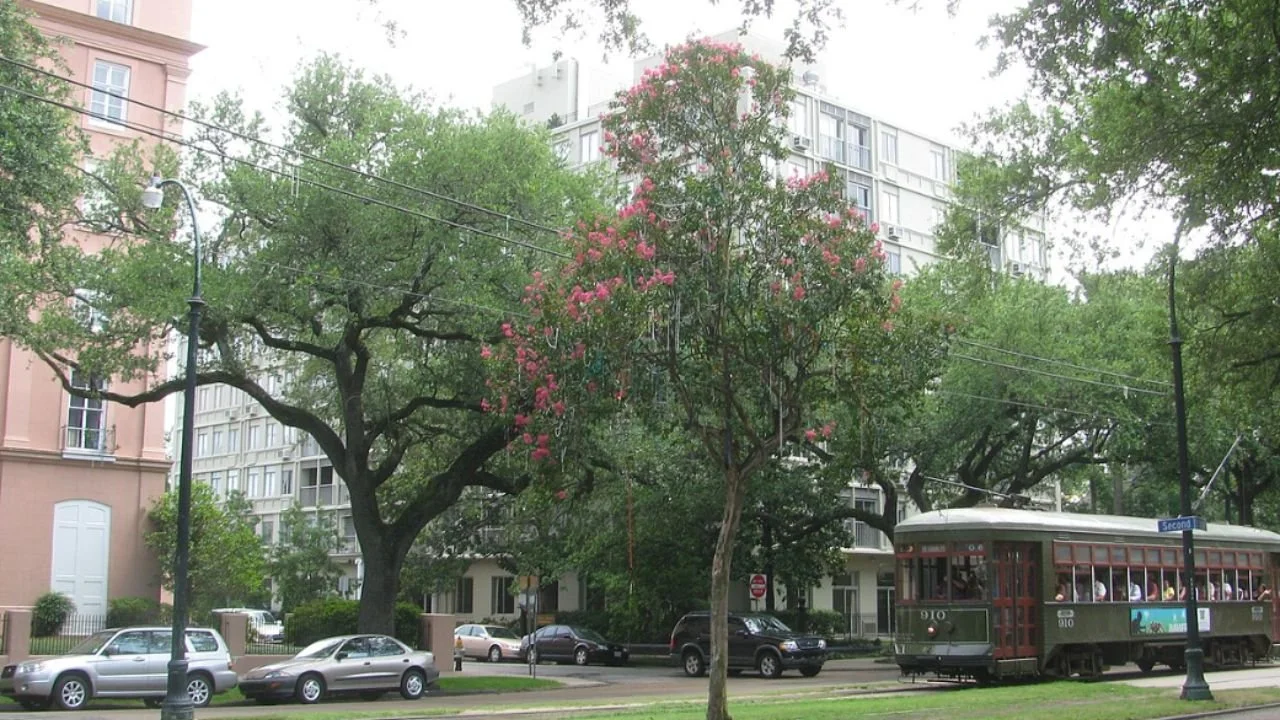

Many travelers pair cemetery tours with the French Quarter. But the Garden District tells a different story.
It grew after the Louisiana Purchase. At this time, many wealthy Americans moving into New Orleans wanted space away from the older Creole neighborhoods of the French Quarter. They built large homes and wide streets. Their private gardens reflected American tastes at the time.
That history shows a major shift in New Orleans. It marks the point where old European and Creole traditions met new American money and influence.
A cemetery tour in this part of the city often reveals that tension.
The tombs and family vaults tell stories of wealth and social status. It tells us the ways families tried to preserve their names for generations. You also see how yellow fever outbreaks, war, and changing power shaped who prospered and who disappeared from public memory.
That is what makes the Garden District different from the French Quarter.
The French Quarter shows how New Orleans began. The Garden District shows how it changed. Experiencing its cemetery helps explain why both histories still shape the city today.
For travelers who want that deeper look, the Garden District Tour: Cemetery, Anne Rice, and True Crime from Hottest Hell Tours offers exactly that kind of layered experience. It treats history with respect while letting New Orleans stay strange enough to keep people wondering.
Key Things to Remember Before Booking a Cemetery Tour in New Orleans
If the question is still circling, keep these in mind.
A cemetery tour is worth it if:
History matters more than gimmicks
Real stories matter more than fake scares
Deeper context sounds exciting
Quiet wonder beats loud spectacle
It may not be worth it if:
The goal is fast thrills
Attention span runs short
Only party energy sounds fun
A cemetery tour shows a side of New Orleans most visitors miss. It explains how the city adapted to hardship and how families preserved memory. More importantly, it shows how history still shapes daily life here.
That is what makes it worth the time. Visitors often leave with more than facts. They leave with a clearer sense of how this city became unlike anywhere else in America.
FAQs
Is it safe to visit cemeteries in New Orleans?
Yes, most popular cemeteries are safe when visited during open hours and with a licensed guide. Guided tours help visitors stay in approved areas and avoid getting lost. Like anywhere in New Orleans, staying aware of surroundings matters. A daytime tour with a trusted company is usually the safest and easiest way to visit.
How long is the cemetery tour in New Orleans?
Most cemetery tours in New Orleans last between one and two hours. The exact time depends on the location and how much history is covered. Some tours focus only on burial customs. Others include nearby neighborhoods and local stories. It is enough time to learn a lot without feeling rushed.
Can I visit New Orleans cemetery without a tour?
In most cases, no. Many of New Orleans' historic cemeteries are no longer open for self-guided visits. Lafayette Cemetery has been closed to visitors during its ongoing restoration work. St. Louis Cemetery No. 1 only allows access through its authorized tour operator. Several other historic Archdiocese-owned cemeteries have restricted public access as well. If you want to explore a cemetery on your own, you would generally need to visit cemeteries outside the main tourist areas, such as those in Metairie and other nearby communities.
What is the best tour to take in New Orleans?
The best tour depends on what kind of history interests you most. Some people want haunted history in the French Quarter. Others prefer cemetery and Garden District stories. A strong tour should be led by real historians and based on facts, not made up ghost stories or cheap scares.